Best guide trip for someone afraid of open water
It's completely normal to feel a bit of apprehension, or even a deep-seated fear, when contemplating a fishing trip that involves large, open expanses of water. Many aspiring anglers dream of casting a line in Oregon's incredible fisheries, but the thought of being far from shore, on a vast lake or ocean, can trigger significant anxiety for some. This guide is specifically designed for you, offering insights and options for guided fishing trips in Oregon that prioritize calm, contained waters, ensuring you can enjoy the thrill of the catch without the discomfort of open water.
Understanding the Fear of Open Water (Thalassophobia) and How it Impacts Fishing
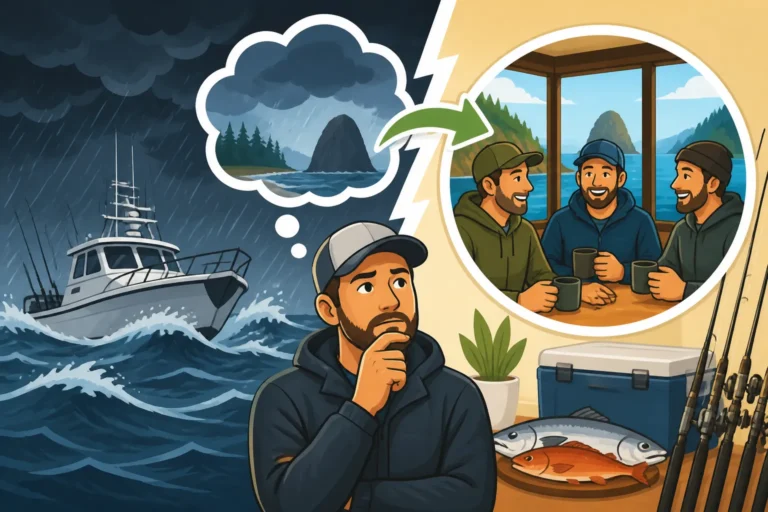
Let's be real, the ocean is immense, and even a large inland lake can feel like an endless abyss when you're out on it. This primal fear, often referred to as thalassophobia, isn't just about the water itself, but often stems from the unknown depths, the potential for unseen creatures, or simply the overwhelming sense of vulnerability in such a vast environment. It's a very real and valid feeling that can stop people from experiencing the joy of fishing, and that's a shame because Oregon offers so many incredible opportunities.
What Makes Open Water Intimidating?
For many, the sheer scale of open water is the biggest hurdle. When you can't see the bottom, or even the opposite shore, your mind can play tricks on you, making the boat feel tiny and exposed. The lack of visible reference points can be disorienting, and the constant motion, even gentle swells, can exacerbate feelings of unease. Think about the Pacific Ocean off Newport or Depoe Bay; even on a calm day, it’s a boundless expanse. It's not just the depth; it's the feeling of isolation and being at the mercy of elements you can't control.
Then there's the mystery. What's lurking beneath the surface? While most fish are harmless, the idea of unknown marine life in the depths can be unsettling. For some, it’s the thought of a sudden storm, or the boat breaking down far from land. These anxieties are compounded by the perception of being "trapped" on a vessel, unable to simply walk away if the feeling becomes too much. It's important to acknowledge these feelings and understand that they are not irrational; they are genuine responses to a perceived threat.
How This Fear Impacts Fishing Choices
When you're dealing with thalassophobia, the idea of booking an ocean salmon charter or a deep-water halibut trip out of places like Astoria or Winchester Bay might be entirely out of the question. You're probably looking past any suggestion of an "Oregon Ocean Charter Fishing" experience. Instead, your mind naturally gravitates towards smaller, more confined bodies of water where you can always see the shore, or even feel the ground beneath your feet. This means ruling out many popular saltwater destinations and even some of Oregon's larger freshwater lakes like Crater Lake or Wallowa Lake, where the depths and expansive views can still trigger discomfort.
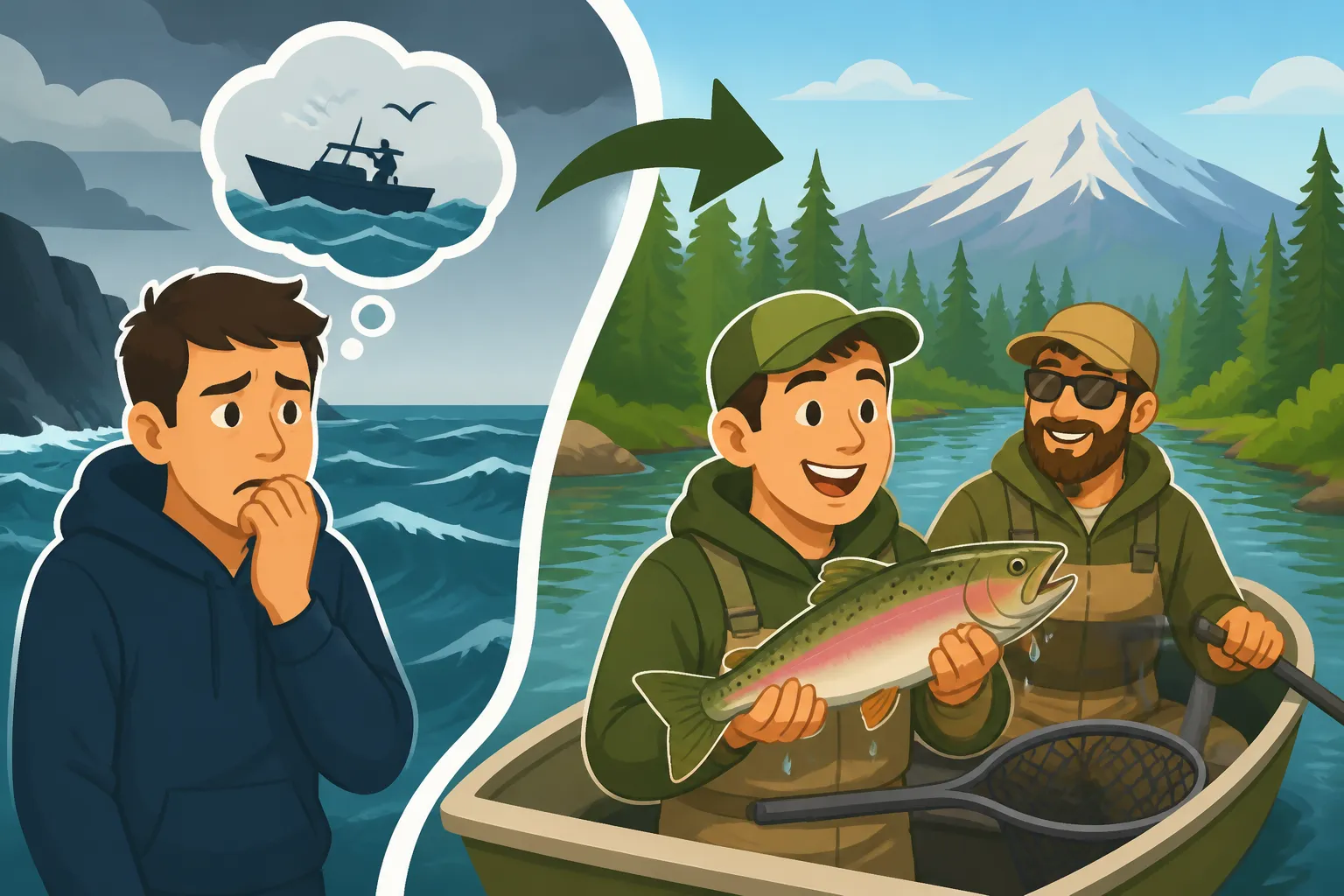
This limitation, however, doesn't mean you're out of luck! Far from it. Oregon is a state blessed with thousands of miles of rivers, countless smaller lakes, and reservoirs that offer incredible fishing opportunities in much more contained and reassuring environments. The trick is knowing which types of trips and locations cater specifically to this preference, and how to communicate your needs to a potential guide. The goal is to find a trip where the environment feels safe and predictable, allowing you to focus on the joy of fishing rather than battling anxiety.
River and Inland Lake Trips: Your Safe Haven
If the thought of vast, boundless water makes your stomach clench, then Oregon's incredible network of rivers and smaller, intimate lakes are going to be your absolute best friends. These environments offer the perfect balance of exciting fishing action and comforting proximity to land. You can still experience the thrill of a guided trip, but within a much more controlled and visually reassuring setting.
Drift Boat and Raft Trips on Rivers
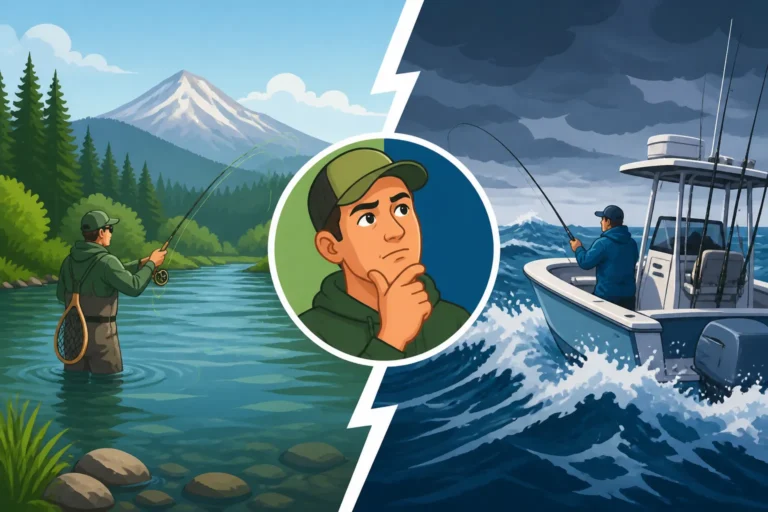
Imagine floating gently down a picturesque river, the banks always visible on either side, perhaps even close enough to touch in some spots. This is the beauty of a drift boat or raft trip on one of Oregon's many famous rivers. You're in a specialized boat, yes, but it’s typically a shallow-draft vessel designed for river navigation, often with oars or a small motor, and you're never truly "at sea." Rivers like the Deschutes River Fishing Guide or the McKenzie River Fishing Guide are prime examples where guides use these boats to navigate rapids and calm stretches, putting you right on top of prime fishing holes.
The advantage here is the constant movement through a changing landscape, providing visual distraction and a sense of progression that can alleviate static anxiety. You'll often be able to see the river bottom in shallower areas, and the presence of trees, rocks, and constantly visible shorelines acts as a natural comfort blanket. Guides are experts at maneuvering these boats, ensuring a smooth ride and focusing on the fishing experience. You're always in a contained channel, which can make a huge difference for someone sensitive to open water. These trips are fantastic for Oregon Steelhead Fishing Techniques or even targeting trout.
Bank and Wade Fishing Guided Trips
For those who absolutely need to feel solid ground beneath their feet, a guided bank or wade fishing trip is the ultimate solution. This eliminates the boat entirely, allowing you to learn casting and fishing techniques directly from the riverbank or by wading into shallow, easily accessible sections of a stream. A guide will lead you to productive spots, teach you how to read the water, and help you present your bait or fly effectively, all while you remain firmly connected to the land.
This option is particularly popular for Oregon Fly Fishing Guides who work on smaller, more intimate streams and rivers known for their trout populations. You might find yourself on the Metolius River or certain stretches of the Crooked River. It’s an incredibly immersive experience that allows you to feel truly connected to the environment without any waterborne anxiety. You'll learn the nuances of the water, the insects, and the fish, all from a stable, grounded position. Plus, a good guide will make sure you’re always safe and comfortable while navigating the terrain.
Smaller Lake and Reservoir Options
While large lakes can be intimidating, Oregon also boasts numerous smaller lakes and reservoirs that offer fantastic fishing without the overwhelming "oceanic" feel. These often have visible shorelines across their entirety, or at least feel much more contained than a vast body of water. Places like Henry Hagg Lake near Forest Grove, or many of the smaller Cascade lakes (provided you’re not going too deep into the backcountry, which can bring other anxieties), can be excellent choices.
On these waters, guides might use smaller, more stable boats, often equipped with trolling motors, that keep you relatively close to shore. You might target bass, panfish, or stocked trout, all of which offer plenty of exciting action. The key is finding a lake where the "open water" stretches are minimal, or where you can simply request to stay near the edges. Platforms like FishingBooker can sometimes allow you to specify preferences for calmer water or smaller vessels when inquiring with guides, making it easier to find the perfect match. These environments allow for a relaxing day on the water, often with beautiful scenery, and a constant reminder of the safety of the nearby land.
Types of Fish and Techniques for Calm Waters
When you're choosing a trip where proximity to shore is paramount, it's helpful to know which fish species and techniques lend themselves best to these calmer, more confined environments. The good news is that many of Oregon's most popular and exciting fish can be caught without ever venturing far from land or without leaving the confines of a river channel.
Targeting Trout in Smaller Streams
Trout fishing in Oregon is legendary, and much of it happens in beautiful, clear-flowing rivers and streams perfect for those who want to avoid open water. You'll find rainbow trout, cutthroat trout, and even some elusive brown trout in these waters. Oregon Trout Fishing Techniques often involve fly fishing or light spin gear, both of which are highly effective in smaller streams. A guided trip focusing on trout will teach you essential casting skills, how to read riffles and pools, and the subtle art of presenting your fly or lure.
Many guides specialize in wade-fishing or drift-boat trips specifically for trout. For example, a trip on the Metolius River is almost exclusively fly fishing and often involves wading or very short drift sections. The focus is on precision and technique, not on covering vast distances of water. The beauty of trout fishing in these settings is the intimate connection with the river, the peaceful sounds of nature, and the constant visual reassurance of the banks, trees, and changing river features. It's a meditative and rewarding experience that doesn't demand braving open expanses.
Bass and Panfish in Reservoirs
For a different kind of freshwater excitement, look to Oregon's numerous reservoirs and warmer lakes for bass and panfish. These species, including smallmouth bass, largemouth bass, crappie, and bluegill, thrive in environments that often feel much more contained than the ocean or a huge natural lake. Many of these waters are perfect for a guided trip in a smaller boat, where you can easily stay within sight of the shoreline, casting towards structures, weed beds, or rocky points.
A guide specializing in Oregon Bass Fishing Guide will know exactly where to find these fish, often in relatively shallow water. You might use spinning gear with various lures, or even fly fishing setups for bass. The action can be fast and furious, with exciting bites and strong fights, providing plenty of distraction from any lingering anxiety about the water. Lakes like Henry Hagg Lake or Prineville Reservoir offer excellent opportunities for these species. The focus is on targeting specific visible features, making the environment feel more manageable and less overwhelming.
Sturgeon on the Columbia: River Giants
Now, this might sound counter-intuitive because sturgeon are huge, but hear me out: fishing for white sturgeon on the Columbia River is primarily done from a boat in a wide, but still very much river environment. You're always surrounded by land, often within sight of both the Oregon and Washington banks, and the water is flowing, not static and vast like the ocean. Oregon Sturgeon Guide trips typically involve anchoring in a prime spot and waiting for these ancient giants to bite.
While the Columbia is a major river, the experience is vastly different from being on the open ocean. You're usually in a stable, larger boat, anchored in a river channel, with specific visual markers all around. The excitement of battling a massive sturgeon often eclipses any other anxieties. Guides are highly experienced in handling these powerful fish and ensuring a safe, thrilling experience. It's an incredible opportunity to catch a truly monumental fish without having to face the boundless open sea. You could even explore Oregon and Washington License Reciprocity on the Columbia if fishing certain stretches of the river.
Choosing the Right Guide and Trip for Your Needs
Finding the perfect guide who understands and respects your fear of open water is crucial for a successful and enjoyable trip. It’s not just about their fishing expertise; it’s about their empathy and willingness to adapt the experience to your comfort level. Oregon has a fantastic community of guides, and many are highly attuned to their clients' needs.
Key Questions to Ask Your Guide
When you're researching potential guides, don't hesitate to be upfront about your preferences. It's far better to communicate your needs beforehand than to find yourself uncomfortable on the water. Here are some essential questions to ask:
- "What kind of boat do you use, and how stable is it?" Some boats are naturally more stable than others. Drift boats on rivers, for example, are designed for specific river conditions.
- "How close to shore will we be throughout the trip?" Express your desire to stay close to the bank or within sight of land at all times.
- "Do you offer wade fishing or bank fishing options?" This is the ultimate solution if any boat at all makes you uneasy.
- "Have you guided clients with anxiety about open water before, and how do you accommodate them?" A guide with experience in this area will immediately put you at ease.
- "Can we choose a location that's more contained, like a smaller river or a narrow part of a lake?" Discuss specific rivers or smaller lake segments if you have them in mind.
- "What are your emergency procedures, and how quickly can we get back to shore if needed?" Knowing there's a quick exit strategy can be very reassuring.
A good guide, like those often found on platforms such as FishingBooker, will appreciate your honesty and work with you to craft a memorable trip. They want you to have a great time, and that means ensuring your comfort.
Researching and Booking with Confidence
Start your search by focusing on guides who advertise trips on specific rivers or smaller lakes, rather than broad "ocean charters." Look for descriptions that mention drift boat trips, wade fishing, or targeting species in rivers. Websites and platforms designed for booking fishing trips, like FishingBooker, can be a valuable resource. You can often filter by location, species, and even type of water.
When you find a few potential guides, check their reviews. Do past clients mention the guide's patience, communication, or ability to create a comfortable atmosphere? Look for testimonials that speak to a guide's calm demeanor or willingness to tailor the experience. Once you've narrowed it down, send an email or make a phone call. This direct communication is crucial for explaining your specific concerns and gauging the guide's responsiveness and understanding. A good guide will listen actively and offer solutions, making you feel heard and respected. Don't be shy about stating that you're looking for Beginner-Friendly Guided Fishing Trips in Oregon.
Preparing for Your Calm Water Adventure
Even on a calm river or small lake, a little preparation can go a long way in ensuring your comfort.
- Dress in layers: Oregon weather can be unpredictable. Being too hot or too cold adds unnecessary discomfort.
- Bring comfort items: A favorite hat, sunglasses, sunscreen, and plenty of water are essentials. Some people also find a small, weighted blanket or even just a favorite snack can provide a sense of security.
- Focus on the scenery: Oregon's rivers and lakes are breathtaking. Allow yourself to be captivated by the natural beauty around you – the towering trees, the wildlife, the sounds of the river. This can be a powerful distraction.
- Communicate throughout the trip: If you start to feel uneasy, tell your guide immediately. They can adjust the plan, move to a different spot, or even take a break on shore. Their priority is your experience.
- Practice visualization: Before the trip, spend some time visualizing yourself having a calm, successful day of fishing in a beautiful, contained river or lake. This mental preparation can make a big difference.
| Trip Type | Environment Focus | Proximity to Shore | Typical Fish Species | Ideal For |
|---|---|---|---|---|
| River Drift Boat | Contained river channels | Always visible, often close | Trout, Steelhead, Salmon | Those okay with a boat, but want land nearby |
| River Wade Fishing | Shallow river sections | Feet on solid ground | Trout, Steelhead | Absolute "no boat" preference, immersive |
| Small Lake/Reservoir | Contained, often visible shores | Near shore, less vast | Bass, Panfish, Trout | Those okay with a boat, but fear deep, open water |
| Columbia River Sturgeon | Wide river, anchor fishing | Always visible banks | Sturgeon | Those wanting big fish, but no ocean |
Oregon's fishing opportunities are vast, and your fear of open water doesn't have to prevent you from experiencing the incredible joy and peace that fishing can offer. By choosing the right guide and the right type of water, you can embark on an adventure that's both thrilling and entirely comfortable. Look for guides offering trips on the Willamette River Fishing Guide, the John Day River Fishing Guide, or smaller, localized trout streams. With a little planning and open communication, your perfect, calm water guided fishing trip awaits!
Disclaimer
This article is for general informational purposes only and does not constitute professional advice. Laws, prices and regulations vary by location and change over time. Consult a qualified professional for guidance on your specific situation.