Best fishing spot for catfish in Oregon
There's nothing quite like the anticipation of a good tug on your line, especially when you're hoping for the powerful, gritty fight of a catfish. Many anglers in Oregon crave that unique thrill, but often find themselves wondering, "Where in the world do I even start looking for these whiskered wonders?" It can be frustrating trying to sift through general fishing reports that focus mostly on salmon and trout, leaving you guessing about where to find Oregon's thriving catfish populations. Well, you're in the right place, because this guide is all about pinpointing those prime catfish havens across our beautiful state, making your next outing a whole lot more productive and a lot less about guesswork.
Understanding Catfish in Oregon
Before we dive into specific locations, it’s helpful to understand a bit about the catfish species you're likely to encounter in Oregon and why they make such fantastic targets for anglers. Unlike some of our more famous finned residents, catfish have a different charm – a strong fight, a willingness to bite, and often, a delicious reward.
Native vs. Introduced Species
Oregon is home to a few distinct species of catfish, and it's interesting to note that while some have been here a long time, others are introduced and have truly found their niche. The most common species you'll encounter are Channel Catfish, Brown Bullhead, and White Catfish.
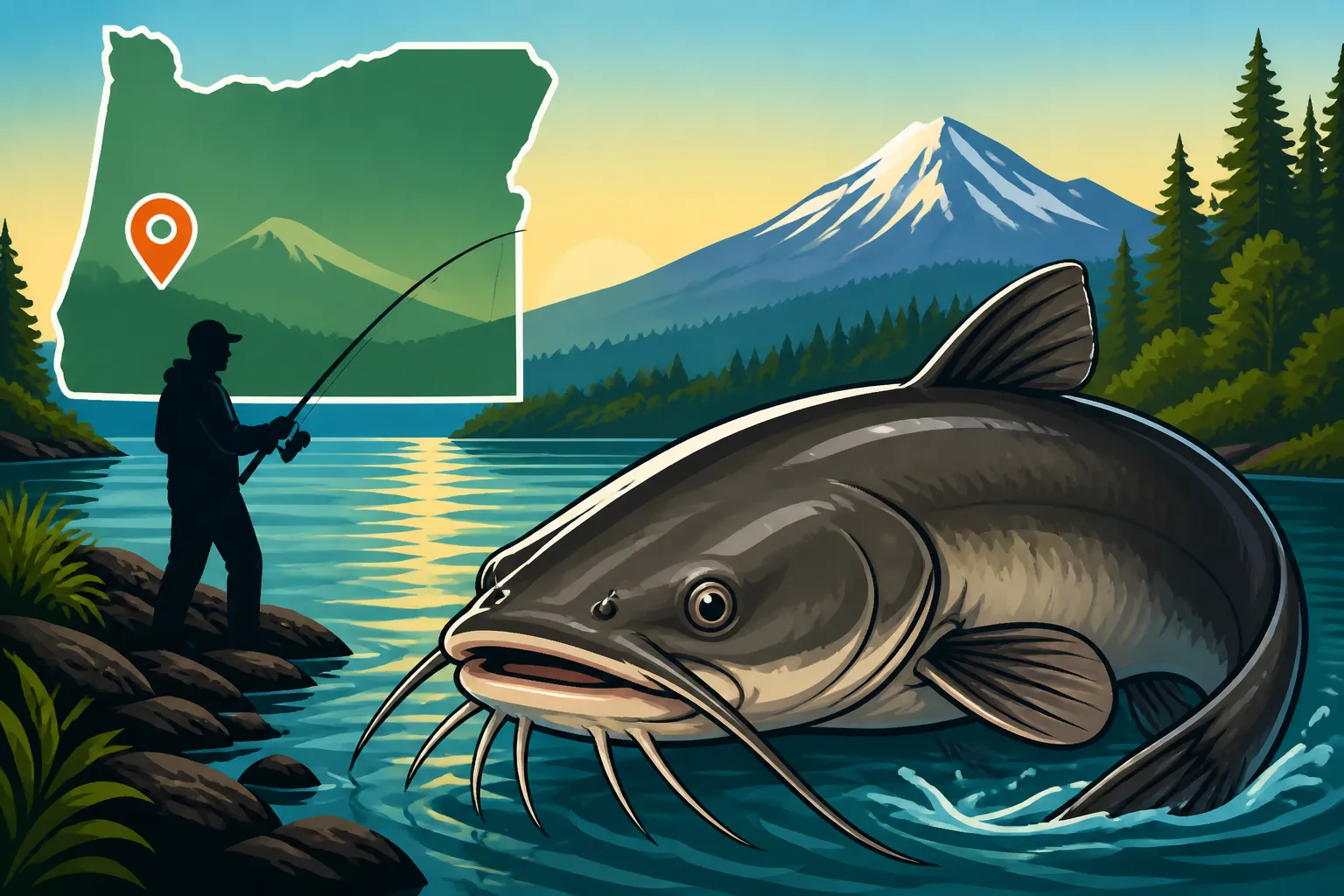
Channel Catfish are probably what most people picture when they think of "catfish." They're sleek, silvery-gray, and have a deeply forked tail, making them quite distinct from their bullhead cousins. These guys are a blast to catch, known for their strong runs and aggressive bites, especially in warmer waters. While they've been successfully stocked in many Oregon waters, they're not originally native to our region but have adapted incredibly well, providing excellent sport fishing opportunities. You can often find detailed information about them in guides like Channel Catfish in Oregon.
Brown Bullhead, on the other hand, are the more traditional, robust, and often darker catfish with a square or slightly notched tail. They're widespread throughout the state and are incredibly resilient, able to thrive in a wide variety of habitats, from murky ponds to slow-moving rivers. Brown Bullhead are a fantastic target for beginners and kids due to their abundance and enthusiastic feeding habits. They might not get as large as Channel Cats, but they offer plenty of action and are delicious on the plate. If you’re looking for a detailed rundown, checking out Brown Bullhead Catfish Fishing can give you a lot more insight into targeting these feisty fish.
White Catfish are less common than Channel Cats and Brown Bullheads but are still present in some Oregon waters, particularly in the lower Columbia River system and some coastal drainages. They typically fall somewhere in between the Channel Catfish and Brown Bullhead in terms of size and appearance, often having a less forked tail than a Channel Cat but a more streamlined body than a Bullhead. They can grow to a respectable size and offer a good fight, adding another exciting option for catfish enthusiasts.
Why Catfish are a Great Target
Catfish are a fantastic species for so many reasons, appealing to anglers of all experience levels. First off, their fighting spirit is undeniable. A big Channel Catfish can put up an impressive battle, testing your tackle and your resolve. They pull hard, often making powerful, head-shaking runs that can really get your adrenaline pumping. Even the smaller bullheads offer a surprisingly strong tug for their size, making every bite exciting.
Beyond the fight, catfish are also incredibly accessible. They inhabit a wide range of waters, from large reservoirs to small, easily accessible ponds, meaning you often don't need a boat to find success. Bank fishing is a hugely popular and effective way to target catfish. Plus, they're not typically as finicky as some other game fish, often responding well to simple, readily available baits, which we'll get into a bit later. This makes them a perfect target for a relaxed afternoon outing or a fun family fishing trip.
And let's not forget the dinner table! Catfish are widely regarded as excellent table fare, with firm, white, flaky meat that's delicious fried, baked, or grilled. Catching your own dinner adds a truly satisfying element to the fishing experience, and with Oregon's generous catfish limits, you can often bring home a nice mess for a feast. Plus, targeting catfish often means you're fishing in warmer seasons and times of day, which are usually more comfortable for anglers. It’s a win-win, really.
Prime Catfish Hotspots Across Oregon
Now for the exciting part! Oregon has numerous fantastic spots where catfish thrive, often overlooked by those focused on other species. Here’s a breakdown of some of the best places to wet a line for these whiskered beauties, covering various regions of the state.
Willamette Valley's Catfish Havens
The Willamette Valley, despite its proximity to major population centers, offers some surprisingly robust catfish opportunities, particularly in its many lakes and reservoirs that warm up nicely in the summer.
Henry Hagg Lake
Located near Forest Grove, Henry Hagg Lake is a true gem for warmwater species, and catfish are no exception. This large reservoir is primarily known for its bass and trout, but the Channel Catfish here can grow to impressive sizes, with many anglers reporting catches in the 5-10 pound range, and occasionally even larger. The lake has numerous arms and coves, offering plenty of structure and warm, shallow areas where catfish love to lurk, especially during the evening and nighttime hours.
Access is excellent with multiple boat ramps (such as Scoggins Valley Park) and extensive bank fishing opportunities around the park areas. Try fishing the submerged timber, deeper channels, or brushy shoreline areas. Fishing from a float tube or kayak can also open up new possibilities in the quieter coves. The lake is well-stocked and managed, making it a reliable spot. For more insights on what other species call this lake home, check out Henry Hagg Lake fish species list.
Fern Ridge Reservoir
West of Eugene, Fern Ridge Reservoir is another prime Willamette Valley location for catfish. This expansive, relatively shallow reservoir warms up significantly in the summer, creating ideal conditions for Channel Catfish and Brown Bullheads. It’s particularly popular for its crappie and bass, but the catfish population is strong and often overlooked. Anglers regularly pull out good-sized Channel Cats, and bullheads are abundant, providing constant action.
The reservoir offers extensive bank access, especially around Perkins Peninsula Park and Orchard Point Park. Numerous boat ramps are also available for those wanting to explore the deeper channels and submerged structures. The edges of weed beds and areas with gradual slopes are often productive. Look for areas with current if the Willamette River inflow is strong. This reservoir is also a great spot for kids due to the high likelihood of catching bullheads. While you're there, you might even consider trying your hand at Fern Ridge Reservoir crappie fishing, as these species often share similar habitats and preferences.
Eastern Oregon's Warmwater Wonders
Eastern Oregon, with its hotter summers and vast, often slower-moving waters, provides some of the state's most legendary catfish fisheries. These are places where you can truly target trophy-sized Channel Cats.
Owyhee Reservoir
This massive reservoir in southeastern Oregon, near Adrian, is a catfish paradise. Owyhee is renowned for its enormous Channel Catfish, with many fish exceeding 20 pounds and even approaching 30 pounds not uncommon. The long, winding reservoir has countless coves, rocky points, and submerged structures that provide ideal habitat for these big cats. The warm, nutrient-rich waters contribute to their rapid growth and impressive size.
Fishing Owyhee often requires a boat to access the best spots, though some bank access is available near boat ramps like the one at Owyhee State Park. The key here is patience and strong tackle. Targeting the deeper channels, the mouths of feeder creeks, or the edges of steep drop-offs with substantial bait can yield incredible results, particularly after dark.
Brownlee Reservoir
Part of the Snake River system on the Oregon-Idaho border, Brownlee Reservoir is another premier catfish destination. It's famous for its abundant Channel Catfish and Brown Bullhead populations, with many anglers catching large numbers of fish, including some very respectable Channel Cats. The reservoir is vast, with diverse habitats ranging from rocky cliffs to shallow, muddy flats, all of which hold catfish.
Access is relatively good, with several boat ramps and shoreline access points along the Oregon side, particularly around Spring Recreation Site and Farewell Bend State Park. Fishing the lower end of the reservoir, near the dam, or the upper reaches where the Snake River flows in can be particularly productive. Look for areas with slower current and plenty of cover. Night fishing here is often when the biggest cats come out to play, making it a favorite for dedicated anglers seeking a true trophy.
Southern Oregon's Lesser-Known Gems
Southern Oregon also offers some excellent catfish opportunities, often in smaller, more intimate settings that are perfect for a quiet day on the water.
Emigrant Lake
Just south of Ashland, Emigrant Lake is a popular spot for warmwater species, and it harbors a healthy population of Channel Catfish and Brown Bullheads. While it's a multi-species lake, catfish provide a consistent and exciting fishery, especially during the warmer months. The lake is generally shallower than some of the larger reservoirs, leading to good water temperatures that catfish love.
Emigrant Lake features easy access with a boat ramp and extensive park areas for bank fishing. Focus your efforts in the coves, around submerged structures, or near the dam. Early morning and late evening are often prime times, but night fishing can also be very productive.
Applegate Lake
Located in the beautiful Applegate Valley, southwest of Medford, Applegate Lake is known for its excellent smallmouth bass and trout fishing, but it also offers good opportunities for Brown Bullhead catfish. While Channel Catfish are less common here, the bullheads are abundant and provide plenty of action for those using cut bait or worms. It's a picturesque location, making for a pleasant day of fishing even if the trophy cats aren't biting.
Access is good with several boat ramps and developed recreation areas like Hart-Tish Park. The shallower coves and the upper reaches of the lake where the Applegate River enters are good places to start. This is a great family-friendly option, with beautiful scenery to boot. If you're looking for different warmwater species in the area, you might find some crossover in techniques from How to catch largemouth bass in Oregon lakes.
Columbia River Basin Opportunities
While the mainstem Columbia River is famous for its salmon and sturgeon, its sloughs, backwaters, and tributaries also hold significant populations of various catfish species, particularly Channel Catfish and White Catfish.
Multnomah Channel
This long, slow-moving channel that parallels the main Columbia River near Portland is a fantastic, often overlooked, catfish spot. It’s teeming with Channel Catfish and White Catfish, which thrive in the warmer, nutrient-rich waters and abundant cover. Anglers regularly catch good numbers of medium to large catfish here.
Access along Multnomah Channel is excellent, with numerous public docks, boat ramps, and bank fishing opportunities, especially around Sauvie Island. Look for slower sections, deep holes, and areas with submerged logs or brush. The sloughs and backwaters off the main channel can also be incredibly productive, especially during lower flows. This is a very accessible spot for anglers in the Portland metropolitan area.
Lower Columbia River Sloughs and Tributaries
Beyond Multnomah Channel, many of the smaller sloughs and slower tributaries feeding into the lower Columbia River (downstream from Portland, towards Astoria) can be excellent for catfish. These areas offer quieter, often shallower water that warms up faster and provides more cover than the main river. Think about places like the Grays River, Cowlitz River mouth areas (on the Washington side, but relevant for understanding similar Oregon spots), or smaller backwaters near Rainier or St. Helens.
Boat access is often key to exploring these hidden gems, though some areas might offer limited bank access. The best approach is to seek out areas with soft bottoms, abundant vegetation, and minimal current. Often, these spots can hold impressive numbers of catfish, providing consistent action for those willing to explore. For general information on local fish species, you can check guides like Oregon Warmwater Fish Species, which might help identify other targets in these diverse waters.
Tips and Techniques for Successful Catfish Angling
Catching catfish isn't rocket science, but having a few tried-and-true techniques and knowing the right conditions can make a huge difference in your success.
Best Baits and Rigs
Catfish are primarily scavengers and opportunistic feeders, which means they're not usually picky. However, some baits are definitely more effective than others at attracting their attention from afar.
Baits That Bring 'Em In:
- Stink Baits: These are arguably the most popular and effective for Channel Catfish and Bullheads. Commercial stink baits come in various forms (dips, dough, chunks) and are formulated with strong odors that catfish can detect from a distance using their highly sensitive barbels (whiskers). Brands like Berkley PowerBait Catfish Bait or Sonny's Super Sticky Baits are popular choices.
- Chicken Livers: A classic for a reason! Chicken livers are bloody, stinky, and irresistible to catfish. The main challenge is keeping them on the hook due to their soft texture. Using a bait holder hook or wrapping them with a small piece of mesh can help.
- Worms: Nightcrawlers or garden worms are always a reliable choice, especially for Brown Bullheads. They're natural, readily available, and effective. A big wad of worms can attract attention.
- Cut Bait: Chunks of oily fish like shad, herring, or even smaller panfish (where legal) can be incredibly effective, especially for larger Channel Catfish. The scent trail they leave in the water is a powerful attractant.
- Shrimp: Raw, peeled shrimp, especially those that have been allowed to "stink up" a bit, can be a surprisingly effective bait.
For a broader understanding of what to use, refer to Oregon Bait and Lure Guide.
Effective Rigs:
- Carolina Rig (or Slip Sinker Rig): This is perhaps the most versatile and widely used catfish rig. It consists of a sliding egg sinker above a swivel, followed by a leader (usually 12-24 inches) and a hook. The sliding sinker allows the catfish to pick up the bait and run without feeling the weight of the sinker, providing a more natural presentation.
- Three-Way Swivel Rig: Ideal for fishing in areas with current or when you want to present two baits at different depths. A main line ties to one eye of the three-way swivel, a leader to a sinker from the second eye, and a leader to your hook from the third.
- Plain Bottom Rig: Sometimes, simplicity is key. A simple hook with a weight a foot or so above it can be all you need, especially in still water or for bullheads.
| Location Name | Primary Catfish Species | Best Fishing Time | Recommended Bait | Notes |
|---|---|---|---|---|
| Henry Hagg Lake | Channel Catfish, Bullhead | Evening/Night, Summer | Stink Bait, Chicken Liver | Good bank and boat access, trophy potential |
| Fern Ridge Reservoir | Channel Catfish, Bullhead | Evening/Night, Summer | Stink Bait, Worms | Extensive bank access, great for families |
| Owyhee Reservoir | Channel Catfish | Evening/Night, Summer | Cut Bait, Stink Bait | Trophy Channel Cats, boat access recommended |
| Brownlee Reservoir | Channel Catfish, Bullhead | Evening/Night, Summer | Cut Bait, Worms, Stink Bait | Abundant fish, diverse habitats |
| Emigrant Lake | Channel Catfish, Bullhead | Evening/Night, Summer | Chicken Liver, Worms | Easy access, scenic, consistent action |
| Applegate Lake | Brown Bullhead | Day/Evening, Summer | Worms, Shrimp | Picturesque, good for numbers |
| Multnomah Channel | Channel Catfish, White Catfish | Evening/Night, Summer | Cut Bait, Stink Bait | Urban access, varied sizes |
Optimal Time and Conditions
Catfish activity is heavily influenced by water temperature and light conditions. Knowing when to hit the water can drastically improve your chances.
Warm Water is Key: Catfish, being warmwater species, become much more active as water temperatures rise. The late spring, summer, and early fall months are prime time for catfish in Oregon. As the water cools in winter, their metabolism slows, and they become less active and harder to catch.
Night Owls of the Water: Catfish have excellent senses of smell and touch (via their barbels), allowing them to navigate and feed effectively in low light conditions. This makes them notoriously active from dusk through the night and into early morning. Many serious catfish anglers swear by night fishing, as this is when the biggest cats often move into shallower areas to feed more aggressively. If you can, plan to be on the water during these low-light periods. Even if it's just getting out for an hour around sunset or sunrise, you'll often see a significant increase in bites. This applies to many warmwater species, much like understanding the Best time of day to fish for walleye might inform your strategy for other bottom dwellers.
Weather Considerations: While bright, sunny days can put some fish down, catfish often don't mind them, especially if they can retreat to deeper, cooler water or shade. Overcast days or periods leading up to a storm can also trigger increased feeding activity. Heavy rains might temporarily slow things down, but a few days after a good rain, when new nutrients are washed into the system, can be very productive. Always check local forecasts and be prepared for changes in weather, especially if you're out at night.
Essential Gear
You don't need highly specialized gear to catch catfish, but having the right setup will make the experience more enjoyable and successful.
- Rods and Reels: A medium to medium-heavy action spinning or baitcasting rod, typically 6 to 8 feet long, is a good all-around choice. Paired with a reel spooled with 12 to 20-pound test monofilament or braided line, you'll be well-equipped for most Oregon catfish. For trophy Channel Catfish in places like Owyhee, you might want to bump up to a heavy action rod and 25-30 pound test line.
- Hooks: Circle hooks are highly recommended for catfish. They are designed to hook fish in the corner of the mouth, reducing gut-hooking and making catch-and-release easier and safer for the fish. Sizes ranging from 2/0 to 6/0 are common, depending on the bait size and target species. Offset worm hooks can also work well.
- Sinkers: Egg sinkers (1/2 oz to 2 oz) are perfect for Carolina rigs. Pyramid or flat-bottom sinkers can be useful in current to prevent rolling.
- Pliers/Forceps: Essential for removing hooks, especially if a fish is hooked deeply or you're using circle hooks.
- Net: A good landing net is invaluable, especially for larger catfish, helping you safely land and handle the fish.
- Headlamp/Lantern: If fishing at night, a headlamp is a must-have, keeping your hands free for rigging bait or handling fish.
- A Valid Fishing License: Don't forget this! You'll need an Oregon Fishing License Guide to ensure you're compliant with state regulations. Checking Oregon Fishing Regulations Explained is always a good idea before heading out, as rules can change.
Remember, the goal is to have fun and enjoy the unique challenge that Oregon catfish offer. With the right knowledge and a bit of patience, you'll be on your way to some fantastic angling adventures. If you’re ever considering a guided trip to explore some of these fantastic catfish spots, platforms like FishingBooker can sometimes help connect you with local experts who know the waters intimately. It's a great way to learn new techniques and explore areas you might not otherwise discover.
Disclaimer
Please note that fishing regulations, conditions, and fish populations can change. Always consult the latest Oregon Department of Fish and Wildlife (ODFW) regulations before you head out, and be aware of any emergency closures or advisories. This guide is for informational purposes only.