Wallowa Lake kokanee fishing
There's nothing quite like the thrill of chasing fish, but sometimes, figuring out the specific quirks of a new fishery or a particular species can feel like trying to solve a puzzle with half the pieces missing. If you’ve heard whispers of the delicious kokanee salmon in Oregon and are setting your sights on the breathtaking Wallowa Lake, you're in for a treat, but also a learning curve. This comprehensive guide will unravel the mysteries of Wallowa Lake kokanee fishing, equipping you with the knowledge, techniques, and confidence to find and catch these elusive, silvery treasures.
Wallowa Lake: Oregon's Gem for Kokanee Anglers
Wallowa Lake, nestled in the stunning Wallowa Mountains of northeastern Oregon, isn't just a pretty face. It's a deep, cold, glacial lake that offers some of the state's most consistent and rewarding kokanee fishing. If you've ever found yourself wondering where to go for these landlocked sockeye salmon, this incredible destination should absolutely be on your radar. The clear, deep waters here provide the perfect habitat for kokanee to thrive, making it a truly special place for anglers seeking this particular species.
Why Wallowa Lake is a Kokanee Hotspot
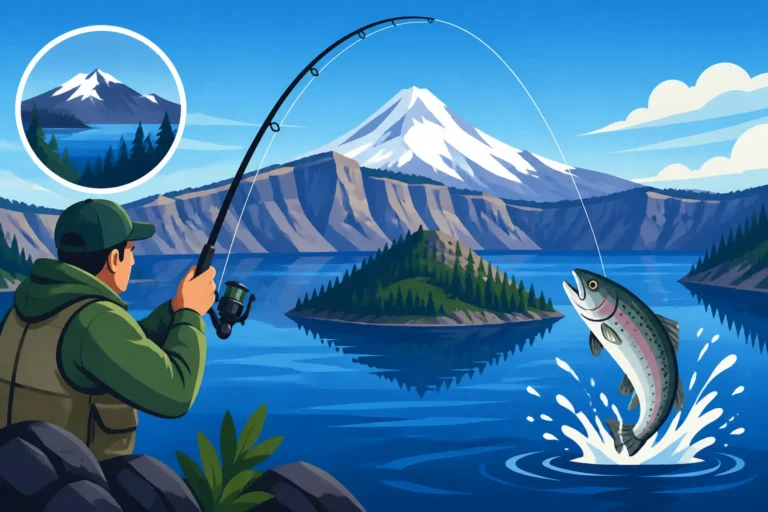
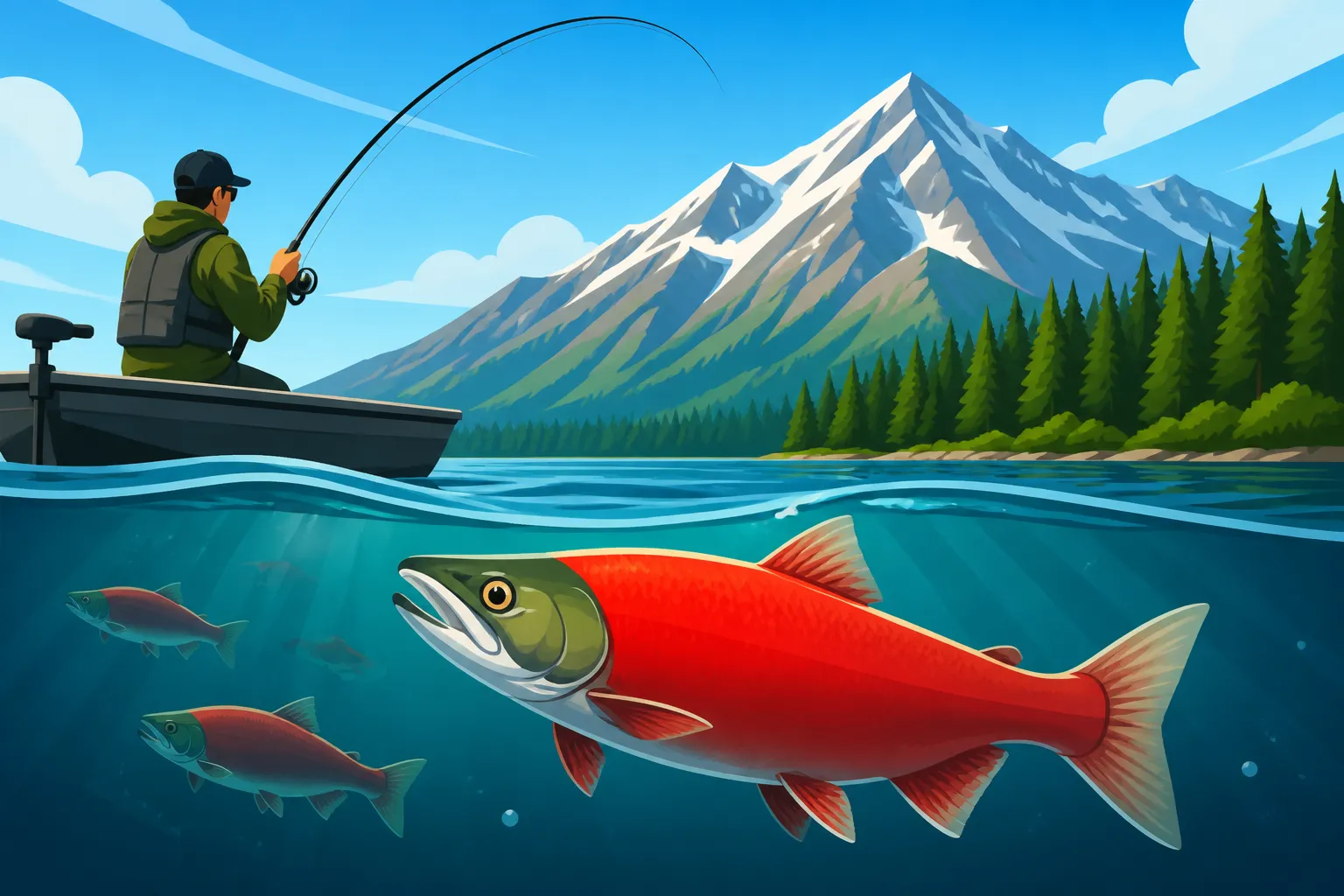
Wallowa Lake is truly a sight to behold, often called the "Switzerland of Oregon" due to its dramatic, glacier-carved peaks rising directly from its shores. But beyond its stunning beauty, it's an ecological powerhouse for kokanee. These landlocked sockeye salmon, famed for their vibrant red flesh and delicate flavor, absolutely flourish in the cold, oxygen-rich waters that this deep lake provides. They feed primarily on zooplankton, tiny aquatic organisms that are abundant in Wallowa Lake's nutrient-rich environment. This consistent food source helps them grow to a respectable size, making them a prized catch for many anglers.
The lake's unique characteristics—its depth, water clarity, and thermal stratification—create the ideal conditions for kokanee throughout their life cycle. Unlike their ocean-going sockeye cousins, kokanee never leave freshwater, completing their entire lives within the lake's confines. This means that understanding Wallowa Lake's specific dynamics is paramount to success. While other Oregon lakes might hold kokanee, Wallowa Lake has developed a well-deserved reputation for producing not just good numbers, but often larger-than-average kokanee, drawing dedicated anglers from all corners of the state and beyond.
Understanding Wallowa Lake Kokanee
To consistently catch kokanee at Wallowa Lake, you've got to think like a kokanee – or at least understand their basic biology and behavior. These fish, being plankton eaters, are constantly on the move, chasing their food source through the water column. Their diet of zooplankton means they don't respond to typical "fish" baits like worms or cut bait. Instead, they're drawn to small, flashy lures often tipped with something colorful and scented, mimicking their tiny food or triggering an aggressive strike. They tend to school up, sometimes in massive, dense balls, which makes finding one fish often means finding many.
The size of kokanee in Wallowa Lake can vary season to season and year to year, largely depending on stocking levels, available forage, and environmental conditions. Generally, you can expect to encounter fish ranging from 10 to 16 inches, with some lucky anglers hooking into larger specimens, particularly as the season progresses. These larger fish are usually older, nearing their spawning cycle. If you're curious about the potential size, you might want to delve into specifics like How big do kokanee get at Wallowa Lake for detailed historical data and expectations. Knowing these nuances helps you appreciate each catch and adjust your expectations accordingly.
Essential Gear and Techniques for Wallowa Lake Kokanee
When it comes to kokanee fishing on Wallowa Lake, you can throw out many of the conventional fishing ideas you might have for trout or bass. Kokanee are a different beast entirely, requiring specialized gear and a methodical approach. The frustration of trying to catch them with the wrong setup is real, and it’s something many anglers experience before they get dialed in. But don't worry, with the right equipment and a little patience, you'll be well on your way to success.
The Trolling Advantage: Setting Up Your Spread
Without a doubt, trolling is the most effective method for consistently catching kokanee at Wallowa Lake. These fish are often suspended in the water column, far from shore and not necessarily near any visible structure. Trying to cast to them from shore or anchor up and still-fish is generally an exercise in futility. Trolling allows you to cover vast amounts of water and present your lures at precise depths where the kokanee are feeding. For beginners, the amount of specialized gear can feel overwhelming, but once you understand the purpose of each component, it all clicks into place.
The cornerstone of any serious kokanee trolling setup is the downrigger. These devices are absolutely crucial for getting your lures down to the depths where kokanee are holding, which can often be anywhere from 20 to 60 feet, or even deeper, depending on the time of year and water conditions. A downrigger uses a heavy ball weight on a cable to carry your fishing line (which is temporarily clipped to the downrigger release) to a predetermined depth. When a fish strikes, your line pops free from the clip, allowing you to fight the fish directly without the weight of the downrigger ball. Without a downrigger, consistently hitting these depths and staying there is nearly impossible, leading to missed opportunities.
Next in your trolling spread are dodgers and flashers. These are not lures themselves, but rather attractors designed to draw kokanee in from a distance and impart an irresistible action to your actual lure. Dodgers have a wide, erratic side-to-side wobble, while flashers rotate. Both are designed to mimic the flash of schooling baitfish and create vibrations in the water that kokanee detect. Popular colors often include chrome, various shades of pink, green, orange, or a combination thereof. The specific color choice can make a huge difference on any given day, so it’s wise to carry a variety. The leader from your dodger or flasher to your actual lure is critically important, typically ranging from 8 to 24 inches. This short leader ensures the lure gets the full, enticing action from the attractor. As for line, many anglers prefer monofilament for its stretch, which helps absorb the sudden surges of a kokanee, while others opt for fluorocarbon leaders for their invisibility underwater.
Lures, Baits, and Scents that Tempt Kokanee
Once you have your downrigger and attractors sorted, it's time to talk about what actually catches the fish. Kokanee are drawn to small, vibrant lures that mimic their planktonic food or trigger their predatory instincts. Hooches, which are small, soft plastic squid skirts, are perennial favorites due to their subtle action and ability to hold scent. Small spoons, such as the classic Apex or Dick Nite dodger-and-spoon combos, also work exceptionally well, providing a tantalizing flutter. Wedding rings, often adorned with beads and a small spinner blade, are another tried-and-true option that has fooled countless kokanee. For more inspiration on effective attractors, consider exploring Best Lures for Oregon Salmon Fishing, as many techniques overlap with kokanee.
Now, for the secret sauce: bait. While lures attract, a tiny piece of bait often seals the deal. The undisputed king of kokanee baits is shoepeg corn. This specific type of corn is small, firm, and has a unique texture that kokanee seem to love. It's almost always dyed in bright colors like pink, green, or orange and infused with powerful scents. You'll typically thread a few kernels onto the hook of your lure, ensuring it doesn't impede the lure's action. The scent is absolutely critical; kokanee have an incredibly keen sense of smell. Popular choices include garlic, anise, or more specialized "Bloody Tuna" or "Kokanee Killer" scents. These scents disperse in the water, creating a scent trail that kokanee follow right to your lure.
While trolling dominates, jigging can be a surprisingly effective secondary technique, especially if you're marking dense schools of kokanee directly beneath your boat on your fish finder. Small jigs, typically 1/8 to 1/4 ounce, often in metallic or glow-in-the-dark finishes, can be dropped down into the school. Tungsten jigs are popular due to their small profile and heavy weight, allowing for a fast descent. A subtle lift-and-drop motion is usually all it takes to trigger a strike. However, trolling remains the primary strategy for covering water and actively seeking out the schools.
Here’s a quick overview of essential kokanee gear for your Wallowa Lake adventure:
| Item | Description | Key Features |
|---|---|---|
| Rod & Reel | Light to medium-light action trolling rod (7-8.5 ft) with a sensitive tip. Levelwind reel with line counter. | Sensitive tip for detecting light bites; line counter for precise depth control; smooth drag. |
| Main Line | 10-15 lb monofilament or braided line with fluorocarbon leader. | Monofilament for stretch; braid for sensitivity; fluorocarbon for invisibility. |
| Downriggers | Manual or electric downriggers with 6-10 lb cannonballs. | Essential for precise depth control; quick release clips. |
| Dodgers/Flashers | Various sizes and colors (e.g., chrome, pink, green, orange, chartreuse). | Attracts fish from a distance; imparts action to lures; choose based on water clarity and light conditions. |
| Lures | Small hoochies (squid skirts), wedding rings, small spoons (e.g., Apex, Dick Nite). | Imitate plankton or small baitfish; vibrant colors; small profile. |
| Bait | Shoepeg corn (dyed various colors: pink, green, orange). | Small, firm texture; holds scent well; highly attractive to kokanee. |
| Scent | Garlic, anise, Bloody Tuna, Kokanee Killer. | Enhances lure attraction; masks human odors; apply frequently. |
| Electronics | Fish finder/sonar with GPS. | Locates fish schools and depth; tracks trolling paths; essential for efficiency. |
| Net | Long-handled, rubberized landing net. | Prevents hooks from tangling; gentle on fish (especially if releasing); extends reach. |
| Cooler/Ice | Well-insulated cooler with plenty of ice. | Preserves freshness of catch; kokanee are delicate. |
Timing Your Trip and Locating the Schools
Knowing what to use is only half the battle; knowing when and where to use it is just as crucial. Kokanee are highly influenced by water temperature, light conditions, and the availability of their food source, meaning their location and preferred depth can change dramatically throughout the day and the season. This dynamic nature can be frustrating, but with a bit of insight, you can significantly increase your chances of success.
Seasonal Success Strategies
Wallowa Lake offers kokanee fishing throughout much of the open season, but understanding the subtle shifts in their behavior can make a world of difference. Your approach in May will be quite different from your approach in August. It's a dance with nature, and the kokanee set the rhythm. For a general overview, checking Oregon Fishing Season Dates and Limits is always a good starting point, but let's dive into the specifics for kokanee.
Spring (April-June): As the waters of Wallowa Lake begin to warm after the long winter, kokanee often move into shallower areas, especially bays and flats, where plankton blooms are starting. They might be found in the top 20-40 feet of the water column. This is a fantastic time for active fish, and you might even have success trolling with less weight, or in some cases, even without downriggers if they are really high in the water column. The weather can be unpredictable, so be prepared for a mix of conditions. Early morning and late evening can be particularly productive as the light is low.
Summer (July-August): This is typically peak season for kokanee on Wallowa Lake. However, as air and surface water temperatures climb, the kokanee will retreat to deeper, cooler, more oxygenated water. This is when your downriggers become absolutely indispensable. You'll often find them suspended over the deepest parts of the lake, sometimes 40, 60, or even 80 feet down. Don't be afraid to experiment with depth; a mere 5-10 foot difference can be the key to finding the schools. Early mornings are still prime, but successful fishing can extend throughout the day if you're hitting the right depths. Understanding the overall Best Time of Year to Fish in Oregon can help you plan your visit for optimal conditions.
Fall (September-October): Leading up to their spawning cycle, kokanee can become incredibly aggressive. They'll often move shallower again before heading towards their spawning grounds, which are usually tributary streams or shallow shoals within the lake. While they can be very active, many anglers transition to targeting other species during this time, or practice strict catch-and-release for kokanee as their flesh quality deteriorates significantly closer to spawning. Remember, kokanee are semelparous, meaning they spawn once and then die shortly after. Always check current regulations regarding fall kokanee, as rules can change.
Finding the Fish on Wallowa Lake
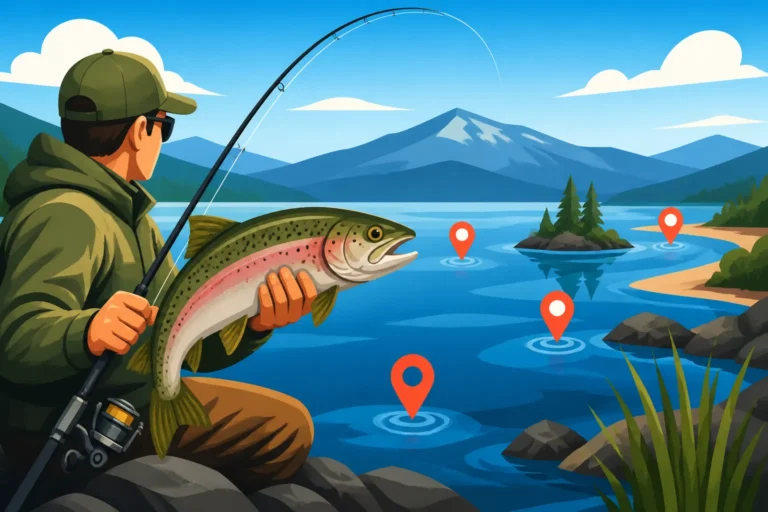
Locating kokanee on Wallowa Lake requires patience and, most importantly, good electronics. A reliable fish finder (sonar) with GPS is no longer a luxury but a necessity for serious kokanee anglers. You'll be looking for tell-tale signs on your screen: dense balls of bait (which could be the plankton they're feeding on, or even the kokanee themselves tightly schooled) or individual fish arches suspended in open water. Learn to differentiate between bottom-hugging fish and the mid-water suspended schools of kokanee. The GPS component is vital for marking where you found fish and for setting up precise trolling passes.
As for where to look on Wallowa Lake, kokanee are typically found in the main basin of the lake, away from the immediate shorelines. They prefer the open water where they can chase plankton schools. Common starting points include the large, open areas in the middle of the lake, or near popular access points like the Wallowa Lake State Park, which offers convenient boat launches. Don't get fixated on structure; kokanee are pelagic, meaning they live in the open water, not typically hugging underwater features like ledges or drop-offs, although they may pass over them.
Finally, trolling speed is a critical factor for kokanee. They are notoriously finicky about presentation. Generally, a slow troll from 1.0 to 1.8 MPH is the sweet spot, but this can vary depending on the lure, conditions, and the mood of the fish. Pay close attention to your speed, and don't be afraid to make subtle adjustments. If you're marking fish but not getting bites, try speeding up or slowing down by just 0.1 or 0.2 MPH. This precise control over your presentation is often what separates a good day from a frustrating one. For more expert advice on this, check out Best trolling speed for kokanee. Remember, before heading out, ensure you've got your Oregon Fishing License Guide in hand and you've reviewed the latest Oregon Fishing Regulations Explained. This due diligence ensures a responsible and enjoyable outing. If you're without a boat, consider a local guide; many can be found on platforms like FishingBooker.
Planning Your Wallowa Lake Kokanee Adventure
A successful fishing trip, especially to a destination as specific as Wallowa Lake for kokanee, involves more than just knowing how to fish. It’s about being prepared, understanding the rules, and maximizing your overall experience. Taking a moment to plan ahead can make all the difference between a memorable adventure and a day filled with avoidable headaches.
Licenses, Regulations, and Responsible Angling
Before you even think about dropping a line into Wallowa Lake, it's absolutely crucial to have your Oregon fishing license. Anyone aged 12 and older needs one, so make sure everyone in your party is covered. You can typically purchase these online through the Oregon Department of Fish and Wildlife (ODFW) website, or at many local tackle shops, sporting goods stores, or even some marinas around the lake. Having your Oregon Fishing License Guide information handy before you go is always a good idea.
Beyond the general license, be sure to familiarize yourself with the specific bag limits and size restrictions for kokanee at Wallowa Lake. These regulations can, and do, change periodically based on fish populations and conservation efforts. What was true last year might not be true this year. Always consult the most current ODFW regulations pamphlet or their website before your trip. Additionally, understanding Oregon Catch Record Card Requirements is important, as certain salmon and steelhead species require these for harvest tracking. While kokanee typically don't require a separate tag like Chinook or steelhead, it's always best to be informed.
Responsible angling extends beyond just legal compliance. If you're practicing catch-and-release, handle the fish as little as possible, with wet hands, and release them quickly. For kokanee you intend to keep, get them into a cooler with ice immediately. Their flesh is delicate and can spoil quickly if left exposed to sun or warm air. This not only preserves their delicious flavor but also shows respect for the resource.
Maximizing Your Experience
Fishing Wallowa Lake isn't just about the fish; it's about soaking in the incredible natural beauty of the region. The Wallowa Mountains provide a stunning backdrop, making even a slow fishing day feel like a wilderness escape. Take time to enjoy the views, the clean air, and the tranquility. Consider combining your fishing trip with other activities like hiking, paddleboarding, or exploring the charming towns of Joseph and Enterprise, which are just a short drive away.
If you're new to kokanee fishing, or new to Wallowa Lake specifically, seriously consider hiring a local fishing guide. They possess an intimate knowledge of the lake, current fish patterns, and the subtle nuances of kokanee behavior that can take years to learn on your own. A guide can accelerate your learning curve, put you on fish faster, and ensure you're using the most effective techniques. Platforms like FishingBooker are excellent resources for finding reputable, experienced guides specializing in Wallowa Lake kokanee. Many guides even provide all the necessary gear, which can be a huge advantage for beginners or those traveling light.
For accommodations, the towns of Joseph and Enterprise offer a variety of options, from cozy bed and breakfasts to full-service hotels and cabin rentals. Many of these establishments are well-acquainted with anglers and might even offer early breakfast hours or freezer space for your catch. Some local resorts even have their own fishing charters or can recommend trusted guides. When planning, you might also find local fishing chatter or forums that provide up-to-the-minute tips and conditions. To get an even broader sense of fishing opportunities in the area, a good resource to consult is the general Wallowa Lake Fishing Guide. Remember, kokanee can be finicky, so adaptability is key. Don't be afraid to experiment with different lures, depths, and trolling speeds. Sometimes, that slight adjustment is all it takes to turn a quiet morning into a memorable day of catching. Knowing How to Fish for Kokanee in Oregon broadly will give you a solid foundation, and these specific tips will help you tailor it to Wallowa Lake.
Disclaimer
Please be aware that fishing regulations, seasons, and bag limits are subject to change. Always consult the most current Oregon Department of Fish and Wildlife (ODFW) regulations before heading out on your fishing trip. The information provided here is for general guidance and informational purposes only.