Best walleye fishing spot in Oregon
Finding really good walleye fishing in Oregon can feel like trying to find a needle in a haystack, especially when the state is so famous for its salmon and steelhead runs. Many anglers get frustrated bouncing from one promising-sounding spot to another, only to come up short. If you're tired of the guesswork and want to cut straight to where the action is for Oregon's elusive walleye, this comprehensive guide will walk you through the undisputed champion spot and give you the ins and outs of hooking into these toothy predators.
The Undisputed Walleye King: Oregon's John Day River
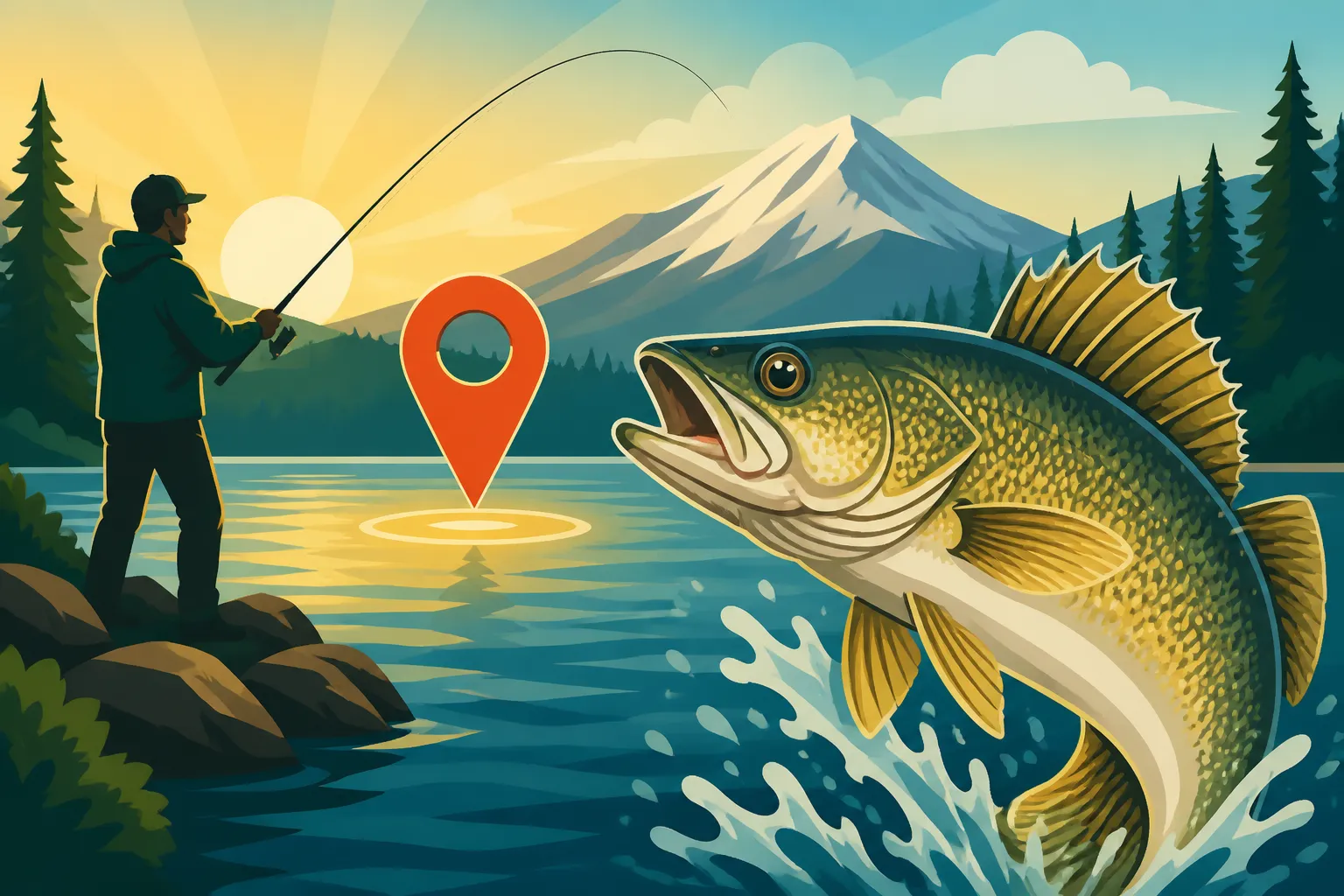
When it comes to the best walleye fishing in Oregon, there's one place that stands head and shoulders above the rest: the John Day River. This incredible waterway, particularly its lower reaches before it meets the Columbia River, holds the most consistent and often the most productive walleye fishery in the state. It’s a true gem for those who know about it, offering a unique angling experience away from the typical crowds.
A Thriving, Self-Sustaining Population
What makes the John Day River such a powerhouse for walleye? Well, unlike many fisheries where populations might be dwindling or heavily reliant on stocking, the John Day boasts a robust, self-sustaining walleye population. The river's natural characteristics provide an ideal environment for walleye to thrive, reproduce, and grow to impressive sizes. We're talking about a healthy ecosystem where these fish can complete their entire life cycle without human intervention, which is a rare and beautiful thing.
This isn't just a handful of fish that snuck in; it's a bonafide walleye stronghold. The turbidity of the water, the abundance of forage, and the varied structure (like rocky ledges, submerged timber, and deep pools) all contribute to creating a perfect home for walleye. You're not just hoping to catch one stray fish; you're entering a system where a solid day of fishing can yield multiple hookups, sometimes even trophy-sized individuals. Anglers who consistently target walleye here often speak of days where they've landed dozens, which is practically unheard of in most other Oregon waters.
Prime Access Points Along the River
Accessing the lower John Day River for walleye fishing usually means getting on the water with a boat, ideally a jet boat due to shallow sections and rapids, though drift boats can work in specific stretches. Key areas to focus on are generally from Cottonwood Bridge downstream to the confluence with the Columbia. This stretch offers a mix of deep holes, current breaks, and varied structure that walleye absolutely love.
Popular launch points include Cottonwood Bridge, Thirtymile Creek, and Philippi Canyon. These spots get you into the heart of prime walleye territory. However, it's crucial to understand that the John Day is a wild river, and conditions can change rapidly. Always check current river flows and weather forecasts before heading out. For a truly immersive experience, many anglers will make a multi-day trip, camping along the river or staying at nearby lodges, allowing ample time to explore different sections and dial in the bite. If you're not familiar with the river or want to maximize your chances, considering a guided trip booked through platforms like FishingBooker can be incredibly beneficial. A local guide can navigate the tricky waters and put you right on the fish.
Why the John Day River is a Walleye Haven
The John Day River isn't just a good spot; it's the good spot. There are very specific reasons why this river has become the premier walleye destination in Oregon, reasons that go beyond mere chance.
Ideal Habitat and Forage Abundance
Walleye are ambush predators that prefer low-light conditions and structure. The John Day River delivers on both fronts. Much of the river, especially the lower sections, has a natural turbidity that diffuses sunlight, making walleye more active throughout the day. This isn't crystal-clear trout water; it's murkier, warmer water that walleye adore.
Beyond the water clarity, the river's structure is phenomenal. You'll find a mix of rocky bottoms, ledges, submerged boulders, current seams, and deep scour holes. These features provide perfect ambush points for walleye to hide and wait for unsuspecting prey. And speaking of prey, the John Day is teeming with it. From juvenile smallmouth bass and various minnows to abundant crayfish and even migrating shad, there's a smorgasbord for walleye to feast upon. This rich food source allows walleye to grow quickly and reach impressive sizes. Knowing What do walleye eat in Oregon reservoirs can give you an edge in selecting your baits.
Less Pressure, More Opportunity
One of the often-overlooked benefits of fishing the John Day for walleye is the relatively low fishing pressure compared to other major fisheries in Oregon. While the Columbia River sees heavy traffic for salmon and steelhead, and many Oregon lakes are packed with trout anglers, the John Day's walleye fishery remains somewhat of a niche pursuit. This isn't to say you'll have the river entirely to yourself, especially on prime weekends, but you're far less likely to contend with wall-to-wall boats than you would on, say, the lower Columbia during a salmon run.
Oregon's fishing scene generally focuses on anadromous species and trout, meaning walleye often get overlooked. This lower pressure allows the walleye population to flourish without excessive angling mortality, contributing to both numbers and size. Additionally, unlike some invasive species that Oregon actively seeks to remove, walleye here are simply a part of the ecosystem, and there aren't state-sponsored eradication efforts. This ensures a stable and productive fishery for those dedicated enough to pursue them. The relatively remote nature of some stretches also keeps casual anglers away, making it a true destination for dedicated walleye enthusiasts. If you're looking for a peaceful yet productive fishing trip, the John Day offers a fantastic escape.
Strategies for Hooking Walleye on the John Day
Now that you know where to go, let's talk about how to catch these elusive, delicious fish. Walleye can be particular, but with the right techniques and understanding of their behavior, you can have some truly memorable days on the John Day.
Best Techniques and Baits
Walleye respond well to a variety of techniques, but some stand out as particularly effective on the John Day.
- Jigging: This is arguably the most popular and effective method. Tipping jigs with soft plastics (grubs, paddle tails), a piece of nightcrawler, or even dead bait can be deadly. Look for jigs in the 1/4 to 1/2 ounce range, depending on current and depth. Bounce them along the bottom, mimicking a wounded baitfish or crayfish. Colors like chartreuse, white, and darker purples or blues often work well in the John Day's water.
- Trolling: For covering water, especially in deeper, slower sections, trolling crankbaits or worm harnesses is highly effective. Use diving crankbaits that reach the depth where walleye are holding, typically near the bottom. Colors that imitate baitfish (silver, perch patterns) or bright, contrasting colors can be excellent. Worm harnesses, often with a bottom bouncer, are classic walleye presentations, especially with a juicy nightcrawler.
- Drift Fishing: Similar to jigging, but allowing the current to carry your bait. A simple lead-head jig with a soft plastic or a worm can be very effective when drifting through known walleye haunts. This method allows you to present your bait naturally as it tumbles along the bottom.
When it comes to bait, live nightcrawlers are always a top choice. They are universally loved by walleye. Cut bait, particularly pieces of shad or other oily fish, can also be very effective, especially for larger fish. For lures, remember that walleye have excellent low-light vision, so contrasting colors and lures with good vibration or flash are key. Check out a general Oregon Bait and Lure Guide for more ideas, but always tailor your selection to walleye specifics.
Navigating the Seasons for Success
Understanding the seasonal movements of walleye on the John Day is crucial for consistent success.
- Spring (March-May): This is often considered prime time. Walleye move into shallower areas to spawn, and then aggressively feed post-spawn. Look for them in areas with rocky bottoms and slightly slower currents. The spring bite can be fast and furious, especially from late April through May.
- Summer (June-August): As temperatures rise, walleye tend to move deeper, seeking cooler water and congregating around structure. Early mornings and late evenings often provide the best bite. During the day, targeting deep holes and shaded areas with jigs or downrigged crankbaits can still produce.
- Fall (September-November): Another fantastic time to fish. Walleye gorge themselves in preparation for winter, becoming very active. They'll often be found in similar locations to spring, moving shallower to feed. This is when some of the biggest walleye are often caught.
- Winter (December-February): While challenging due to cold weather and often higher, murkier water, dedicated anglers can still find walleye. They'll be much slower and deeper. Vertical jigging in deep holes is typically the most effective method, though patience is key.
Remember to always check the latest Oregon Fishing Season Dates and Limits for specific regulations, as they can sometimes vary by water body.
Essential Gear and River Navigation
Fishing the John Day River effectively, especially for walleye, requires specific gear and an understanding of river navigation.
- Boat: As mentioned, a jet boat is often preferred due to the John Day's shallow and rocky sections, particularly upstream of Tumwater Falls. A drift boat can be used in certain stretches, but a motor provides more flexibility for covering water and maneuvering against current. Always prioritize safety and navigate with caution, especially if you're new to the river.
- Rods and Reels: Medium-heavy spinning or baitcasting rods (6'6" to 7'6") with a fast action are ideal for jigging and trolling. Pair them with reels spooled with 10-15 lb braided line, which offers sensitivity for detecting subtle walleye bites, especially in current. A fluorocarbon leader (8-12 lb test) is highly recommended for its abrasion resistance and low visibility.
- Electronics: A good fish finder with down imaging or side imaging can be a game-changer. It helps locate structure, baitfish schools, and even individual walleye holding tight to the bottom. GPS is also invaluable for marking productive spots and navigating safely.
- Safety Gear: Life jackets are a must for everyone on board. Bring extra fuel, emergency repair kits, first-aid supplies, and plenty of water. Cell service can be spotty in remote sections, so a satellite messenger or emergency beacon is a wise investment.
For those planning an extended trip, remember to check current weather conditions and be prepared for anything, as eastern Oregon can experience dramatic temperature swings. If you're new to the John Day, consider booking a trip with one of the experienced Oregon Fishing Guide Services that specialize in walleye, which can be found via platforms like FishingBooker. They can provide the necessary boat and expertise.
Other Potential Walleye Spots (and why they're not the John Day)
While the John Day River is undoubtedly the best, it's fair to acknowledge that walleye can be found in other parts of Oregon, albeit in much lower concentrations and with less consistency. If you're exploring the broader Oregon Fishing Zones Explained, you might encounter them, but don't expect John Day-level action.
Columbia River and its Tributaries
The Columbia River, particularly its mainstem pools like the McNary Pool, The Dalles Pool, and John Day Pool, does hold walleye. These fish migrated into the Columbia system from the east decades ago and established populations. Some of the Best Places to Fish in Oregon on the Columbia are known for various species, and walleye can be a bonus catch for anglers targeting other fish. However, they are generally less concentrated than in the John Day, and the sheer size of the Columbia makes locating them more challenging.
Walleye in the mainstem Columbia tend to be widely dispersed, and you often have to work harder to find them. They'll usually be found in similar habitats to the John Day—around current breaks, submerged structure, and deeper channels. Anglers targeting them here often use similar techniques like jigging, trolling, and drift fishing, but success rates can be more hit-or-miss. While the Columbia is a fantastic fishery for salmon, steelhead, and sturgeon (and you might even need an Oregon and Washington License Reciprocity on the Columbia if fishing certain areas), it's not the primary go-to for consistent walleye action.
Eastern Oregon Reservoirs
You might occasionally hear whispers of walleye in some eastern Oregon reservoirs. Places like the Prineville Reservoir or Owyhee Reservoir could potentially hold a few, but they are not known for established, prolific walleye fisheries. Any walleye caught in these waters are typically incidental catches while targeting bass or other warmwater species.
The conditions in most of these reservoirs simply aren't as ideal or consistent for walleye as the John Day. They might lack the consistent forage base, the preferred water conditions, or sufficient breeding habitat to support a thriving population. So, while it's not impossible to catch a walleye in these spots, your chances are significantly lower, and it's certainly not where you'd go if walleye was your primary target. If you're interested in Oregon Warmwater Fish Species, these reservoirs offer plenty of action for bass, crappie, and perch, but for walleye, stick to the John Day. For those looking to fish multiple species or explore diverse waters, ensure you have your Oregon Annual Angling License in order.
Comparing Walleye Spots in Oregon
To give you a clearer picture, here's a quick comparison of the John Day River with other potential walleye locations in Oregon:
| Feature | John Day River | Columbia River (Pools) | Eastern Oregon Reservoirs |
|---|---|---|---|
| Walleye Population | Robust, self-sustaining, high density | Present, but more dispersed; lower density | Sparse, incidental catches; not a primary target |
| Consistency | High; best chance for multiple catches and trophy fish | Moderate to low; can be hit or miss | Very low; rare to specifically target walleye here |
| Primary Fishing | Walleye | Salmon, Steelhead, Sturgeon (Walleye incidental) | Bass, Crappie, Perch (Walleye incidental) |
| Habitat | Turbid, structured, varied current | Large, deep channels; significant current breaks | Varied, but often clearer; less ideal walleye structure |
| Access | Primarily boat (jet boat preferred), some bank | Excellent boat access, abundant bank access | Good boat and bank access |
| Overall Rating | ⭐⭐⭐⭐⭐ | ⭐⭐ | ⭐ |
It's clear that if walleye is your target species in Oregon, the John Day River should be your first and likely only serious consideration for a dedicated trip. It's truly a special place for this particular fish.
Disclaimer
Please remember that fishing regulations, seasons, and access can change. Always consult the latest Oregon Department of Fish and Wildlife (ODFW) regulations before heading out on any fishing trip. Be aware of local conditions, practice responsible angling, and prioritize safety.