Rogue River float fishing trip length
Trying to figure out how long a float trip on the legendary Rogue River will take can feel like a guessing game, especially if you're new to river adventures or just trying to plan your precious time off. It’s not as simple as checking a map and multiplying by a fixed speed; there are so many variables at play. This guide aims to pull back the curtain on those factors, giving you a clear picture of what to expect so you can plan the perfect Rogue River float, whether it's for an afternoon of fishing or a multi-day wilderness immersion.
Understanding What Shapes Your Rogue River Float Trip Length
The Rogue River is a true gem, offering everything from serene floats to thrilling whitewater. But because it's so diverse, pinning down an exact float time for any given stretch isn't straightforward. Several dynamic elements come into play, influencing how quickly or slowly you'll move downriver.
River Conditions and Flow Rates
One of the biggest factors in determining your float trip length is the river's condition, specifically its flow rate. The Rogue River, like many others in Oregon, experiences significant variations throughout the year. During late spring and early summer, snowmelt often swells the river, leading to higher, faster flows. This means you'll cover more distance in less time, sometimes quite dramatically. A section that might take you an entire day in lower water could be completed in half that time when the river is running high.
Conversely, as summer progresses and into the fall, the river flow tends to decrease. Lower water levels mean slower currents, exposing more rocks and requiring more careful navigation, especially if you're in a raft or drift boat. What was a smooth, swift passage a few months prior might now be a slower, more technical float, increasing your overall trip duration. Always check the U.S. Geological Survey (USGS) gauges or call local outfitters for the most current flow data for the specific section you plan to float; this information is absolutely critical for accurate planning. Ignoring current conditions can lead to misjudging your float time significantly, potentially leaving you on the river after dark or struggling against unexpected challenges.
Your Pace and Activity Level
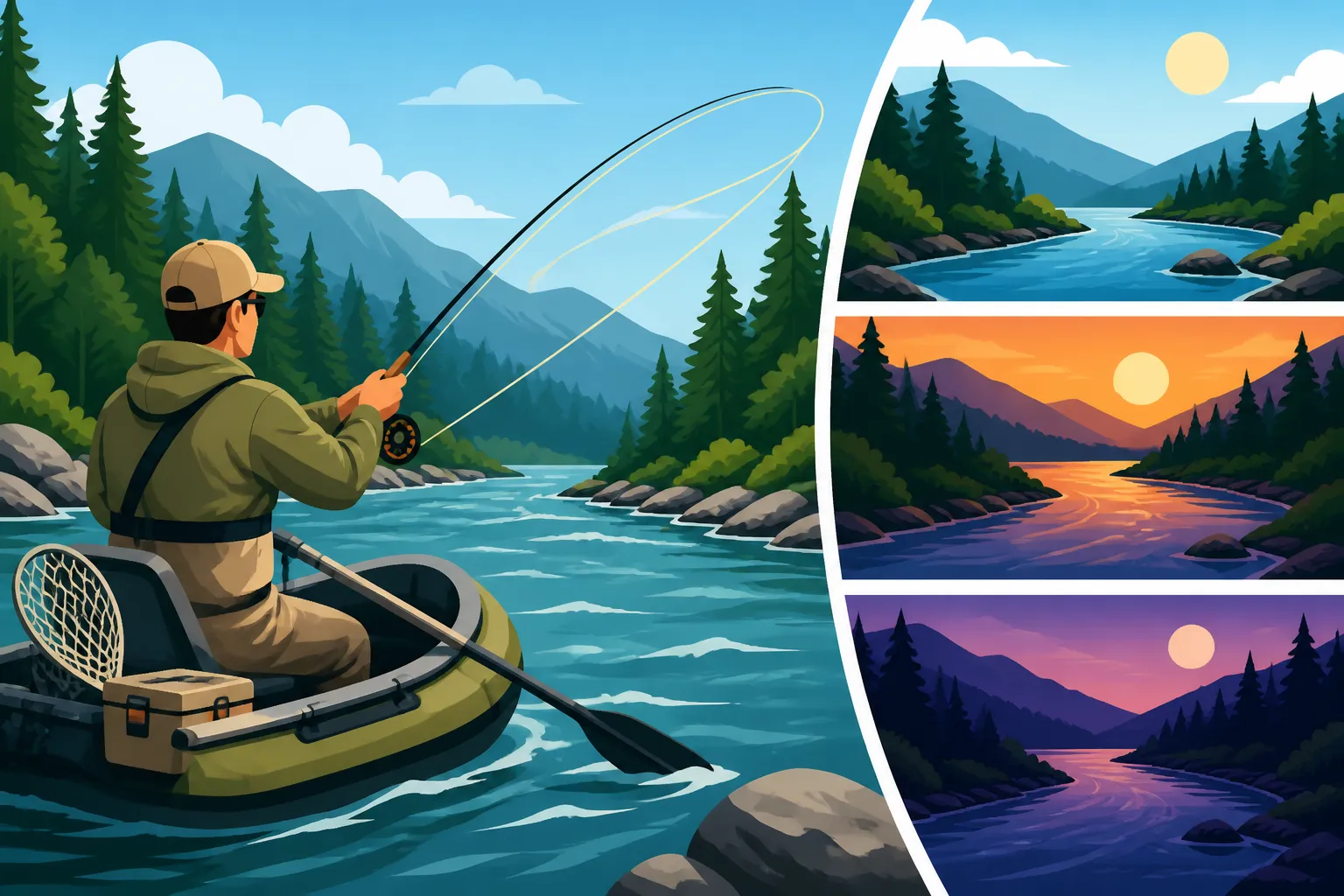
Beyond the river itself, your personal approach to the float will heavily dictate its length. Are you a hardcore angler, stopping to meticulously fish every promising seam and eddy? Or are you more interested in a scenic cruise, perhaps pausing for a picnic, a swim, or to simply soak in the breathtaking surroundings? If your primary goal is to spend hours casting for Rogue River Fishing Guide steelhead or salmon, you'll naturally cover less distance per day than someone paddling continuously. Anglers often factor in extra time to work specific runs or pools, sometimes even anchoring for an hour or more in a particularly productive spot.
Similarly, if you're planning a multi-day trip, how often you stop to explore side trails, set up camp early, or simply relax by the riverside will add to your total trip length. A family with young children might opt for shorter paddling days and more time at camp, while a group of experienced whitewater paddlers might push harder to cover more miles. Even photographic opportunities can add significant time; the Rogue's stunning scenery, from its verdant canyons to its abundant wildlife, is constantly calling for a pause to capture the moment. It's truly a choose-your-own-adventure scenario, and your choices directly impact the clock.
The Specific Stretch of River
The Rogue River is generally divided into several distinct sections, each with its own character, access points, and, consequently, its own typical float durations. The "Upper Rogue" above Grants Pass is often narrower and more intimate, while the famous "Wild and Scenic" section below Grave Creek is a wilderness experience with varying levels of whitewater. Some stretches are relatively short and calm, perfect for a half-day outing, while others are sprawling and remote, necessitating multiple days and careful logistical planning.
For instance, the stretch through Hellgate Canyon near Grants Pass is popular for shorter, guided jet boat tours and half-day floats due to its accessibility and unique rock formations. Further downstream, the designated Wild and Scenic section between Grave Creek and Foster Bar is a multi-day endeavor by design, with few take-out points and regulations aimed at preserving its wilderness character. Knowing which section you're interested in is the first step in understanding the potential float length. Each segment presents its own unique challenges and rewards, making it essential to match your experience and desired trip length to the river's offerings.
Common Rogue River Float Trip Durations
When people talk about a Rogue River float trip, they could be referring to a quick half-day outing or a week-long wilderness expedition. The duration largely depends on the section of river chosen and the experience sought.
Day Trips
Many anglers and recreational paddlers opt for day trips on the more accessible sections of the Rogue River. These are fantastic for a quick getaway, offering a taste of the river's beauty without the commitment of an overnight stay. Popular day float stretches typically range from 5 to 15 miles and can take anywhere from 3 to 8 hours, depending heavily on the flow rates and how much you stop to fish or explore. For example, a common day float might be from Gold Hill to Valley of the Rogue State Park, a manageable stretch for many paddlers and a popular area for Oregon Trout Fishing Techniques.
Another well-loved day trip is through Hellgate Canyon, departing from Grants Pass. These guided tours or private floats are typically a few hours long, focusing on the scenic beauty and historical significance of the area, often including some light rapids. The key to a successful day trip is choosing a section with convenient put-in and take-out points that are easily serviced by a shuttle, allowing you to maximize your time on the water. These shorter floats are often ideal for beginners or families with younger children, providing a memorable experience without being overly strenuous.
Multi-Day Adventures
For those seeking a deeper immersion into the Rogue's wilderness, multi-day float trips are the ultimate experience. The most famous multi-day float is the 34-mile "Wild and Scenic" section, which typically takes 3 to 5 days to complete. This stretch, running from Grave Creek to Foster Bar, requires a permit during peak season (May 15 – October 15) due to its immense popularity and ecological sensitivity. These trips are full-on expeditions, involving camping along the river, navigating more significant rapids, and truly disconnecting from the outside world.
Beyond the Wild and Scenic section, other multi-day options exist, particularly for those combining fishing and camping. Some anglers might plan a 2-day float on the upper sections, camping at designated sites, to maximize their chances at specific fish runs or to access less crowded waters. These longer trips demand more thorough preparation, including detailed meal planning, appropriate camping gear, and a solid understanding of Oregon Fishing Regulations Explained and leave-no-trace principles. They offer unparalleled opportunities for solitude, wildlife viewing, and truly experiencing the wild heart of Oregon.
The "Wild and Scenic" Section
The Rogue River's Wild and Scenic section is a unique beast altogether, and its float trip length is practically enshrined by tradition and regulation. At 34 miles, from the infamous Grave Creek boat ramp to the take-out at Foster Bar, this is a commitment to a multi-day journey. While technically possible to rush through in two long, exhausting days during very high water, the spirit and regulation of the Wild and Scenic often guide paddlers towards a more leisurely 3 to 5-day pace. Most guided trips, for example, are structured as 4-day, 3-night expeditions, allowing ample time for whitewater thrills, excellent fishing for Oregon Salmon Fishing Techniques and Oregon Steelhead Fishing Techniques, exploration of historical sites, and evenings by the campfire.
The permit system, especially during the regulated season, often dictates camping options, meaning you'll have specific sites assigned for each night, further influencing your daily mileage and overall trip length. This section features iconic rapids like Blossom Bar and Mule Creek Canyon, which command respect and add to the adventure. Unlike shorter, more accessible stretches, floating the Wild and Scenic means you are committing to a true wilderness experience, where logistical planning, safety, and self-sufficiency are paramount. It's a journey, not just a float, and its length is designed to allow for that profound engagement with nature.
Planning Your Ideal Rogue River Float
Successful float planning, especially on a river as diverse as the Rogue, involves more than just picking a date. It's about understanding the logistics, preparing your gear, and aligning your expectations with the river's offerings.
Choosing Your Launch and Take-out Points
The starting and ending points of your float are paramount in defining its length and character. The Rogue River has numerous access points, but not all are suitable for every type of float. For example, if you're looking for a relatively short day trip near Grants Pass, you might put in at a launch like Gold Hill and take out at Valley of the Rogue State Park. This is a common and accessible stretch. However, for the Wild and Scenic section, your launch is almost exclusively at Grave Creek, and your take-out is Foster Bar, with few if any alternatives in between.
Consider the driving time to and from these points, especially if you're organizing your own shuttle. Many outfitters offer shuttle services where they move your vehicle from your put-in to your take-out location while you're on the river, which is a huge convenience, especially for multi-day trips. When you're researching potential guides, platforms like FishingBooker can often provide insights into popular put-in and take-out locations for various trips, helping you visualize the flow of your adventure. Carefully researching and selecting these points is the foundation of a well-planned trip.
Gear, Logistics, and Shuttle Services
Regardless of your chosen trip length, proper gear and logistical planning are non-negotiable for a safe and enjoyable Rogue River float. For day trips, essential items include appropriate watercraft (raft, drift boat, kayak, paddleboard), PFDs for everyone, water, snacks, sun protection, and a basic first-aid kit. For multi-day trips, the list expands significantly to include camping gear, cooking equipment, robust dry bags for all your belongings, and emergency communication devices. The river can be quite remote, particularly in its lower sections, so being self-sufficient is key.
Shuttle services are often the unsung heroes of float trips. Unless you have two vehicles and a very dedicated driver, you'll need to arrange for your car to be moved from your launch point to your take-out. Many local businesses, from dedicated shuttle companies to fishing outfitters, offer this service. Prices vary depending on the distance, but it's a worthwhile investment for peace of mind. For those embarking on the Wild and Scenic section, booking your shuttle well in advance, especially during peak season, is highly recommended. Some Oregon Fishing Guide Services will handle all of these logistics for you, making for a truly hassle-free experience.
Timing Your Trip
The time of year you choose to float the Rogue can dramatically alter not only the conditions but also the fish you might encounter. Spring (April-May) often brings higher water flows, cooler temperatures, and the chance for spring Chinook salmon. Summer (June-August) offers warmer weather, lower flows, and excellent opportunities for Oregon Bass Fishing Guide smallmouth bass and summer steelhead. Fall (September-October) is a prime season for fall Chinook salmon and winter steelhead, but flows will generally be lower, making for slower, more technical floats. You can find detailed information on Oregon Fishing Season Dates and Limits to help pinpoint the best time for your target species.
Consider the balance between water levels, weather, and your angling or recreational goals. If you're chasing trophy steelhead, you'll want to target specific run timings. If a leisurely family float with swimming is your priority, warmer summer months and moderate flows might be ideal. Be mindful of potential wildfires in late summer and early fall, as these can sometimes impact access or air quality. Checking the long-range weather forecast and current river conditions (as mentioned earlier) just before your trip is a crucial final step.
Key Rogue River Stretches and Estimated Float Times
Understanding the river in segments can help you tailor your experience. The Rogue offers diverse landscapes and challenges depending on where you put in.
Upper Rogue Fish Lake to Gold Hill
The uppermost stretches of the Rogue, particularly those originating from Fish Lake and flowing down towards Gold Hill, are generally less frequented by floaters compared to the more famous sections. This part of the river is often narrower and more intimate, with varying gradient. It’s characterized by smaller riffles and pools, making it excellent for wading anglers pursuing Oregon Trout Species Guide rainbow and cutthroat trout. Floating this section typically involves shorter, more technical maneuvers due to tighter channels and occasional logjams, especially after heavy rains.
While it's not a primary "float trip" destination in the traditional sense, short floats in rafts or drift boats can be done. A 5-10 mile float in this area might take a full day of careful navigation and fishing, particularly if you're focused on working the banks and slower seams. Access can be more sporadic, often requiring knowledge of local put-in spots. These segments are more often traversed by those looking for a quiet fishing experience rather than a long, scenic float, prioritizing the challenge of the fishing over covering extensive mileage.
Middle Rogue Gold Hill to Hellgate Canyon
This section is perhaps the most popular for casual day floats and short guided trips due to its accessibility and balance of scenic beauty with manageable rapids. From Gold Hill down to Hellgate Canyon (or through it to places like Grants Pass or Robertson Bridge), you're looking at a journey that can range from a half-day to a full day. A common float from Gold Hill to Valley of the Rogue State Park is approximately 8-10 miles and can take 4-6 hours at moderate flows, allowing for some fishing breaks or leisurely paddling.
The scenery here transitions from open valleys to more canyon-like features as you approach Hellgate. This area is home to abundant smallmouth bass, and during salmon and steelhead runs, it sees a lot of fishing activity. Guided jet boat tours frequently operate through Hellgate Canyon, offering a different perspective on the river and its history, usually lasting 2-4 hours. If you're bringing your own gear, be sure to confirm the public access points, as some areas may be private. It’s a fantastic section for families or those looking for a relatively easy and beautiful day on the water, without the need for multi-day planning or wilderness permits.
Lower Rogue Wild and Scenic Grants Pass to Foster Bar
This is the legendary multi-day wilderness experience that the Rogue River is famous for. Starting at Grave Creek (just downstream from Grants Pass), the Wild and Scenic section stretches 34 miles to Foster Bar. As previously mentioned, this journey is typically planned for 3 to 5 days, though it can technically be done faster or slower depending on conditions and personal preference. The sheer distance, combined with significant rapids like Rainie Falls, Mule Creek Canyon, and Blossom Bar, means this is not a short outing.
The beauty of this float isn't just in its length or its challenges; it's in the complete immersion. You'll pass historic lodges, see abundant wildlife, and truly feel disconnected from civilization. Camping is done on designated sites, and permits are required during peak season. A typical 4-day, 3-night trip allows for adequate time to navigate the rapids, explore side hikes, enjoy extended fishing sessions, and relax by the river each evening. This is the float trip that draws anglers and adventurers from around the globe, offering a profound connection to one of Best Places to Fish in Oregon's most iconic rivers.
| Rogue River Section | Typical Start/End Points | Approximate Miles | Estimated Float Time (Moderate Flow) | Key Features / Notes |
|---|---|---|---|---|
| Upper Rogue | Fish Lake to Gold Hill | Varies (short) | 1-2 Days (technical/fishing) | Narrow, technical, good for wading anglers. Less float-centric. Check access. |
| Middle Rogue Day Trip | Gold Hill to Valley of the Rogue | 8-10 Miles | 4-6 Hours | Popular, accessible, good for families and beginners. Smallmouth bass, seasonal salmon/steelhead. Shuttle services available. |
| Hellgate Canyon Scenic | Grants Pass area | 5-7 Miles | 2-4 Hours | Often done as guided jet boat tours or shorter floats. Scenic, historical, light rapids. |
| Wild & Scenic | Grave Creek to Foster Bar | 34 Miles | 3-5 Days | Famous wilderness float, multi-day camping required. Requires permits during peak season (May 15 – Oct 15). Class III-IV rapids, incredible fishing (Chinook, steelhead), wildlife. This is the full Rogue River Guide Trips experience for many. |
The Value of Experienced Guides
For those who are either new to the Rogue River, less experienced with multi-day float trips, or simply want to maximize their fishing time, hiring a local guide is an invaluable decision. An experienced Oregon Fishing Charter Guide or river guide intimately understands the nuances of the river: its ever-changing flows, the best fishing spots, the safest lines through rapids, and all the logistical headaches. They can accurately gauge trip length based on current conditions and your group's preferences.
Guides often provide all the necessary gear, including rafts, safety equipment, and even fishing tackle, simplifying your planning immensely. For multi-day trips on the Wild and Scenic section, they handle permits, meal preparation, and camp setup, allowing you to fully immerse yourself in the experience. If you're looking for an expert to lead the way and ensure a smooth, productive trip, especially for target species like salmon and steelhead, definitely consider a professional. Many reputable guides can be found through platforms like FishingBooker, where you can read reviews and compare services to find the perfect fit for your Rogue River adventure. Choosing a guide can transform a potentially stressful trip into a truly relaxing and rewarding one.
Disclaimer
Please note that fishing regulations, river conditions, and access points can change frequently. Always consult the latest Oregon Department of Fish and Wildlife (ODFW) regulations before planning any fishing or floating trip on the Rogue River. Safety should always be your top priority on the water.