Channel Catfish in Oregon
Many anglers in Oregon often overlook a truly exciting and accessible fishing opportunity, focusing instead on salmon, steelhead, or trout. But if you've ever felt the frustration of a slow day on the river or yearned for a powerful fight that doesn't require a pricey boat or specialized gear, you're missing out on the joy of pursuing channel catfish. This guide will dive deep into everything you need to know about targeting these whiskered warriors, from where to find them to how to cook them, opening up a whole new world of angling fun in our beautiful state.
Unraveling the Mystery of Channel Catfish in Oregon
For many, the mention of catfish conjures images of muddy Southern rivers, but these surprisingly widespread and robust fish have found a comfortable home in many parts of Oregon. They're a fantastic sport fish, offering a strong pull and often biting when other species are less cooperative, making them a great target for both seasoned anglers and newcomers alike.
What Makes a Channel Catfish Unique?
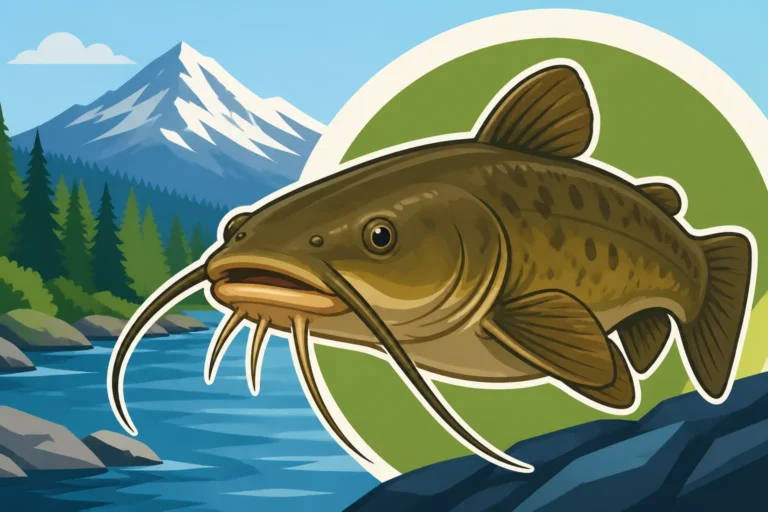
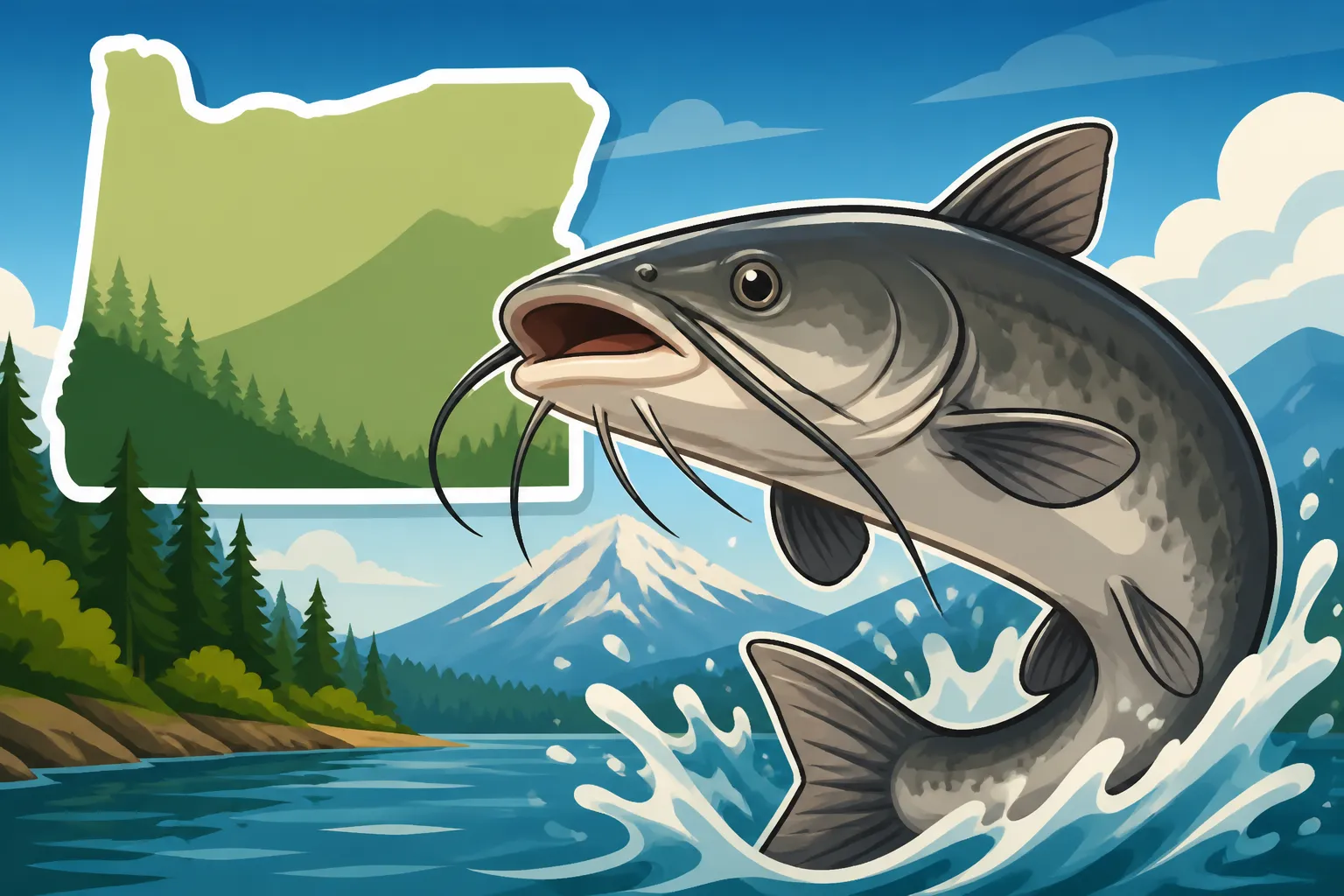
Channel catfish, or Ictalurus punctatus as they're known in scientific circles, are easily recognizable once you know what to look for. They typically have a sleek, slender body, much more streamlined than their bullhead cousins. Their most distinguishing features are their eight barbels (whiskers) around their mouths, which they use to taste and feel in murky waters. Coloration can vary, but they're often olive-green to gray on their backs, fading to silvery-white on their bellies, and younger fish usually have small, dark spots along their sides. These spots often fade as the fish grows older, which can sometimes lead to misidentification, especially if you're not used to seeing them.
Unlike some other native Oregon species that are quite picky, channel catfish are opportunistic feeders. This means they'll eat just about anything, from insects and crustaceans to smaller fish and even decaying organic matter. This adaptable diet makes them a relatively easy species to target with a variety of baits, which we'll get into later. They can grow quite large here in Oregon, often reaching impressive sizes that offer a truly memorable fight on the end of your line.
A Brief History: How They Got Here
Channel catfish are not native to Oregon. Their presence in our waters is a testament to human introduction, primarily for sport fishing and food. These fish were originally found throughout the central and eastern United States, and their hardiness and excellent table fare made them a popular choice for stocking programs across the country. In Oregon, introductions began many years ago, and they've since established self-sustaining populations in several major river systems and impoundments.
While some non-native species can cause ecological disruption, channel catfish generally coexist well within Oregon's aquatic ecosystems, primarily occupying niches in warmer, slower-moving waters where native salmonids might not thrive as much. This distinction is important, as understanding their historical context helps us appreciate their role in Oregon's diverse fishing landscape today. Knowing that they are an introduced species often means that regulations regarding them can be a bit more liberal than for sensitive native species, encouraging anglers to harvest them for food.
Prime Locations to Hook a Whiskerfish in Oregon
Finding channel catfish in Oregon is less about pristine, cold mountain streams and more about seeking out those warmer, often overlooked bodies of water that hold plenty of forage. They aren't going to be lurking in every tributary, so knowing where to focus your efforts is key to success.
Rivers and Reservoirs: Your Best Bets
When you're looking for channel catfish in Oregon, your sights should be set on the larger, slower-moving rivers and their associated reservoirs, particularly those that warm up nicely in the summer months. The Columbia River is a fantastic example, especially in its middle and lower reaches, as are its major tributaries that feature slower sections and backwaters. Areas with riprap, downed timber, or deeper holes tend to concentrate these fish. You'll often find them lurking near current breaks, where food washes by, but they don't have to fight the main flow.
Another prime location is the Willamette River system. While many people think of the Willamette for salmon and steelhead, its lower and middle sections, particularly around slower pools and bends, can be phenomenal for catfish. Reservoirs throughout the state, like Fern Ridge Reservoir near Eugene or Owyhee Reservoir in Eastern Oregon, are also known to hold strong populations. These larger impoundments offer extensive habitat and plenty of food sources for growing big catfish. For those interested in exploring these diverse waters further, checking out a comprehensive guide like Best Fishing Spots by Region can offer deeper insights into specific areas.
Lesser-Known Catfish Hotspots
Beyond the major rivers and reservoirs, Oregon actually boasts a surprising number of smaller, more localized waters that can be absolute gems for channel catfish. Think about smaller lakes, ponds, and even some agricultural canals that warm up quickly and offer plenty of cover. These might not be as glamorous as a steelhead river, but they can provide incredible action, especially for family outings or a quick trip after work. Many state and county parks manage ponds that get stocked with various warmwater species, and catfish often thrive in them.
For example, ponds and sloughs off the mainstem of the Columbia or Willamette can be fantastic, offering a more intimate fishing experience. Even some of the less-pressured lakes in central and eastern Oregon, like McKay Reservoir or Bully Creek Reservoir, can produce some impressive channel catfish. The key is to look for waters that have a good amount of structure – submerged trees, brush, rock piles, or even old tires – and are known for their warmer water temperatures in the summer. Don't be afraid to ask local tackle shops for recommendations; they often know about those honey holes that don't get as much publicity.
The Art and Science of Catching Channel Catfish
Catching channel catfish isn't rocket science, but there are definitely tips and tricks that can significantly increase your success. These fish are driven by scent and their keen sense of touch, so understanding how to present your bait effectively is crucial.
Essential Gear for Catfish Anglers
One of the great things about channel catfish fishing is that you don't need super specialized, expensive gear. A medium to medium-heavy action spinning or baitcasting rod, about 6 to 8 feet long, paired with a reliable reel spooled with 10-20 pound monofilament or braided line, is usually perfect. The sensitivity of the rod isn't as critical as its backbone, as you'll want something strong enough to handle a powerful cat that might weigh in the double digits.
When it comes to terminal tackle, a good selection of hooks, sinkers, and swivels will get you far. Circle hooks are a fantastic choice for catfish, as they tend to hook the fish in the corner of the mouth, making for easier release if desired and reducing gut-hooking. Sizes from 2/0 to 6/0 are generally good. You'll need an assortment of egg sinkers or slip sinkers to keep your bait on the bottom, especially in current. A simple slip-sinker rig, often called a Carolina rig, is a tried-and-true setup: thread a slip sinker onto your main line, tie on a barrel swivel, then attach a 12-18 inch leader (often heavier monofilament or fluorocarbon to resist abrasion) and finally your hook. This allows the fish to pick up the bait without feeling the weight of the sinker immediately. You can find excellent starter kits for these setups on online retailers like Amazon, making it easy to get all the necessary components delivered right to your door.
The Allure of Stink Baits and Natural Offerings
When it comes to catfish, forget the delicate presentations. These fish are largely scavengers with an incredibly strong sense of smell, making them highly susceptible to smelly baits. "Stink baits" are incredibly popular and effective, ranging from commercially prepared concoctions to homemade recipes involving things like chicken livers, blood baits, or even hot dogs soaked in garlic. Chicken livers are perhaps one of the most classic and effective baits – their strong scent and bloody nature are irresistible to catfish. Just be warned, they can be messy!
Beyond the super smelly stuff, a variety of natural baits also work wonders. Cut bait, using pieces of oily fish like shad, carp, or even mackerel, can be incredibly effective, especially for larger cats. Live or dead minnows, worms (especially a big wad of nightcrawlers), and even shrimp are all excellent choices. Sometimes, the freshest, most natural offering can outperform the stinkiest bait. It really pays to experiment! A thorough Oregon Bait and Lure Guide can offer more insights into specific bait types that work for various species across the state.
| Bait Type | Scent Profile | Ease of Use | Effectiveness (General) | Notes |
|---|---|---|---|---|
| Chicken Livers | Very Strong | Moderate (messy) | High | Classic, messy, but irresistible. Keep cold. |
| Cut Bait | Strong | Easy | High | Oily fish (shad, carp, mackerel) works best. For bigger cats. |
| Stink Baits | Extremely Strong | Easy (commercial) | Variable (often high) | Commercial doughs or dip baits. Can be messy. |
| Nightcrawlers | Mild | Very Easy | Moderate to High | All-around great bait for many species, including smaller cats. |
| Shrimp (Raw) | Moderate | Easy (can fall off) | Moderate to High | Surprisingly effective, especially in brackish or estuarine areas. |
| Hot Dogs | Mild | Very Easy | Moderate | Good for casual fishing, can be enhanced with garlic. |
Tried-and-True Catfish Techniques
The most common and effective method for channel catfish is bottom fishing. This involves casting your baited hook out and letting it sink to the bottom, where catfish are typically foraging. A slip-sinker rig, as mentioned earlier, is perfect for this. Once your bait is out, loosen your drag slightly or use a bait runner reel, and place your rod in a sturdy rod holder. Catfish bites can range from subtle taps to aggressive rod-bending pulls, so be ready! You might even want to set up multiple rods if allowed by Oregon Fishing Regulations Explained to cover more water or test different baits.
Another technique, especially in rivers with a slower current, is drift fishing a baited rig along the bottom. This allows your bait to cover more ground and potentially find active fish. In some areas, fishing under a bobber can also be effective if you know the catfish are suspending in the water column or feeding near submerged structure just off the bottom. This works well in calmer ponds or lake coves. Remember, patience is a virtue in catfish fishing; sometimes it takes a while for that irresistible scent to draw them in. Learning other Oregon Fishing Techniques for Beginners can broaden your skills for targeting various species.
Timing Your Catfish Adventure: Seasonal Strategies
Just like with any fish species, timing is crucial when pursuing channel catfish in Oregon. Their activity levels are heavily influenced by water temperature, making certain seasons far more productive than others.
Warm Water, Active Cats: Summer and Early Fall
Without a doubt, late spring, summer, and early fall are the absolute prime times to target channel catfish in Oregon. As water temperatures rise, these warmwater fish become incredibly active. Their metabolism speeds up, they need to eat more frequently, and they're often found in shallower areas where forage is abundant. This is when you'll experience the most consistent bites and often encounter the largest numbers of fish. Think about those long, warm evenings in July and August – that's prime catfishing weather!
During these months, you'll find them in a variety of habitats, from the edges of main river channels to weed beds and submerged timber in reservoirs. Early morning and late evening, often extending well into the night, are particularly productive, as catfish are largely nocturnal feeders. During the hottest parts of the day, they might retreat to deeper, cooler water or seek refuge under dense cover. Using strong, smelly baits during these peak activity periods can lead to some incredible action, making it a great time for a family fishing trip or a fun outing with friends.
Surviving the Chill: Winter Catfishing
While summer might be peak season, don't write off winter entirely for channel catfish in Oregon. It certainly presents more of a challenge, as their metabolism slows down dramatically in colder water. They become much less active, moving slower and feeding less frequently. However, they don't disappear entirely. During the winter, catfish tend to congregate in deeper holes, channels, and thermal refuges where water temperatures are more stable.
Targeting them in winter requires a lot more patience and a more subtle approach. You'll want to fish slowly, presenting your bait right on the bottom in these deeper areas. Often, smaller, less aggressive baits can work, as they're not actively hunting as much as they are opportunistically feeding on whatever comes by. While you won't experience the same fast-paced action as in summer, catching a big, sluggish winter cat can be a rewarding experience for the dedicated angler. If you're looking for What fish species can you catch year round in Oregon, catfish certainly make the list, even if the methods change.
Respecting the Resource: Regulations and Responsible Angling
Even though channel catfish are not native to Oregon and are often encouraged for harvest, it's still vital to understand the regulations and practice responsible angling to ensure a healthy fishery for everyone. Compliance is key, not just for catfish, but for all Oregon Warmwater Fish Species.
Navigating Oregon's Catfish Regulations
Before you even cast a line, make sure you have the proper fishing license. While you don't need a special endorsement just for catfish, a general Oregon Fishing License Guide is always required for anyone over the age of 12. Oregon's regulations for channel catfish are generally quite liberal, often without specific bag or size limits in many waters, but it's critical to always check the most current Oregon Department of Fish and Wildlife (ODFW) regulations booklet or website for the specific waterbody you plan to fish. Regulations can vary by zone and might change seasonally or due to specific management objectives.
For instance, while a statewide general rule might apply, a particular reservoir or river section could have a unique daily bag limit or size restriction. Ignorance of the law is never an excuse, and game wardens are out there making sure everyone is compliant. Understanding Oregon Daily Bag Limits Explained will help you stay within the legal harvest numbers for all species, including catfish. These regulations are in place to manage fish populations and ensure sustainable fishing opportunities for generations to come, so always take a few minutes to review them.
Safe Handling and Catch-and-Release Practices
Even if you plan to keep your catch, it's important to know how to safely handle a channel catfish. They have sharp pectoral and dorsal fins that can deliver a painful poke, so handle them with care. Many experienced anglers use a firm grip behind the pectoral fins or opt for a good pair of fish-handling gloves. A net can also be incredibly helpful in landing them, especially larger specimens.
If you're practicing catch-and-release, minimizing stress to the fish is paramount. Use circle hooks, which, as mentioned, usually hook the fish in the mouth, making for easier removal. Wet your hands before handling the fish to protect its slime coat, and try to keep it in the water as much as possible, especially during warmer weather. Quickly remove the hook with pliers or a de-hooker, and release the fish gently. Even though they are hardy, careful handling ensures they swim away strong to fight another day. It's a fundamental part of ethical angling, regardless of the species.
From Water to Table: Enjoying Your Channel Catfish Catch
One of the greatest rewards of channel catfishing, beyond the thrill of the fight, is the delicious meal you can make from your catch. Channel catfish are renowned for their firm, white, flaky meat and mild flavor, making them a favorite on many dinner tables.
Cleaning and Filleting Made Easy
Cleaning a channel catfish might seem intimidating at first due to their tough skin and lack of scales, but it's actually quite straightforward once you get the hang of it. You'll need a sharp fillet knife, a sturdy cutting board, and ideally, some heavy-duty kitchen shears or pliers. The most common method involves skinning the fish before filleting. Many anglers make a cut just behind the head down to the spine, then use pliers to peel the skin off, working towards the tail. It might take a bit of effort, but once the skin is removed, the filleting process is similar to other fish.
Cut along the backbone from head to tail, then carefully separate the fillet from the rib cage. Repeat on the other side. Some people prefer to leave the skin on until after filleting, then skin the fillets individually. There are also specialized tools and cleaning stations available online (like on Amazon) that can make the process even easier, especially if you plan on catching a lot of them. Always clean your fish promptly and keep the fillets chilled on ice to maintain the best quality.
Delicious Ways to Prepare Catfish
The beauty of channel catfish is its versatility in the kitchen. Its mild flavor takes well to a variety of preparations. Perhaps the most classic way to enjoy catfish is fried. A simple cornmeal-based breading, seasoned with your favorite spices, creates a crispy exterior that perfectly complements the tender, flaky meat. Just deep fry or pan-fry until golden brown. It’s a quintessential comfort food that’s hard to beat after a successful day on the water.
But don't stop there! Catfish is also excellent baked or grilled. Marinate fillets in lemon, herbs, and garlic for a lighter, healthier option. They can also be used in fish tacos, catfish stews, or even smoked for a unique flavor. Because the meat is so firm, it holds up well to various cooking methods without falling apart. Don't be afraid to experiment with different recipes and seasonings to find your favorite way to enjoy this fantastic Oregon offering.
Disclaimer
This article is for general informational purposes only and does not constitute professional advice. Laws, prices and regulations vary by location and change over time. Consult a qualified professional for guidance on your specific situation.