How to Fish for Walleye on the John Day River
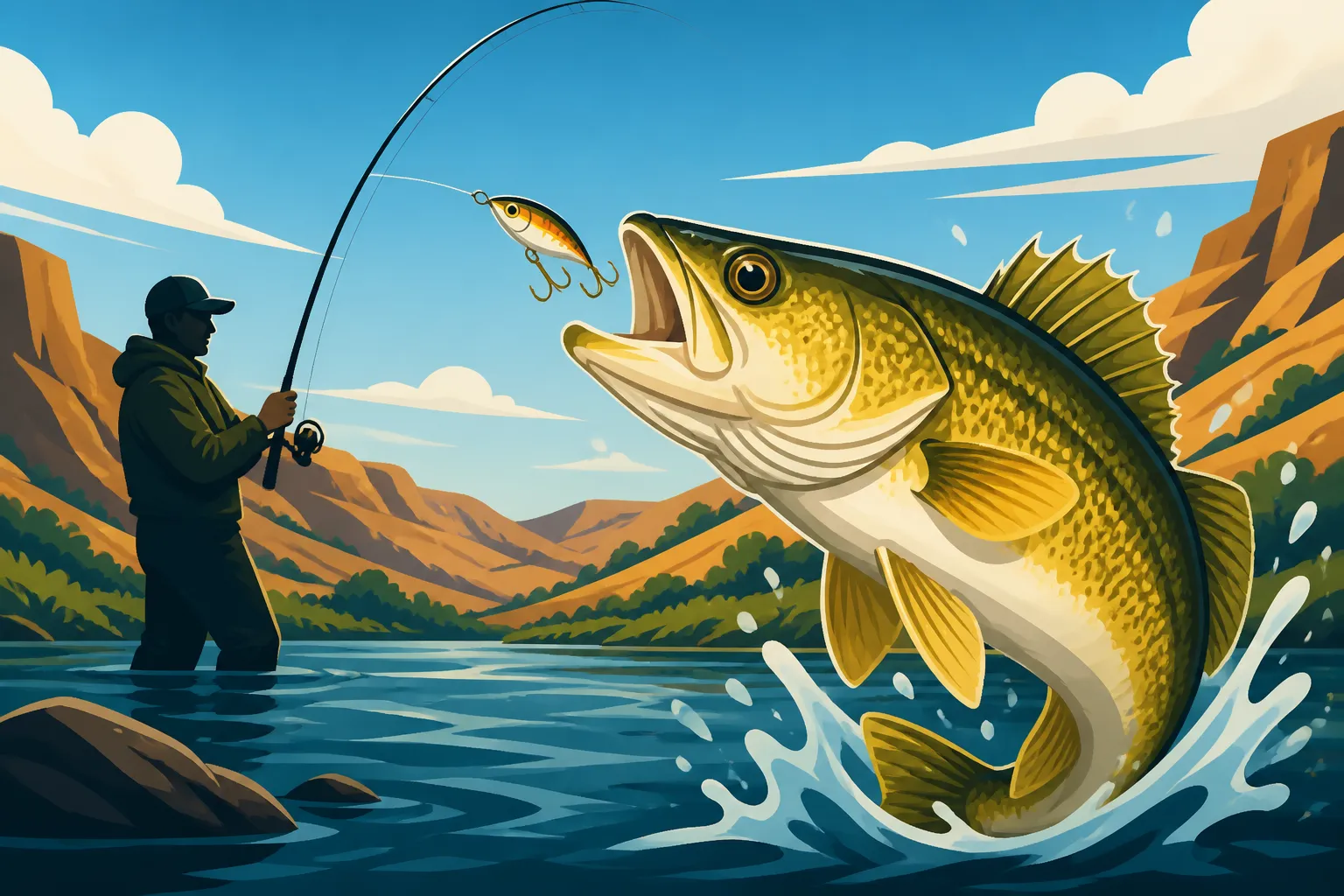
There’s nothing quite like the thrill of chasing walleye, especially when you’re venturing to a legendary spot like the John Day River in Oregon. Many anglers, myself included, have felt that mix of excitement and apprehension when tackling a new river, wondering if they have the right approach or if the fish are even biting. This guide is here to cut through the uncertainty, offering you a deep dive into the specific techniques, gear, and river knowledge you’ll need to successfully fish for walleye on the John Day.
Understanding the John Day River Walleye Fishery
The John Day River holds a special, if controversial, place in Oregon's fishing landscape, especially when it comes to walleye. Unlike many of our native salmon and steelhead, walleye here are an introduced species, and that plays a huge role in how we approach fishing for them. It’s not just another river; it’s a dynamic, wild system that rewards those who take the time to understand its nuances.
Why the John Day is Unique for Walleye
The John Day River is truly one of a kind. Flowing through arid canyons before emptying into the Columbia, it offers a dramatic change of scenery and fishing conditions compared to the cooler, more forested rivers of Western Oregon. For walleye, this environment provides ideal conditions: warm waters, plenty of rocky structure, and a good forage base. What makes it particularly distinct is the approach from the Oregon Department of Fish and Wildlife (ODFW). Because walleye are non-native and are considered predators of juvenile salmon and steelhead, there are no bag limits or size restrictions on them in the John Day. In fact, anglers are encouraged to harvest all walleye they catch, making it a truly unique opportunity to fill your cooler without worrying about complex regulations.
This contrasts sharply with fisheries like the Columbia River, where walleye are also present but are often targeted alongside other species, and while liberal, might still have different dynamics due to the sheer size and diverse ecosystems. On the John Day, it's a dedicated walleye pursuit, often in more remote, less crowded conditions, offering a sense of wild adventure many anglers crave. The challenge isn't the regulations; it's finding the fish in such a vast and often inaccessible river system.
Walleye Behavior and Habitat in the John Day
Walleye are masters of ambush, preferring to hug the bottom and utilize structure to their advantage. In the John Day River, this means you'll often find them lurking in a variety of spots where they can avoid strong currents while waiting for an easy meal. Look for them in deep holes and depressions, especially where the river bottom transitions from gravel to rock or even submerged timber. These current breaks are prime real estate, offering shelter and a conveyor belt of food.
Their diet in the John Day primarily consists of smaller baitfish. Shad, when present, can be a major food source, as can various minnow species. Understanding what they're actively feeding on can often dictate your lure choice and presentation. Throughout the seasons, walleye will shift their locations. In spring, they move into shallower areas to spawn, often in gravelly or rocky stretches, making them more accessible. As summer progresses, they retreat to deeper, cooler water, often concentrating in thermal refuges or the shadows of high canyon walls. Fall brings a period of aggressive feeding as they bulk up for winter, and then they'll typically settle into deeper, more stable wintering holes. Recognizing these seasonal patterns is key to consistently finding them.
Essential Gear for John Day Walleye
Having the right tackle can make all the difference between a frustrating day and a successful outing on the John Day. Walleye have notoriously subtle bites, often described as a "mushy" feeling or a slight tick, so sensitive gear is paramount. While you don't need the most expensive equipment on the market, investing in quality components will significantly improve your experience.
Rods, Reels, and Line Selection
For chasing John Day walleye, a medium-heavy, fast-action spinning rod around 6'6" to 7'6" is often the go-to choice. The fast action tip allows for incredible sensitivity, helping you detect those faint bites, while the medium-heavy power provides enough backbone to set the hook firmly and muscle a decent walleye out of the current. Many anglers prefer a sensitive graphite blank, which transmits even the slightest bump directly to your hand. When you're fishing in strong current or deeper water, that sensitivity is non-negotiable.
Pairing your rod with a reliable spinning reel in the 2500-3000 size range is a solid bet. Look for one with a smooth drag system and a good retrieve ratio. For your main line, 10-20 lb braided line is excellent due to its zero stretch and incredible sensitivity, which enhances your ability to feel those subtle walleye takes. However, walleye are often line-shy in clear water, so always, and I mean always, tie on a fluorocarbon leader of 8-15 lb test. Fluorocarbon is nearly invisible underwater and has excellent abrasion resistance, which is crucial when fishing around rocky bottom structure. You can often find a good selection of high-quality braided lines and fluorocarbon leaders on platforms like Amazon, making it easy to stock up before your trip.
Lures, Baits, and Terminal Tackle
The John Day River's diverse structure and varying water conditions mean you'll need a versatile tackle box to effectively target walleye. While specific preferences can vary, a few categories of lures and baits consistently produce results. Jigs are perhaps the most fundamental lure for river walleye. You'll want an assortment of weights, typically from 1/4 oz to 1 oz, depending on the current depth and speed. Pair these with soft plastic grub tails, swimbaits, or paddle tails in colors like chartreuse, white, orange, and natural baitfish patterns. The key is to present these jigs near the bottom, mimicking a struggling baitfish or a crayfish.
Crankbaits and stickbaits are also incredibly effective, especially when trolling or casting to aggressive fish. Choose models that dive to various depths – shallow divers for calmer eddies and deeper running crankbaits for open water or deeper channels. Colors that imitate baitfish, alongside brighter patterns for stained water, are essential. Brands like Rapala, Berkley, and Bandit offer reliable options. Don't forget the power of bottom bouncers paired with spinner rigs. These are fantastic for covering water and presenting live bait or plastic worms just off the bottom. Experiment with different blade types (Colorado, Indiana, Willowleaf) and colors on your spinners. For live bait, if permitted in the specific sections you're fishing, nightcrawlers or minnows threaded onto a spinner rig can be irresistible to walleye. Lastly, ensure you have plenty of spare hooks (Aberdeen or Kahle style for bait rigs), barrel swivels, and a variety of lead weights to match changing conditions. Carrying a small tackle management system from Amazon can help keep all these crucial items organized and easily accessible.
Mastering Walleye Techniques on the John Day
Fishing for walleye on the John Day River isn't just about showing up with the right gear; it's about understanding how to present your offerings in a way that triggers a bite. The river's currents, depths, and structures demand adaptability and a keen eye for subtle clues. Whether you're in a boat or on the bank, a strategic approach will elevate your success rate.
Jigging Strategies for River Walleye
Jigging is arguably one of the most effective and popular methods for catching walleye in rivers, and the John Day is no exception. The key here is presenting your jig close to the bottom, mimicking natural forage. If you're fishing from a boat, vertical jigging is often the most productive. Position your boat slightly upstream of known walleye holding areas like deep holes, current seams, or rocky drop-offs. Let your jig down until you feel the bottom, then lift it a foot or two with a sharp snap of the wrist, allowing it to flutter back down on a semi-slack line. The bite often occurs as the jig is falling, so pay close attention. Maintaining proper boat control with a trolling motor is critical to keep your jig vertical and in the strike zone.
Casting and retrieving jigs can also be deadly, especially when targeting shallower flats or working along submerged structure from shore or boat. Cast your jig upstream or across the current, allowing it to sink to the bottom. As it drifts downstream, maintain contact by slowly reeling in slack, lifting and dropping the rod tip to impart action. Think of it as "feeling" your way along the bottom, identifying changes in substrate or subtle drops where walleye might be lurking. Experiment with different jig weights to ensure your lure is making regular contact with the bottom without getting constantly snagged. This technique often works best in areas with moderate current, allowing for a natural drift.
Trolling with Bottom Bouncers and Crankbaits
When the walleye are scattered or you need to cover a lot of water to find them, trolling can be incredibly effective on the John Day. This method allows you to systematically explore different depths and structures, increasing your chances of encountering active fish. The two primary approaches involve bottom bouncers with spinner rigs or diving crankbaits.
Bottom bouncers are designed to keep your bait or lure just off the river bottom, bouncing over rocks and debris without excessive snagging. Pair them with a crawler harness or a small swimbait on a snelled hook, and troll them slowly upstream or downstream along promising contours or channel edges. The weight of the bottom bouncer should be chosen based on current speed and depth; you want to maintain constant contact with the bottom at a roughly 45-degree angle of line to water. Electronics, like a good fish finder, are invaluable here, helping you identify structure, depth changes, and even schools of baitfish where walleye might be feeding.
Crankbaits are fantastic for targeting walleye suspended over deeper water or when they're actively chasing baitfish. Choose crankbaits with dive curves that match the depth you're targeting. Trolling speed is critical – usually between 1.5 to 2.5 mph, but you’ll need to experiment to find what the fish prefer on any given day. Pay attention to the subtle vibrations of your lure and any changes in resistance, as a walleye strike can sometimes feel like you’ve picked up a piece of moss. The John Day can have variable current, so adjusting your trolling speed and direction to present your lures effectively is crucial. For more insights on this technique, check out our guide on Oregon Trolling and Boat Fishing Techniques.
Bank Fishing and Shoreline Approaches
While the John Day River is best explored by boat due to its size and limited access, there are still productive opportunities for bank anglers, especially for those willing to do a bit of hiking. Identifying accessible spots that hold walleye potential is the first step. Look for areas with slower currents, deeper pockets close to shore, or rocky points and eddies where fish might congregate. Access points like Cottonwood Bridge or some BLM public lands can offer limited bank access, but always confirm regulations and private property boundaries before heading out.
When fishing from the bank, casting techniques become paramount. Long casts with jigs, crankbaits, or even simple slip sinker rigs baited with a nightcrawler or minnow can be very effective. Try casting upstream and letting your bait drift down naturally with the current, retrieving slowly to maintain contact with the bottom. Using a slip sinker rig with a longer leader allows your bait to move more freely, appearing natural to wary walleye. Early morning and late evening often present the best opportunities for bank anglers, as walleye tend to move into shallower, more accessible areas during low light conditions. Patience is key, as is a willingness to move and try different spots until you locate active fish. Our Bank Fishing Techniques for Oregon Rivers guide has more general tips that can be adapted for walleye.
Optimal Timing and Conditions
Walleye, like most fish, are creatures of habit and are heavily influenced by environmental factors. Understanding the interplay of seasons, weather, and water conditions on the John Day River can significantly improve your chances of a successful outing. It's not just about being on the water; it's about being there at the right time and adapting to what the river gives you.
Best Seasons for John Day Walleye
The John Day River offers walleye fishing opportunities throughout much of the year, but some seasons definitely stand out. Spring, particularly from late March through May, is often considered prime time. This is when walleye become highly active as they prepare for and complete their spawning rituals. They'll move into shallower, rocky areas, making them more accessible and aggressive. Post-spawn, they'll often feed ravenously to regain energy, offering excellent action. This period can also coincide with other runs like shad, providing an abundant food source for walleye.
Summer fishing, from June through August, can be excellent, though the tactics often change. As water temperatures rise, walleye typically retreat to deeper, cooler sections of the river. Targeting them requires focusing on those deep holes, current breaks, and shaded areas. Early mornings and late evenings become particularly productive, as walleye will often move shallower to feed under low light conditions. Fall, from September through November, sees another surge in activity as walleye aggressively feed to build up fat reserves for winter. They can be found in a variety of depths, often responding well to crankbaits and jigs. Winter fishing, while tougher, can still yield results for dedicated anglers willing to brave the cold, typically focusing on deep, slow-moving pools where fish congregate. Our comprehensive guide on the Best Time of Year to Fish in Oregon offers broader seasonal insights applicable to the John Day.
Weather, Water, and River Flow Impact
Walleye are highly sensitive to changes in their environment, and understanding these factors can help you predict their behavior on the John Day. Water temperature is a major driver of walleye activity. They prefer cooler water, generally between 50-70°F. In hotter summer months, this means they'll seek out deeper, cooler sections of the river, making them harder to find but often resulting in bigger fish. Conversely, in spring, as the water warms, their metabolism increases, and they become more active.
Turbidity, or water clarity, also plays a significant role. Walleye have excellent low-light vision, which is why they thrive in stained or murky water. After a rain event, when the river gains a bit of color, walleye fishing can often be fantastic as they feel more comfortable hunting in the reduced visibility. However, excessively muddy water can shut down the bite. Clear water often means longer leaders, smaller baits, and a more subtle presentation. River flow rates, influenced by rainfall and upstream dams (though the John Day is undammed, its confluence with the Columbia means Columbia flow can impact the lower river), also dictate where walleye hold. High water can push them into slack water eddies and back channels, while low water concentrates them in main channel depressions. Keeping an eye on the river's conditions before you head out is paramount. For more specific insights on daily patterns, consider our article on the Best time of day to fish for walleye.
John Day River Access and Practical Tips
The John Day River is a magnificent waterway, but its wild nature means it comes with its own set of challenges and considerations. From navigating its remote stretches to understanding the unique regulatory framework for walleye, being prepared will ensure a safer and more successful fishing trip.
Navigating the John Day River
Accessing the John Day River can be an adventure in itself. Much of the river flows through rugged, remote canyon lands, and public access points are somewhat limited, especially for those wanting to launch a boat. Popular boat access points are often found in the lower stretches, closer to its confluence with the Columbia River, such as Cottonwood Bridge or Priest Rapids. For those with jet boats, these launch sites can provide entry to miles of productive water. However, the John Day is not for the faint of heart; shallow bars, strong currents, and hidden rocks can be hazardous, especially during lower water conditions. A thorough understanding of river navigation and appropriate boat operation is essential.
For anglers without a boat, accessing the river usually involves hiking into public lands or utilizing a few designated bank fishing spots. Always check local land management agency maps (like BLM) to ensure you are on public access and not trespassing on private property. The remoteness also means limited services – you won't find many tackle shops or gas stations once you're deep in the canyon. It’s crucial to be self-sufficient, carrying extra fuel, water, food, and emergency supplies. Tell someone your float plan and expected return time. Prepare for variable weather, which can change rapidly in the high desert environment.
Conservation and Regulations (or lack thereof)
One of the most compelling aspects of fishing for walleye on the John Day River, as well as the Columbia River and its tributaries, is the unique regulatory stance taken by the ODFW. As an introduced, non-native species, walleye are viewed as a potential threat to native salmon and steelhead populations. Because of this, there are no daily bag limits or size restrictions on walleye in these waters. Anglers are not only allowed but actively encouraged to harvest all walleye they catch. This contrasts sharply with the strict catch-and-release rules or limited retention for many native species.
This policy makes the John Day an incredible destination for anglers looking to fill their freezer with delicious walleye fillets. However, even with no limits, ethical angling practices remain important. If you plan to harvest fish, ensure you have a cooler with ice to keep your catch fresh. Practice quick and humane dispatch of fish you intend to keep. While the regulations are straightforward for walleye, it’s always wise to review the current Oregon Fishing Regulations Explained booklet or online summaries, as rules can occasionally change. You can often find the official Where to find the Oregon fishing regulations booklet on the ODFW website or at tackle shops. This ensures you're always fishing within the most up-to-date guidelines for all species. For more general information on this non-native species, you can check out our article on Walleye in Oregon and How did walleye get into Oregon rivers.
John Day Walleye Techniques Comparison
To help you decide which technique might be best for your next John Day walleye adventure, here's a quick comparison of the primary methods:
| Technique | Ideal Conditions | Recommended Gear | Pros | Cons |
|---|---|---|---|---|
| Jigging | Moderate current, visible structure, deeper holes | Medium-heavy fast-action rod, braid-fluoro combo, assorted jigs | Excellent sensitivity, direct contact with fish, versatile | Can be prone to snags, requires precise boat control |
| Trolling (Bottom Bouncers) | Covering large areas, scattered fish, varied depths | Medium-heavy rod, baitcasting or spinning reel, bottom bouncers, spinner rigs | Efficient search pattern, presents bait naturally, consistent depth | Requires boat, can be slower to react to bites, equipment heavy |
| Trolling (Crankbaits) | Active fish, open water, specific depth bands | Medium-heavy rod, specific diving crankbaits | Targets suspended fish, triggers aggressive strikes, covers water | Requires careful depth matching, can be less precise near bottom |
| Bank Fishing | Accessible shorelines, eddies, low light hours | Medium-heavy rod, slip sinker rigs, jigs, crankbaits | No boat required, great for scouting, peaceful | Limited access, less water coverage, harder to reach deep fish |
No matter which method you choose, remember that adaptability is key. The John Day River is a dynamic environment, and what works one day might not work the next. Pay attention to the subtle cues the river provides, and don't be afraid to switch up your approach.
Disclaimer
Fishing conditions and regulations in Oregon are subject to change. Always consult the official Oregon Department of Fish and Wildlife (ODFW) regulations before heading out on the water. This guide is for informational purposes only and should not be considered a substitute for official regulatory documents. Ensure you have the proper Oregon Fishing License Guide and any required endorsements.