Are there piranha or exotic fish in Oregon?
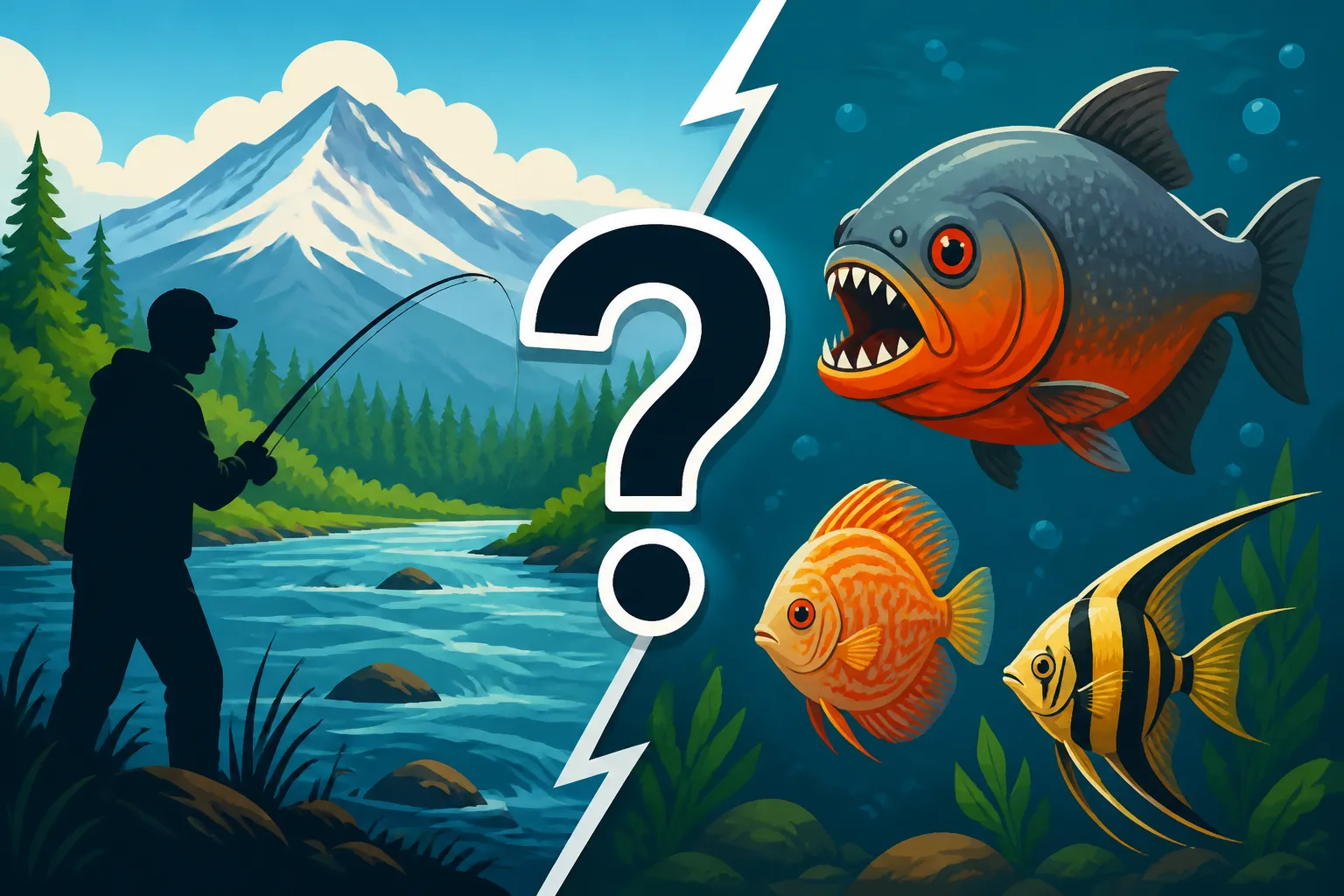
It's a question I hear often, usually whispered around a campfire or posed with a nervous chuckle down at the boat ramp: "Are there piranhas in Oregon?" The image of razor-toothed fish lurking in our beautiful rivers and lakes can certainly send a shiver down an angler's spine. While the thought of encountering a piranha in the Willamette or the Deschutes is thankfully more urban legend than reality, the concern itself highlights a very real and pressing issue for Oregon's aquatic environments: the threat of exotic and invasive fish species. This guide will dive deep into what "exotic" and "invasive" really mean in our waters, dispel some myths, and equip you with the knowledge to understand and help protect Oregon's native fish populations.
The Whispers and the Reality: Are Piranhas Really in Oregon Waters?
Let's address the most dramatic rumor first, because it's a genuine fear for many: the idea of piranhas swimming wild in Oregon. The short answer is: no, not really, in any self-sustaining, established sense. Piranhas are tropical fish, native to South America. Oregon's waters, even in the warmest months, simply don't maintain the consistently high temperatures required for these fish to survive long-term, let alone reproduce and establish a viable population.
However, the fact that this question even comes up isn't entirely baseless. Occasionally, you might hear a story about someone catching an odd-looking fish, sometimes even a pacu – a relative of the piranha, often kept in aquariums, that has similar powerful teeth but is primarily herbivorous. These instances are almost always isolated incidents of "aquarium dumping," where someone has released an unwanted pet into a local waterway. These individual fish rarely survive long, particularly through an Oregon winter, but their appearance serves as a stark reminder of how exotic species can end up in our ecosystems.
The Aquarium Release Problem: How "Exotics" Arrive
When we talk about "exotic fish" in Oregon, we're generally referring to species that aren't native to our region. These fish might originate from other continents, like the piranha, or even from other parts of the United States. The most common pathway for these genuinely exotic (and often harmless) species to appear in our local ponds and rivers is through irresponsible pet ownership. That tiny goldfish you bought at the fair, or the impressive pleco that outgrew its tank, or even a pacu that became too large to manage, can seem like a harmless release into the "wild."
The problem is, even if the fish doesn't survive, the act itself opens the door to potential ecological disaster. For some species, the climate might be just right, allowing them to thrive, reproduce, and become invasive. Imagine a family who decides their overgrown Oscar fish or even a common carp from a home pond is too much to handle, and rather than finding a new home or humanely euthanizing it, they simply let it go in a local park pond. While that specific Oscar might not survive, the precedent of releasing non-native species is concerning. It's a practice that environmental agencies work hard to prevent, and for good reason. Even a well-meaning attempt to "give a pet a better life" can have devastating consequences for native flora and fauna.
Misidentification: When a Sunfish Isn't a Piranha
Another reason for the persistent piranha myth, and for general confusion about exotic species, is simple misidentification. Many native or established non-native fish in Oregon have features that, to an untrained eye, might look a little intimidating or "exotic." For example, some of our native sunfish species, or even certain bass, have prominent fins, robust bodies, and sharp teeth (for fish, anyway) that could be mistaken for something more sinister if you're not familiar with local species.
Coastal cutthroat trout, with their distinctive orange slash under the jaw, or even a sizable smallmouth bass, can sometimes surprise an angler, especially if they're caught unexpectedly. Their strong jaws and keen eyes can appear quite formidable. It's a bit like seeing a large, dark shadow in the water and immediately thinking "shark" when it's just a log. Education is key here. Understanding what our local fish look like, from the common Rainbow Trout in Oregon to the various Oregon Bass Fishing Guide species, helps demystify what's actually swimming beneath the surface and keeps unnecessary panic at bay.
| Fish Characteristic | Often Feared (Exotic/Myth) | Commonly Found (Native/Established Invasive) |
|---|---|---|
| Teeth | Razor-sharp, prominent | Small, conical; molar-like (walleye); plate-like (sturgeon) |
| Body Shape | Deep-bodied, compressed | Variable: torpedo (trout), football (bass), elongated (sturgeon) |
| Origin | South America (Piranha) | Oregon rivers/lakes, or introduced from other US states |
| Habitat Req. | Tropical, warm water | Temperate, cold-to-warm freshwater/saltwater |
| Survival in OR | Very low, isolated finds | High, self-sustaining populations |
| Ecological Impact | Negligible (due to non-establishment) | Significant (invasive species), neutral (established non-natives) |
Beyond the Scare: Actual Invasive Fish Species Threatening Oregon's Ecosystems
While piranhas are thankfully not a real concern, Oregon faces very real threats from other non-native species that have become established and are causing harm. These are what we call "invasive species" – exotic species that not only survive but thrive in their new environment, often outcompeting native fish, disrupting food webs, and altering habitats. This is a critical issue for anglers and conservationists alike, and understanding these actual threats is far more important than worrying about hypothetical piranha encounters.
Many of these invasive species were introduced decades ago, sometimes intentionally for sport fishing, sometimes accidentally. They've had time to spread and become deeply embedded in our aquatic systems. The Oregon Department of Fish and Wildlife (ODFW) and various conservation groups spend countless hours managing and trying to mitigate the damage caused by these uninvited guests. These species can decimate populations of native trout and salmon, especially juvenile fish, and alter the delicate balance of our rivers and lakes.
Common Invasive Species You Might Encounter
Oregon has a diverse range of aquatic habitats, from cold mountain streams to large warmwater rivers and reservoirs. This variety means that different invasive species can find footholds in different places. Here are a few you should be aware of:
- Smallmouth Bass: While a fantastic sport fish for many, smallmouth bass are not native to Oregon and are highly predatory. They thrive in many of our warmer rivers and reservoirs, particularly in systems like the John Day River, and can significantly impact native species like juvenile salmon and steelhead. In many areas, anglers are encouraged to keep all smallmouth bass caught, with no bag limits, to help reduce their populations. This is a prime example of Why does Oregon encourage removing smallmouth bass.
- Walleye: Another popular sport fish, walleye are fierce predators native to the Midwest and eastern North America. They were introduced to the Columbia River system and have since spread, creating substantial populations in various reservoirs. These fish can grow quite large and consume vast quantities of forage fish, including salmon and steelhead smolts. Learning Walleye in Oregon and how to target them can be a fun way to help reduce their numbers.
- Northern Pikeminnow: These native-to-the-Columbia-Basin fish, sometimes called squawfish, are not technically "exotic" in the same way a piranha would be, but their populations have boomed in certain areas due to changes in river systems (like dam construction). They are voracious predators of juvenile salmon and steelhead. Programs exist, like the Northern Pikeminnow Sport Reward Program, to encourage anglers to remove them. While not an exotic species from another continent, their increased abundance makes them a significant invasive concern for native salmonid recovery.
- Bullfrogs: While not fish, it's worth a mention because they're a massive problem. Introduced from the eastern U.S., these large amphibians consume almost anything they can fit in their mouths, including native fish, salamanders, and insects, altering aquatic ecosystems drastically.
- Common Carp: These large, bottom-feeding fish were introduced from Eurasia and are widespread throughout many of Oregon's warmer, slower-moving waters. They stir up sediments, increasing turbidity, and can destroy aquatic vegetation, negatively impacting water quality and habitat for native fish and waterfowl.
The Ecological and Angling Impact of Invaders
The presence of invasive species isn't just an academic concern; it has tangible impacts on both the health of our natural environment and the quality of our fishing experiences. Ecologically, these invaders can outcompete native fish for food and habitat. They might introduce new diseases or parasites that native species have no natural resistance to. They can also prey directly on vulnerable native species, especially eggs and juveniles, which can devastate populations of sensitive fish like wild salmon and steelhead. This makes it harder for our beloved native fish to recover and thrive. Oregon Salmon Species Guide and Oregon Steelhead Guide articles often highlight the challenges faced by these iconic fish, and invasive species are definitely a factor.
From an angler's perspective, this means a shift in what you might catch and where. While some invasive species offer exciting sport fishing opportunities (like bass or walleye), their presence often comes at the cost of native populations. For instance, an increase in smallmouth bass in a particular stretch of river might correlate with a decline in native trout or salmon fry. It forces a balance: how do we manage these populations to minimize harm while still allowing for recreational opportunities? Understanding Oregon Fishing Regulations Explained is vital, as regulations for invasive species often differ significantly from those for native fish.
Your Role in Protection: Preventing the Spread of Unwanted Aquatic Life
As anglers, outdoor enthusiasts, or even just responsible citizens, we all have a part to play in protecting Oregon's precious aquatic resources from the threat of exotic and invasive species. It's not just about what you catch; it's about what you do before, during, and after your time on the water. Every little action can make a difference in preventing new introductions and slowing the spread of existing problems.
Preventing the spread of invasive species often comes down to simple, diligent habits. It's about being mindful of what you're introducing to the water, and what you might be inadvertently carrying from the water. We need to be stewards of these environments, ensuring that future generations can enjoy the same rich fishing opportunities we do.
Responsible Practices for Anglers
Anglers are on the front lines when it comes to preventing the spread of aquatic invasive species. Your gear, your boat, and even your bait can all be vectors for unwanted hitchhikers. Here's how you can make a real difference:
- Clean, Drain, Dry: This is the golden rule for boats, trailers, waders, boots, and all fishing gear.
- Clean: Remove all visible mud, plants, fish, or aquatic organisms from your boat, trailer, waders, and gear before leaving the launch or stream bank. Pay close attention to anchor ropes, fishing lines, and anything that contacts the water. A stiff brush and water can do wonders.
- Drain: Pull your boat's drain plug, empty all bilge water, livewells, and bait buckets before leaving the ramp. Some invasive species, like New Zealand mudsnails, are microscopic and can survive in small amounts of standing water.
- Dry: Allow all equipment to thoroughly dry for at least 48 hours, or ideally longer, before using it in another water body. If drying isn't possible (e.g., between back-to-back fishing trips), freezing your gear can also kill unwanted organisms.
- Dispose of Bait Properly: Never release live bait, or even dead bait, into a water body if it didn't come from that specific water body. Unused bait should be disposed of in the trash. Even if you bought your bait at a local shop, it could carry diseases or non-native organisms that could harm the ecosystem if released.
- Inspect Your Gear: Before and after every trip, take a moment to carefully inspect your waders, boots, fishing nets, and lines. Tiny seeds, plant fragments, or small organisms can cling to gear. You can find specialized brushes and boot wash stations at many popular access points, and if you need a good scrub brush or a drying rack for your waders, Amazon has a wide selection of gear that can help with this crucial step.
- Know the Regulations: Be aware of specific regulations regarding bait use, live wells, and species transport in different areas of Oregon. Oregon Fishing Regulations Explained often includes details about preventing invasive species spread. Ignorance of the rules can lead to serious consequences, including Oregon Fishing Violations and Penalties.
What to Do with Unwanted Aquarium Pets
This is where the piranha myth really originates, and it's a huge issue for many types of exotic fish, not just the scary ones. Releasing aquarium fish, plants, or even pond organisms into natural waterways is never, ever acceptable. It's not a humane act, and it's incredibly damaging to the environment.
- Never "Free" Your Pet: The vast majority of aquarium fish released into the wild either die quickly due to unsuitable conditions or, worse, survive and become invasive, disrupting the delicate balance of native ecosystems. That goldfish that looks cute in a bowl can grow surprisingly large and cause significant ecological damage if released into a pond or lake, outcompeting native minnows and stirring up sediment.
- Find a New Home: Explore options like returning the fish to the pet store, donating it to a school or another aquarium hobbyist, or rehoming it through local aquarium clubs. Online forums and social media groups dedicated to aquarists often have members willing to take in unwanted fish.
- Humanely Euthanize: If rehoming isn't an option, humane euthanasia is a responsible choice. Consult a veterinarian or a reputable pet store for guidance on methods that minimize suffering. Simply flushing a fish down the toilet is not humane, nor does it guarantee the fish is dead before it enters the ecosystem. You can even find resources on Amazon for humane fish care products, but remember, responsible ownership extends to the end of a pet's life.
Reporting Suspicious Sightings and Legal Consequences
If you ever encounter a fish that you genuinely believe is an exotic or highly unusual species for Oregon, especially something like a piranha or an unidentifiable tropical fish, it's important to report it. Do not attempt to catch or handle potentially dangerous fish. Instead:
- Document It: If safe to do so, take clear photos or videos of the fish, noting its size, distinctive features, and the exact location (GPS coordinates if possible) and date of the sighting.
- Do Not Release It: If you somehow manage to catch an unusual fish that you suspect is an exotic, do not release it back into the water. Instead, contact the Oregon Department of Fish and Wildlife (ODFW) or a local wildlife agency immediately. They can help identify the species and advise on the next steps. Placing it in a bucket of water to keep it alive for identification is often the best course of action.
- Contact Authorities: Reach out to ODFW. They have biologists and enforcement officers trained to handle such situations. Providing accurate information is crucial for their response.
- Understand the Law: Releasing any non-native species into Oregon waters without a permit is illegal and carries significant fines and penalties. This is serious business, aimed at protecting our natural heritage. The laws are in place precisely to prevent the very situations that lead to invasive species problems.
The presence of any exotic species in our waters is a concern, but it's important to differentiate between an isolated, non-surviving specimen and an established invasive population. By being informed, responsible, and proactive, we can all contribute to keeping Oregon's waters healthy and full of the incredible native fish we cherish. So, put your piranha worries aside, grab your gear, and focus on enjoying the diverse and abundant fishing opportunities Oregon truly offers!
Disclaimer
This article is for general informational purposes only and does not constitute professional advice. Laws, prices and regulations vary by location and change over time. Consult a qualified professional for guidance on your specific situation.