Where to find yellow perch in Oregon
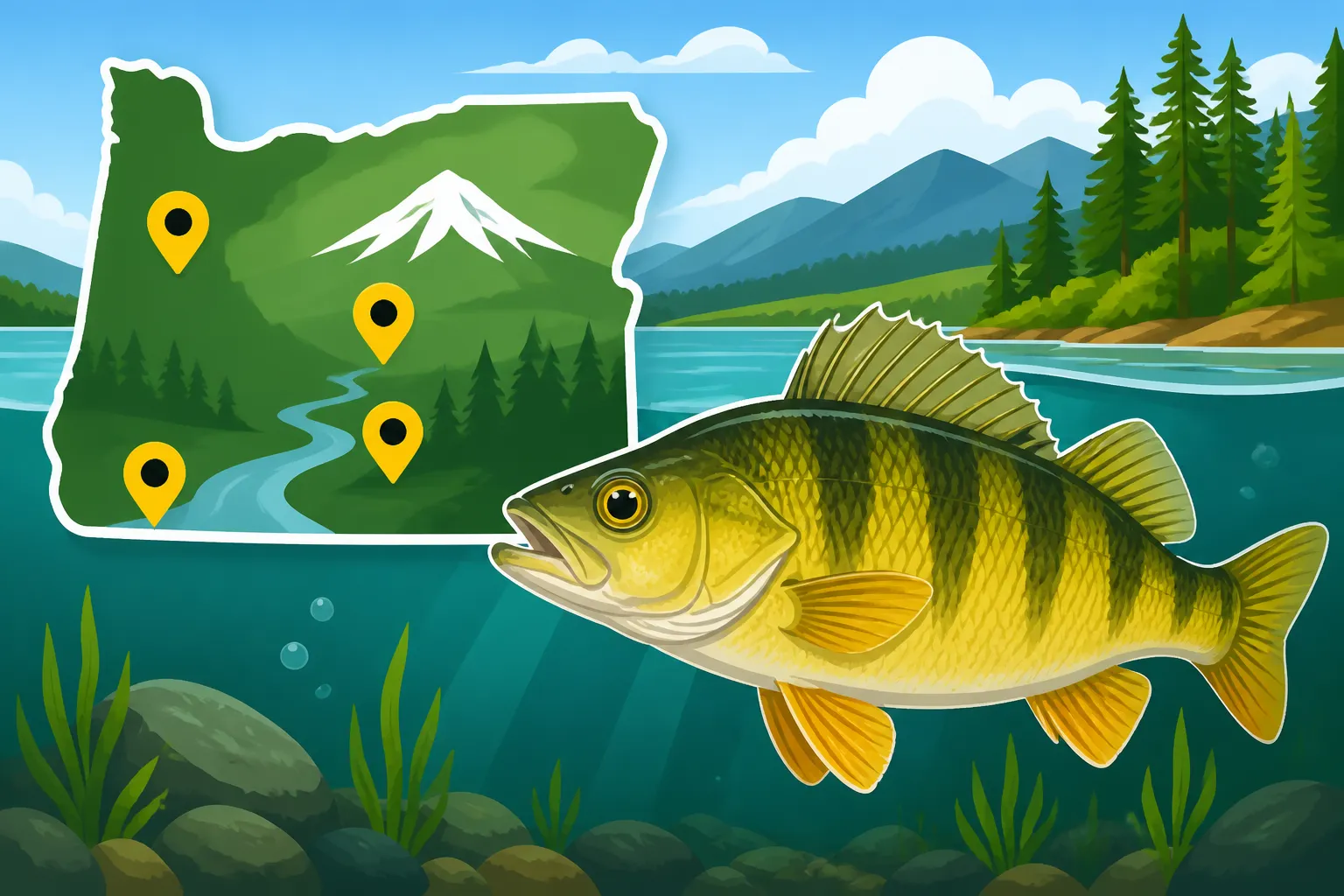
Finding yellow perch in Oregon can feel a bit like searching for a hidden gem if you're used to targeting salmon or trout. Many anglers, especially those new to warmwater species, wonder where these feisty, delicious panfish actually hang out. This guide is dedicated to pulling back the curtain on Oregon's yellow perch hotspots, helping you understand their preferred habitats, and equipping you with the knowledge to find them and bring home a tasty meal.
Where Exactly Can You Find Yellow Perch?
Oregon might be famous for its salmon and steelhead runs, but don't let that overshadow the fantastic opportunities for warmwater fishing, including yellow perch. These panfish are a blast to catch, great for kids, and even better on the dinner table. The trick is knowing where to look, as they prefer warmer, slower-moving waters compared to many of Oregon's iconic cold-water species.
Western Oregon Lakes and Reservoirs
When it comes to yellow perch in Western Oregon, you're generally looking at lakes and reservoirs, especially those in the Willamette Valley and further south that warm up nicely during the spring and summer months. These waters often have the perfect mix of submerged vegetation, drop-offs, and structure that perch absolutely adore. Think about the larger, more established impoundments rather than small, fast-flowing mountain streams.
One of the top contenders for yellow perch in Western Oregon is Henry Hagg Lake near Forest Grove. This large reservoir is a well-known multi-species fishery, and perch thrive in its warmer waters. Anglers often find success fishing from shore or a boat, particularly around points, submerged timber, and weed lines. Another fantastic spot, especially for those in the southern Willamette Valley, is Fern Ridge Reservoir near Eugene. It's shallower and warmer, which yellow perch absolutely love, making it a productive spot for both quantity and decent-sized fish. You'll want to explore areas with lily pads and submerged grass beds here. Lakes like Siltcoos Lake on the coast, though primarily known for bass, also hold good populations of yellow perch. These areas often see less angling pressure specifically for perch, making them hidden treasures. For a general overview of great fishing spots, check out our guide on Best Places to Fish in Oregon.
Eastern Oregon Waters
Venture east of the Cascades, and the landscape changes, bringing with it a different set of fishing opportunities. Eastern Oregon's high desert lakes and reservoirs, which experience warmer summers and more consistent sunshine, are often prime yellow perch territory. These bodies of water are typically managed for a mix of warmwater species, and perch fit right in.
Prineville Reservoir is a perennial favorite for perch anglers in Central Oregon. Its relatively warm waters, abundant structure from old timber, and extensive shoreline make it an ideal perch factory. Anglers often report excellent catches here, especially during late spring and early summer. Further east, Malheur Reservoir and Owyhee Reservoir are also known to hold strong populations of yellow perch. These waters are typically less crowded than some of the more popular trout fisheries and can offer a fantastic experience for those seeking perch. When considering fishing in these areas, remember that water levels can fluctuate significantly, impacting access and fish patterns. It's always a good idea to check local conditions before heading out. Understanding the general categories of fish species in the region can also be helpful; you can dive deeper into Oregon Warmwater Fish Species.
Columbia River Tributaries
While the mainstem Columbia River itself has perch, it's often the slower, warmer backwaters, sloughs, and lower reaches of its tributaries that truly shine for yellow perch. These areas provide the calmer, more vegetated environments that perch prefer over the main river's strong currents.
Look towards the lower stretches of rivers like the Willamette River, particularly in its slow-moving channels and backwater areas around Portland and further south. The sloughs and smaller lakes connected to the Columbia, such as Multnomah Channel, can also be highly productive. These locations often have plenty of submerged brush, docks, and pilings, all of which are magnet for yellow perch. While not a primary target for many on these big rivers, those who specifically seek them out in these calmer zones are often rewarded. Remember that the main Columbia River is more famous for its anadromous runs, but the side channels offer diverse angling. You might be interested in Oregon Fishing Zones Explained to understand how different areas of the state are regulated.
Identifying Prime Yellow Perch Habitat
Knowing the specific bodies of water is one thing, but truly understanding where yellow perch thrive within those waters is what separates a good day from a great one. Yellow perch are structure-oriented fish, and they have distinct preferences that, once understood, make them much easier to locate.
Understanding Perch Preferences
Yellow perch are not particularly picky eaters, but they are quite particular about their living conditions. They prefer water temperatures ranging from the mid-50s to low 70s Fahrenheit, making them a prime target in Oregon's lakes and reservoirs during the warmer months. Unlike trout, which often seek cold, oxygen-rich currents, perch like it a bit cozier. They are schooling fish, meaning if you catch one, there are likely many more nearby.
Their diet consists mainly of aquatic insects, small crustaceans, and even smaller fish, including the fry of other species. This explains their affinity for areas rich in forage. Think about sections of a lake or reservoir that have a healthy ecosystem with plenty of invertebrate life and small baitfish. These are the areas where perch will congregate to feed. They also appreciate softer bottoms, such as mud or sand, often in conjunction with submerged vegetation, which provides both cover from predators and a bounty of food. Our Oregon Panfish Guide offers more insights into other species that share similar habitats.
Reading the Water: Structure and Cover
When you're out on the water, whether from a boat, kayak, or shore, look for visual cues that scream "perch habitat." These fish are masters of using their environment for both ambush points and safety.
- Submerged Vegetation: This is perhaps the most critical habitat feature. Weed beds, lily pads, coontail, milfoil – if it's green and underwater, perch are likely nearby. These areas provide food, oxygen, and protection from larger predators. Focus on the edges of these beds, as perch will often patrol these transition zones.
- Drop-offs and Ledges: Perch will use changes in depth as highways and ambush points. A steep bank or a sudden drop-off from a shallow flat into deeper water can hold large schools. They'll stage along these ledges, darting into the shallows to feed and retreating to deeper water when threatened.
- Submerged Timber and Rock Piles: Old stump fields, fallen trees, brush piles, and rocky outcroppings offer fantastic cover. These provide shelter from the sun, current, and predators, as well as attracting smaller organisms that perch feed on. If you see visible timber or rocks above water, imagine what's hiding underneath!
- Docks, Piers, and Buoys: Man-made structures are also excellent perch magnets. The pilings and shaded areas under docks provide cover, and often, fishing pressure around these spots introduces extra food into the water. If you're bank fishing, these are often the first places to target. Always remember to respect private property when fishing around docks.
A good way to scout for these features, especially if you have a fish finder, is to look for schools of baitfish or arches near the bottom in these structured areas. If you don't have electronics, simply observing the shoreline for visible cover and casting to likely spots will yield results.
Best Times and Techniques for Catching Yellow Perch
Catching yellow perch is generally straightforward, making them an excellent target for beginners and seasoned anglers alike. However, understanding their seasonal movements and preferred baits can significantly improve your success.
Seasonal Perch Behavior
Yellow perch are available year-round in Oregon, but their behavior and location change with the seasons.
- Spring (Pre-Spawn & Spawn): This is often the prime time. As ice melts and water temperatures climb into the mid-40s to low 50s, perch become very active, feeding heavily before spawning. They move into shallower bays, coves, and weed beds. Spawning usually occurs in late spring when water temperatures hit the low 50s, often around submerged vegetation or brush. After spawning, they might be a bit lethargic for a short period but soon resume feeding aggressively.
- Summer: During the heat of summer, perch tend to move to deeper, cooler water, often suspending over deeper areas near drop-offs or congregating around thermal breaks. They will still visit shallower weed beds during low light conditions (early morning, late evening) or on overcast days to feed. Focus on structure in 10-25 feet of water during the day.
- Fall: As water temperatures cool, perch again become highly active, feeding to build up fat reserves for winter. They often return to shallower to mid-depth waters (5-15 feet), especially around the edges of weed beds and submerged structure. This can be another fantastic time for consistent action.
- Winter (Ice Fishing): In areas where ice fishing is possible, yellow perch are a major target. They tend to school up in predictable patterns, often near the bottom in mid-depth areas (15-30 feet) or along basin edges. Ice fishing for perch is incredibly popular and productive in lakes like Ana Reservoir in Eastern Oregon, if conditions allow.
For specific season dates and limits, although yellow perch often have generous or no limits, it's always wise to consult Oregon Fishing Regulations Explained.
Effective Baits and Lures
Yellow perch aren't overly finicky, but some offerings just work better than others. The key is to present something small, attractive, and often scented.
- Live Bait: This is typically the most effective.
- Worms: Small pieces of nightcrawlers or red worms are classic perch bait. Thread them onto a small hook, leaving a tail to wiggle. You can find excellent quality live worms at local tackle shops or easily order them online through platforms like Amazon for convenience if you're planning ahead.
- Minnows: Small fathead minnows or shiners, especially when fished under a bobber or on a small jig, are deadly. Perch are predatory and can't resist a struggling baitfish.
- Maggots/Grubs: Often used for ice fishing, these small baits are irresistible to perch.
- Artificial Lures:
- Small Jigs: Tiny jigs (1/32 to 1/16 oz) tipped with a piece of worm, a minnow, or a small plastic grub (like a Mister Twister micro grub or a Berkley Gulp! Alive! minnow) are incredibly effective. Colors like chartreuse, white, and black are popular.
- Small Spinners: Mepps or Rooster Tail spinners in sizes #0 or #1 can work well, especially when perch are actively chasing.
- Ice Jigs/Spoons: For ice fishing, small vertical jigs (Tear Drops, Pimples) or spoons (Swedish Pimple) are perfect, often tipped with a grub or a perch eye (if legal and you're keeping fish). Many unique designs for ice jigs can be found on Amazon with quick shipping.
- Tiny Crankbaits/Blade Baits: Occasionally, ultra-light crankbaits or blade baits can entice larger perch, especially when they are aggressive.
For a broader selection of general fishing tackle, many anglers turn to Amazon for a wide array of options, from basic hooks to specialized lures. You can also get more ideas from our Oregon Bait and Lure Guide.
Fishing Methods for Perch
Yellow perch are accessible to a variety of fishing styles, making them a great target for nearly any angler.
- Bobber Fishing: This is arguably the most common and easiest method, especially for beginners and kids. A slip bobber or a clip-on bobber, a small split shot, and a tiny hook with a piece of worm or a minnow is all you need. Cast it near weed lines, docks, or submerged structure, and watch the bobber for any twitch or pull. This is fantastic for detecting the often subtle bites of perch.
- Bottom Fishing (Carolina Rig/Dropshot): When perch are deeper or less active, presenting bait near the bottom is key. A small Carolina rig (egg sinker, swivel, leader, hook) or a dropshot rig can keep your bait right in the strike zone. This is effective from shore or boat.
- Jigging: From a boat, kayak, or through the ice, vertical jigging is highly effective. Drop a small jig or spoon to the bottom, reel up a foot or two, and impart a subtle lift-and-drop motion. Perch will often hit on the fall or just after the jig settles. A good fish finder can make this method incredibly efficient by showing you exactly where the schools are.
- Casting and Retrieving: With small spinners or jigs, simply casting to likely areas and retrieving slowly can be productive, especially when perch are actively chasing baitfish in shallower water.
- Trolling (Slow): In larger reservoirs, very slow trolling with small spinners or crankbaits behind a weight can cover water and locate schools, particularly for those fishing from a boat.
Regardless of the method, remember that perch are schooling fish. Once you find one, stick around, as you've likely found the whole school.
| Method | Target Depth | Recommended Bait/Lure | Best Season | Notes |
|---|---|---|---|---|
| Bobber Fishing | Shallow to Mid | Worms, small minnows, maggots | Spring, Fall, Summer | Great for beginners; easy bite detection. Fish near cover. |
| Bottom Fishing | Mid to Deep | Worms, minnows (Carolina rig, Dropshot) | Summer, Winter | Effective for deeper, less active fish; keeps bait in strike zone. |
| Jigging (Vertical) | Mid to Deep, Ice | Small jigs, spoons, grub-tipped jigs | Winter, Summer | Active method; excellent for locating schools with electronics. |
| Casting & Retrieve | Shallow to Mid | Small spinners, micro jigs with plastics | Spring, Fall | Good for active, chasing perch; covers more water. |
| Slow Trolling | Various | Small crankbaits, spinners | Summer, Fall | Effective for covering large areas to find schools from a boat. |
Regulations and Conservation for Yellow Perch in Oregon
While yellow perch are not typically considered a prized trophy species like salmon or steelhead, they are a valuable recreational fishery in Oregon. Understanding the regulations and practicing responsible angling ensures these populations remain healthy for future generations.
General Perch Regulations
One of the most appealing aspects of fishing for yellow perch in Oregon is the generally liberal regulations. Unlike many game fish, yellow perch often have no daily bag limits or size restrictions in many waters. This means that if you find a good school, you can often keep as many as you'd like (within reason and personal need, of course!). This is a stark contrast to species like salmon or sturgeon, which have very specific and often restrictive limits.
However, it is absolutely critical to always check the current Oregon Department of Fish and Wildlife (ODFW) regulations for the specific body of water you plan to fish. While broad statements can be made about perch, there might be exceptions or special rules for certain lakes or reservoirs that could impact your outing. Regulations can change, so a quick check online or with a current regulation booklet is always a smart move. You can learn more about general fishing rules in Oregon Fishing Regulations Explained and specifically what the rule is on these fish in What is the daily limit for yellow perch in Oregon.
Responsible Angling Practices
Even with liberal limits, responsible angling practices are important for maintaining healthy fisheries and ecosystems.
- Don't Waste Fish: While you might be able to keep a lot of perch, only harvest what you plan to eat or utilize. Catch-and-release is a great option if you've already filled your cooler or simply want to enjoy the fight.
- Proper Release Techniques: If you're practicing catch-and-release, handle fish gently. Minimize their time out of water, use wet hands, and if deeply hooked, cut the line rather than trying to remove the hook.
- Respect Private Property and Public Access: Always be mindful of land ownership and access points. Fishing from docks or shorelines requires permission if on private land.
- Pack It In, Pack It Out: Leave no trace. Take all your trash, discarded line, and bait containers with you. A clean fishing spot is a healthy fishing spot.
- Be Aware of Invasive Species: Clean, Drain, Dry your boat and gear to prevent the spread of aquatic invasive species between different bodies of water. This is crucial for protecting Oregon's diverse aquatic environments.
By following these simple guidelines, you're not only ensuring a great fishing experience for yourself but also contributing to the long-term health and sustainability of Oregon's yellow perch populations. It's about being a good steward of our precious natural resources.
Disclaimer
This article is for general informational purposes only and does not constitute professional advice. Laws, prices and regulations vary by location and change over time. Consult a qualified professional for guidance on your specific situation.