What invasive fish species are a problem in Oregon
It's incredibly frustrating when you head out to your favorite fishing hole in Oregon, hoping to catch some beautiful native trout or a returning salmon, only to find the water teeming with species that don't belong there. These unwelcome guests can throw a real wrench in the delicate balance of our beloved rivers and lakes, impacting everything from the food chain to the health of our cherished native fish. This guide is here to shed light on some of the most problematic invasive fish species in Oregon, helping you understand their impact and, more importantly, what we, as responsible anglers, can do to help.
Understanding Oregon's Aquatic Invaders: Why Should Anglers Care?
When we talk about "invasive species," it's not just some academic term thrown around by biologists. For those of us who spend our weekends on the water, it translates to fewer salmon, smaller trout, and a real threat to the pristine aquatic environments we hold so dear. The introduction of non-native fish species, whether intentional or accidental, creates a cascade of problems that can quickly unravel an entire ecosystem.
The Silent Threat: How Invasive Species Disrupt Ecosystems
Imagine a peaceful, well-established neighborhood where everyone knows their place and resources are shared. Now, imagine a new, aggressive neighbor moves in, demanding more space, eating everyone else's food, and even preying on the smaller, vulnerable residents. That's essentially what happens when an invasive fish species enters an ecosystem. They often outcompete native species for limited food sources like insects, smaller fish, or aquatic vegetation. Our native trout, for example, might suddenly find their pantry shelves bare because a new species is more efficient at foraging, or simply more aggressive.
Beyond competition, many invasive fish are significant predators. They might feast on the eggs, fry, or juvenile fish of native species, including salmon and steelhead smolts, which are already facing uphill battles. This predation can severely depress native fish populations, sometimes to the point of no return. Furthermore, some invasive species can alter the habitat itself. Bottom-dwelling fish, like common carp, can stir up sediments, increasing water turbidity and making it harder for native fish to find food or for aquatic plants to thrive. This muddiness can smother fish eggs and reduce water clarity, impacting sight-feeding fish. It’s a complex web of interactions, and a single invasive species can pull many crucial threads, weakening the entire fabric of the ecosystem.
Economic and Recreational Impacts on Oregon Fishing
The consequences of invasive fish aren't just ecological; they hit us right in the wallet and, perhaps more personally, in our recreational pursuits. Our iconic salmon and steelhead fisheries are huge draws for tourism and provide significant economic benefits to communities all along the Columbia River and coastal areas. When invasive predators reduce the survival rates of young salmon and steelhead, it directly impacts the number of adult fish returning to spawn, which in turn affects commercial and sport fishing opportunities. This can lead to shorter seasons, reduced bag limits, or even closures, directly hitting the livelihoods of guides, charter operators, tackle shops, and local businesses that rely on fishing tourism.
Think about the effort and funds invested in salmon and steelhead recovery programs. Invasive species undermine these efforts, forcing resource managers to allocate even more funds and time to control or eradicate the invaders, rather than focusing solely on native fish restoration. For the everyday angler, it means potentially less productive fishing, the need to adapt techniques for different species, and the disheartening experience of seeing beloved native fisheries struggle. It takes away from the joy and tradition of fishing when you know the balance is off.
Key Problematic Invasive Fish Species in Oregon
Oregon's diverse waterways provide ample habitat for many fish, but unfortunately, this also means they can be attractive to species that aren't supposed to be here. Some of these invaders have become serious threats, altering entire food webs and making it harder for our native fish to thrive.
Northern Pikeminnow: The Columbia River's Predator
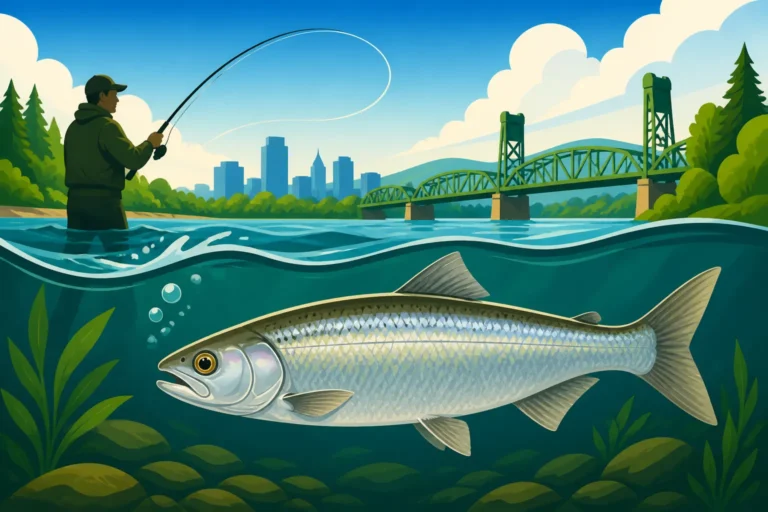
Perhaps one of the most well-known invasive fish problems in Oregon, especially for anyone who fishes the Columbia River Basin, is the northern pikeminnow. These fish aren't technically non-native to the Columbia River system in the broadest sense, but their populations exploded after dam construction, creating an artificial advantage for them. What makes them problematic is their voracious appetite for juvenile salmon and steelhead. Imagine millions of tiny salmon and steelhead smolts, just beginning their perilous journey to the ocean, only to be met by a gauntlet of hungry pikeminnow. They can consume a staggering number of these young fish, posing a significant threat to already struggling anadromous populations.
Northern pikeminnow are found throughout the Columbia and Snake river systems and some of their tributaries. They're opportunistic feeders and can grow quite large, making them effective predators. Oregon and Washington have even implemented programs to reduce their numbers, recognizing the severe impact they have. Anglers who want to learn more about the efforts to control this species might be interested in reading about specific programs, such as Why does Oregon want to remove northern pikeminnow. If you're looking to gear up to target them, a quick search on Amazon for heavy-duty spinners or jigs could yield some effective tools for your tackle box.
Walleye: An Aggressive Eastern Transplant
Walleye are a highly prized game fish in the Midwest, known for their delicious fillets and challenging bite. However, they are decidedly not native to Oregon's waters, and their introduction has caused significant concern. These aggressive predators compete directly with native fish for food and habitat and are known to prey heavily on juvenile salmon, steelhead, and trout. Their sharp teeth and ambush hunting style make them incredibly effective at snatching up smaller fish.
In Oregon, walleye populations are primarily established in the Columbia River, particularly in the reservoirs behind the dams, like The Dalles Pool and John Day Pool. They've also shown up in tributaries like the John Day River, raising alarms about their potential spread. Once established, they're incredibly difficult to remove. Resource managers actively encourage anglers to harvest walleye, especially in sensitive areas, to help control their numbers. It’s a tough situation because while some anglers enjoy catching them, their presence here has real negative consequences for our native species. You can find more specific details about their presence in the state by looking into Walleye in Oregon.
Smallmouth Bass: Friend or Foe?
Here's where things get a little nuanced. Smallmouth bass are undoubtedly a fantastic sport fish, offering thrilling battles on light tackle and making for delicious table fare. They've created popular fisheries in many parts of Oregon, drawing anglers from all over. So, why are they considered invasive and problematic in some contexts? The issue lies in their preferred habitat and diet. Smallmouth bass thrive in warmer, rocky river sections and lakes, and they are highly efficient predators of smaller fish, including juvenile salmon and steelhead, and even native trout.
While they provide excellent recreational opportunities in many warmwater fisheries, their expansion into historically cold-water habitats, crucial for salmonid rearing, is where the conflict arises. In areas like parts of the John Day River or the Umpqua River, where smallmouth bass were introduced, they can negatively impact native fish populations by outcompeting them for food and preying on their young. This is why you'll often see regulations encouraging harvest of smallmouth bass in certain river systems, reflecting a desire to limit their spread and reduce their impact on sensitive native species. It's a tricky balance between enjoying a popular sport fish and protecting our unique native fisheries. For those curious about the regulatory approach, you might explore articles like Why is there no limit on smallmouth bass in Oregon.
Carp and Bullhead Catfish: Bottom Dwellers with Big Impacts
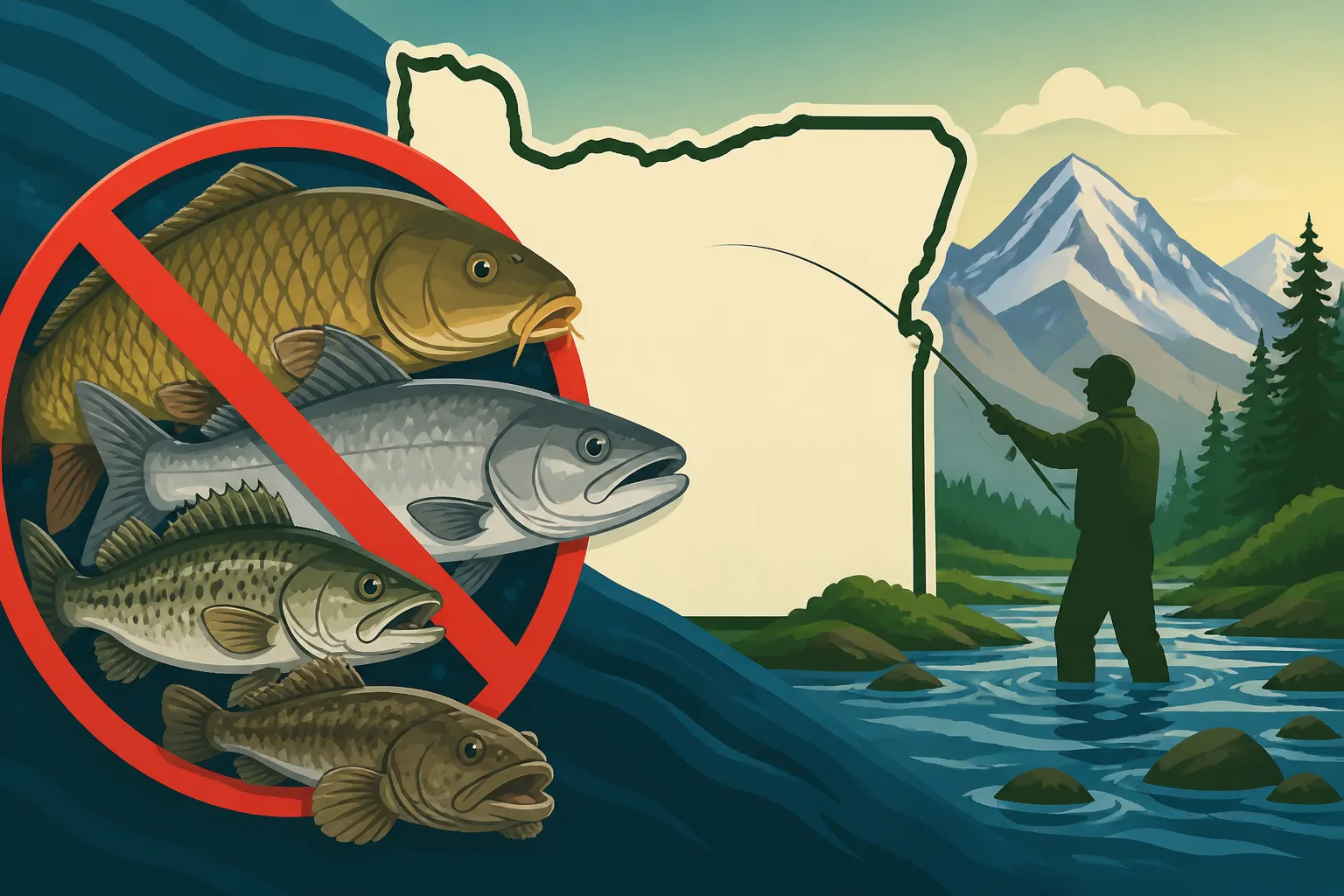
While perhaps not as flashy or as obvious in their predatory behavior as pikeminnow or walleye, common carp and brown bullhead catfish are definitely on the list of problematic invasive species in Oregon. These fish are incredibly hardy and adaptable, allowing them to thrive in a wide range of conditions, often where native species struggle.
Common carp, with their distinctive barbels and bottom-feeding habits, can literally stir up the mud. They root around in the substrate, uprooting aquatic vegetation that provides critical habitat for insects and smaller fish, and increasing turbidity. This makes the water cloudy, reducing light penetration for plants and making it harder for visual predators like trout to hunt. The increased sediment can also smother the eggs of native fish, directly impacting their reproductive success. You'll find them in many lakes and slow-moving rivers across Oregon.
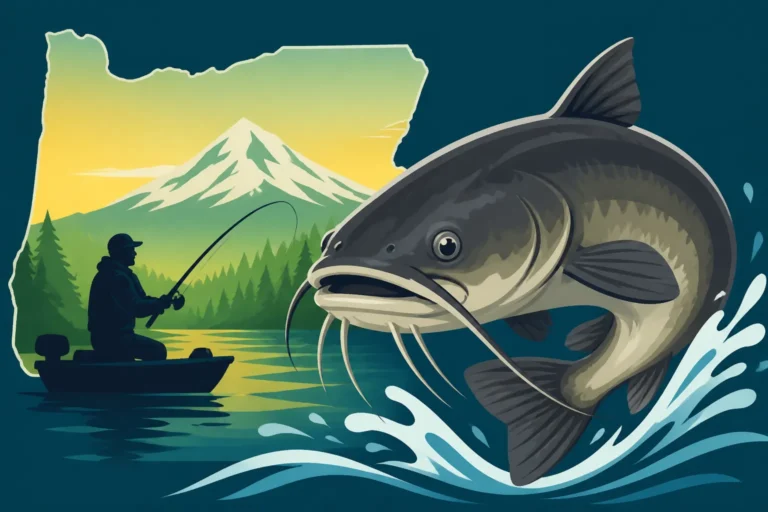
Brown bullhead catfish are another tough, adaptable species. While they can be fun to catch, they compete with native bottom-dwellers for food and space. They're prolific breeders and can quickly establish dense populations, particularly in warm, muddy waters. Their ability to tolerate low oxygen levels and poor water quality means they can persist in degraded habitats, potentially outcompeting native species that require cleaner conditions. Both carp and bullhead catfish contribute to the overall ecological stress on Oregon's aquatic environments. For information specifically on these hardy fish, checking out Brown Bullhead Catfish Fishing could be helpful.
What Anglers Can Do: Strategies for Managing Invasive Fish
As anglers, we're often the first line of defense when it comes to noticing changes in our local waterways. We have a crucial role to play in mitigating the impacts of invasive fish species, and it starts with understanding and adopting responsible practices. It's not just about what we catch, but how we behave on and near the water.
"Catch and Keep" as a Management Tool
One of the most direct ways anglers can help manage invasive fish populations is through a "catch and keep" policy. For many of the species we've discussed, such as northern pikeminnow, walleye, and in certain areas, smallmouth bass and carp, resource managers actively encourage anglers to harvest them. Unlike native species where catch-and-release is often promoted to conserve populations, keeping invasive fish helps to reduce their numbers, lessening their impact on vulnerable native species.
However, it's absolutely critical to always check the latest Oregon fishing regulations before you keep any fish, especially if you're targeting a species that has varying regulations. Bag limits, size restrictions, or even species identification can sometimes be tricky. For instance, while smallmouth bass are often encouraged to be harvested in some river sections, you wouldn't want to accidentally keep a protected native fish. Once you've checked the rules and you're keeping your catch, make sure you have the right gear to process them. A good filleting knife and a reliable cooler for transport are essentials, and you can find a wide selection of these tools on Amazon to help you manage your invasive catches effectively. Remember, your actions on the water can directly contribute to the health of Oregon's native fisheries.
Responsible Angling Practices to Prevent Spread
Beyond what you do with a fish after you catch it, preventing the spread of invasive species is paramount. Many invasive introductions are accidental, and we, as anglers, can inadvertently be carriers if we're not careful. The mantra "Clean, Drain, Dry" is your best friend when moving between different bodies of water.
- Clean: Remove all visible mud, plants, fish, and other organisms from your boat, trailer, waders, boots, and fishing gear before leaving the access area. This means meticulously scrubbing off any plant fragments that might be clinging to your anchor or prop.
- Drain: Drain all water from your boat, including the bilge, live wells, and bait buckets, before you leave. Even a small amount of water can harbor microscopic invaders or juvenile fish.
- Dry: Allow all equipment to thoroughly dry for at least 5 days, or longer if conditions are cool or humid, before using it in another water body. If drying isn't possible, consider high-pressure washing or freezing your gear to kill any hidden hitchhikers.
Never, ever transport live fish from one water body to another, even if you think they're "just minnows" or a species you intend to keep. This is a primary pathway for new introductions and carries severe penalties. Always dispose of unwanted bait in the trash, not in the water. Regularly checking for updates on How often do Oregon fishing regulations change can also keep you informed about new threats or specific localized advisories.
Supporting Oregon's Management Efforts
Oregon's wildlife agencies, like the Oregon Department of Fish and Wildlife (ODFW), are constantly working to manage and mitigate the impact of invasive species. As anglers, we can support these efforts in several ways. One example is the long-running Northern Pikeminnow Sport Reward Program on the Columbia and Snake rivers. While I can't give specific figures, this program incentivizes anglers to catch and remove pikeminnow, directly contributing to the protection of juvenile salmon and steelhead. Participating in such programs, if and when they are active, can be a direct and impactful way to help.
Additionally, simply being observant and reporting unusual fish sightings can be incredibly valuable. If you catch a fish you don't recognize, especially in an area where it's not typically found, take a photo, note the location, and report it to ODFW. Early detection is key to controlling new invasions. Finally, advocating for funding and policies that support invasive species management and native fish restoration is another way to contribute. Staying informed, following regulations, and practicing good stewardship ensures that our children and grandchildren can enjoy the incredible fishing opportunities Oregon has to offer for generations to come. For specific gear that helps with identification or proper handling for these efforts, browsing resources like Amazon can sometimes offer helpful tools, such as field guides or measurement devices.
Invasive Fish Species in Oregon: At a Glance
Here's a quick overview of some of the main invasive fish species we've discussed and their primary impacts in Oregon's waterways. Remember, this isn't an exhaustive list, but it highlights some of the most pressing concerns for our native fisheries.
| Invasive Species | Primary Locations in Oregon | Main Impact on Native Ecosystems | General Angler Action Encouraged |
|---|---|---|---|
| Northern Pikeminnow | Columbia River, Snake River, major tributaries | Predation on juvenile salmon and steelhead | Catch and keep, participation in reward programs |
| Walleye | Columbia River reservoirs (John Day, The Dalles pools), John Day River | Predation on juvenile salmon, steelhead, trout; competition | Catch and keep, no release |
| Smallmouth Bass | Columbia River, John Day, Umpqua, Willamette, many lakes | Predation on juvenile salmon, steelhead, trout; competition | Catch and keep (check local regulations) |
| Common Carp | Warmwater lakes, slow rivers, reservoirs | Habitat alteration (turbidity, uprooting vegetation), competition | Catch and keep, no release |
| Brown Bullhead | Warm, muddy lakes, ponds, slow rivers | Competition with native bottom feeders, high reproductive rates | Catch and keep, no release |
Disclaimer
This article is for general informational purposes only and does not constitute professional advice. Laws, prices and regulations vary by location and change over time. Consult a qualified professional for guidance on your specific situation.