Why does Oregon encourage removing smallmouth bass
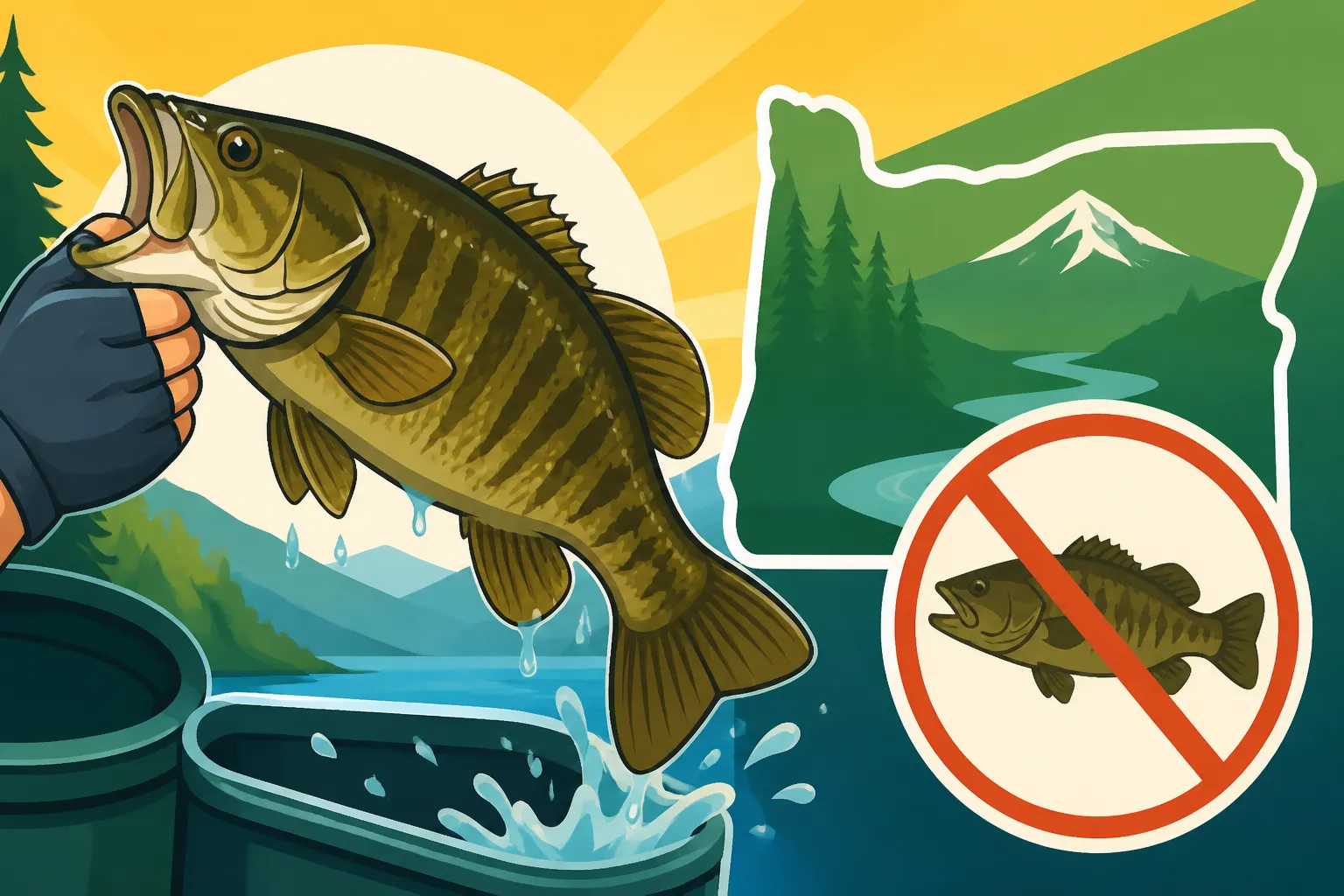
It can be incredibly confusing and even a little disheartening when you're out enjoying a beautiful day on an Oregon river, reeling in a feisty smallmouth bass, only to hear whispers or read official recommendations about removing them. For many anglers, the smallmouth is a fantastic sport fish, offering an aggressive bite and a spirited fight. So, why would Oregon, a state renowned for its diverse fisheries, actively encourage you to not only catch but keep this popular species, even urging their removal from certain waters? This guide will dive deep into the ecological reasons behind Oregon's stance, helping you understand the delicate balance of our waterways and how you, as a responsible angler, can play a vital role.
The Smallmouth Bass: An Oregonian Paradox
Let's be honest, for many, the smallmouth bass is a welcome adversary. They're smart, they're strong, and they'll readily hit a variety of lures, making them a fantastic target for anglers of all skill levels. However, in the grand scheme of Oregon's unique aquatic ecosystems, this beloved game fish presents a significant challenge.
A Beloved Fighter, An Unwanted Guest
The smallmouth bass, Micropterus dolomieu, isn't native to the Pacific Northwest. Like many popular game fish across the country, they were introduced to Oregon's waters in the late 19th and early 20th centuries, primarily to create new recreational fishing opportunities. They adapted remarkably well to certain environments, particularly warmer, slower-moving river sections and reservoirs, thriving in places like the John Day River, portions of the Columbia River, and various lakes across the state.
Anglers quickly fell in love with them. There's a certain thrill to feeling that distinctive thump on your line when a smallmouth hammers a spinnerbait or a soft plastic worm. Their acrobatic jumps and powerful runs can make for an unforgettable fishing experience. This widespread popularity, however, often clashes with the state's conservation goals for its native species. It’s a genuine internal conflict for many of us: how can a fish that brings so much joy to the sport also be considered a problem? The disconnect can be frustrating, especially if you're new to fishing in Oregon and are used to catch-and-release practices for most species.
Understanding Oregon's Native Fish Heritage
To truly grasp why smallmouth bass are viewed differently, we need to talk about Oregon's native fish. When people think of fishing in Oregon, images of chrome-bright salmon and powerful steelhead often come to mind. These iconic species, along with various native trout (like the coastal cutthroat and redband trout), are the ecological keystones of many Oregon rivers. They've evolved over millennia to thrive in specific cold-water habitats, relying on a complex web of prey, predators, and environmental conditions.
The lives of Oregon Salmon Species Guide and Oregon Steelhead Guide are incredibly complex, involving vast migrations from freshwater spawning grounds to the ocean and back again. Their juvenile stages, known as fry and smolts, are particularly vulnerable. They spend crucial periods in rivers and tributaries, feeding and growing before making their perilous journey to the sea. The health of these native populations is not just an ecological concern; it's deeply ingrained in Oregon's cultural identity, its tribal traditions, and its economy. When these delicate ecosystems face an imbalance, such as the introduction of a new, highly effective predator, the ripple effects can be devastating.
The Ecological Impact of Non-Native Smallmouth Bass
The heart of Oregon's encouragement to remove smallmouth bass lies in their ecological impact. While they provide excellent angling opportunities, their presence, particularly in critical native fish habitats, can severely undermine conservation efforts for salmon, steelhead, and other native species.
Competition for Food and Habitat
Smallmouth bass are opportunistic and adaptable predators, and they're not picky eaters. They'll gobble up a wide variety of prey, including crayfish, aquatic insects, and smaller fish. Here's where the problem begins: many of these food sources are also vital for juvenile native salmon, steelhead, and trout.
Imagine a stretch of river that historically provided enough bugs and small fish for a certain number of young trout. Now, introduce a thriving population of smallmouth bass. Suddenly, those limited resources are being competed for by an additional, highly efficient predator. This competition can lead to reduced growth rates for native fish, lower survival rates for their offspring, and ultimately, a decline in their overall numbers.
Furthermore, smallmouth bass often prefer habitats that, while seemingly distinct, can overlap with or degrade native fish areas. They thrive in warmer, slower-moving water, often found in the lower reaches of rivers or in reservoirs. However, as native fish populations are stressed, their remaining habitats become even more critical, and any encroachment or competitive pressure from an introduced species adds to the challenge. The delicate balance of a river's ecosystem can be thrown off, making it harder for native species to find the food and cover they need to survive and reproduce.
Predation on Native Juvenile Fish
This is arguably the most significant reason behind the "remove" recommendation. Smallmouth bass are voracious predators, and their diet can include the most vulnerable members of Oregon's native fish populations: the fry and smolts of salmon and steelhead.
Consider the journey of a young Chinook salmon or a steelhead smolt. They've hatched in a cold, clean tributary, grown for a year or two, and are now making their way downstream towards the ocean. This migration is already fraught with danger from natural predators like birds, larger fish, and even seals. Adding a dense population of smallmouth bass, especially in bottleneck areas or lower river sections like those on the John Day River Fishing Guide, Columbia River Fishing Guide, or even the lower Willamette River Fishing Guide, creates an additional, man-made gauntlet.
Studies, particularly in the John Day River, have shown that smallmouth bass can consume a significant number of migrating salmon and steelhead smolts. These young fish are small, soft-bodied, and relatively easy prey for a bass. Their presence effectively turns vital migratory corridors into gauntlets of predation, severely impacting the number of juvenile fish that actually make it to the ocean. This loss directly translates to fewer adult salmon and steelhead returning to spawn years later, threatening the long-term viability of these iconic runs. It’s a direct threat to the very foundation of Oregon's native fisheries.
Habitat Alteration and Water Quality
While not as direct as predation or competition, the thriving presence of smallmouth bass can also subtly contribute to habitat changes that further disadvantage native species. Smallmouth bass often prefer areas with some submerged structure, rocky bottoms, and warmer temperatures. As these fish establish strong populations, they can alter the micro-habitats of a river.
For instance, their preference for certain types of cover and their aggressive territorial nature can displace native species that rely on similar structures for spawning or refuge. While smallmouth bass themselves might not drastically alter the physical landscape of a river in the same way, say, a beaver might, their sheer numbers and feeding habits contribute to an overall shift in the aquatic community dynamics. In some cases, dense populations of any fish can impact water clarity or nutrient cycling, though this is a less direct impact than their predatory behavior. The broader issue is that their success often comes at the expense of the specific environmental conditions that native fish require to truly thrive.
Oregon's Strategy for Managing Smallmouth Bass Populations
Recognizing the significant threat smallmouth bass pose to native fish, the Oregon Department of Fish and Wildlife (ODFW) has developed specific management strategies. These strategies aim to mitigate the negative impacts of smallmouth bass while still acknowledging that they are a popular sport fish in certain contexts.
"Catch and Retain" Regulations
This is where the "encouraging removal" comes into play. For many non-native invasive species, the ODFW implements liberal regulations, or in some cases, no regulations at all. For smallmouth bass, this often means there are:
- No Bag Limits: You can keep as many smallmouth bass as you catch.
- No Size Limits: You can keep bass of any size.
- No Season Restrictions: You can fish for and keep them year-round in most waters where they are found.
This differs significantly from the highly regulated seasons, bag limits, and size restrictions placed on native species like salmon, steelhead, and many Oregon Trout Species Guide. The idea is to incentivize anglers to remove these fish from the ecosystem. Every smallmouth bass removed is one less predator competing with or preying on vulnerable native fish. It’s a proactive approach that leverages the angling community as a crucial partner in conservation. While catch and release is a noble ethic for many species, with smallmouth bass in Oregon, catch and retain is often the preferred path for the health of the entire river system.
The regulations are a clear departure from the norm, and it's something every angler needs to be aware of. You can find comprehensive details in the Oregon Fishing Regulations Explained booklet, which is updated annually. Understanding these unique rules is part of being a responsible angler in Oregon.
Specific Waterways and Targeted Efforts
While smallmouth bass are found in various waters across Oregon, the ODFW focuses its removal efforts most intensely in areas where they pose the greatest threat to native salmon and steelhead migrations. These include:
- The John Day River: This river is often highlighted as a prime example. The John Day is one of Oregon's longest free-flowing rivers and provides critical spawning and rearing habitat for wild steelhead and Chinook salmon. Smallmouth bass populations here have exploded, and their impact on smolt survival is well-documented. Anglers on the John Day are strongly encouraged to remove all smallmouth bass caught.
- The Columbia River Basin: Sections of the mighty Columbia, particularly in the lower and middle river, also support significant smallmouth bass populations. Given the sheer volume of migrating salmon and steelhead in the Columbia, managing bass here is a monumental task. The Columbia River Basin Endorsement, often required for fishing here, helps fund efforts to manage native and non-native species.
- Willamette River System: While perhaps less publicized than the John Day, smallmouth bass are also present in the Willamette River and some of its tributaries. As an important migratory route for spring Chinook and other species, management efforts here are also crucial.
ODFW doesn't just rely on anglers; they also conduct their own research, monitoring, and sometimes targeted removal programs using electrofishing or other methods in specific areas to reduce bass numbers and study their impact. These efforts are often part of broader native fish recovery plans and are informed by extensive scientific data.
The Long-Term Vision for Native Species
Oregon's encouragement to remove smallmouth bass is not about eradicating a species for sport; it's about ecosystem health and the long-term survival of native fish. The goal is to restore and protect the delicate balance of Oregon's coldwater river systems, allowing native salmon, steelhead, and trout to thrive as they have for thousands of years.
Every smallmouth bass removed helps reduce predation pressure and competition, giving native juveniles a better chance to survive their downstream migration. It’s a long game, one that requires consistent effort and angler participation. By understanding the "why" behind these regulations, anglers become active participants in conservation, rather than just observers. It contributes to a larger vision of robust, self-sustaining native fish populations that are vital for the ecological integrity and biodiversity of the state.
What Anglers Can Do to Help (and Still Enjoy Fishing!)
The idea of removing a fish you enjoy catching might feel counterintuitive at first. However, understanding the ecological context allows anglers to become active participants in conservation. You can still have a blast targeting smallmouth bass while also contributing positively to Oregon's native fish recovery efforts.
Responsible Angling Practices
The first step is always to be informed. Before heading out, make sure you understand the Oregon Fishing Regulations Explained for the specific body of water you'll be visiting. Regulations can vary significantly by river and even by specific zones, as outlined in Oregon Fishing Zones Explained. This is especially true for species like smallmouth bass, where the standard catch-and-release ethos is often superseded by a "catch and retain" recommendation.
Proper identification is also key. Smallmouth bass have distinct characteristics, but it's important to be able to tell them apart from native trout or even other bass species that might have different regulations. Pay attention to markings, mouth size, and overall body shape. If you're ever unsure, the ODFW website or a quick check of the regulations booklet can usually clarify.
When it comes to dispatching fish for removal, ethical practices are paramount. A swift, humane dispatch ensures the fish doesn't suffer. Many anglers use a blunt instrument (often called a "priest") to quickly stun or dispatch the fish with a blow to the head. This is a respectful way to handle a fish that you are choosing to remove from the system. Don't simply discard them; utilize them! Smallmouth bass are excellent table fare, offering firm, white, flaky meat. You can enjoy a delicious meal while also knowing you've helped protect native species.
Gear and Techniques for Bass Removal
The beauty of targeting smallmouth bass for removal is that you can still use all your favorite techniques and gear for these hard-fighting fish. You don't need specialized "removal" gear; just whatever works best to get them on the hook!
Smallmouth bass are known for hitting a wide array of lures. Here are some popular and effective options you might consider, many of which are readily available:
- Spinnerbaits and Buzzbaits: These create a lot of flash and vibration, making them irresistible to aggressive smallmouth. They are particularly effective in stained water or around cover.
- Crankbaits: Diving crankbaits that imitate baitfish are excellent for covering water and finding active bass. Vary your retrieve speed to see what triggers a strike.
- Soft Plastics: Jigs dressed with plastic grubs, tubes, or worms are incredibly versatile. Rigged weedless, they can be worked through rocky areas and submerged structures where bass often hide. You can find a huge variety of soft plastics and jig heads on platforms like Amazon.
- Topwater Lures: When conditions are right (calm water, low light), topwater lures like poppers, walking baits, and prop baits can provide some of the most exciting strikes. There’s nothing quite like a smallmouth blowing up on a surface lure!
- Live Bait: If legal in the specific waters you are fishing (always check regulations!), nightcrawlers or crayfish can be extremely effective for enticing smallmouth bass.
The goal is to be effective at catching them. Whether you prefer casting from the bank, as detailed in Best bank fishing spots near Portland Oregon or Bank Fishing Techniques for Oregon Rivers, or fishing from a boat, the techniques for How to Fish for Smallmouth Bass in Oregon are enjoyable and rewarding. Remember, every bass caught and retained is a small victory for Oregon's native fish populations. You're not just fishing; you're actively participating in conservation, ensuring that the legacy of Oregon's incredible salmon and steelhead runs continues for future generations.
| Smallmouth Bass Management Strategy in Oregon | Explanation | Impact on Anglers |
|---|---|---|
| No Bag Limit | Anglers can keep all smallmouth bass caught. | Encourages retention rather than catch-and-release, maximizing removal. |
| No Size Limit | Bass of any size, from juveniles to large adults, can be retained. | Allows for removal of all life stages, addressing predation at various levels. |
| No Closed Season | Fishing for smallmouth bass is permitted year-round in most waters where they are established. | Provides continuous opportunity for anglers to contribute to removal efforts. |
| Targeted Waterways | Focus on rivers like the John Day, Columbia, and Willamette where native fish are most vulnerable. | Anglers in these specific areas have the greatest impact on conservation goals. |
| Angler Education | ODFW provides information on identification, ecological impact, and regulations through various channels. | Empowers anglers to make informed decisions and participate responsibly. |
| Scientific Monitoring | ODFW monitors bass populations and native fish survival to assess effectiveness of management strategies. | Ensures strategies are data-driven and adapted as ecological conditions change. |
Disclaimer
The information provided in this guide is for general informational purposes only and is subject to change. Always consult the official Oregon Department of Fish and Wildlife (ODFW) regulations for the most current and accurate information regarding fishing licenses, seasons, bag limits, and specific rules for any body of water before you go fishing. Your adherence to these regulations is crucial for the conservation of Oregon's diverse fisheries.