Best month to catch halibut off the Oregon coast
The dream of hooking into a powerful Pacific Halibut off the Oregon coast is one many anglers share. These flat-bodied giants offer an incredible fight and some of the finest eating fish out there. But anyone who's tried to plan a trip knows the frustrating question that always comes up: when is the best month to actually go? Oregon's halibut fishery isn't a year-round free-for-all; it's a carefully managed, highly anticipated season. This guide is going to walk you through exactly what months typically offer the prime opportunities, why, and what other crucial factors you need to consider to maximize your chances of success.
Understanding Oregon's Halibut Fishery
Before we dive into the calendar, it's essential to grasp a few fundamental truths about halibut fishing in Oregon. This isn't like casting for trout in a stocked pond; it's a deep-water pursuit for a magnificent, highly regulated species. Understanding the fish and the rules governing its harvest is the first step to planning a successful trip.
The Biology and Behavior of Pacific Halibut
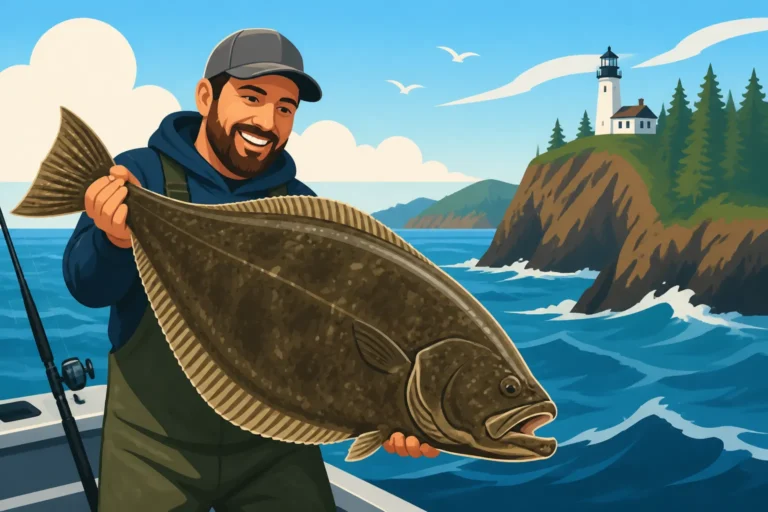
Pacific Halibut are truly remarkable creatures. They're the largest flatfish in the world, growing to immense sizes – we're talking about specimens that can weigh hundreds of pounds, though most sport-caught fish are considerably smaller, still offering a serious battle. These fish are bottom-dwellers, often found over sandy or gravelly bottoms, rocky reefs, and pinnacles anywhere from relatively shallow nearshore waters to depths exceeding a thousand feet. They're opportunistic predators, ambushing a wide variety of prey including smaller fish, crab, and squid.
Their migratory patterns are a huge factor in Oregon's fishery. While some halibut might reside year-round in certain areas, many undertake extensive seasonal migrations, moving to deeper waters in winter for spawning and then spreading out into shallower feeding grounds as spring and summer progress. This movement is why timing your trip is so critical; you want to be out there when they're actively feeding and concentrated in accessible areas. They're also a relatively long-lived species, which means careful management is absolutely essential to ensure sustainable populations for future generations of anglers.
Regulatory Framework and Season Setting
Oregon's halibut season isn't static; it changes every year and is a complex dance between federal and state agencies. The Pacific Fishery Management Council (PFMC) sets the overall catch limits (quotas) for the entire West Coast, and then the Oregon Department of Fish and Wildlife (ODFW) manages Oregon's specific allocation. This involves careful monitoring of catch rates throughout the season.
What does this mean for you? It means the "best month" can sometimes be a moving target, directly influenced by when the season actually opens and how quickly the quota is met. There are typically different sub-seasons: a general "all-depth" season, which allows fishing in deeper offshore waters, and a "nearshore" season, which targets shallower waters, often closer to shore and more accessible to smaller boats. The all-depth season often opens first and is highly anticipated, but can close abruptly if the quota is reached too quickly. It's not uncommon for specific days or weekends to be announced just weeks in advance. This dynamic nature means you absolutely must stay updated on the latest regulations from ODFW. It's a key piece of information you'll need alongside your Oregon Fishing License Guide and understanding of Oregon Fishing Season Dates and Limits.
| Season Type | Typical Depth | Target Areas | Fishing Pressure | Notes |
|---|---|---|---|---|
| All-Depth | 40-1000+ feet | Offshore banks, pinnacles | High, especially early | Often quota-driven, dates announced close to season |
| Nearshore | <40 fathoms | Closer to shore, reefs | Moderate | More consistent, but targets different fish sizes |
Prime Time for Pacific Halibut: The Best Months
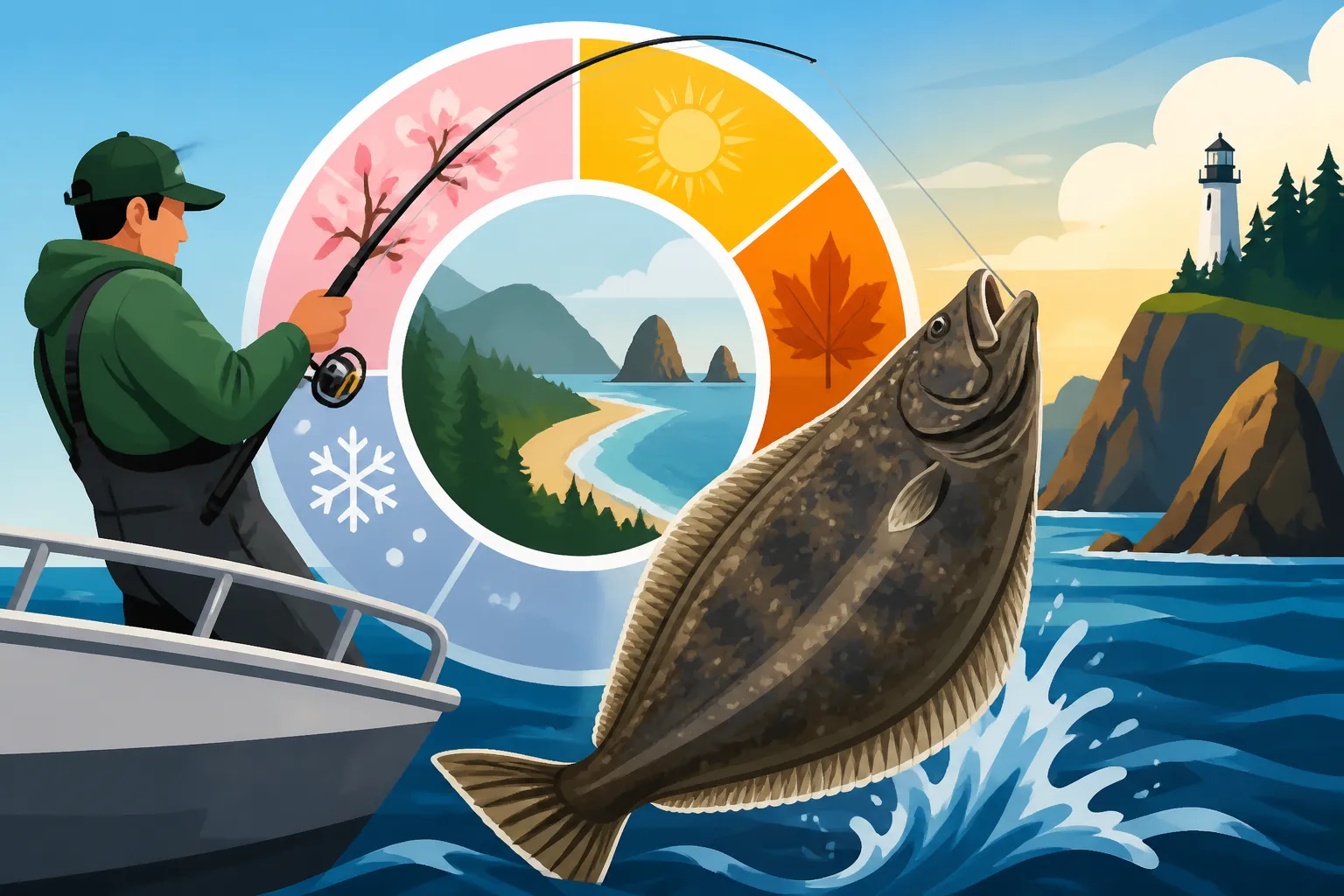
While flexibility is key due to the dynamic nature of the fishery, certain months consistently stand out as offering excellent opportunities for halibut off the Oregon coast. These months generally align with improving weather and the halibut's feeding migrations.
May and June: Kicking Off the Season
Historically, May often marks the kickoff of the primary "all-depth" halibut season in Oregon, and sometimes the nearshore fishery too. There's an incredible buzz in coastal towns like Newport and Garibaldi as anglers eagerly await the first announced dates. The fish, having completed their spawning migrations, are typically hungry and moving onto shallower feeding grounds.
The excitement is palpable, and for good reason: the fishing can be phenomenal. Early season halibut are often quite aggressive, and you might encounter some truly impressive specimens. However, May and early June can also be a bit of a gamble with the weather. Offshore trips require calm seas, and while you might get a string of beautiful days, you're just as likely to face strong winds and rough swells that can shut down the fishery for days at a time. Booking a trip during this period often means having a few alternative dates in mind or being prepared to reschedule if Mother Nature doesn't cooperate. If you hit it right though, these early season days can be legendary. This is also when demand for guides is incredibly high, so planning ahead is crucial. You'll definitely want to check the When does Oregon halibut season open information as soon as it's released each year.
July and August: Mid-Summer Opportunities
For many seasoned Oregon halibut anglers, July and August are often considered the sweet spot, the absolute prime time for consistently good fishing. Why? A few key reasons. First and foremost, the weather tends to be much more stable. While the ocean can always be unpredictable, the chances of encountering extended periods of calm, fishable seas are significantly higher in mid-summer. This means fewer canceled trips and more opportunities to get out to the productive offshore grounds.
Secondly, the halibut are typically well-established on their feeding grounds, and while initial catch rates might not be as explosive as the opening days of May, the fishing remains strong and often more consistent day-to-day. Both the all-depth and nearshore fisheries are usually active, giving anglers more options depending on their boat size and target species. Many Oregon Fishing Charter Guide operations are running almost daily during these months, taking advantage of the favorable conditions and abundant fish. If you're planning a family trip or you're new to offshore fishing, these months offer the best chance for a comfortable and productive outing. This is also when you'll find plenty of information on Pacific Halibut off Oregon as the season progresses.
September and October: Late Season Surges
Don't count out the late season! While August might see the peak of the summer crowds, September and even early October can offer some fantastic halibut fishing, often with the added bonus of fewer boats on the water. As the summer winds down, the halibut are continuing to feed heavily, packing on weight before the colder months. Some anglers believe these later months can even produce larger individual fish, as the bigger, older halibut are less pressured and more focused on gorging themselves.
However, just like May and June, the weather becomes a significant factor again. September can still offer beautiful, calm days, but by October, the chances of stormy weather, strong winds, and large ocean swells increase dramatically. Trips can become less frequent, and only those with serious resolve and flexible schedules can truly capitalize on these late-season opportunities. Always keep a very close eye on marine forecasts if you're planning a fall halibut trip. The reward, however, can be a memorable catch on a less crowded ocean.
Factors Influencing Halibut Success Beyond the Month
While knowing the best months is crucial, it's only one piece of the puzzle. Halibut fishing on the Oregon coast is a complex endeavor, and several other factors can dramatically influence your success, regardless of the calendar.
Weather and Ocean Conditions
This cannot be stressed enough: weather is king when it comes to offshore halibut fishing. A perfect fishing month on the calendar means nothing if the ocean is too rough to safely or effectively fish. Wind speed and direction, swell height, and wave period are all critical considerations. You're looking for calm days, ideally with winds under 10-15 knots and swells under 4-6 feet. Anything more than that, and a trip can quickly become uncomfortable, unproductive, or even dangerous.
Many charter captains meticulously watch the marine forecasts for days leading up to a trip, often making the final decision to go or cancel just hours before departure. This is why flexibility is a virtue for halibut anglers. If you're coming from out of state, plan a few buffer days if possible, so you can adapt to weather windows. Don't be afraid to postpone if conditions look dicey; the ocean demands respect. A good barometer, which you can track with a weather app or even a dedicated weather station, can also give you clues about approaching fronts and changing conditions.
Tides and Depths
Halibut are bottom fish, and their feeding behavior is often influenced by current, which is driven by tides. While not as critical as for salmon in river mouths, understanding the tidal swings can help predict when halibut might be more active. Often, the slack tide periods (the hour or so around high or low tide when the current is minimal) can be productive, as it's easier for the fish to feed without expending too much energy fighting a strong current. However, a light current can also be beneficial, helping to spread your scent and bait.
As for depth, the term "all-depth" isn't just for show. Halibut can be found anywhere from 60 feet to well over 600 feet, sometimes even deeper. The specific depth you target often depends on the time of year, location, and whether you're in the "all-depth" or "nearshore" fishery. For instance, early season often sees them in shallower, more accessible waters, while later in the season or during certain migrations, they might be holding much deeper. Knowing the general depths of various halibut banks and adjusting your fishing strategy accordingly is part of the game. For deep fishing, a good quality electric reel can be a lifesaver, making it much easier to drop heavy weights to the bottom and retrieve your catch.
Gear and Technique
Having the right gear and employing effective techniques are paramount. For halibut, you're generally going to need heavy-duty conventional rods paired with robust reels capable of holding several hundred yards of strong braided line (like 80-100 pound test). Heavy sinkers, often 1-3 pounds, are necessary to get your bait down to the desired depths and hold it there against current.
When it comes to bait, fresh herring or squid are perennial favorites, often presented on a large circle hook with a dropper loop rig. Many anglers also have great success with large lead-head jigs tipped with bait or artificial scented grubs. The technique often involves dropping your bait to the bottom, reeling up a few cranks to keep it just off the seafloor, and then slowly jigging or letting the boat's drift do the work. Remember, halibut bites can sometimes be incredibly subtle, like a slight increase in weight, so paying close attention to your rod tip is crucial. You can find a huge array of suitable tackle, from heavy-duty reels to a variety of jigs and terminal tackle, on platforms like Amazon or at specialized local tackle shops. If you want to dive deeper into how to fish for these giants, check out How to Fish for Halibut off the Oregon Coast.
Planning Your Oregon Halibut Adventure
A successful halibut trip takes more than just showing up on a good day. It requires thoughtful planning and preparation, especially given the unique nature of this fishery.
Booking Charters and Guides
Unless you own a large, well-equipped boat and have extensive offshore experience, booking a reputable fishing charter is usually the best way to chase halibut. Oregon's coastal towns are home to many excellent charter operations, each with experienced captains who know the local waters, bait, and where the halibut are typically holding. Popular ports include Newport, Astoria, Depoe Bay, and Garibaldi.
However, due to the limited season and high demand, these charters book up fast, especially during the prime months of July and August. It's not uncommon for the best boats to be fully booked months in advance, sometimes even a year out, particularly for weekend dates. If you're serious about a halibut trip, start looking at available dates and making reservations as soon as ODFW announces the preliminary season structure. Don't wait until the last minute! A quick search for Halibut Charter Trips off Newport or other specific ports will show you many options, but always check their reputation and booking availability well in advance. Keep in mind that charter prices generally cover the boat, captain, crew, and most gear, but often not your fishing license or the required endorsements.
Essential Gear and Preparations
Even if you're on a charter, there's certain personal gear you'll want to bring to ensure a comfortable and safe trip. The Oregon coast can be surprisingly chilly, even in summer, and offshore conditions can change rapidly. Always dress in layers, and bring waterproof outer layers. A good quality rain jacket and pants are non-negotiable, and you can find excellent options on Amazon or at any outdoor gear store.
Other essentials include:
- Motion sickness medication: Take it before you get on the boat, not when you start feeling queasy.
- Food and drinks: Stay hydrated and energized.
- Sunscreen, hat, and sunglasses: Even on cloudy days, UV exposure is high on the water.
- Cooler with ice: For your fillets if you're lucky enough to catch a halibut.
- Fishing license and endorsements: You must have an Oregon fishing license and an Oregon Ocean Endorsement to fish for halibut. Make sure these are purchased and valid before you leave the dock. You can usually buy these online or at local sporting goods stores.
- Camera: To capture those epic moments!
Safety First on the Ocean
The Pacific Ocean off Oregon is stunningly beautiful, but it can also be incredibly powerful and unforgiving. Safety should always be your number one priority. If you're on a charter, listen carefully to your captain and crew; they are experienced professionals. If you're heading out in your own boat, ensure it's seaworthy, properly equipped with all required safety gear (life jackets, flares, first-aid kit, VHF radio, GPS, etc.), and that you have a thorough understanding of marine navigation and weather.
Always file a float plan with someone on shore, letting them know where you're going, who's with you, and when you expect to return. Check marine forecasts multiple times before and during your trip. Never take unnecessary risks just to try and catch a fish. There will always be another day to fish, but there might not be another chance if you push your luck too far. For a broader perspective on planning any fishing adventure in the state, consult Best time of year to fish in Oregon.
Catching a halibut off the Oregon coast is an experience you won't soon forget, and by focusing on the generally productive months, staying informed about regulations, and preparing meticulously, you can dramatically increase your chances of success.
Disclaimer
This article is for general informational purposes only and does not constitute professional advice. Laws, prices and regulations vary by location and change over time. Consult a qualified professional for guidance on your specific situation.