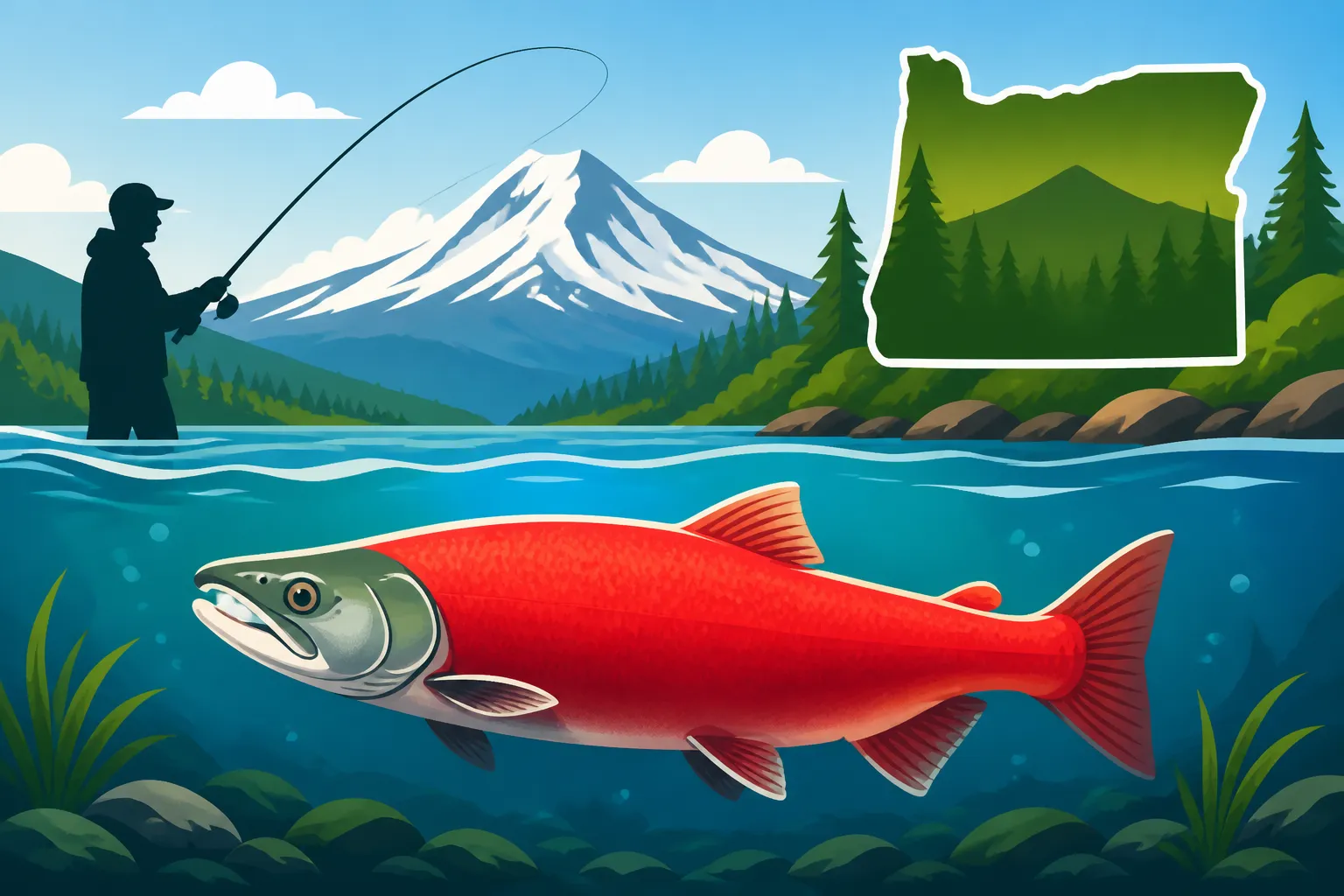
Kokanee Salmon in Oregon
If you've ever dreamt of battling a feisty, silvery fish that pulls hard for its size and offers some truly delicious table fare, then you've probably heard whispers about kokanee salmon in Oregon. These landlocked sockeye are a unique challenge and a huge draw for anglers across the state, but finding them and coaxing them to bite can feel like cracking a secret code. This guide is here to break down everything you need to know, from understanding their lifecycle to mastering the techniques that put them in your net, so you can enjoy the thrill of kokanee fishing on Oregon's beautiful waters.
Understanding Kokanee Salmon in Oregon: A Unique Freshwater Experience
Kokanee salmon are a bit of a marvel in the angling world, especially here in Oregon. They're not your typical ocean-going salmon; instead, they live out their entire lives in freshwater lakes and reservoirs, providing a distinct and often thrilling fishing experience. If you’re used to chasing steelhead or big Chinook, getting acquainted with kokanee might feel a little different, but it’s a rewarding learning curve.
What Makes Kokanee Different from Other Salmon?
First off, let's clear up some common misconceptions. Kokanee are essentially landlocked sockeye salmon. They are genetically identical to their ocean-going cousins but have adapted to complete their entire life cycle within a freshwater environment. This means no epic migrations to the Pacific Ocean and back! Because of this adaptation, they tend to be significantly smaller than their anadromous relatives, typically ranging from 10 to 20 inches in Oregon, though occasionally larger specimens are caught. Don't let their size fool you, though; they are powerful fighters, often making impressive runs and head shakes that can test your light tackle.
Their diet is another key differentiator. Unlike most salmon that gorge on smaller fish in the ocean, kokanee are primarily plankton feeders. They filter microscopic organisms from the water column, which means traditional baits like worms or chunks of fish aren't usually on their menu. This plankton-heavy diet also contributes to their distinctive orange-red flesh, which is highly prized for its flavor. Their life cycle is also compressed, typically lasting only three to four years. Like other salmon, they undertake a spawning migration up feeder streams or along lake shores, turn a vibrant red, develop a hooked jaw (for males), and then die shortly after spawning, completing their amazing journey. This short, intense life cycle makes them a vibrant but delicate species, requiring careful management from wildlife agencies and thoughtful angling practices from us. Understanding these biological nuances is the first step to becoming a successful kokanee angler.
Where Do Kokanee Thrive in Oregon?
Kokanee are quite particular about their living conditions, preferring deep, cold, and clear lakes and reservoirs with good dissolved oxygen levels. They need these specific conditions because they are a cold-water species, sensitive to warm temperatures. During the warmer months, you'll often find them suspended in the water column at specific depths, seeking out their preferred temperature range and concentrations of zooplankton. This can be anywhere from 20 to 100 feet deep, depending on the lake and time of year. Knowing this depth preference is crucial for targeting them effectively.
Oregon is blessed with several fantastic kokanee fisheries, thanks to its diverse landscape of mountain lakes and large reservoirs. These bodies of water are typically fed by clean, cold rivers and streams, providing the ideal habitat for kokanee to flourish. The availability of food (plankton), adequate spawning habitat, and minimal competition from other species also play a significant role in where kokanee populations can sustain themselves. Look for lakes with stable water levels, as drastic fluctuations can impact spawning success. Also, lakes that are actively stocked by the Oregon Department of Fish and Wildlife often have more robust and consistent kokanee populations, offering better opportunities for anglers. Always check the current Oregon Fishing Regulations Explained for specific lake rules and stocking reports.
Top Oregon Lakes for Chasing Kokanee
Oregon boasts a variety of fantastic lakes and reservoirs where kokanee salmon thrive, offering anglers diverse settings and experiences. From high-altitude mountain lakes to expansive, multi-species reservoirs, there's a kokanee fishery for every preference. The key to success often lies in understanding the unique characteristics of each body of water and adapting your approach accordingly.
Central Oregon's Kokanee Hotspots
Central Oregon is arguably the crown jewel for kokanee fishing in the state, featuring some of the most consistent and productive fisheries.
Wallowa Lake: Tucked away in the northeastern corner of Oregon, near the charming town of Joseph, Wallowa Lake Fishing Guide is renowned for its stunning beauty and its healthy kokanee population. This deep, glacial lake offers incredible fishing opportunities, with kokanee often growing to impressive sizes here. Anglers typically target kokanee by trolling with downriggers, as the fish can suspend at significant depths. Early mornings and evenings are often the most productive, especially during the warmer summer months when the fish retreat to deeper, cooler waters. The clear, pristine waters of Wallowa Lake make stealth and subtle presentations key to success.
Lake Billy Chinook: Located at the confluence of the Deschutes, Crooked, and Metolius Rivers, Lake Billy Chinook Fishing Guide is another premier kokanee destination. This large reservoir is famous for its powerful kokanee, often reaching sizes that make them feel like much larger fish on the line. The unique arms of the lake each offer different fishing experiences. For instance, the Metolius Arm, with its consistently cold water, can be particularly productive. Due to the size and depth of Lake Billy Chinook, effective kokanee fishing almost always involves downriggers to get your gear to the precise depth where the schools are holding. Locals swear by a variety of small, colorful hoochies and wedding ring spinners, often tipped with corn.
Odell Lake: High in the Cascade Mountains, Odell Lake is a beautiful, deep lake known for its kokanee, mackinaw (lake trout), and rainbow trout. While the mackinaw get a lot of attention, the kokanee here are plentiful and provide fantastic action. Fishing here often involves trolling, and many anglers use lead core line or downriggers to reach the desired depths, which can vary greatly throughout the day. The picturesque setting and generally calmer waters make Odell a favorite for many, especially during the summer.
Paulina Lake and East Lake: These two sister lakes, nestled within the Newberry National Volcanic Monument, are not only incredibly scenic but also home to good numbers of kokanee, alongside trophy brown trout and rainbow trout. While smaller than some of the other reservoirs, they offer a more intimate fishing experience. Kokanee here tend to be a bit smaller but are eager biters. Trolling small lures and flies, often behind dodgers or flashers, is the go-to method. Due to their elevation, these lakes are typically accessible later in the spring once the snow melts, offering a vibrant summer and early fall fishery.
Other Productive Kokanee Fisheries
Beyond Central Oregon, several other bodies of water offer excellent kokanee fishing, proving that these spirited salmon are scattered across the state.
Detroit Lake: This popular reservoir in the North Santiam Canyon, known for recreation, also holds a robust population of kokanee. Detroit Lake Fishing Guide is a fantastic spot for anglers looking to combine family outings with solid fishing action. Kokanee here are often found schooling in the main channels of the lake. Trolling is king at Detroit, with many boats sporting multiple rods and often using planer boards or downriggers to cover a wide swathe of water and target varying depths. The fish can be quite aggressive, making it a great spot for beginners and seasoned anglers alike.
Green Peter Reservoir: Situated in the western Cascades, Green Peter Reservoir offers another excellent opportunity for kokanee. This is a larger, deeper reservoir, and like many others, it requires some patience and the right gear to locate the schools. Anglers often find success targeting kokanee in the arms of the reservoir, particularly during cooler parts of the day. The scenery is wilder here, providing a more remote feel for your fishing adventure. Trolling Techniques for Oregon Reservoirs are particularly effective in this vast body of water.
Wickiup Reservoir: Another large reservoir in Central Oregon, Wickiup is famous for its trophy brown trout but also hosts a healthy kokanee population. These kokanee provide a great alternative target, especially when the trout bite is slow. The sheer size of Wickiup means covering water is important, and trolling remains the most popular and effective technique. Keep an eye on your fish finder for schools, as they can move frequently.
Crescent Lake: This beautiful, deep lake in the Cascade Mountains offers stunning views and a good chance at kokanee. While also known for its lake trout, the kokanee here are a strong draw. The lake's clear water and consistent temperatures often mean the kokanee are suspended, making downriggers a valuable tool. The serene environment of Crescent Lake provides a peaceful backdrop for a day of fishing.
Tenmile Lakes: Located on the Oregon Coast, near Lakeside, Tenmile Lakes (Upper and Lower) are a bit of a hidden gem for kokanee. These lakes offer a different feel from the mountain reservoirs, with a more coastal, lowland vibe. Kokanee here might not reach the size of those in Wallowa or Billy Chinook, but they are plentiful and provide consistent action. The shallower nature of some parts of Tenmile Lakes means you might not always need downriggers, and lead core line or even simply trolling weighted lures can be effective.
| Lake Name | Region | Primary Kokanee Size (inches) | Primary Fishing Method | Key Characteristics |
|---|---|---|---|---|
| Wallowa Lake | NE Oregon | 12-20+ | Trolling (Downriggers) | Deep, clear, glacial; stunning scenery; larger kokanee. |
| Lake Billy Chinook | Central Oregon | 12-18 | Trolling (Downriggers) | Large reservoir, multiple arms; powerful fighters. |
| Odell Lake | Central Oregon | 10-16 | Trolling (Lead Core/DR) | High Cascade lake; mackinaw present; scenic. |
| Paulina & East Lake | Central Oregon | 9-14 | Trolling (Weighted) | Volcanic lakes; scenic; combine with trout fishing. |
| Detroit Lake | Western Cascades | 10-15 | Trolling (Planer boards/DR) | Popular, recreational lake; consistent action. |
| Green Peter Res. | Western Cascades | 10-14 | Trolling (Downriggers) | Large, deep, wilder feel; good numbers. |
Essential Gear and Tackle for Oregon Kokanee Fishing
To truly succeed at kokanee fishing in Oregon, you can't just throw any old gear at them. These fish have evolved to filter tiny plankton, making them notoriously finicky eaters when it comes to artificial presentations. Specialized tackle, designed to tempt these particular fish, is crucial. It’s a mix of light touch and strategic deployment, often requiring different equipment than you might use for other salmon or trout.
Rods, Reels, and Line Selection
When it comes to kokanee, think light, sensitive, and forgiving. You’ll want a rod that can handle the subtle bites of these plankton feeders, yet still have enough backbone to fight their surprisingly strong runs.
Rods: A light to medium-light action spinning or casting rod, typically between 6'6" and 8'6", is ideal. The longer rods provide better shock absorption for lighter lines and softer mouths, which is essential because kokanee are known for tearing off hooks if too much pressure is applied. A graphite composite rod offers a good balance of sensitivity and forgiveness. If you're using downriggers, a shorter, more stout downrigger rod (often 7 to 8 feet) with a softer tip is perfect, as it will properly load and indicate a strike when the line pops from the release. You can find a wide range of suitable kokanee rods on Amazon if your local tackle shop has a limited selection.
Reels: A small, smooth spinning reel in the 1000-2500 size range, or a baitcasting reel with a good drag system, will serve you well. Smooth drag is paramount with kokanee because of their soft mouths and spirited fights. You want a reel that will allow line to be taken out without any jerky resistance, preventing those heart-wrenching tear-offs right at the boat.
Line: This is where things get critical. Kokanee are line-shy, especially in the clear waters they prefer. Many anglers opt for 6 to 10-pound test monofilament or fluorocarbon as their main line. Fluorocarbon has the added benefit of being nearly invisible underwater and sinking, which can help your lure get to depth more efficiently. For leader material, dropping down to 4 to 6-pound test fluorocarbon is often the ticket. The lighter leader provides an even stealthier presentation and allows your lure to have maximum action. When using downriggers, some anglers will spool up with braided line for its thin diameter and zero stretch, connecting a long monofilament or fluorocarbon leader to the lure. Remember, these fish have excellent eyesight, so presentation is key.
Baits, Lures, and Scents: What Really Works
This is the fun part, where you get to play mad scientist with colors, flashes, and smells to entice those finicky kokanee.
Trolling Gear: Trolling is by far the most popular and effective method for kokanee, as it allows you to cover vast amounts of water and present lures at precise depths. The standard setup involves a dodger or a flasher followed by a short leader (typically 8 to 18 inches) to a small kokanee lure.
- Dodgers and Flashers: These are crucial. Their primary purpose isn't to attract fish to strike them, but rather to create vibration, flash, and erratic movement that mimics a wounded baitfish, drawing kokanee to your trailing lure. Popular dodger colors include silver, chrome, pink, orange, and chartreuse. Brands like Sling Blade or Arrow Flash are perennial favorites.
- Lures: Behind the dodger, small trolling flies (like mini hoochies or squids), wedding ring spinners, small spoons (such as Kokanee Kandy or Paulina Peak Tackle), and tiny wobblers are incredibly effective. Again, colors like pink, orange, chartreuse, and sometimes purple or blue tend to produce the best results. Having a variety of shapes and colors in your tackle box is a smart move, as kokanee can be particular on any given day. You can find many of these specialized kokanee lures, even in multipacks for variety, through online retailers like Amazon.
- Tipping with Bait: This is almost a universal rule for kokanee: tip your lure! The go-to bait is usually shoepeg corn, often dyed in various colors (pink, chartreuse, natural) and soaked in a potent kokanee scent. The corn adds a subtle taste, a visual attractant, and, most importantly, provides a scent trail that kokanee can detect from a distance.
Scents: Given their reliance on smell (their lateral lines are highly developed for detecting subtle changes in water chemistry and prey), scents are vital for kokanee. Anise, garlic, and krill are three of the most popular kokanee scents. You can buy commercial kokanee scents and apply them directly to your lures and corn. Many anglers will pre-soak their corn in a mixture of dye and scent for hours or even days before their trip to ensure maximum impregnation. Don't underestimate the power of a good scent; it can often be the difference between a slow day and a banner day.
Effective Techniques for Catching Kokanee Salmon
Kokanee fishing isn't just about having the right gear; it's about employing the right techniques to tempt these unique freshwater salmon. They are often found suspended in the water column and are notorious for being picky, making presentation and precision paramount. Mastering a few key strategies will significantly increase your success rate on Oregon's kokanee lakes. Oregon Fishing Techniques for Beginners can apply, but kokanee have their own nuances.
Mastering the Art of Trolling for Kokanee
Trolling is undeniably the most effective and widely used method for kokanee salmon, allowing anglers to cover vast expanses of water and present lures at specific depths. It's a game of precision, patience, and constant adjustment.
Depth Control is King: Kokanee are often suspended in a very narrow temperature band, sometimes just a few feet thick, known as the thermocline. A good fish finder is your best friend here. Watch for schools of baitfish (plankton) and the distinct arch-shaped marks of kokanee. Once you locate them, you need to get your lure to that exact depth.
- Downriggers: For deeper waters (typically anything over 20-30 feet), downriggers are indispensable. They allow you to send your lure down to a precise depth, clip your fishing line to a release, and then "pop" the line free when a fish strikes. This ensures your lure is exactly where the fish are holding.
- Lead Core Line: For shallower depths or when fishing without downriggers, lead core line is an excellent alternative. It's a colored line with a lead core that sinks at a predictable rate (often 5-7 feet per color segment, depending on troll speed and line diameter). This allows you to estimate your depth by letting out a certain number of "colors."
- Weighted Lines/Trolling Weights: Simple trolling weights (banana weights, pencil weights) can also be used, clipped a few feet ahead of your dodger. These are less precise than downriggers or lead core but can be effective in specific situations or for shallower presentations.
Troll Speed and Pattern: Kokanee typically prefer a slow, steady troll speed, usually between 0.8 and 1.8 miles per hour. The ideal speed will vary day to day, and even hour to hour, so experimentation is key. Watch how your dodger and lure are performing behind the boat; they should have an enticing, erratic action without spinning out.
- Zig-Zagging: Instead of trolling in a straight line, make subtle S-curves or zig-zags. This changes the speed and depth of your lures as the boat turns, often triggering strikes from fish that might have been hesitant to bite a straight-line presentation.
- Varying Depths: Don't be afraid to run multiple rods at different depths if allowed by regulations. This helps you "find" the fish quicker. Once you get a strike, you can then adjust your other lines to that productive depth.
- Boat Control: A consistent speed is crucial. If you have a trolling motor with GPS capabilities, use it to maintain precise speed. Wind and current can significantly impact your presentation, so be prepared to adjust.
Presentation is Everything: Remember the dodger/flasher with a short leader and a tipped lure. The dodger's job is to attract; the lure's job is to get eaten. Ensure your leader is fresh and free of kinks, and that your lure is running true. Regularly check your corn tip; it can fall off after a fish or prolonged trolling. Many anglers find the specific action created by a How to Fish for Kokanee in Oregon technique involves meticulous attention to these details.
Still Fishing and Jigging Strategies
While trolling dominates the kokanee scene, there are times and places where still fishing or jigging can be surprisingly effective, particularly in areas with heavy boat traffic or when fish are concentrated in specific spots.
Still Fishing with a Bobber: This method is less common for kokanee but can work, especially in smaller, shallower lakes or if kokanee are feeding near drop-offs. The trick is to suspend your bait at the depth where you're seeing fish. You'll typically use a bobber (slip bobber for deeper presentations), a small weight, and a small hook tipped with scented corn or a tiny worm. This requires a lot of patience, but can be quite relaxing. Ensure your hook is sharp and small enough (size 6-10) to accommodate their mouths.
Jigging for Suspended Kokanee: Jigging is gaining popularity, especially for targeting kokanee that are tightly schooled or when fishing from an anchored boat or during winter ice fishing.
- From a Boat: If you find a dense school of kokanee on your fish finder while anchored over a deep channel or drop-off, vertical jigging can be deadly. Use small, flashy jigs (1/8 to 1/4 ounce) like Swedish Pimples, tube jigs, or small spoons. Tip them with scented corn or a small piece of worm. The technique involves dropping the jig to the desired depth, then imparting a subtle jigging motion – a lift-and-drop or a series of short jerks – to entice a bite. Kokanee often strike on the fall, so watch your line carefully.
- Ice Fishing: In lakes that freeze over, ice fishing for kokanee offers a unique winter experience. The same jigging principles apply. Use a sensitive ice rod and small jigs tipped with corn or maggots. Drifting slowly by hand-jigging through the ice can be incredibly effective when you're directly over a school. Always prioritize safety when ice fishing and know the ice conditions.
Regardless of the technique, remember that kokanee are often in schools. Once you find one, you're likely to find more. Pay attention to what's working (color, depth, speed) and try to replicate that success. Don't be afraid to deviate from the norm and experiment, as what works one day might not work the next.
Navigating Oregon's Kokanee Regulations and Conservation
Fishing for kokanee in Oregon is a fantastic experience, but it’s vital to remember that these are a managed fishery, and adhering to regulations is key to ensuring their populations remain healthy for future generations. The Oregon Department of Fish and Wildlife (ODFW) works tirelessly to monitor kokanee stocks and adjust rules as needed, so staying informed is a critical part of being a responsible angler.
Understanding Bag Limits and Season Dates
Unlike some trout fisheries that might be open year-round, kokanee often have specific regulations that can vary by lake and time of year. These rules are put in place to manage harvest, protect spawning fish, and ensure the long-term sustainability of the fishery.
General Regulations: Always start by consulting the most current Oregon Fishing Regulations Explained pamphlet or the ODFW website before heading out. This resource is your bible for all things regulatory. You'll find sections specifically dedicated to freshwater salmon, which will detail kokanee limits. Generally, kokanee will have a daily bag limit, often set at 10 or 25 fish per angler, depending on the specific waterbody and the health of its population. There might also be a possession limit, which is the total number of fish you can have on hand, typically one or two times the daily bag limit.
Lake-Specific Rules: This is where it gets a bit tricky but also super important. Many of Oregon's prime kokanee lakes, such as Wallowa Lake, Lake Billy Chinook, or Detroit Lake, will have their own special regulations that override the general statewide rules. These special rules might include:
- Different Bag Limits: A lake known for larger kokanee might have a lower daily bag limit to protect those trophy-sized fish. Conversely, a lake with an overabundance of smaller kokanee might have a more liberal limit to encourage harvest.
- Size Restrictions: While less common for kokanee than for other species, some lakes might have minimum or maximum size limits.
- Gear Restrictions: Certain lakes or specific areas within a lake might have restrictions on bait, number of rods, or even whether downriggers are allowed.
- Season Dates: While many kokanee fisheries are open for much of the year, there can be specific closures, particularly during spawning periods on certain lakes or their feeder streams, to protect the breeding stock. For example, Oregon Trout Season Opening Day doesn't necessarily mean all kokanee fishing is open everywhere.
- Catch Record Cards/Tags: While not typically required for kokanee, it's always worth checking if a Oregon Combined Angling Tag Guide or any specific tags are needed for salmon species in the particular water you are fishing, as regulations can sometimes overlap.
The bottom line here is to always check the regulations for the specific lake you plan to fish, even if you’ve fished it before. Regulations can change annually based on fish surveys, population health, and management goals.
Practicing Responsible Kokanee Fishing
Beyond just following the rules, responsible fishing practices are essential for preserving the kokanee fishery and the natural beauty of Oregon's lakes. As anglers, we are stewards of these precious resources.
Catch and Release: While kokanee are delicious and often targeted for harvest, there will be times when you might want to practice catch and release, particularly for smaller fish, "jacks" (early returning males), or if you’ve already met your Oregon Daily Bag Limits Explained.
- Minimizing Harm: If you plan to release fish, handle them as little as possible. Keep them in the water while unhooking if you can. Use barbless hooks, which make unhooking much easier and reduce internal injury. If a fish is deeply hooked and bleeding significantly, it's generally best to keep it if legal, rather than releasing it only for it to die later.
- Revival: For a fish that seems lethargic after a fight, gently hold it upright in the water, facing into a gentle current, until it regains its strength and swims away on its own.
Fish Handling and Cleaning: For the fish you do harvest, proper handling ensures the best quality meat.
- Icing Down: Get your kokanee on ice as quickly as possible. This immediately stops spoilage and maintains the firm texture and vibrant color of their flesh. A cooler with plenty of ice is non-negotiable on a kokanee trip.
- Cleaning: Clean your fish soon after catching them. You can either gut them whole or fillet them. Many anglers prefer to fillet kokanee, as their bones are small. Remember to dispose of fish waste properly – never back into the lake near public access points, as this can attract scavengers and spread disease. Check with local regulations or boat ramps for designated cleaning stations or disposal methods.
- Respecting the Environment: Always pack out everything you pack in. This includes discarded fishing line, bait containers, and any other trash. Leave the fishing spot cleaner than you found it. Be mindful of spawning areas and avoid disturbing them, especially during known spawning seasons.
By understanding and respecting these regulations and practicing responsible angling, we can all contribute to the health and vitality of Oregon's amazing kokanee salmon fisheries for years to come.
Disclaimer
This article is for general informational purposes only and does not constitute professional advice. Laws, prices and regulations vary by location and change over time. Consult a qualified professional for guidance on your specific situation.