How big do kokanee get at Wallowa Lake
There's nothing quite like the thrill of feeling that distinct tug on your line, especially when you're targeting those beautiful, vibrant kokanee salmon that call Oregon's pristine lakes home. Many anglers, myself included, head out to places like Wallowa Lake with a specific picture in mind: a feisty kokanee that's not just a catch, but a real trophy. But let's be honest, sometimes you come back with a stringer full of perfectly respectable, but perhaps smaller, fish, and you're left wondering, "Just how big do these kokanee get around here, anyway?" It can be a bit disheartening when your expectations don't quite match reality, especially when you've heard whispers of massive kokanee pulled from the depths. This guide is here to shed some light on the true potential size of kokanee in Wallowa Lake, what makes them grow (or not grow), and how you can increase your chances of landing a real heavyweight.
Understanding Kokanee Salmon in Oregon's Waters
Before we dive specifically into Wallowa Lake, it's really helpful to get a good grasp on what kokanee salmon are all about. They're not your typical ocean-going salmon; these are landlocked sockeye, meaning they complete their entire life cycle in freshwater. This unique adaptation makes them incredibly interesting to pursue, as their growth, diet, and behavior are entirely dictated by their lake environment.
What are Kokanee Salmon?
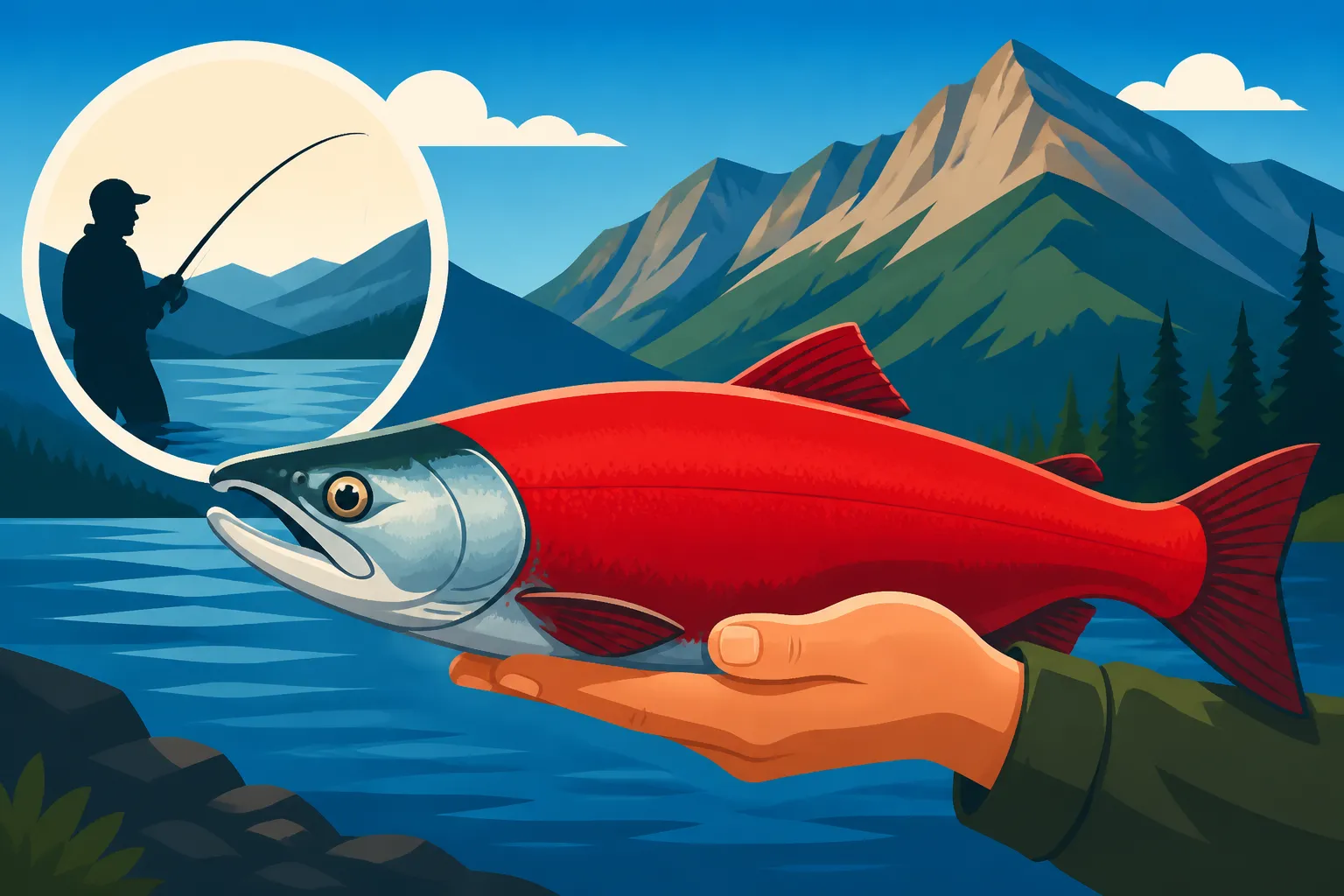
Kokanee salmon, often called "silver bullets" for their sleek, chrome appearance in early life, are a truly special fish. They're part of the Pacific salmon family, Oncorhynchus nerka, but unlike their anadromous sockeye cousins, kokanee never journey to the ocean. Instead, they spend their entire lives in the cold, deep waters of certain lakes and reservoirs. They’re plankton feeders, which means their diet consists mainly of tiny crustaceans and zooplankton, filtering these microscopic organisms from the water column. This diet is a critical factor in their growth, as the abundance and nutritional value of this plankton directly impact how big they can get. As they approach spawning, usually in their third or fourth year, their silvery bodies transform into a brilliant red, and the males develop a distinct humped back and hooked jaw – a truly stunning sight. If you're keen to learn more about these fascinating fish, check out our in-depth article on Kokanee Salmon in Oregon.
Oregon's Kokanee Habitats and Wallowa Lake's Role
Oregon is blessed with several fantastic kokanee fisheries, from high mountain lakes to larger reservoirs. These fish thrive in lakes with clear, cold, well-oxygenated water and ample plankton. Think of places like Odell Lake, Paulina Lake, or East Lake, which are renowned for their kokanee populations. Wallowa Lake, nestled in the stunning Wallowa Mountains of northeastern Oregon, stands out as one of the premier kokanee destinations. Its deep, glacially carved basin provides the ideal cold-water habitat these fish crave, and its nutrient-rich waters support a robust plankton community. The sheer beauty of the area only adds to the allure of targeting kokanee here. It's truly a bucket-list destination for many anglers, myself included.
Factors Influencing General Kokanee Growth
Several factors generally dictate how big a kokanee can grow, no matter the lake. Genetics play a role, of course, as does the inherent productivity of the water. Lakes with a rich food chain, even at the microscopic level, tend to produce larger fish. Water temperature also impacts their metabolism and feeding habits. In general, kokanee do best in waters that remain cool year-round. Overcrowding is another huge factor; too many kokanee competing for the same limited food supply can lead to stunted growth across the entire population. It's a delicate balance that fishery managers constantly monitor. They're not like some of the robust Oregon Trout Species Guide that might forage on larger insects or even other small fish; their plankton-only diet makes them particularly sensitive to their environment's productivity.
Wallowa Lake: A Prime Kokanee Fishery
Wallowa Lake isn't just another pretty face on Oregon's map; it's a truly special place for anglers, especially those chasing kokanee. Its unique characteristics make it one of the most productive and celebrated kokanee fisheries in the state.
Wallowa Lake's Unique Characteristics
Wallowa Lake is a deep, cold, oligotrophic lake, meaning it's relatively low in nutrients but exceptionally clear and well-oxygenated. Carved by glaciers, it plunges to depths over 200 feet in some areas, providing ample cold-water refuge for kokanee during the warmer months. The consistent cold temperatures throughout the water column are crucial for kokanee, as they prefer water in the 45-55°F range. This thermal stratification, where layers of water maintain different temperatures, creates ideal feeding and holding zones for these salmon. The lake's surrounding geography, with the dramatic Wallowa Mountains looming overhead, also contributes to its pristine conditions, limiting runoff and pollution. All these elements combine to create a near-perfect environment for kokanee to thrive. When you're out there, you can literally feel the history and natural power of the place. If you're planning a trip, our Wallowa Lake Fishing Guide can offer more insights into the lake itself.
Kokanee Stocking and Management at Wallowa Lake
The Oregon Department of Fish and Wildlife (ODFW) plays a vital role in maintaining Wallowa Lake's reputation as a top kokanee destination. While the lake supports some natural reproduction, ODFW regularly supplements the population through stocking programs. This careful management ensures a healthy balance between the number of fish and the available food supply. They monitor growth rates, population densities, and angler harvest to make informed decisions about stocking numbers and regulations. The goal is always to provide a sustainable fishery that offers both quantity and quality. This proactive approach is a big reason why Wallowa Lake consistently produces impressive kokanee.
Typical Size Range for Wallowa Lake Kokanee
Now, for the question that brought you here: how big do kokanee get at Wallowa Lake? Generally, kokanee in Wallowa Lake are considered excellent-sized fish for Oregon. Most anglers can expect to catch kokanee ranging from 12 to 16 inches in length, weighing anywhere from 0.75 to 1.5 pounds. These are healthy, robust fish that put up a fantastic fight.
However, Wallowa Lake is also known for producing some true monsters. It's not uncommon for anglers to land fish in the 18 to 20-inch range, tipping the scales at 2 to 3 pounds, especially as they near their spawning cycle in late summer and fall. These larger fish are typically older, often in their third or fourth year of life, and have had more time to gorge themselves on the lake's abundant plankton. While less frequent, there are occasional reports of kokanee exceeding 20 inches and pushing towards the 4-pound mark, though these are truly exceptional catches and often become the subject of local legend! So, while the average might be a solid 14 inches, the potential for a real lunker is definitely there, and that's what keeps us coming back.
| Size Category | Length Range (Inches) | Weight Range (Pounds) | Notes |
|---|---|---|---|
| Average Catch | 12-16 | 0.75-1.5 | Most common size caught by anglers. |
| Large | 16-18 | 1.5-2.5 | Excellent, often older fish. |
| Trophy | 18-20+ | 2.5-4+ | Exceptional, less common, often pre-spawn. |
Factors Influencing Kokanee Size at Wallowa Lake
While Wallowa Lake is generally fantastic for kokanee, the actual size of the fish you encounter can fluctuate. It's not just random luck; there are some very specific environmental and biological factors at play that determine how big those kokanee bellies get.
Forage Availability and Competition
The primary diet of kokanee is zooplankton – tiny, microscopic animals floating in the water column. The abundance and quality of this plankton are paramount to kokanee growth. If there's a year with particularly rich plankton blooms, the fish will have more food and grow faster and larger. Conversely, if plankton levels are low, or if the kokanee population becomes too dense, competition for food intensifies. When there are too many mouths to feed, each fish gets less, leading to slower growth and smaller average sizes. It's like a buffet; if too many people show up, everyone gets less food! ODFW tries to manage this through stocking levels, aiming for a balance where the lake can sustain healthy growth rates for the fish it holds. This delicate balance of food supply and population density is probably the single biggest determinant of average kokanee size.
Water Temperature and Oxygen Levels
Kokanee are cold-water fish, and they thrive in consistent, cool temperatures. Wallowa Lake's deep basin provides excellent thermal refuge, but even so, seasonal changes and climatic shifts can impact them. Optimal water temperatures allow kokanee to metabolize their food efficiently and grow quickly. If water temperatures get too warm in certain parts of the lake for extended periods, kokanee can become stressed, reducing their feeding activity and growth. Equally important are oxygen levels. Cold water holds more dissolved oxygen, which kokanee need to thrive. In very deep lakes, sometimes the deepest water can become oxygen-depleted in late summer, forcing fish into shallower (and potentially warmer) waters, further impacting their comfort and feeding. A good knowledge of Best Time of Year to Fish in Oregon for kokanee often aligns with when these conditions are optimal.
Angler Harvest Rates and Population Density
Another factor in the size equation is the human element: angler harvest. If anglers consistently remove a large number of the older, larger fish, the average size of the population might skew younger and smaller, as these fish don't live long enough to reach their full growth potential. However, a healthy harvest can also be beneficial, preventing overpopulation and reducing competition for food. It's a fine line. ODFW sets Oregon Daily Bag Limits Explained and other regulations, like the Oregon Combined Angling Tag Guide to manage these harvest rates, trying to ensure that enough fish survive to grow to a good size, while also providing ample opportunity for anglers to enjoy their sport. By following these rules, we all contribute to the health of the fishery and the potential for those big kokanee we're all dreaming about.
Maximizing Your Chances for Larger Wallowa Lake Kokanee
Okay, so you know how big they can get and what influences their size. Now, let's talk about how you can actually put those odds in your favor and try to land one of those bigger kokanee at Wallowa Lake. It takes a bit of planning, the right gear, and understanding kokanee behavior.
Best Times of Year to Target Big Kokanee
Timing is everything when it comes to trophy kokanee. While you can catch kokanee throughout much of the open season, the absolute best time to target larger fish at Wallowa Lake is typically late summer into early fall. Why then? Because this is when kokanee are nearing the end of their life cycle, packing on weight in preparation for spawning. They've had a full season of feeding and are at their largest and most vibrant. Starting in late August and through September, as the water begins to cool slightly and the fish start their pre-spawn color change, you'll often find the biggest and most aggressive kokanee. They're still actively feeding, but also starting to become more focused on their reproductive journey, making them prime targets. Early season (May/June) can offer good numbers of smaller, pan-sized fish, but if it's size you're after, wait for those late summer months. For broader seasonal information, check out Oregon Fishing Seasons Explained.
Effective Techniques for Larger Fish
Catching bigger kokanee often means adapting your techniques. These fish are generally found deeper than their smaller counterparts, and they can be a bit pickier. Trolling is the most popular and effective method for kokanee, and it's particularly good for targeting larger fish in Wallowa Lake's expansive waters.
- Go Deeper: While smaller kokanee might be in the top 30-40 feet, the giants are often lurking much deeper, sometimes 50-80 feet or even more. Downriggers are almost essential for consistently reaching these depths with precision.
- Slower Speeds: Many experienced kokanee anglers find that a slightly slower trolling speed (around 0.8 to 1.5 mph) can be more effective for enticing larger, more cautious fish. Experiment with your speed until you find what triggers bites.
- Lure Presentation: Kokanee are sight feeders, so your lure presentation is crucial. Use dodgers or flashers paired with small, scented hoochies, wedding rings, or small spoons. The dodger creates the flash and vibration that attracts the kokanee, while the trailing lure is what they strike. Think about what will stand out to a fish in deep, dim water. If you're new to this, a general guide like Oregon Fishing Techniques for Beginners can provide a good foundation.
Choosing the Right Gear for Wallowa Lake Kokanee
Having the right tackle can make a huge difference, especially when a bigger kokanee hits. You don't need overly heavy gear, but specialized kokanee tackle can certainly improve your success rate.
- Rods: Look for a sensitive, moderate-action trolling rod in the 7-8 foot range. A softer tip will allow you to see those subtle kokanee bites and absorb the shock of a strike without tearing the hook out of their soft mouths.
- Reels: A small, level-wind baitcasting reel with a line counter is ideal. The line counter is invaluable for knowing exactly how deep your lure is running, which is critical when kokanee are holding at specific depths.
- Line: Spool up with 10-15 pound test braided line for your main line, which offers sensitivity and minimal stretch. Use a fluorocarbon leader of 6-8 pound test for its invisibility and abrasion resistance.
- Lures and Bait: This is where the fun begins! Carry a variety of small dodgers and flashers (sizes 00 to 1) in different colors (chrome, pink, green, orange). Pair these with small hoochies, wedding rings, or mini-spoons. Tipping your lure with a kernel of shoepeg corn soaked in a kokanee attractant is a tried-and-true method that significantly increases bites. You can find a vast selection of these items online, and I often check Amazon for competitive prices and variety. For a broader overview of options, our Oregon Bait and Lure Guide is a great resource.
It’s always a good idea to check local tackle shops in towns like Joseph or Enterprise before heading out. They'll have the most up-to-date information on what colors and setups are currently producing fish at Wallowa Lake. These small shops are invaluable.
| Gear Category | Specifics for Large Kokanee | Why it Matters |
|---|---|---|
| Rod | 7-8 ft, moderate action, sensitive tip | Detects light bites, prevents hook pulls, handles fight. |
| Reel | Small level-wind baitcaster with line counter | Precise depth control, crucial for targeting deep fish. |
| Main Line | 10-15 lb braided | Sensitive, low stretch for bite detection. |
| Leader | 6-8 lb fluorocarbon | Nearly invisible, abrasion resistant, good hook-set. |
| Dodgers/Flashers | Size 00 to 1, various colors (chrome, pink, green) | Attracts fish with flash and vibration, key for trolling. |
| Lures | Small hoochies, wedding rings, mini-spoons | Primary target for the kokanee strike. |
| Bait Tip | Scented shoepeg corn | Irresistible attractant, adds scent and visual appeal. |
By combining strategic timing, refined techniques, and specialized gear, you'll significantly boost your chances of putting those impressive Wallowa Lake kokanee in your net. Remember to always check current ODFW regulations for Wallowa Lake before you go, including specific bag limits and any special restrictions.
Conclusion
Wallowa Lake truly stands out as a gem in Oregon's fishing landscape, particularly for kokanee salmon. While the average catch will often be a respectable 12 to 16 inches, the lake absolutely holds the potential for those truly impressive, 18-inch-plus trophy kokanee that anglers dream about. Their size is a testament to the lake's rich, cold waters, abundant plankton, and careful management by the ODFW.
Understanding the unique characteristics of Wallowa Lake, how stocking and environmental factors like food availability and water temperature impact kokanee growth, and then adjusting your tactics accordingly are all crucial steps. By timing your trips for late summer and early fall, focusing on deeper water, maintaining slower trolling speeds, and using specialized kokanee gear often available through retailers like Amazon or your local tackle shop, you significantly stack the odds in your favor.
The pursuit of these vibrant, hard-fighting fish is one of the most rewarding experiences in Oregon angling. So, pack your gear, study the Oregon Fishing Regulations Explained, and head out to Wallowa Lake with the confidence that a truly spectacular kokanee might just be waiting for your lure in the depths!
Disclaimer
This article is for general informational purposes only and does not constitute professional advice. Laws, prices and regulations vary by location and change over time. Consult a qualified professional for guidance on your specific situation.