Detroit Lake Fishing Guide
Oh, the sheer joy, and sometimes the outright headache, of planning a fishing trip to a new spot, or even trying to crack the code of a familiar lake! You spend hours researching, poring over maps, trying to figure out what bait to use, what the weather will do, and if you even stand a chance of catching anything. It can be especially daunting when you're looking at a popular destination like Detroit Lake, where conditions can change, and everyone seems to have a secret spot. This guide is here to cut through the confusion and give you a comprehensive, down-to-earth look at how to make your Detroit Lake fishing adventure a truly memorable one, saving you from endless guesswork and wasted casts.
Understanding Detroit Lake: A Gem in the Cascades
Nestled in the heart of the Willamette National Forest, Detroit Lake isn't just a body of water; it's a vibrant hub for outdoor enthusiasts, particularly anglers. This stunning reservoir, created by the Detroit Dam on the North Santiam River, offers breathtaking views of the surrounding Cascade Mountains and a fishery that calls to thousands each year. But beyond its beauty, there's a dynamic ecosystem and a rich history that directly impacts your fishing experience.
Lake Overview and Geography
Detroit Lake stretches for about nine miles, offering numerous coves, submerged structures, and varying depths that create diverse habitats for fish. Its water levels can fluctuate significantly throughout the year, especially from late summer into fall, as it serves as a crucial component of Oregon’s hydroelectric power and water storage system. This fluctuation is a constant concern for anglers, as it affects access, fish behavior, and even where the best spots are from one month to the next. What was a productive point in June might be high and dry by September. Knowing this ebb and flow is key to understanding where the fish might be hiding.
The lake is quite deep in places, reaching depths of over 400 feet near the dam, but also boasts shallower arms and bays that warm up faster in the spring, drawing in hungry trout. The varied topography, from sheer rock walls to gently sloping shorelines, means you’ll find different fishing opportunities depending on where you cast your line. It's a true mountain lake experience, complete with towering firs and the scent of pine, making even a slow day on the water feel like a win.
A History of Recreation and Resilience
Detroit Lake has been a beloved destination for generations, attracting campers, boaters, and, of course, anglers since its creation in the mid-1950s. However, this beautiful area has also faced its share of challenges. The devastating Santiam Canyon wildfires in 2020 left a profound mark, burning through much of the surrounding forest and impacting local infrastructure. This event brought a period of uncertainty, with access restricted and many services temporarily shut down.
Despite these hardships, the community and the lake itself have shown incredible resilience. Restoration efforts have been ongoing, and while some areas may look different than they once did, the spirit of Detroit Lake remains vibrant. Marinas, campgrounds, and boat launches have reopened, eager to welcome back visitors. This history of overcoming adversity means that every visit helps support the continued recovery and ensures this fantastic fishery remains accessible for future generations. When you book a trip, perhaps through a service like FishingBooker, you're not just fishing; you're contributing to a community's revival.
Prime Fish Species and What You'll Catch
When you drop a line into Detroit Lake, you're primarily targeting three popular species: rainbow trout, kokanee salmon, and, to a lesser extent, brown trout. Each offers a unique challenge and requires different approaches, but all promise a thrilling fight and a delicious meal. Understanding their habits and preferred habitats is crucial for a successful day on the water.
Rainbow Trout: The Main Attraction
Rainbow trout are the undisputed stars of Detroit Lake. The Oregon Department of Fish and Wildlife (ODFW) actively manages this fishery, stocking hundreds of thousands of legal-sized and trophy rainbows throughout the year. This consistent stocking ensures that even beginner anglers have a good chance of reeling in a catch. These hatchery-raised trout are often eager to bite, especially after a fresh plant, making them a fantastic target for families and those just getting into the sport.
You'll find rainbow trout throughout the lake, but they tend to congregate where food is abundant and water temperatures are comfortable. In the spring and fall, they're often closer to the surface and along the shoreline, making them accessible to bank anglers. As summer progresses and surface waters warm, they'll seek deeper, cooler water. Their diet is varied, including insects, small crustaceans, and even smaller fish, which means they can be caught using a wide array of baits and lures. Whether you're trolling, casting from shore, or still-fishing from a boat, rainbows are almost always a viable option. If you're looking for general advice on how to catch trout in Oregon, our How to Catch Trout in Stocked Oregon Lakes guide has excellent tips that apply here.
Kokanee Salmon: A Challenging Pursuit
For those looking for a bit more of a challenge and a truly unique freshwater salmon experience, Detroit Lake's kokanee salmon population is a major draw. Kokanee are landlocked sockeye salmon, known for their bright red flesh and vigorous fight. Unlike trout, kokanee are primarily plankton feeders, which makes them notoriously finicky and demands specialized techniques. They are often found suspended in the water column, usually in schools, rather than hugging the bottom or the banks.
Anglers targeting kokanee need to pay close attention to depth, presentation, and scent. They are attracted to shiny dodgers and flashers that imitate schooling baitfish, followed by small lures or bare hooks tipped with corn, maggots, or other scents. The bite can be incredibly subtle, often just a slight tap or a momentary slackening of the line. The reward, however, is a beautiful fish and the satisfaction of mastering a difficult technique. Kokanee are particularly active in the cooler months of spring and fall, though dedicated anglers catch them throughout the summer by finding their preferred deepwater haunts. Knowing the intricacies of targeting these fish is a skill developed over many hours on the water, but the reward is often worth it. For more specific insights, consider our guide on Kokanee Salmon in Oregon.
Brown Trout: The Elusive Predator
While not as numerous as rainbows or kokanee, Detroit Lake is also home to a population of elusive brown trout. These fish are generally larger, more aggressive, and significantly warier than their rainbow cousins. Brown trout are known for their predatory nature, often feeding on smaller fish, including smaller rainbows and kokanee. This means they can grow to impressive sizes, offering a true trophy potential for anglers willing to put in the effort.
Brown trout typically prefer cooler water and structure, often lurking near submerged logs, rock piles, or steep drop-offs. They are mostly nocturnal feeders, which means dawn, dusk, and even night fishing can be productive, especially during the warmer months. Anglers targeting browns often use larger lures, such as spoons or plugs that imitate baitfish, or even live bait where permitted. They require patience and persistence, but hooking into a sizable Detroit Lake brown trout is an experience few anglers forget. If you're specifically interested in the various trout species found in the state, our Oregon Trout Species Guide offers a broader look.
Top Fishing Techniques and Strategies for Detroit Lake
Detroit Lake's diverse fish populations and expansive waters call for a variety of fishing techniques. What works for a feisty rainbow from the bank might not tempt a deep-dwelling kokanee. Mastering a few key methods will significantly increase your chances of success, allowing you to adapt to conditions and target your preferred species.
Trolling for Success
Trolling is, without a doubt, one of the most effective ways to cover water and find fish at Detroit Lake, especially for kokanee and larger rainbow trout. It involves moving slowly through the water, typically with a boat, while trailing lures or bait at specific depths behind the boat. This technique allows your presentation to imitate a swimming baitfish, enticing fish to strike. Dedicated kokanee anglers often employ downriggers to precisely place their lures at the exact depth where schools of kokanee are holding, sometimes 50 or even 100 feet deep. Flashers and dodgers are almost always used ahead of the lure to attract attention.
For rainbow trout, trolling is often done closer to the surface or at moderate depths using planer boards or simply letting out long lines. Popular trolling lures include small spoons, spinnerbaits, and wedding rings tipped with corn or scent. The key to successful trolling is experimenting with speed, depth, color patterns, and scent. It’s a dynamic technique that requires constant adjustment and a good fish finder to locate schools. Many anglers will head out first thing in the morning when the water is calm and the fish are actively feeding, covering long stretches of the lake to find their bite. For a deeper dive into this method, check out our guide on Oregon Trolling and Boat Fishing Techniques.
Bank Fishing Hotspots and Methods
Not everyone has access to a boat, and thankfully, Detroit Lake offers plenty of fantastic bank fishing opportunities, especially for rainbow trout. While you might not reach the deepwater kokanee schools from shore, you can certainly have a productive day casting from numerous accessible locations. Popular spots include the shoreline around the Detroit Lake State Park campground, the Perry South campground area, and the various day-use areas. These spots often have easy access, picnic tables, and restrooms, making them ideal for a family outing.
For bank fishing, typical setups include light to medium spinning rods with 6-8 pound test line. PowerBait, worms, and corn are classic baits for trout, fished either on the bottom with an egg sinker or suspended under a bobber. Casting and retrieving small spinners, spoons, or soft plastics can also be very effective, especially during periods when trout are actively feeding near the surface. The trick is to identify areas with some structure, like submerged rocks or weeds, where fish might be holding. Early mornings and late evenings are often the most productive times for bank anglers, especially when the crowds are thinner and the fish feel more secure. Even if you're without a boat, a relaxing day on the bank, soaking up the views, can be incredibly rewarding.
Fly Fishing Opportunities
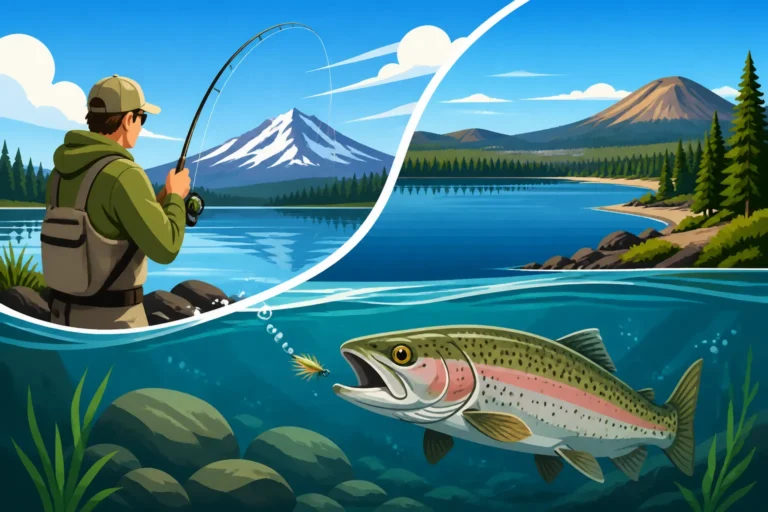
While Detroit Lake is primarily known for its trolling and bait fishing, there are certainly fly-fishing opportunities, particularly for rainbow trout. Fly fishing is often most productive in the shallower bays and coves during the spring and fall when trout are cruising closer to the surface. Wade fishing in these areas with small streamers, nymphs, or even dry flies during insect hatches can be a truly engaging experience. If you happen to be staying at a campground with shoreline access, like Detroit Lake State Park, you might find some nice pockets for casting.
For those with a float tube or kayak, you can access more remote areas and target cruising trout with greater stealth. Stillwater fly-fishing techniques, such as slowly stripping leeches, scuds, or chironomids, can be incredibly effective. While it might not be the quintessential Oregon fly-fishing destination like the Deschutes River, for example, Detroit Lake offers a serene setting for those who prefer the quiet art of the fly rod. It’s an ideal spot to hone your skills on eager hatchery trout before venturing to more challenging waters. If fly fishing is your passion, you might also find helpful information in our How to Fly Fish in Oregon guide.
Essential Gear and Bait Recommendations
Having the right gear is half the battle when fishing Detroit Lake. Whether you're a seasoned angler or just starting, matching your equipment to your target species and chosen technique will make a world of difference. There's nothing worse than showing up underprepared and feeling like you're fighting your tackle more than the fish!
Rods, Reels, and Line Choices
For rainbow trout, a light to medium-light spinning rod, around 6 to 7 feet in length, paired with a matching spinning reel spooled with 6-8 pound monofilament or fluorocarbon line, is generally ideal. This setup provides enough sensitivity for subtle bites and sufficient power to handle most stocked rainbows. If you’re trolling, a slightly heavier rod with a moderate action can absorb the shock of a strike and handle the pull of dodgers.
When chasing kokanee salmon, a specialized kokanee rod is often preferred. These rods are typically very light, with an ultra-sensitive tip that detects the often-subtle kokanee bite. They are usually paired with small baitcasting or spinning reels spooled with 6-10 pound monofilament or fluorocarbon. The soft tip is crucial because kokanee have delicate mouths and can be easily torn off the hook with a stiff rod. Many seasoned kokanee anglers swear by low-stretch braided line with a fluorocarbon leader for maximum sensitivity.
For the elusive brown trout, a medium-heavy spinning or baitcasting setup is often a good choice, especially if you're throwing larger lures or live bait. A rod in the 7-8 foot range with 10-15 pound test line (or braided line with a mono/fluoro leader) will give you the backbone needed to cast heavier presentations and muscle a big brown out of cover. Remember, the quality of your reel's drag system is paramount, as these fish can make powerful runs!
Best Baits and Lures for Each Species
Choosing the right bait or lure is critical at Detroit Lake. Fish can be finicky, and what works one day might not the next, so always bring a variety!
For rainbow trout, especially freshly stocked ones, you can’t go wrong with PowerBait (various colors, but typically chartreuse, rainbow, or garlic scents are popular), nightcrawlers, or marshmallows. These are fantastic for still-fishing from the bank or boat. For active presentations, small spinners (like Roostertails, Mepps, or Panther Martins in sizes #1-3), spoons (Kastmasters, Little Cleos), or even trout jigs under a bobber can be deadly. These often mimic small minnows or insects, triggering a predatory response. Our Oregon Bait and Lure Guide gives a great overview of popular choices.
Targeting kokanee salmon requires a more specialized tackle box. Small wedding rings, squid skirts (hoochies), or tiny spoons (like Apex, Kokanee Kandy, or Dick Nite) are standard. These are almost always preceded by a dodger or flasher (e.g., Sling Blades, Vance's Tackle dodgers) to attract attention. The bait itself is usually a kernel or two of shoepeg corn, often soaked in a strong scent (like Anise, Bloody Tuna, or Kokanee Killer). The combination of flash, subtle action, and strong scent is what often triggers the kokanee bite.
For the cunning brown trout, larger, more aggressive lures are often the key. Jerkbaits or crankbaits that imitate minnows or small kokanee (think Rapalas, Lucky Craft Pointers), larger spoons, or swimbaits can be very effective. If bait fishing is allowed and you're targeting trophy browns, a large live minnow or a substantial chunk of cut bait can be irresistible. Focus on natural baitfish colors like silver, blue, or perch patterns.
Navigating Seasons, Regulations, and Access
Fishing Detroit Lake isn't just about rods and reels; it's also about understanding the rhythm of the lake, the rules that govern its use, and how to get to your chosen fishing spot. Misunderstanding any of these can lead to frustration, or worse, a run-in with the authorities. A little homework before you go can save you a lot of grief!
Best Times to Fish Throughout the Year
Detroit Lake offers year-round fishing opportunities, but the prime times for each species vary:
- Spring (April – June): This is arguably one of the best times for rainbow trout as the water begins to warm, and the ODFW often increases stocking efforts. Trout are active and spread throughout the lake, often closer to the surface and accessible from the bank. Kokanee fishing also starts to pick up as they become more active in the upper water column. Water levels are typically high and stable during this period, offering excellent boat access.
- Summer (July – August): Trout will move deeper to find cooler water, making trolling the most effective method. Kokanee are in full swing but often found in deeper thermoclines. Early mornings and late evenings are key for both species, especially for bank anglers. This is also peak season for recreation, so expect more boat traffic and potentially crowded access points.
- Fall (September – November): This is a fantastic time for many anglers, as the summer crowds thin, and the fish become more aggressive with cooling water temperatures. Rainbow trout will once again move shallower, and kokanee begin their pre-spawn color change and become very active. However, be mindful that water levels can start to drop significantly in the fall as the dam releases water, which might impact boat launch availability and shoreline access.
- Winter (December – March): While slower, winter fishing can still yield good results for hardy anglers, especially for larger rainbows that cruise the deeper sections. Brown trout can be more active in the cold water. Success often depends on finding fish that are concentrated in deeper holes or sheltered areas. Always check weather and road conditions, as snow and ice can make access challenging. For a general overview of the seasons, our Best Time of Year to Fish in Oregon guide offers broader insights.
Key Regulations and License Requirements
Before you even think about casting a line, you absolutely need to be aware of the Oregon Fishing Regulations Explained and possess a valid Oregon fishing license. This isn't just a suggestion; it's the law, and game wardens do patrol Detroit Lake.
Here's a quick rundown of what you'll typically need:
- Oregon Fishing License: Everyone 12 years and older needs an Oregon fishing license. Different types are available, including annual licenses for residents and non-residents, as well as daily or multi-day options for visitors. You can purchase these online, at ODFW offices, or at many local sporting goods stores. Our Oregon Fishing License Guide breaks down all the details.
- Combined Angling Tag: If you plan on keeping salmon, steelhead, or sturgeon, you'll need an additional Combined Angling Tag. For Detroit Lake, this would primarily apply if you're targeting kokanee to retain them.
- Bag Limits: Pay very close attention to daily bag limits and possession limits for each species. These can change, so always consult the most current ODFW Sport Fishing Regulations booklet. For example, there might be a specific daily limit for kokanee that differs from the general trout limit. It's often broken down into general statewide rules and then specific exceptions for individual water bodies. Our Oregon Daily Bag Limits Explained provides valuable context.
- Catch-and-Release Rules: Understand the rules for catch-and-release, especially if targeting any sensitive species.
- Gear Restrictions: Most of Detroit Lake is open to general angling methods, but always double-check for any specific bait or tackle restrictions that might apply to certain areas or times of year.
Ignorance of the law is no excuse, so make sure your paperwork is in order before heading out! If you're wondering about different license types, our Oregon Fishing License Types Explained resource can help clarify.
Boat Ramps, Marinas, and Shoreline Access
Access to Detroit Lake is generally good, but can be influenced by fluctuating water levels.
- Boat Ramps: Several public boat ramps provide access, including those at Detroit Lake State Park, Mongold State Park, and Kane's Marina. It’s crucial to check current water levels before you go, especially later in the season. A ramp that was perfectly usable in June might be closed by September if the water is too low. Some apps or websites provide real-time water level data for reservoirs like Detroit Lake.
- Marinas: Kane's Marina and Detroit Lake Marina offer boat rentals, fuel, tackle shops, and sometimes moorage. These are excellent resources for local advice, bait, and last-minute gear. A quick call to one of these marinas before your trip can give you invaluable current conditions and fishing reports.
- Shoreline Access: Beyond the state parks, there are numerous pull-offs and informal access points along Highway 22 on both sides of the lake, particularly in the lower lake areas. These can offer quiet spots for bank fishing, though parking might be limited. Always be mindful of private property and posted signs. Many campgrounds, like Cove Creek and South Shore, also offer excellent shoreline access for their guests. If you’re looking to find a local guide or charter boat, platforms like FishingBooker can help you sort through options and access points.
Tips for a Successful and Enjoyable Detroit Lake Trip
A day on Detroit Lake, whether you're bringing home a cooler full of fish or just enjoying the stunning scenery, should be a memorable experience. A little preparation and mindful behavior can ensure your trip is both successful and respectful of this beautiful environment.
Safety First on the Water
The mountains of Oregon can be unpredictable, and reservoir conditions can change quickly. Prioritizing safety is paramount for any fishing trip on Detroit Lake.
- Weather Watch: Always check the weather forecast before heading out. Mountain weather can shift rapidly, bringing sudden winds, rain, or even thunderstorms. If you're in a boat, be aware that gusty winds can quickly make the lake choppy and dangerous.
- Life Jackets: This isn't just a suggestion; it's a non-negotiable. Ensure everyone on board has a properly fitting life jacket, and young children should wear them at all times. Even strong swimmers can get into trouble in cold water or unexpected situations.
- Tell Someone Your Plan: Let someone know where you're going and when you expect to return. This simple step can be a lifesaver if you encounter an unforeseen emergency.
- Cold Water Awareness: Detroit Lake's water can be dangerously cold, even on a warm day. Hypothermia is a real risk if you fall in. Dress in layers, preferably non-cotton materials, and always be prepared for changing temperatures.
- Sun Protection: Don't underestimate the sun's intensity on the water, even on cloudy days. Sunscreen, hats, and sunglasses are essential to prevent sunburn and eye strain.
- Emergency Supplies: Carry a first-aid kit, extra water, snacks, a fully charged phone, and any other necessary emergency gear. If you're fishing from a boat, ensure it has all required safety equipment, including paddles, a whistle/horn, and navigation lights if you'll be out at dusk or dark.
Respecting the Environment and Other Anglers
Part of enjoying the outdoors is being a good steward and considerate of others who share these spaces. Detroit Lake is a shared resource, and its future health depends on all of us.
- Leave No Trace: Pack out everything you pack in, and then some. This includes all your trash, discarded fishing line, and any other debris. Fishing line, in particular, can be deadly to wildlife.
- Responsible Fish Handling: If you're practicing catch-and-release, learn proper fish handling techniques to ensure the fish's survival. Minimize air exposure, handle fish with wet hands, and use a net designed to protect slime coats.
- Noise and Courtesy: Be mindful of your noise level, especially if you're near other anglers or campgrounds. Give other boats and bank anglers plenty of space. There's nothing worse than having someone motor right through your fishing spot or cast over your line.
- Campfire Safety: If you're camping or having a fire in designated areas, adhere strictly to all fire restrictions, especially during dry seasons. The Santiam Canyon wildfires serve as a stark reminder of the devastating impact of uncontrolled fires.
- Support Local: When you buy your bait, tackle, or grab a meal at the nearby businesses in Detroit or Idanha, you're directly supporting the local economy and the community that relies on healthy tourism.
By following these simple guidelines, you're not just ensuring a better trip for yourself, but you're also contributing to the preservation and enjoyment of Detroit Lake for everyone who visits.
Disclaimer
Please be aware that fishing regulations, seasons, and access can change frequently due to environmental factors, dam operations, or ODFW management decisions. Always consult the latest Oregon Sport Fishing Regulations available from the Oregon Department of Fish and Wildlife (ODFW) before planning your trip to Detroit Lake. This guide provides general information and should not be considered a substitute for official regulations.