Bull Trout in Oregon
If you've spent any time exploring Oregon's pristine, cold-water streams and lakes, you might have heard whispers about a truly unique and often elusive fish: the bull trout. These aren't your everyday rainbow trout; they are a species steeped in conservation efforts, fascinating biology, and strict regulations that can be a real head-scratcher for even seasoned anglers. This guide will unravel the mysteries of bull trout in Oregon, helping you understand their critical role in our aquatic ecosystems, where to find them, and how to fish for them responsibly within the bounds of the law.
Understanding Oregon's Bull Trout: A Protected Species
Bull trout are one of Oregon's most intriguing native fish, but their story is one intertwined with both natural beauty and significant conservation challenges. Many anglers, especially those new to the state or new to targeting native species, often confuse them with other trout or char, but bull trout have distinct characteristics and an even more distinct legal status that makes understanding them crucial.
What Exactly is a Bull Trout?
First off, it's important to know that bull trout ( Salvelinus confluentus) aren't actually "trout" in the scientific sense; they are char, a close cousin to brook trout and lake trout. What sets them apart? Well, they're built for cold, clean water, thriving in some of the most pristine habitats Oregon has to offer. They're predatory fish, meaning they're at the top of the food chain in many of their native streams, feeding on smaller fish, insects, and even other char.
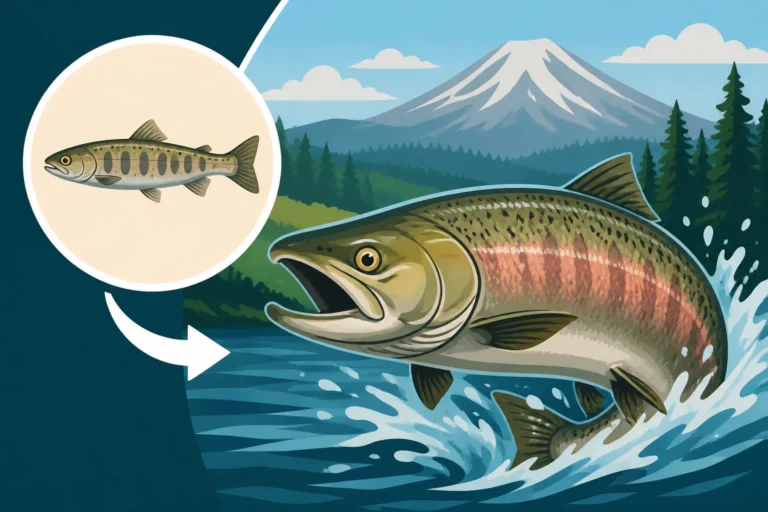
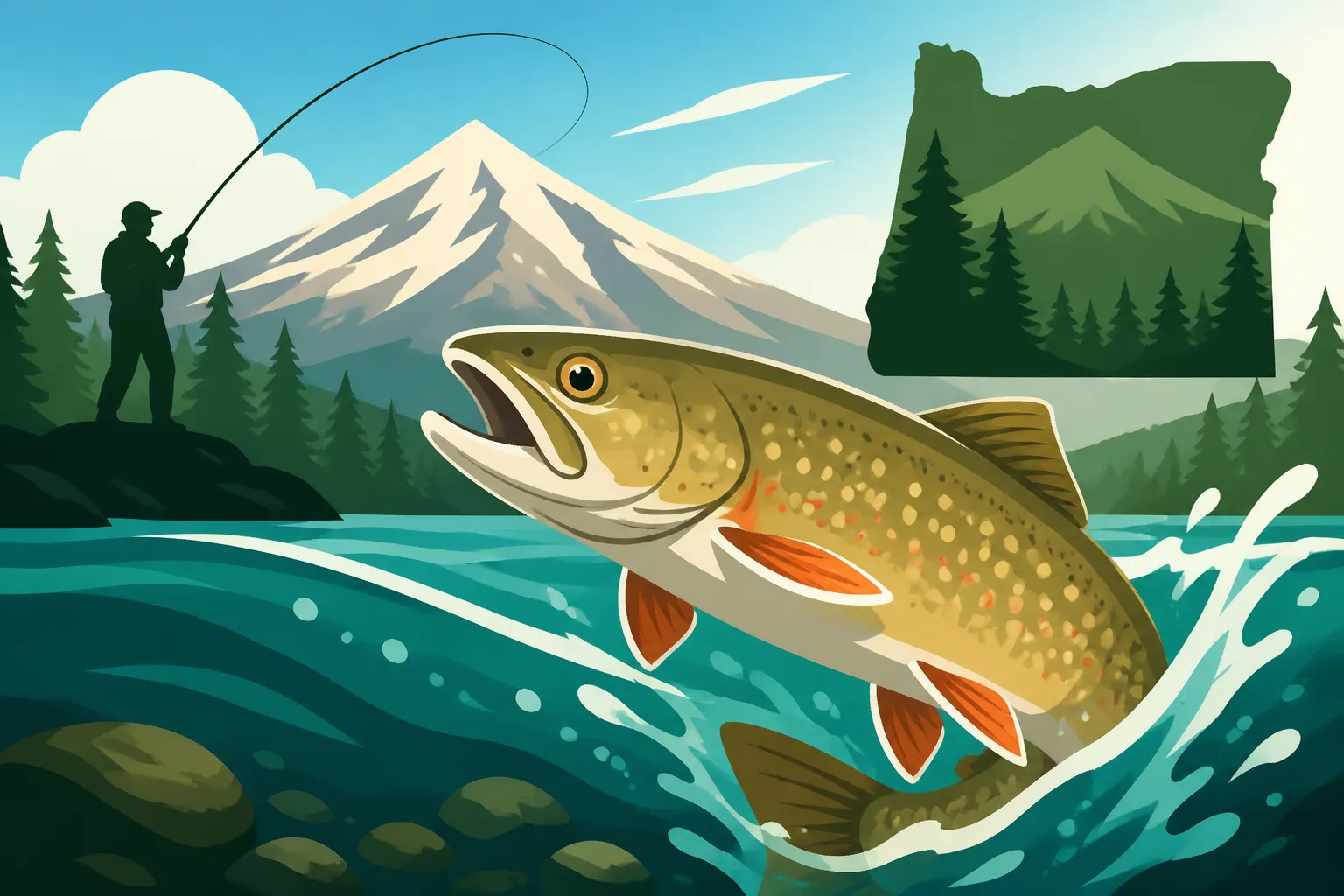
Imagine a fish that can grow quite large, sometimes exceeding 20 pounds in prime conditions, though most you might encounter are smaller. They have a sleek, torpedo-shaped body, and their coloring is often a blend of olive green, brown, and grey on their backs, fading to a lighter belly. What really stands out are the pale, often yellowish-white spots on their sides, in stark contrast to the red or pink spots you might see on a brook trout. They also lack the dark, wavy "vermiculation" patterns on their backs that are characteristic of brook trout. Their mouths are notably large, extending past the eye, which is a dead giveaway for their predatory nature.
Why Bull Trout Need Our Protection
The story of the bull trout in Oregon, and across much of their native range in the Pacific Northwest, is a sobering reminder of how human activities can impact even the most resilient species. Historically, bull trout populations were robust, spanning vast river systems. However, decades of habitat degradation, including logging, mining, road construction, and the introduction of non-native fish species, have taken a severe toll. Their reliance on specific, pristine conditions – extremely cold water, complex stream structures, and undisturbed spawning grounds – makes them particularly vulnerable to environmental changes.
Because of these significant declines, bull trout are listed as a "threatened" species under the Endangered Species Act. This isn't just a classification; it comes with stringent protections designed to prevent further population loss and ideally, aid in their recovery. For anglers, this means that while you can fish for bull trout in some areas, the rules are incredibly strict. It's a testament to their fragile status that any interaction with these fish must be approached with the utmost care and respect. Understanding their plight helps us appreciate why conservation is so vital, and why every angler plays a part in their survival.
Identifying Bull Trout: Key Features to Look For
Being able to correctly identify a bull trout is more than just a fun fact; it's a legal necessity. Misidentifying a bull trout could lead to serious legal trouble, as keeping one, even accidentally, is a significant violation. So, let's break down the key characteristics that will help you distinguish them from other fish you might encounter in Oregon's waters.
Firstly, look at the spots. Bull trout have pale, often yellow, orange, or reddish spots on a darker background. These spots are not red with blue halos like you'd find on a brook trout, nor are they typically dark spots like on a rainbow trout. Their body coloration is generally olive-green to brown, often with a grayish tint. Another key feature is their head shape. They have a distinctly large, broad, and flattened head, with a mouth that extends well beyond the back of the eye. This gives them a somewhat "bull-headed" appearance, which is where their common name originates. Their lower fins (pectoral, pelvic, and anal) usually have a white leading edge, often followed by a darker stripe and then the main color of the fin.
For comparison, here’s a quick rundown of some similar species you might find in Oregon, and how to tell them apart:
| Feature | Bull Trout | Brook Trout | Rainbow Trout |
|---|---|---|---|
| Scientific Name | Salvelinus confluentus (Char) | Salvelinus fontinalis (Char) | Oncorhynchus mykiss (True Trout) |
| Spots | Pale (yellowish-white/orange) on dark body | Red with blue halos; worm-like patterns on back | Small, dark spots, often even on tail |
| Head Shape | Large, broad, flattened; mouth past eye | Smaller, less pronounced; mouth usually to eye | Pointed; mouth typically to or just past eye |
| Tail Fin | Slightly forked | Slightly forked to square | Slightly forked to square, often spotted |
| Leading Fin Edges | White | White | No distinct white leading edge |
| Conservation | Federally Threatened | Non-native, often no retention limits | Native & stocked; various regulations |
Remember, when in doubt, it's always best to assume it's a protected species and practice immediate, careful catch-and-release. Having a good fish identification guide, perhaps one you picked up from Amazon, can be invaluable when you're out on the water.
The Historical and Ecological Significance of Bull Trout in Oregon
The presence of bull trout in an Oregon waterway is a strong indicator of a healthy, intact ecosystem. Their historical range and current struggles tell a bigger story about the state of our wild places and the challenges of balancing human activity with environmental preservation.
A Native Species Under Pressure
Bull trout are true natives of Oregon, evolving over millennia in the cold, clear waters that define much of the Pacific Northwest. Their historical distribution was vast, encompassing a wide array of river basins east and west of the Cascade Mountains. They were once a significant component of these aquatic systems, playing a crucial role as apex predators, keeping populations of smaller fish and other organisms in balance. However, the last century saw dramatic shifts. Industrial logging practices removed critical riparian vegetation, leading to increased water temperatures and sedimentation. Road construction fragmented habitats, blocking migratory routes to spawning and rearing grounds.
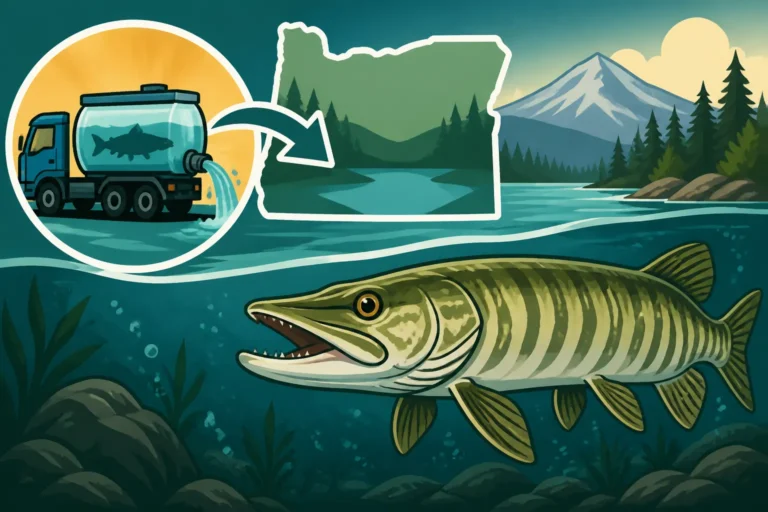
Perhaps one of the most insidious threats was the introduction of non-native species, particularly brook trout. Brook trout, a char native to eastern North America, readily hybridize with bull trout. The resulting offspring are often sterile, meaning they cannot reproduce, which further decimates the already struggling bull trout populations. This genetic pollution, combined with habitat loss and past overharvesting, pushed bull trout to the brink, leading to their listing as a federally threatened species. It’s a classic tale of how a cascade of human-caused disturbances can unravel a delicate natural balance, putting immense pressure on species that once thrived.
Bull Trout's Role in the Aquatic Ecosystem
As a top-tier predator, bull trout are often considered an "indicator species." Their presence, or absence, can tell us a great deal about the overall health of an aquatic ecosystem. Think of them as the canary in the coal mine for cold-water habitats. If bull trout are thriving, it suggests that the water quality is excellent, temperatures are consistently low, and there's a healthy supply of food and suitable habitat for all life stages – from spawning gravels to deep pools for adult fish.
Their predatory habits also play a vital role in maintaining ecological balance. By preying on smaller fish, including competing non-native species and even juvenile salmonids, they help regulate populations and can prevent any single species from becoming overly dominant. This predation helps ensure a diverse and robust food web. When bull trout populations decline, this ecological role is diminished, potentially leading to imbalances further down the food chain. Preserving bull trout isn't just about saving one species; it's about preserving the intricate web of life that makes Oregon's pristine rivers and lakes so special. It's why anglers who understand Oregon Fishing Regulations Explained will often find specific sections devoted entirely to bull trout.
Conservation Efforts and Their Impact
Recognizing the severe decline of bull trout, extensive conservation efforts have been launched across Oregon and the broader Pacific Northwest. These initiatives often involve a multi-pronged approach, tackling the various threats that have pushed the species to endangered status. Habitat restoration is a cornerstone, with projects focused on re-establishing riparian vegetation, removing fish passage barriers like old culverts, and restoring natural stream morphology to create the complex, cold-water habitats bull trout need. Efforts to reduce sediment input from roads and logging operations are also critical.
Another significant component involves managing and, where possible, removing non-native fish species like brook trout that compete with and hybridize with bull trout. This can be a controversial and challenging undertaking, often requiring specialized techniques. Furthermore, stringent fishing regulations, including mandatory catch-and-release, seasonal closures, and even specific permits in some areas, are enforced to protect existing populations from any fishing pressure. While the road to recovery is long and challenging, these dedicated efforts are showing promising signs in some areas, demonstrating that with focused conservation, it is possible to protect and restore these magnificent fish. Many organizations, sometimes with support from gear purchased on Amazon, work tirelessly to restore these vital habitats.
Where to Find Bull Trout in Oregon: Prime Habitats
While bull trout were once widespread, their current distribution in Oregon is largely limited to specific areas where pristine, cold-water conditions persist. Knowing these habitats is key, not just for potential angling, but also for appreciating the fragility of their existence.
Cold, Clear Water is Key
When you're looking for bull trout, think cold. And then think colder. These fish absolutely require exceptionally cold, clean, and well-oxygenated water to survive and thrive. We're talking about water temperatures that rarely exceed 55-59°F (13-15°C) and ideally stay much lower, especially during their critical spawning periods. This is a primary reason why you won't find bull trout in many of Oregon's warmer, slower-moving lowland rivers or lakes. They need spring-fed streams, high-elevation lakes, and rivers fed by snowmelt.
Beyond temperature, bull trout habitats are characterized by complexity. They seek out deep pools, undercut banks, and large woody debris, which provide cover from predators and strong currents. These structural elements are also crucial for ambushing prey. Gravel beds are essential for spawning, as bull trout lay their eggs in redds where groundwater upwelling ensures a consistent flow of cold, oxygenated water. Any disruption to these precise conditions – be it increased water temperature, sedimentation, or loss of stream complexity – directly threatens bull trout survival. This is why when you hear about Best Rivers to Fish in Oregon, areas known for bull trout are often mentioned with an emphasis on their wild character.
Notable Oregon Bull Trout Rivers and Lakes
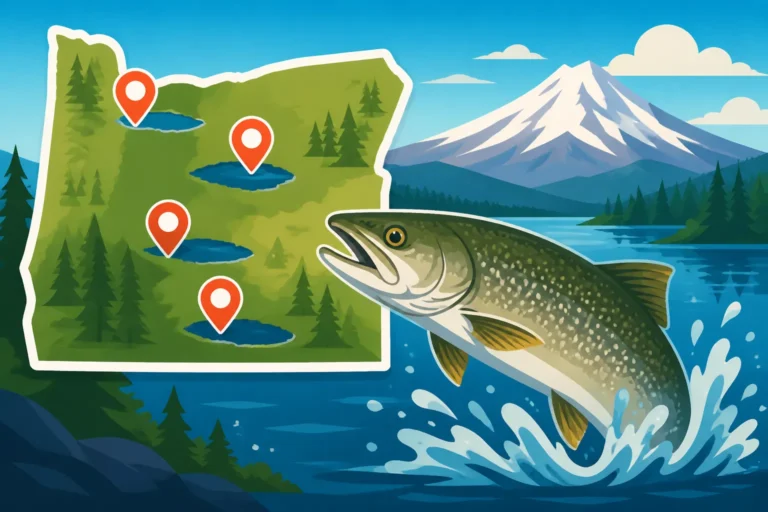
While I can't give you exact GPS coordinates (and honestly, part of the adventure is finding these places!), there are several general areas in Oregon renowned for their bull trout populations. East of the Cascades, the Deschutes River system, particularly its upper reaches and tributaries like the Metolius River, holds significant populations. The Metolius, famous for its crystal-clear, spring-fed waters, is a prime example of ideal bull trout habitat. Further east, portions of the Wallowa Mountains and their drainages, including parts of the Imnaha and Minam Rivers, are also important strongholds.
In southwest Oregon, some of the Umpqua River tributaries, especially those in more remote, higher-elevation areas, can host bull trout. It's really about seeking out those wild, undisturbed headwaters and high-mountain lakes that have maintained their cold-water integrity. Remember, these are often remote locations, so proper preparation, including sturdy hiking boots and navigational tools, is essential. Before heading out, always consult the latest regulations for the specific Oregon Fishing Zones Explained you plan to visit, as bull trout management is often highly localized.
Seasonal Movements and Habitat Use
Bull trout are fascinating in their migratory patterns, which can vary significantly depending on the population. Some populations are fluvial, meaning they live exclusively in rivers, moving upstream to spawn and then distributing themselves throughout the river system to feed. Others are adfluvial, residing in lakes for most of their adult lives and then migrating into tributary streams to spawn. And then there are anadromous populations, which historically migrated to the ocean, though these are now extremely rare or extirpated in Oregon.
Their movements are heavily dictated by water temperature and food availability. In warmer summer months, bull trout will seek out thermal refuges – deep, cold pools or areas where cold springs enter a stream. As spawning season approaches, typically in late summer or early fall, they embark on often arduous upstream migrations to their natal spawning grounds. After spawning, they may drop back downstream to overwinter in larger river sections or lakes. Understanding these seasonal movements helps in both conservation efforts and, for the very few who target them, in knowing when and where to potentially encounter these incredible fish, always with the strictest Oregon Catch-and-Release Rules in mind.
Navigating Bull Trout Fishing Regulations in Oregon
Fishing for bull trout in Oregon is not like fishing for rainbow trout in a stocked pond. The regulations are among the strictest you'll encounter for any fish species in the state, and for very good reason. Understanding and adhering to these rules is absolutely paramount, not just for avoiding penalties, but for contributing to the species' survival.
The Strict Catch-and-Release Mandate
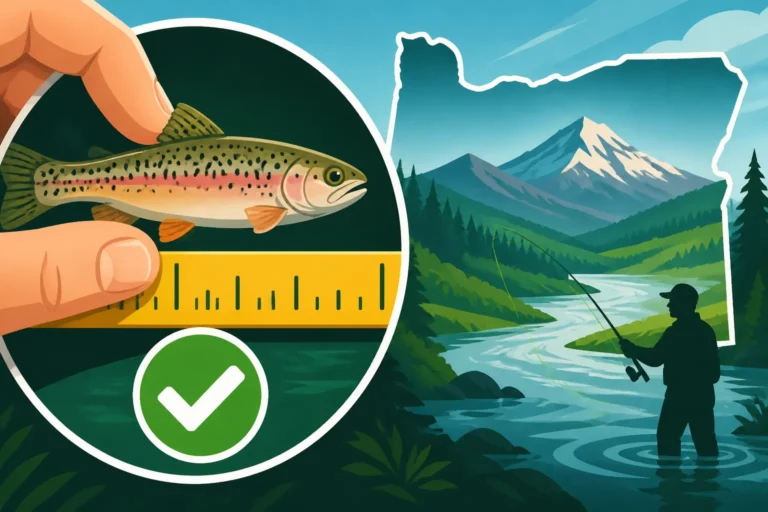
Let's be crystal clear: all bull trout fishing in Oregon is strictly catch-and-release only, without exception. This isn't a suggestion; it's a legal requirement. You cannot keep a bull trout, regardless of its size, the time of year, or where you caught it within Oregon. The moment you identify a bull trout on your line, the priority shifts entirely to releasing it as quickly and gently as possible to minimize stress and maximize its chances of survival.
This mandate is a direct reflection of their "threatened" status under the Endangered Species Act. Every single bull trout is precious to the long-term recovery of the species. Even handling them incorrectly can cause harm, which is why practicing proper catch-and-release techniques is not just good angling etiquette, but a critical component of conservation. If you're planning on fishing in areas where bull trout might be present, you must be prepared to handle them with the utmost care, ensuring minimal time out of the water and no contact with dry surfaces. If you want to learn more, our guide on Oregon Catch-and-Release Rules goes into greater detail on these critical practices.
Specific Permits and Endorsements for Bull Trout
While a general Oregon angling license is, of course, required for anyone over the age of 12 to fish in the state, there typically aren't specific separate permits labeled solely for "bull trout fishing" that you purchase. Instead, the regulations for bull trout are usually embedded within the general statewide or specific zone regulations that govern trout and other salmonid fishing. However, it's absolutely crucial to consult the most current Oregon Department of Fish and Wildlife (ODFW) regulation booklet for the specific waterbody you intend to fish.
What you might encounter are specific endorsements or tags for other species that share bull trout habitat, such as the Oregon Combined Angling Tag Guide for salmon and steelhead. While these aren't for bull trout, they highlight the importance of understanding all the required documentation for the species you are allowed to retain. The ODFW regulations will clearly outline whether bull trout are present in a particular stream or lake and, if so, reiterate the mandatory catch-and-release rule. Always double-check regulations before heading out, as they can change seasonally or in response to population assessments. You might even want to keep a digital copy on your phone or a laminated printout, perhaps stored in a waterproof case you found on Amazon.
Consequences of Violating Bull Trout Regulations
Given their federally protected status, violating bull trout regulations in Oregon carries serious consequences. This isn't just a slap on the wrist or a minor fine; it can result in significant legal and financial penalties. Getting caught keeping a bull trout, or even demonstrating improper handling that leads to its mortality, can lead to substantial fines, seizure of fishing gear, suspension of fishing privileges, and potentially even federal charges. These are not minor infractions; they reflect the severe threat the species faces and the legal commitment to its protection.
Game wardens and wildlife officials are well-versed in identifying bull trout and are diligent in enforcing these regulations. Their presence in sensitive bull trout habitats is common, and they take violations very seriously. Ignorance of the law is generally not considered a valid defense. Therefore, anglers bear the personal responsibility to know the rules, correctly identify their catch, and adhere to strict catch-and-release protocols when fishing in areas where bull trout are present. For a broader understanding of potential penalties, refer to our comprehensive guide on Oregon Fishing Violations and Penalties.
Responsible Angling for Bull Trout: Best Practices
For those dedicated anglers who appreciate the challenge and rarity of encountering a bull trout, responsible angling practices are not optional; they are a moral and legal imperative. The goal is always to minimize stress and maximize the survival chances of these vulnerable fish.
Gear Considerations for Conservation-Minded Anglers
When targeting bull trout (or fishing in areas where they might be present), your gear choices can significantly impact the fish's welfare. The primary consideration is to use tackle that minimizes harm and allows for a quick, efficient release.
Here are some key gear tips:
- Barbless Hooks are a Must: This is often a regulatory requirement in bull trout waters and should be standard practice everywhere. Barbless hooks greatly reduce tissue damage and allow for much easier removal. You can purchase barbless hooks directly or crimp down the barbs on existing hooks with pliers.
- Strong, Adequate Tackle: While you might think lighter tackle is sportier, using line that is too light can prolong the fight, exhausting the fish and increasing its stress. Use a rod and reel setup that allows you to subdue the fish relatively quickly. This doesn't mean overpower it, but rather ensure you have enough backbone to prevent an overly lengthy battle, especially in flowing water.
- Rubber or Knotless Landing Nets: If you use a net, ensure it has a soft, knotless, rubberized mesh. Traditional nylon nets with knots can abrade a fish's slime coat, damage fins, and remove scales, all of which compromise its health and increase susceptibility to disease. Many excellent rubberized nets are available on Amazon.
- Foreceps or Pliers: Have a good pair of hemostats or long-nosed pliers easily accessible to quickly remove hooks.
- Avoid Scented Baits: While some anglers might use scents, for catch-and-release, minimizing what a fish ingests is crucial. It's generally best to stick to artificial lures and flies that are designed for quick hooksets. Check out our Oregon Bait and Lure Guide for more on appropriate choices.
Mastering the Art of Safe Catch-and-Release
Practicing safe catch-and-release for bull trout is an art form, refined through experience and a deep respect for the fish. The goal is always a zero-mortality mindset.
Here’s a step-by-step approach:
- Minimize Fight Time: Once hooked, bring the fish in as quickly and efficiently as possible without horsing it. Prolonged fights lead to lactic acid buildup, which can be fatal.
- Keep it Wet: This is the golden rule. Try your absolute best to keep the fish in the water at all times. If you must lift it for a quick photo, do so only for a few seconds, support its body horizontally (never by the jaw alone), and keep your hands wet. Never let it flop on rocks, sand, or a dry boat bottom. The slime coat is its primary defense against infection.
- Handle with Care: Wet your hands thoroughly before touching the fish. Avoid squeezing the fish or putting your fingers in its gills.
- Quick Hook Removal: Using your forceps or pliers, gently back out the hook. If the fish is deeply hooked (which is rare with artificial lures and barbless hooks), cut the line as close to the hook as possible rather than trying to rip it out. The hook will often rust out, or the fish's body will encapsulate it.
- Revive Gently: Hold the fish upright in the current (if in a river) or gently move it back and forth to push water over its gills. Only release it when it can swim away under its own power. Don't simply toss it back; ensure it's strong enough to orient itself and swim into cover.
- Avoid Crowds: If possible, try to fish during less busy times or in more remote areas to avoid stressing fish that might have been recently caught and released by other anglers. This is part of the respectful angling ethos that many How to Fly Fish in Oregon guides promote.
Planning Your Bull Trout Fishing Adventure
A bull trout fishing adventure in Oregon demands more than just knowing how to cast a line; it requires meticulous planning, a deep understanding of regulations, and a commitment to conservation. First and foremost, consult the most recent Oregon Department of Fish and Wildlife (ODFW) fishing regulations specific to the river or lake you intend to visit. These regulations are updated annually and often contain emergency closures or specific rules that supersede general guidelines. Knowing exactly what is permitted, where, and when is non-negotiable.
Consider the time of year carefully. Bull trout thrive in cold water, so spring and fall often present the best opportunities, avoiding the warmer summer months when water temperatures can stress the fish. Remember, bull trout spawn in late summer and early fall, and some areas may have closures during these critical periods to protect spawning fish. Pack appropriate gear for remote backcountry travel if you’re heading to less accessible spots. This might include durable waders, a reliable backpack, first-aid supplies, and enough food and water. Having a quality waterproof map or GPS device is also a smart move, especially in areas with limited cell service. Always let someone know your itinerary, especially if you're venturing into remote bull trout strongholds. This kind of thoughtful preparation ensures not only a more enjoyable trip but also maximizes your ability to fish responsibly and legally for these magnificent, protected fish.
Disclaimer
This article is for general informational purposes only and does not constitute professional advice. Laws, prices and regulations vary by location and change over time. Consult a qualified professional for guidance on your specific situation.