How to fish for kokanee at Wallowa Lake
Finding kokanee in Wallowa Lake can feel like searching for a needle in a haystack, especially with its deep, clear waters and these notoriously finicky fish. Many anglers arrive eager to fill their cooler, only to be frustrated by a lack of bites or lost fish at the boat. But don't you worry, because this guide is here to unravel the mysteries of catching kokanee at this stunning Oregon gem, equipping you with the knowledge and techniques to turn those elusive fish into a memorable day on the water.
Understanding Wallowa Lake's Kokanee
Wallowa Lake is a crown jewel in Eastern Oregon, known for its incredible depth, pristine glacial waters, and the feisty kokanee salmon that call it home. But before you can successfully fish for them, it's really important to understand what makes these particular kokanee tick. They're not your average trout, and treating them as such will often lead to disappointment.
The Nature of Kokanee Salmon
Kokanee are landlocked sockeye salmon, meaning they complete their entire life cycle in freshwater, never migrating to the ocean. In Wallowa Lake, these fish are a significant draw, prized for their delicious red flesh and the challenge they present. Unlike rainbow trout or bass, kokanee are primarily plankton feeders, which means they have very specific dietary preferences that influence what baits and scents they respond to. This plankton diet also gives them their characteristic soft mouth, which is a major factor in why so many anglers lose them right at the boat. Knowing this beforehand can help you adjust your retrieve and netting technique to prevent those heartbreaking last-second losses. If you're keen to learn more about these fascinating fish, our detailed guide on Kokanee Salmon in Oregon dives even deeper into their biology and behavior across the state.
Where to Find Them in Wallowa Lake
Wallowa Lake is big and deep, often reaching depths of over 200 feet, which can make locating kokanee feel daunting. However, these fish aren't just randomly swimming around; they tend to suspend in schools at specific depths, usually in the open water over deeper sections of the lake. Their preferred depth is largely dictated by water temperature and the availability of plankton. During warmer months, you'll often find them in the cooler waters of the thermocline, that sweet spot where the warmer surface water meets the colder depths. This usually translates to depths ranging from 20 to 60 feet, but it can vary daily and seasonally. A good fish finder is absolutely indispensable here, helping you pinpoint those schools before you even drop a line. Without one, you're truly just guessing, and that’s a tough way to catch kokanee. For a broader overview of the lake's offerings, check out our Wallowa Lake Fishing Guide.
Their Diet and Behavior
As mentioned, kokanee are plankton eaters. This fundamental aspect of their diet informs almost every successful fishing strategy. They're not chasing large baitfish; instead, they filter tiny organisms from the water. This is why small, brightly colored lures, often tipped with corn or a highly scented bait, are so effective. The corn isn't necessarily what they eat in the wild; it's thought to mimic plankton, provide a visual attractant, and, most importantly, hold scent. Their schooling behavior is another critical element. When you find one kokanee, you've likely found dozens, sometimes hundreds. This means when you get a bite, it's often a good idea to circle back through that same area. Understanding What do kokanee salmon eat can significantly improve your bait selection.
Essential Gear and Setup for Wallowa Lake Kokanee
Successfully targeting kokanee at Wallowa Lake really boils down to having the right tools for the job. These aren't just any fish; they demand a specific approach, especially when it comes to your rod, reel, and terminal tackle. Skimping on the details here can be the difference between a full stringer and a frustrating day of missed opportunities.
Rod, Reel, and Line Choices
For kokanee, you want a rod that's specifically designed for them, or at least a light action trout rod that mimics those characteristics. Look for a rod that's typically 7 to 8.5 feet long with a very soft, moderate-fast action tip. This soft tip is crucial for a few reasons: it acts as a shock absorber against the kokanee's notoriously soft mouth, preventing the hook from tearing out, and it also helps keep those light dodgers and flashers working correctly. Paired with this, a lightweight spinning reel or a small baitcasting reel (like a 1000 to 2500 series spinning reel) spooled with 6-8 pound monofilament line is ideal. Monofilament offers a bit of stretch, which again, helps with that soft mouth and provides a subtle presentation. While braid is great for sensitivity, its lack of stretch can be a real detriment with kokanee. You'll want to add a fluorocarbon leader of 4-6 pound test, about 6-10 feet long, for invisibility in Wallowa Lake's clear waters. You can find a fantastic selection of specialized kokanee rods and reels, along with quality monofilament and fluorocarbon, on Amazon.
Dodgers, Flashers, and Terminal Tackle
This is where the magic happens for kokanee. Dodgers and flashers are not just weights; they're attraction devices designed to create erratic swimming motions and flash that mimic distressed baitfish or, in the case of kokanee, perhaps a schooling group of plankton. For Wallowa Lake, you'll want smaller dodgers and flashers, typically 4 to 6 inches long. Popular choices include the Sling Blade, Vance's Tackle, or Paulina Peak dodgers. The dodger's job is to impart action on your lure, while a flasher creates more vibration and flash.
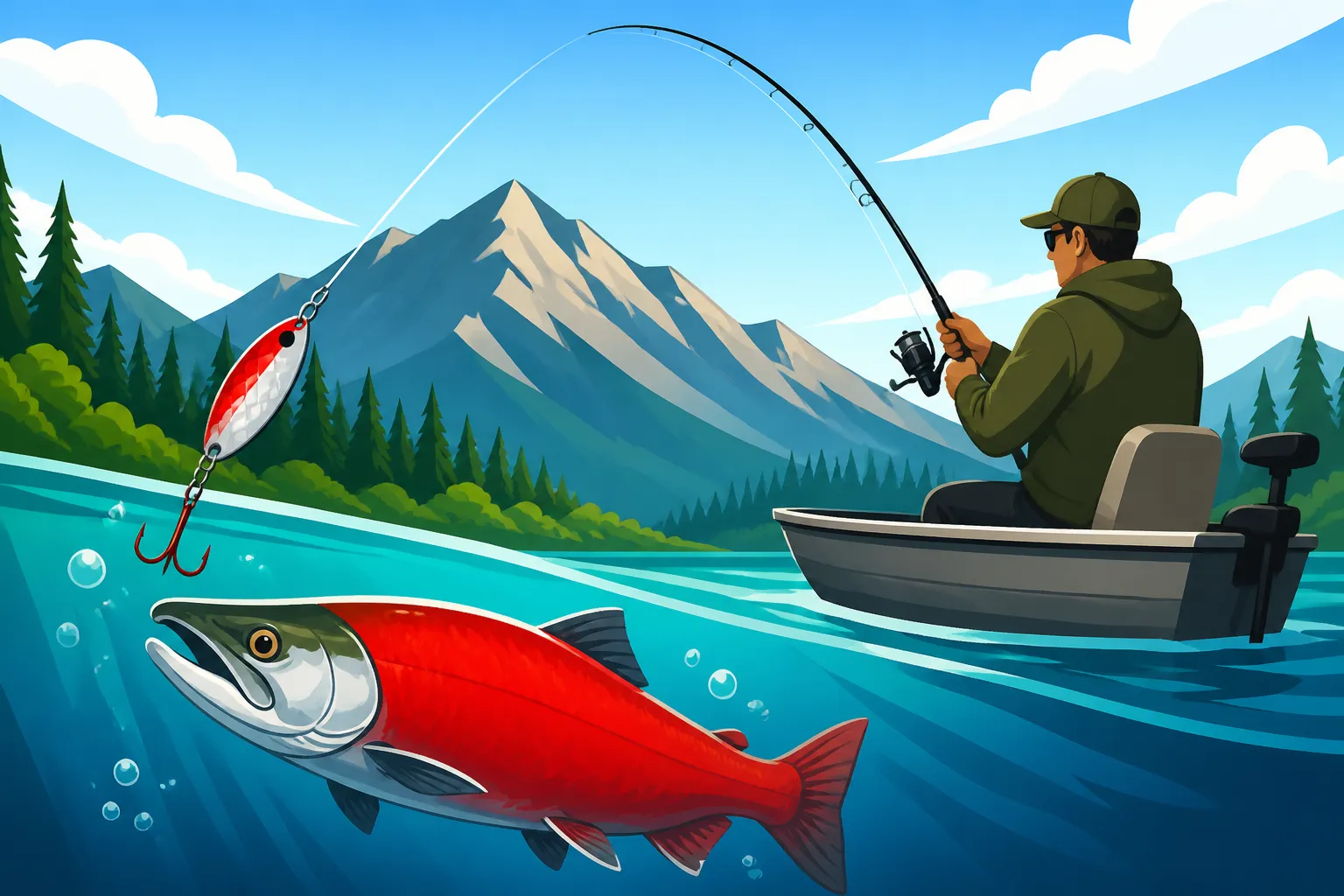
Behind your dodger or flasher, you'll run a short leader (6-18 inches, often 8-12 inches is a sweet spot) to your lure. Your lure will typically be a small, highly reflective spoon, spinner, or a wedding ring-style spinner with a small dodger ahead of it. Brands like Rocky Mountain Tackle, Mack's Lures, and Shasta Tackle make excellent kokanee-specific offerings. Often, these lures are tipped with a piece of shoepeg corn, which is not only an attractant but also holds scent beautifully. Ensure your hooks are sharp and small, usually a size 2 or 4, barbless if possible for easier release and less damage to the fish. Many anglers stock up on these critical items, often ordering them in bulk from Amazon before their Wallowa Lake trips. If you're looking for broader bait options, our Oregon Bait and Lure Guide has you covered.
Baits and Scents that Work Wonders
When it comes to kokanee, bait and scent are paramount. While the dodger and lure get their attention, it's often the smell that seals the deal. The aforementioned shoepeg corn is almost universally used, dyed in bright colors like pink, red, or chartreuse. But the real secret weapon is the scent you infuse into that corn. Garlic, Anise, and various proprietary kokanee scents are incredibly effective. You can buy pre-scented corn, or buy plain shoepeg corn and soak it in your favorite kokanee attractant for a day or two before your trip.
Think of it this way: the fish are suspending in open water, and while the flash and wobble might draw them in, that burst of garlic or sweet corn scent acts like a dinner bell, enticing them to bite. Some anglers also use small pieces of shrimp or maggots, but corn remains the gold standard. Experimentation is key; what works one day might not work the next, so have a variety of colors and scents on hand. Knowing the Best Lures for Oregon Salmon Fishing can give you an edge, even for these landlocked cousins.
Here's a quick reference for common kokanee gear at Wallowa Lake:
| Gear Type | Specifics | Notes |
|---|---|---|
| Rod | 7-8.5 ft, light action, moderate-fast tip | Absorbs shock from soft kokanee mouth |
| Reel | Lightweight spinning (1000-2500) or small baitcaster | Smooth drag is critical |
| Main Line | 6-8 lb monofilament | Provides stretch to prevent hook pulls |
| Leader Material | 4-6 lb fluorocarbon | Invisible in clear Wallowa Lake water |
| Dodgers | 4-6 inch, Sling Blade, Vance's, Paulina Peak | Imparts action on the lure, attracts fish |
| Flashers | Smaller sizes, various brands | Creates vibration and flash |
| Lures | Small spoons, wedding rings, spinners | Tip with corn, use bright colors |
| Bait | Shoepeg corn (dyed & scented) | Best scent holder, mimics plankton |
| Scents | Garlic, Anise, Krill, Kokanee-specific | Critical attractant, soak corn for best results |
Master Your Techniques: Trolling and Still Fishing Strategies
When you're out on Wallowa Lake specifically targeting kokanee, it's generally a game of two main approaches: trolling or still fishing. Each has its place and its own set of nuances, and truly mastering them will dramatically increase your chances of success. It's not just about getting a line in the water; it's about precision, patience, and adapting to what the fish are telling you.
Precision Trolling for Active Kokanee
Trolling is by far the most popular and often most effective method for kokanee, especially in a large, deep lake like Wallowa. The goal is to cover water, locate schools, and present your lures at their feeding depth. This is where downriggers become incredibly valuable. They allow you to precisely control your depth, keeping your lure right in the strike zone, even as you change speed or direction. If you don't have downriggers, lead core line or snap weights can also help you get down, though with less precision.
Your trolling speed is critical. Kokanee are not fast swimmers, and they often prefer a slow, subtle presentation. Typically, speeds between 1.0 and 1.8 miles per hour are effective, but sometimes even slower is better. Watch your rod tips; the dodger should have a nice, rhythmic wobble. Pay close attention to what happens when you make turns. Often, the outside line will speed up and dive, while the inside line will slow down and rise. This change in action can trigger strikes, so don't be afraid to incorporate gentle S-turns into your trolling pattern. This also allows different lures and depths to be presented to the schools. Learning more about Trolling Techniques for Oregon Reservoirs can definitely give you a leg up.
Still Fishing from Anchor or Shore
While trolling is king, there are times and places where still fishing for kokanee can be surprisingly productive, especially if you're targeting fish that are holding in a specific area or if you're fishing from shore. If you locate a dense school of kokanee on your fish finder, anchoring upwind and letting your bait drift into the school can work. The key here is chumming. A mix of canned corn, salmon eggs, or even finely crushed pet food (always check regulations for chumming!) can draw kokanee in and keep them interested.
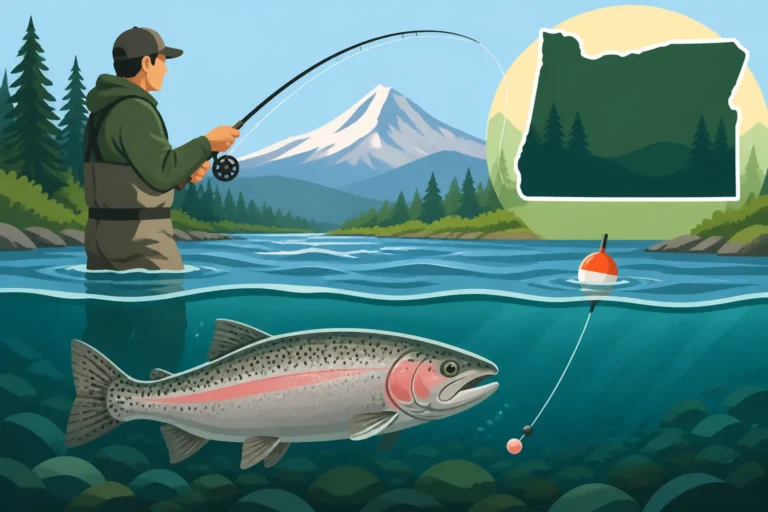
For shore anglers, fishing deep drop-offs or points where kokanee might cruise can be effective. A slip bobber rig, with your bait suspended at the known kokanee depth, is a good starting point. Use a very sensitive bobber and light weights, as kokanee bites can be incredibly subtle. Again, tipping your small hook with scented corn is essential. Remember, these fish are feeding on tiny things, so a natural, light presentation is key.
Reading Your Electronics and Adjusting
Your fish finder isn't just for locating schools; it's your primary tool for understanding kokanee behavior in real-time. Look for the distinct "clouds" or "arcs" that indicate schools of kokanee. Pay attention to the depth at which they're holding and whether they're moving or stationary. If you're consistently seeing fish at 40 feet but getting no bites, consider dropping your downrigger a few feet deeper or raising it slightly.
Another crucial piece of information your electronics can provide is the thermocline. Most modern fish finders can help you identify this temperature break, and that's often where kokanee will be holding. If you're not seeing fish in the usual spots, experiment with depths. Sometimes, they might be deeper if the surface waters are unusually warm, or shallower early in the morning or late in the evening. Don't be afraid to adjust your speed, lure color, and scent if the fish aren't biting. A minor change can often make a huge difference, especially with these fickle fish. This continuous adjustment based on real-time feedback is a cornerstone of successful kokanee fishing.
Timing is Everything: Best Seasons and Times
Just like with any fishing, knowing when to fish for kokanee at Wallowa Lake is almost as important as how you fish for them. These fish are creatures of habit and are highly influenced by the seasons and even the time of day. Paying attention to these natural rhythms will stack the odds in your favor.
Seasonal Movements of Wallowa Lake Kokanee
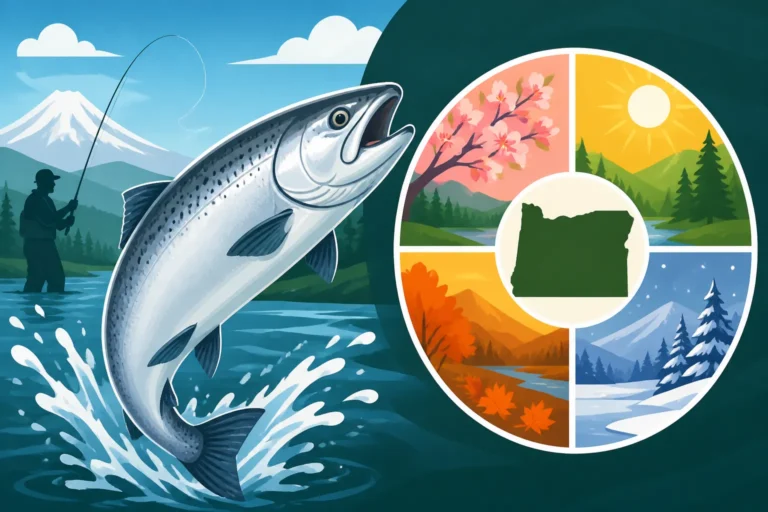
Kokanee fishing at Wallowa Lake generally heats up in late spring and continues strong through the summer months, tapering off into early fall. As the lake transitions from the cold depths of winter, the kokanee, much like us, become more active with the warming temperatures.
- Spring (May-June): As the ice clears and water temperatures slowly rise, kokanee start to move into more accessible depths. They might be a bit scattered initially, but as the water warms, their metabolism picks up, and they'll start schooling more predictably. This is a great time to experiment with shallower depths, perhaps 15-30 feet, especially on cloudy days.
- Summer (July-August): This is often peak kokanee season. The fish will be well-established in the thermocline, usually holding between 20-60 feet. They'll be actively feeding and can be quite aggressive. This is also when the lake can get busy, so early morning starts are often key. You can find more general information on Oregon Fishing Seasons Explained to help plan your trips.
- Fall (September-October): As water temperatures begin to drop, kokanee will start their spawning run. This means they'll move towards shallower areas and tributaries, and their focus shifts from feeding to reproduction. While you can still catch them, they become less interested in traditional baits and lures. They also develop their spawning colors (bright red bodies, green heads), and their meat quality declines significantly. Many anglers choose to respect this phase of their life cycle. If you're wondering How big do kokanee get at Wallowa Lake during these times, they are often at their largest just before spawning.
Ideal Time of Day and Weather Conditions
Beyond the seasons, the time of day and prevailing weather conditions also play a huge role in kokanee activity. These fish, being salmon, often prefer lower light conditions.
- Early Morning and Late Evening: These are prime times for kokanee fishing. The sun isn't directly overhead, which can make the fish feel more secure feeding at shallower depths, and the lower light often triggers a feeding frenzy. Getting on the water at dawn means you're there for the first bite, often before the lake gets too crowded with recreational boaters.
- Cloudy Days: Overcast conditions can extend the productive fishing window throughout the day. The diffused light makes the kokanee less wary, and they might remain active at shallower depths for longer periods.
- Stable Weather: Kokanee, like many fish, prefer stable weather patterns. Sudden drops in barometric pressure, cold fronts, or strong winds can put them off the bite. While you can still catch them, they might be deeper or less aggressive. A little chop on the water, however, can sometimes be beneficial as it breaks up the light, giving the kokanee a sense of security and making your dodgers flash more erratically. Don't let a little breeze deter you; sometimes it's just what the doctor ordered! For a comprehensive look at annual opportunities, consider our guide on the Best Time of Year to Fish in Oregon.
Ultimately, kokanee fishing at Wallowa Lake is a rewarding experience that combines patience, technical skill, and an understanding of the fish's natural instincts. With the right gear, a thoughtful approach to trolling, and an awareness of the seasonal and daily rhythms, you'll be well on your way to enjoying the fantastic kokanee fishery this iconic Oregon lake has to offer. Remember to always check current regulations before heading out, as they can change. Also, be sure to have your Oregon Fishing License Guide and any required tags in order!
Disclaimer
Fishing conditions and regulations in Oregon can change frequently. Always consult the latest Oregon Department of Fish and Wildlife (ODFW) regulations before planning any fishing trip to ensure compliance and a safe, enjoyable experience. This guide is for informational purposes only.