How many sturgeon can you keep per year in Oregon
It's incredibly frustrating when you're just trying to figure out a straightforward answer about fishing, only to be met with a maze of regulations that seem to change constantly. You’re excited about the possibility of hooking into one of Oregon's magnificent sturgeon, but the big question looming is: "How many can I actually keep?" This guide is here to clear up that confusion, diving deep into the specific rules for sturgeon retention in Oregon so you can fish confidently and legally.
Understanding Oregon's Annual Sturgeon Retention Limits
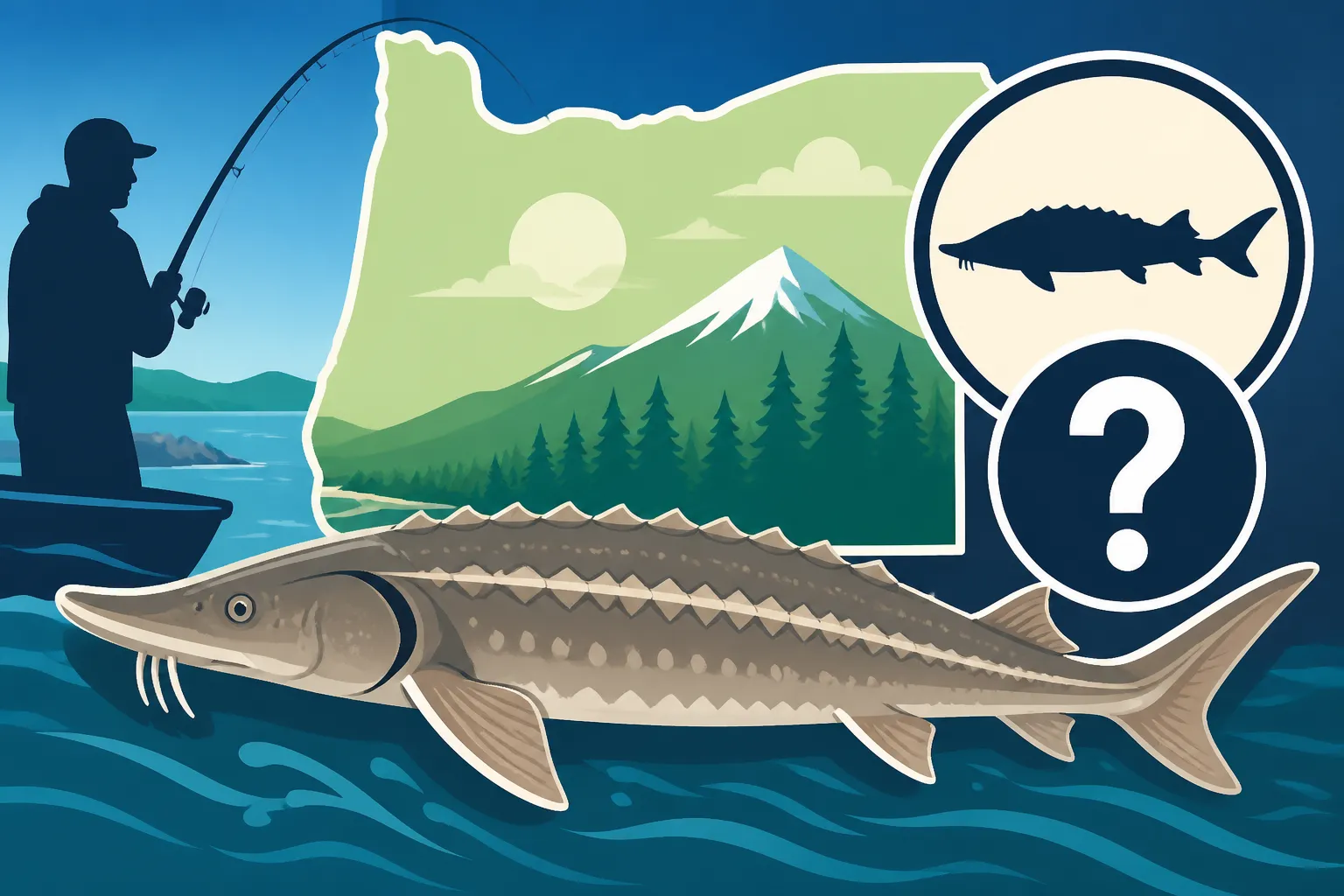
When it comes to fishing for sturgeon in Oregon, especially the iconic White Sturgeon, the immediate answer to "how many can you keep per year" is often "very few, and usually under very specific, limited circumstances." Unlike more common species like trout or bass where daily limits are consistent throughout a broad season, sturgeon retention is a privilege granted sparingly, if at all. For recreational anglers, the annual limit for White Sturgeon, when retention is permitted, is typically one fish per year. However, this isn't a guaranteed entitlement; it's contingent on active seasons, specific zones, and strict slot limits.
The Rarity of Sturgeon Retention Opportunities
Many anglers, especially those new to sturgeon fishing, are surprised to learn just how tight the regulations are. The truth is, most sturgeon fishing in Oregon, particularly for White Sturgeon, is entirely catch-and-release. The few opportunities for retention usually arise from very careful management decisions by the Oregon Department of Fish and Wildlife (ODFW), often in response to strong returns in certain river systems, primarily the lower Columbia River. These windows are short, often lasting only a few days or weeks, and are announced well in advance. If you miss that specific window, or if a season isn't open, your annual retention limit remains zero. It’s crucial to understand that these magnificent fish are long-lived and slow to reproduce, making them highly vulnerable to overfishing, which is why conservation efforts are so strict.
Why Such Strict Limits? The Conservation Imperative
The stringent limits on sturgeon retention are rooted deeply in conservation. White Sturgeon are an ancient species, some living for over a hundred years and growing to immense sizes. They take a long time to reach maturity, and their populations can be easily impacted by environmental factors, habitat loss, and fishing pressure. The ODFW, in collaboration with Washington state for shared waters like the Columbia, works tirelessly to monitor population health, spawning success, and overall abundance. These agencies use scientific data to determine if a limited harvest can be sustained without jeopardizing the long-term health of the species. Therefore, when a retention season does open, it's a testament to successful conservation efforts, and every retained fish is carefully accounted for through tagging requirements. Protecting these incredible fish ensures future generations of anglers can also experience the thrill of catching a sturgeon.
Navigating Specific Sturgeon Retention Seasons and Zones
It’s not enough to know the annual limit; you also need to know where and when retention is allowed. Oregon's sturgeon regulations are highly localized, meaning what's legal in one stretch of river might be strictly catch-and-release just a few miles away. The most consistent, albeit limited, retention opportunities usually occur in the Columbia River Basin, while other waters often remain catch-and-release.
Columbia River Basin Opportunities
The Columbia River is by far the most prominent location for sturgeon fishing in Oregon, and where nearly all retention opportunities occur. These opportunities are generally split into different management zones, with the Bonneville Pool (the stretch of the Columbia River above Bonneville Dam) being a notable area. Here's how it generally works:
- Below Bonneville Dam (Lower Columbia): Retention seasons for White Sturgeon in the lower Columbia River are usually very short, often only a few days in late spring or early summer, and sometimes a fall season. These are highly anticipated events and are announced by ODFW and WDFW (Washington Department of Fish and Wildlife) based on allocation numbers. When open, the annual limit of one White Sturgeon per year typically applies, with specific slot limits (e.g., between 44 and 50 inches fork length) strictly enforced. You absolutely need to check the current Oregon Fishing Season Dates and Limits and the most recent regulation updates before heading out, as these dates can change quickly or be closed unexpectedly.
- Bonneville Pool and Upstream: The Bonneville Pool, extending from Bonneville Dam upstream to The Dalles Dam, often has its own specific retention seasons. Historically, these have also been very short, sometimes just a day or two, and often carry the same one-fish annual limit and slot size restrictions. For detailed information on specific size requirements in this area, you'll want to review resources like "Columbia River sturgeon slot limit explained." Always confirm the latest rules, as fishing above the dam can be complex with different zones and rules.
Remember that because the Columbia River is shared between Oregon and Washington, understanding Oregon and Washington License Reciprocity on the Columbia is crucial if you plan to fish from either side or from a boat traversing the state line.
Willamette River and Other Oregon Waters
For the vast majority of other Oregon waters, including the entire Willamette River system, White Sturgeon fishing is almost exclusively catch-and-release only. There are no regular retention seasons for White Sturgeon in the Willamette, largely due to concerns about localized populations and to support the species' recovery. This means that if you hook a sturgeon in the Willamette, no matter its size or how healthy it looks, it must be immediately released unharmed.
For other species, like the federally protected Green Sturgeon, retention is never permitted anywhere in Oregon waters. These regulations are strict for a reason; these fish are critically important to the ecosystem. Always double-check the latest Oregon Fishing Regulations Explained for any body of water you plan to fish, as rules can change. This can often be found in the annual ODFW Sport Fishing Regulations booklet, available at license vendors or online.
Here's a quick overview of general sturgeon retention rules in some key Oregon waters:
| Water Body | Typical Retention Policy (White Sturgeon) | Annual Limit (if open) | Slot Limit Example (Fork Length) |
|---|---|---|---|
| Lower Columbia River | Highly limited, short seasonal openings (spring/fall) | 1 fish | 44-50 inches |
| Bonneville Pool | Highly limited, short seasonal openings (spring/fall) | 1 fish | 44-50 inches |
| Willamette River | Catch-and-release only | 0 fish | N/A |
| Other Oregon Coastal Rivers | Catch-and-release only (some exceptions for smaller bays might occur, check regs) | 0 fish | N/A |
| Green Sturgeon | Federally protected – catch-and-release only, no retention ever | 0 fish | N/A |
Note: This table provides a general overview based on common regulations. Always consult the current ODFW Sport Fishing Regulations for the most up-to-date and specific rules for your intended fishing location and date. Regulations are subject to emergency closures and changes.
Essential Regulations Beyond the Annual Limit: Slot Sizes and Tags
Understanding the "one fish per year" rule, when applicable, is just one piece of the puzzle. There are other critical regulations you must adhere to when fishing for sturgeon in Oregon, especially if you plan on retaining one. These include strict slot limits and mandatory tagging requirements. Ignoring these can lead to significant penalties, including fines and loss of fishing privileges.
The Importance of Sturgeon Slot Limits
A "slot limit" is a specific size range within which a fish can be legally retained. Fish smaller than the minimum size limit and larger than the maximum size limit must be released. For White Sturgeon in Oregon, when retention is allowed, the slot limit is usually quite precise, for example, 44 to 50 inches fork length (measured from the tip of the nose to the fork in the tail). This isn't arbitrary; it's a carefully chosen range designed to protect both juvenile fish, allowing them to mature and reproduce, and the large, reproductively valuable broodstock.
- Protecting the Young: By requiring anglers to release sturgeon below the minimum slot, ODFW ensures that young fish have a chance to grow and contribute to future spawning runs. These smaller fish are often more abundant and are key to population recruitment.
- Safeguarding the Breeders: Conversely, mandating the release of sturgeon above the maximum slot size protects the largest, oldest, and most reproductively potent fish. These "broodstock" are vital for successful spawning and maintaining genetic diversity within the population. Catching a massive sturgeon that falls outside the slot can be an incredible experience, but the satisfaction comes from knowing you're contributing to the species' survival by releasing it.
You absolutely need a reliable measuring device on board your boat or with you on the bank. Many anglers opt for a flexible tape measure or a marked fishing mat that can be easily found on retailers like Amazon, ensuring accuracy when you’re trying to quickly measure a squirming sturgeon. Always measure accurately and release any fish that falls outside the legal slot.
Mandatory Sturgeon Tagging Requirements
If you are fortunate enough to retain a legal-sized White Sturgeon during an open season, you must have an Oregon Combined Angling Tag. This tag is your record-keeping device for certain salmon, steelhead, and sturgeon. Before you even think about keeping a sturgeon, you need to be familiar with the Oregon Sturgeon Tag Requirements.
Here's how it generally works:
- Purchase the Tag: The Combined Angling Tag is typically purchased alongside your annual fishing license. It's a physical card with numbered slots for recording your catch. Without this tag, even if you catch a legal sturgeon during an open season, you cannot keep it.
- Immediate Validation: As soon as you decide to retain a sturgeon, you must immediately validate the tag by punching out the month, day, and time, and recording the species and location. This seems like a small detail, but it's critically important. Failure to properly validate a tag can result in a citation for fishing violations.
- Proper Attachment: Once validated, the tag must be securely attached to the fish. Typically, this involves running a zip tie or string through the gill plate or mouth and attaching the tag firmly. The tag must remain attached until the fish is processed or taken to your permanent residence. This prevents individuals from keeping multiple fish on a single tag or transferring fish to other anglers.
This tagging system is a cornerstone of ODFW's management strategy, providing crucial data on harvest rates and ensuring compliance with the stringent annual limits. If you're wondering "How much does an Oregon combined angling tag cost", it's usually a small additional fee on top of your fishing license, a worthwhile investment for the opportunity to retain a sturgeon.
Practicing Responsible Sturgeon Angling: Catch and Release
Given that most sturgeon fishing in Oregon is catch-and-release, mastering responsible angling techniques is paramount. These magnificent fish are incredibly resilient, but they also require careful handling to ensure their survival after release. As a steward of these ancient fish, it's our responsibility to minimize stress and injury.
Best Practices for Healthy Release
Hooking a large sturgeon can be a strenuous battle, both for you and the fish. To give the sturgeon the best chance of survival, follow these guidelines:
- Minimize Fight Time: While it's exhilarating, try to bring the fish to the boat or shore as quickly and efficiently as possible without over-stressing it. Prolonged fights can lead to exhaustion, making the fish more susceptible to post-release mortality.
- Use Appropriate Tackle: Don't skimp on tackle. Strong rods, reels, and line are essential for fighting large sturgeon effectively. Heavy monofilament or fluorocarbon leaders, along with sturdy hooks, reduce the chance of line breakage or hooks straightening, which could leave gear in the fish. Circle hooks are highly recommended as they tend to hook in the corner of the mouth, reducing gut-hooking. Brands like Gamakatsu or Owner offer excellent quality circle hooks that can significantly improve a fish's chances.
- Handle with Care:
- Keep them in the Water: Whenever possible, keep the sturgeon in the water, especially larger fish. Avoid dragging them onto dry land or rocks.
- Support the Body: If you must bring the fish out of the water for a quick photo or measurement, support its entire body horizontally. Never lift a large sturgeon by the tail or head alone, as this can damage its internal organs or spine. Use a large, wet mat or blanket, readily available on Amazon, to cradle the fish.
- Wet Hands: Always wet your hands before touching the fish to protect its delicate slime coat, which acts as a barrier against disease.
- Quick Release: Have your camera ready if you want a photo, and then release the fish promptly. The less time it's out of the water, the better.
For a more detailed breakdown of safe handling, check out resources like "How to catch and release sturgeon safely". These practices are not just suggestions; they are crucial for the long-term health of sturgeon populations.
Essential Gear for Sturgeon Safety and Success
Beyond your rod and reel, having the right ancillary gear makes a huge difference in both your success and the sturgeon's well-being.
- Large Landing Net or Sling: For bigger fish, a strong, rubberized landing net or a heavy-duty sling can help you safely bring the fish alongside your boat or to the bank without causing injury. Rubberized nets are preferred over knotted nylon nets because they are gentler on the fish's slime coat and fins.
- Dehooker or Pliers: Long-nosed pliers or a specialized dehooking tool are indispensable for quickly and easily removing hooks, especially if they are deeply set. Some high-quality dehookers are available from brands like Rapala or Boomerang, ensuring you can get the hook out with minimal stress to the fish.
- Measuring Device: As mentioned earlier, a flexible tape measure or a marked mat is essential for accurately checking slot limits. Make sure it's long enough for potentially large fish!
- Gloves: Heavy-duty gloves can protect your hands from the rough scutes (bony plates) on a sturgeon's body and from sharp hooks, allowing you to handle the fish more confidently and gently.
- Conservation Mindset: The most important piece of gear is a commitment to conservation. Recognizing that these fish are a precious resource and treating them with respect ensures that the thrill of sturgeon fishing continues for generations to come. When you go on Sturgeon Guide Trips on the Columbia, experienced guides will always prioritize fish safety and demonstrate these techniques.
Remember, every sturgeon released healthy is a victory for conservation.
Disclaimer
The information provided in this guide is for general informational purposes only and is not legal advice. Fishing regulations, season dates, and limits for Oregon can change frequently and without prior notice due to biological, environmental, or management reasons. It is the angler's sole responsibility to consult the most current Oregon Department of Fish and Wildlife (ODFW) Sport Fishing Regulations and any in-season updates or emergency closures before engaging in any fishing activity. Failure to do so may result in legal penalties.