Best jigs for rockfish in Oregon
It's an age-old angler's dilemma: you've set your sights on a fantastic day of rockfish jigging off the Oregon coast, but standing in front of a wall of lures, you're left wondering, "Which one do I even pick?" The sheer variety can be overwhelming, and picking the right jig makes all the difference between a day of frustrating snagged lines and one filled with exhilarating bites. This guide will cut through the confusion and equip you with the knowledge to choose the best jigs for targeting rockfish in Oregon's diverse waters.
Understanding Oregon Rockfish and Their Preferred Haunts
Before we even dive into specific jig types, it’s absolutely essential to understand the species you’re targeting and, more importantly, where they live. Oregon’s coast is teeming with various rockfish species, each with slightly different preferences, but all sharing a common love for structure. Knowing this foundation is the first step to selecting a jig that truly performs.
Common Rockfish Species in Oregon Waters
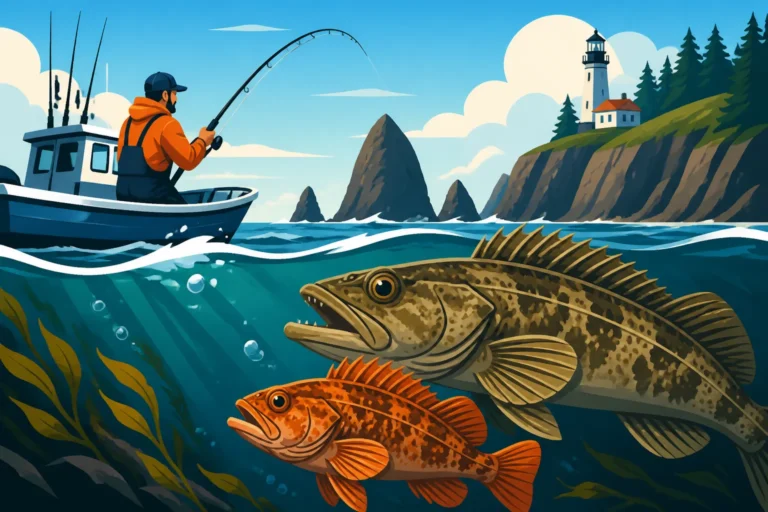
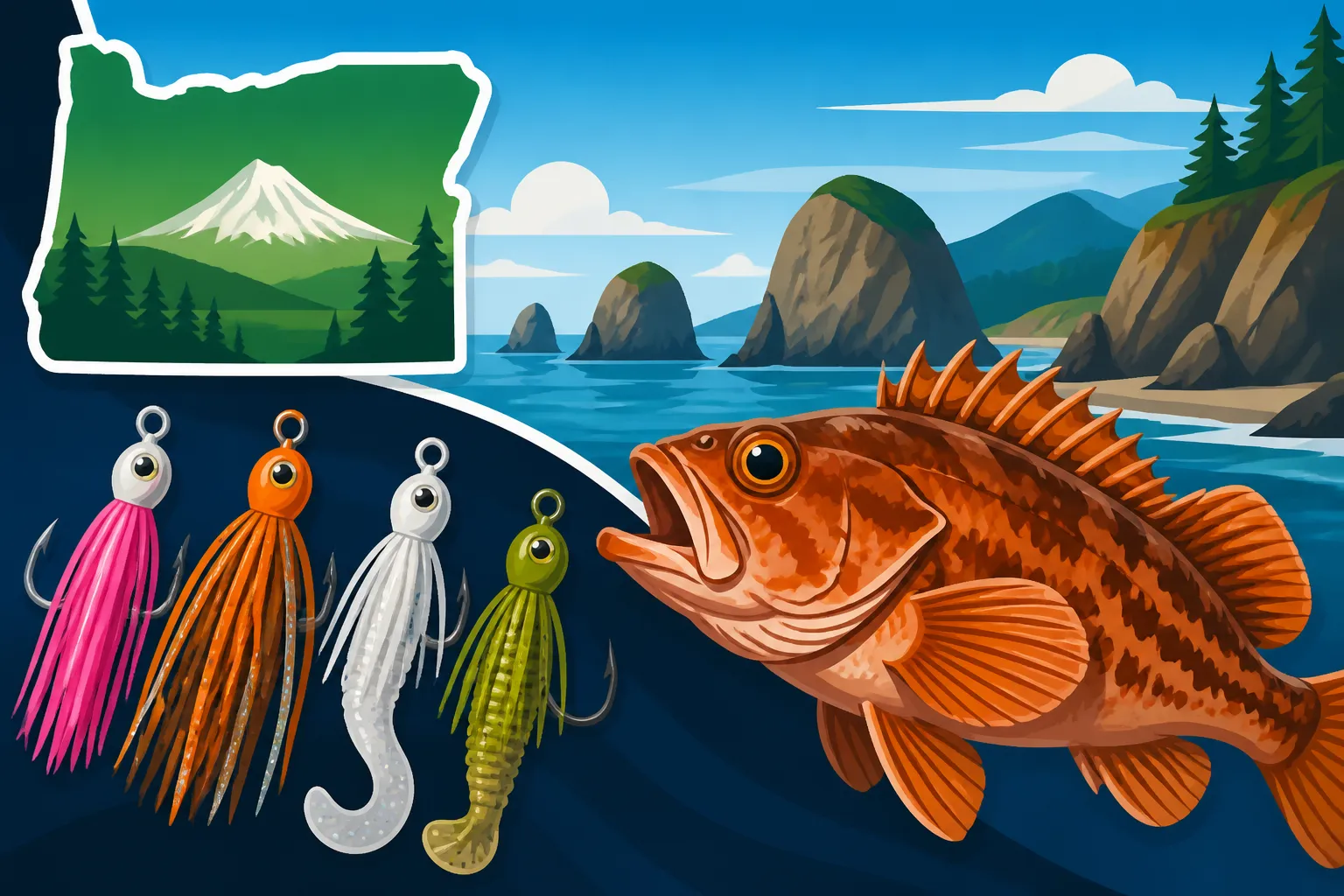
When you're bottom fishing off the Oregon coast, you'll encounter a fantastic array of rockfish, each with its own charm and fight. The most common species you'll likely tangle with include Black Rockfish, also known as "Black Snips," which are often found closer to shore and in shallower waters, making them a popular target for many anglers. They're aggressive and readily hit a well-presented jig. Then there are Blue Rockfish, often schooling with Black Rockfish, displaying a similar eagerness to bite.
Venturing into deeper waters, you'll frequently find Vermilion Rockfish, identifiable by their striking reddish-orange hue, and Copper Rockfish, which boast beautiful mottled brown and orange patterns. These deeper-dwelling rockfish tend to be larger on average and offer a strong pull. Don't be surprised if you also hook into Lingcod, often mistaken for a type of rockfish but actually a separate, equally prized predatory species. They share similar habitats and will aggressively strike many of the same jigs designed for rockfish, adding an extra layer of excitement to your trip. Each of these species, from the smaller Black Rockfish to the beefier Lingcod, presents a unique challenge and reward, making the pursuit endlessly engaging. For a broader look at the amazing diversity of fish out here, check out our Oregon Saltwater Fish Species Guide.
Where Rockfish Hide
Rockfish, as their name suggests, are absolute masters of camouflage and ambush, thriving in rocky, structured environments. Think submerged reefs, kelp forests, rock outcroppings, and even old shipwrecks or artificial reefs. These areas provide them with both shelter from predators and prime ambush points for unsuspecting baitfish. Along the Oregon coast, from the craggy shores near Depoe Bay to the expansive reef systems off Newport, these fish are intimately tied to the contours of the ocean floor.
The depth can vary wildly, from 30 feet of water for Black Rockfish near jetties to hundreds of feet for larger, deeper species. Strong currents are also a factor, as these areas often have significant water movement, bringing food right to the fish. When you’re out on the water, whether you're embarking from Newport Oregon Fishing Charters or dropping a line from your own boat, using your fish finder to locate these "sticky" areas, characterized by sharp ledges, pinnacles, and rubble, is paramount. That dark, irregular blob on your screen? That’s prime rockfish territory. Being able to pinpoint these specific structures is half the battle; the other half is presenting a jig that entices them out of their hiding spots.
Key Characteristics of Effective Rockfish Jigs
Picking a jig isn't just about grabbing the prettiest one on the shelf. There's a science and an art to it, especially when dealing with the varied conditions and species found in Oregon's marine environment. Understanding what makes a jig "good" for rockfish means considering its weight, profile, color, action, and the integrity of its hooks.
Weight and Profile Considerations
The weight of your jig is absolutely critical and often the first factor you should consider. It’s a direct response to two major environmental factors: depth and current. Fishing in 50 feet of water with minimal current is a vastly different scenario than trying to hit bottom in 200 feet of water with a ripping tide. If your jig is too light, it'll never reach the strike zone; it'll just get swept away by the current, becoming an expensive piece of decoration for a curious seabird or another angler's line. Too heavy, and you’re over-exerting yourself, potentially snagging more often, and perhaps presenting an unnatural action.
Generally, for depths up to 100 feet and moderate currents, jigs in the 2-4 ounce range are a good starting point. For deeper water or stronger currents, you might need to go up to 6, 8, or even 12 ounces to maintain vertical contact with the bottom. The jig's profile also plays a significant role. A slender, hydrodynamic jig will cut through the water more efficiently, reaching the bottom faster and fluttering enticingly on the drop. A wider, bulkier profile might have more drag, making it harder to get down but potentially offering a slower, more enticing fall in calmer conditions. Many anglers keep a variety of weights and profiles on hand, because conditions can change rapidly on the ocean.
Color and Action
Rockfish are visual predators, so color and action are huge factors in drawing strikes. When it comes to color, there's a strong "match the hatch" philosophy, meaning trying to imitate the local baitfish. Natural colors like olive, brown, silver, and dark blues can be incredibly effective, especially on clear, sunny days when fish can be more discerning. However, don't underestimate the power of attractor colors, particularly in deeper, darker water or on overcast days. Chartreuse, glow-in-the-dark, pink, and bright oranges can stand out and provoke an aggressive reaction strike when other colors go unnoticed. It’s often a good strategy to start with natural colors and switch to brighter options if the bite is slow. Many successful jigs combine both, with a natural base color accented by a pop of chartreuse or a bit of glow.
The action of the jig refers to how it moves through the water when retrieved. Some jigs are designed for a tight, vertical "flutter" on the drop, mimicking a wounded baitfish spiraling downward. Others have a wider, more erratic "darting" action when jigged aggressively, simulating a frantic escape. The best action often depends on the mood of the fish; sometimes they want a slow, subtle presentation, while at other times, a fast, erratic retrieve is what triggers their predatory instincts. Experimentation is key, and having jigs with different built-in actions in your tackle box, maybe ordered from a convenient place like Amazon, will give you a significant advantage. Our Oregon Bait and Lure Guide dives deeper into general bait and lure selection.
Hook Size and Durability
There’s nothing quite as frustrating as feeling a solid strike, fighting a good fish, and then losing it due to a bent or dull hook. Rockfish, with their strong jaws and often aggressive headshakes, demand hooks that are both incredibly sharp and robust. Many jigs come pre-rigged with hooks, but these are not always of the highest quality. It's a wise investment to replace factory hooks with stronger, sharper alternatives if you find them lacking. Look for hooks made from high-carbon steel or forged construction, designed to withstand significant pressure.
The size of the hook should also be appropriate for the size of the jig and the typical size of the rockfish you expect to encounter. Too small, and you risk insufficient hookups; too large, and it can affect the jig's action or deter smaller fish. Corrosion resistance is another crucial aspect for saltwater fishing. Jigs with stainless steel or black nickel coated hooks will last longer and maintain their sharpness, even after multiple uses in corrosive saltwater environments. Taking the time to ensure your hooks are top-notch means more fish in the cooler and fewer heartbreaking losses at the boat.
Top Jig Styles for Oregon Rockfish
With the fundamentals covered, let's talk about the specific types of jigs that consistently produce results for rockfish anglers along the Oregon coast. Each style has its strengths, and knowing when and how to deploy them will elevate your jigging game.
Vertical Jigs
Vertical jigs are often the workhorses of deepwater rockfish and Lingcod off the Oregon Coast fishing. These jigs are typically slender, heavy pieces of metal, designed to drop rapidly through the water column with minimal resistance. Their design allows them to get down to where the fish are holding quickly, even in strong currents, which is a huge advantage when fishing depths of 100 feet or more. Once they reach the bottom, their action is usually characterized by a tight, darting, or fluttering motion with each lift and drop of the rod.
To fish them effectively, let the jig sink to the bottom, and once you feel it hit, immediately reel up a few cranks to avoid snags. Then, engage in a series of lifts and drops, ranging from short, subtle twitches to aggressive, long sweeps of the rod. Many strikes occur on the drop, as the jig flutters down, mimicking a wounded baitfish. Common examples include knife jigs, speed jigs, and various Japanese-style vertical jigs. Their efficiency in deep water makes them indispensable for offshore trips targeting a variety of species.
Lead-Head Jigs with Soft Plastics
If there's a "swiss army knife" of rockfish jigs, it's undoubtedly the lead-head jig paired with a soft plastic tail. This combination is incredibly versatile and can imitate almost anything a rockfish might want to eat, from small baitfish to squid or even crustaceans. The lead head provides the necessary weight to get down, while the soft plastic body provides incredible lifelike action and feel. You'll find a massive array of these jigs available, whether you're browsing at a local tackle shop or looking for specific colors and sizes on Amazon.
The key to success here lies in the choice of soft plastic. Paddle tails create a strong thumping vibration that can attract fish from a distance, while curl tails offer a more subtle, undulating action. Straight-tail grubs can be deadly when fish are finicky, and even artificial shrimp or crab imitations can work wonders. Colors are just as varied, with natural tones like green pumpkin, brown, and dark blue mimicking prevalent forage, while brighter options like chartreuse, pink, and glow can trigger reaction bites, especially in murky or deep water.
Rigging is simple: thread the soft plastic onto the hook of the lead head, ensuring it sits straight for optimal action. The beauty of this setup is its adaptability; you can swap out plastic bodies in seconds to adjust to changing conditions or fish preferences. From jigging vertically to casting and retrieving near structure, these jigs are a consistent producer for many different Rockfish off the Oregon Coast situations.
Metal Jigs and Butterfly Jigs
Metal jigs, especially the aptly named "butterfly jigs," offer a distinct presentation that can be incredibly effective, particularly when fish are aggressive or chasing fast-moving bait. These jigs are designed with an asymmetrical, often curved profile that causes them to flutter wildly, dart erratically, or even spiral on the retrieve, imitating a frantically fleeing or injured baitfish. Their metallic sheen adds flash, which can be a powerful attractor, especially in clearer water or when predatory fish are actively feeding.
Butterfly jigs, a specific type of metal jig, are often wider and have a more pronounced "S" curve. They are known for their enticing "leaf-falling" action on the drop, which can be irresistible to curious rockfish and even larger game fish like tuna. These jigs are typically fished with a rapid, rhythmic retrieve—a technique often called "speed jigging." You cast them out, let them sink, and then rapidly lift and drop the rod, reeling in line on the drop. This aggressive action triggers instinctual strikes from hungry predators. While they can be very effective, mastering the specific retrieve for each jig style takes practice. Having a few different sizes and colors of these flashy attractors in your tackle box is a smart move for those days when the fish want something more dynamic.
| Jig Type | Primary Action | Ideal Conditions | Target Depth | Pros | Cons |
|---|---|---|---|---|---|
| Vertical Jigs | Fast sink, tight flutter | Deep water, strong currents, aggressive fish | 100+ feet | Efficient at reaching depth, strong flash | Requires consistent vertical retrieve |
| Lead-Head + Soft Plastic | Realistic swim, thumping/waving | Versatile for most conditions, finicky fish | 30-150 feet | Highly customizable, natural presentation | Soft plastics can be torn by fish/snags |
| Metal Jigs/Butterfly Jigs | Erratic dart, spiraling flutter | Aggressive fish, chasing bait, clear water | 50-200 feet | High flash, strong erratic action, triggers reaction strikes | Can be harder to control in strong currents |
Practical Tips for Jigging Success
Having the right jigs is only part of the equation. Knowing how to present them effectively, understanding the subtle nuances of your gear, and being aware of environmental factors will dramatically improve your catch rate.
Retrieval Techniques
Mastering various retrieval techniques is paramount to consistent rockfish success. Simply dropping a jig and reeling it straight back in often won't cut it. Rockfish are ambush predators, and your jig needs to mimic something vulnerable or enticing. For vertical jigs, a common technique is the "lift and drop." Let the jig hit bottom, reel up a few feet, then sharply lift the rod tip a few feet, letting the jig flutter back down on a semi-slack line. Many strikes happen as the jig falls, so pay close attention to any sudden slackening or resistance on the line. Vary the speed and height of your lifts; sometimes a slow, subtle twitch is deadly, other times a fast, aggressive rip is what triggers a bite.
For lead-head jigs with soft plastics, a "slow drag and hop" can be incredibly effective. Let it sink, then slowly drag it along the bottom, pausing occasionally, then giving it a gentle hop. This imitates a bottom-feeding creature or a dying baitfish. If fish are suspended off the bottom, a steady retrieve with occasional twitches can also work. The key is experimentation. If one technique isn't working, don't be afraid to switch it up until you find what the fish are responding to on that particular day. You can find more generalized advice on different fishing methods in our Oregon Fishing Techniques for Beginners.
Essential Gear Pairings
Your jig is only as effective as the rod, reel, and line it's connected to. For rockfish jigging, you'll want a rod with a sensitive tip but plenty of backbone. A medium-heavy to heavy power rod, typically 6'6" to 7'6" in length, is a good starting point. The sensitive tip allows you to feel subtle bites and detect when your jig hits the bottom, while the stiff backbone is necessary to set hooks in hard-mouthed rockfish and to hoist them up from deep water.
Pair this with a robust baitcasting or spinning reel, sized to handle the depths and potential larger fish you might encounter. A 300-400 size baitcaster or a 5000-6000 size spinning reel with a good drag system is usually sufficient.
For line, braided main line is almost a must. Its lack of stretch provides incredible sensitivity, allowing you to feel every bump and bite, even in deep water. It also cuts through current better than monofilament. Spool up with 30-50 lb braided line. At the business end, a fluorocarbon leader of 3-6 feet in length, typically 20-40 lb test, is essential. Fluorocarbon is nearly invisible underwater, more abrasion-resistant against rocky structure, and provides a bit of stretch that braided line lacks, acting as a shock absorber. Ensure all your knots are strong and regularly checked for wear and tear.
Best Times and Locations for Jigging
Timing and location are crucial for successful rockfish jigging. While rockfish can be caught year-round off the Oregon coast, certain conditions can make for more productive fishing. Often, the incoming or outgoing tide, especially when there's a good current flow, can stimulate feeding activity as baitfish are moved around. However, extremely strong currents can make it difficult to keep your jig near the bottom, so a moderate current is often ideal. Checking the tides before you head out, whether you’re planning a trip from Depoe Bay Oregon Fishing Charters or heading out yourself, is a must.
As mentioned earlier, rockfish are structure-oriented. Focus your efforts on known reefs, rocky pinnacles, and ledges. You can use marine charts to identify potential spots, but a good quality fish finder is your best friend for pinpointing exact locations and identifying bait schools or concentrations of fish. When you find a promising area, pay attention to your drift. You want your boat to drift over the structure, allowing your jig to present naturally to the fish below. If you're consistently getting snagged, you might be too close to the heaviest structure or your jig might be too light for the conditions, preventing it from dropping vertically. Sometimes, moving just a few dozen feet can make all the difference. Remember, the Oregon coast offers a plethora of Oregon Coast Fishing Spots for anglers to explore.
Disclaimer
Fishing involves inherent risks, including but not limited to changing weather conditions, personal injury, and equipment malfunction. Always prioritize safety, wear appropriate personal flotation devices, and be aware of your surroundings. Adhere to all local, state, and federal fishing regulations, including possessing the correct licenses and understanding catch limits. The information provided in this guide is for informational purposes only and does not constitute professional advice. We recommend consulting with experienced local guides or the Oregon Department of Fish and Wildlife for the most current and specific guidelines.