Best fly patterns for Deschutes summer steelhead
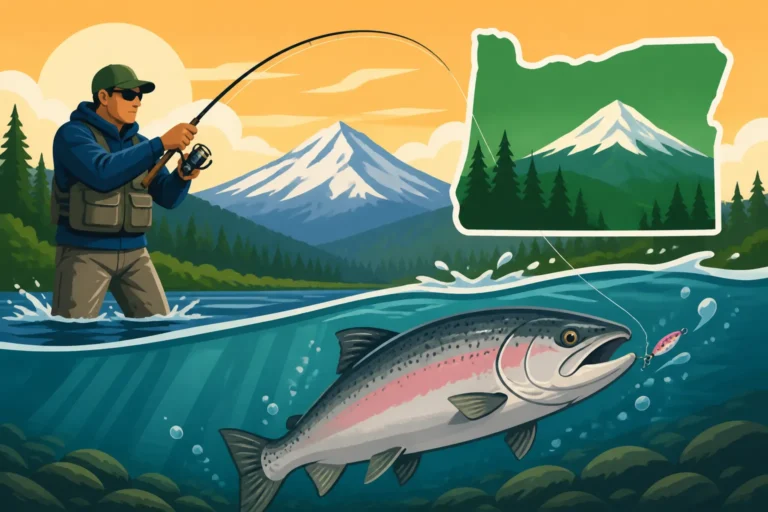
There's nothing quite like the thrill of a Deschutes River summer steelhead, but getting them to commit to a fly can feel like cracking an ancient code. Many anglers get frustrated, spending hours casting beautiful flies only to be met with indifferent fish. This guide is dedicated to demystifying the art of fly selection for these elusive beauties, providing you with the essential patterns and knowledge to increase your chances of success on one of Oregon's most iconic rivers.
Understanding Deschutes Summer Steelhead Behavior and Habitat
Before we even talk about specific fly patterns, it's crucial to understand the fish you're targeting. Deschutes summer steelhead are notoriously finicky, but their behavior isn't random. They're wild, powerful creatures making a long journey, and their decisions about where to hold and what to eat (or react to) are driven by instinct and environment.
The Nuances of Summer Steelhead Runs
Summer steelhead enter the Deschutes River in waves, typically from late spring through fall, peaking around July and August. Unlike their winter counterparts who often enter rivers under high, dark water conditions, summer steelhead encounter lower, clearer, and warmer water. This clarity means they're much more susceptible to being spooked by sloppy casting or unnatural presentations. They also aren't actively feeding in the river in the same way resident trout might be; instead, they're reacting to flies out of aggression, curiosity, or territorial instinct. Understanding when these fish When do summer steelhead enter the Deschutes River can significantly impact your strategy.
Their preferred holding lies often consist of well-oxygenated water, usually at the tail end of riffles, current seams, or behind larger boulders that break the current. These spots offer a combination of resting cover and a clear lane for them to observe their surroundings without expending too much energy. The Deschutes River Fishing Guide emphasizes that these fish are constantly on the move, but they will pause in these specific types of water.
Impact of Water Conditions on Fly Choice
The Deschutes is a river of contrasts, especially through its various seasons. During the summer, water temperatures are generally stable, but knowing What water temperature is best for salmon fishing (which also applies to steelhead) can influence their activity levels. Lower, clearer water calls for more subtle patterns and finesse. High sun can drive them to deeper, shaded lies, while cloudy days or dawn/dusk periods might bring them out to more exposed riffles.
If the river experiences a slight bump in flow or a bit of turbidity from a rain shower, larger or more vibrantly colored flies might become more effective. Conversely, when the water is crystal clear and low, you'll want to scale down your fly size and use more natural, muted tones to avoid alarming these wary fish. The general principle is: the clearer the water, the smaller and more natural the fly.
Essential Dry Fly Patterns for Deschutes Summer Steelhead
Ah, dry fly steelheading on the Deschutes – it's practically a religion for many anglers, a sublime experience that combines the delicate presentation of trout fishing with the explosive power of a chrome bright steelhead. When conditions are right, there's nothing more exhilarating than watching a steelhead rise to a skated dry fly.
Classic Skaters and Wakers
Skaters and wakers are designed to stay high on the water, creating a V-wake or ripple as they are retrieved across the surface. This disturbance is often what triggers an aggressive take from a summer steelhead. These flies aren't imitating specific insects; rather, they're provoking a reaction.
- Bombers (Greased Liners, Portland Bombers): These are perhaps the quintessential Deschutes dry flies. Tied with deer hair, they're incredibly buoyant and push a lot of water. The classic colors include black, orange, green, or combinations thereof. When fishing these, a subtle mend and skate across current seams or riffle tails can be deadly. Imagine an errant insect or small critter struggling on the surface – that's the illusion you're trying to create. A well-tied Bomber, perhaps one you picked up from a local shop like The Gorge Fly Shop or even found on Amazon, is a must-have.
- Greased Liners: Similar in principle to Bombers, these flies also float high and create a wake. They often feature a bulkier, more pronounced head for maximum water disturbance. Natural deer hair colors or olive and tan are popular choices. The key is to keep them moving, dancing across the surface, never letting them dead drift. Learning How to Fly Fish in Oregon will definitely include mastering the skate.
- Clark's Stone: While not strictly a "skater" in the same vein as a Bomber, Clark's Stone is a highly buoyant dry fly that imitates large stoneflies. These flies are often "skated" or "twitched" during the retrieve to simulate an insect struggling on the surface. Black or brown patterns in sizes 4-8 are common. Steelhead often key in on the movement and profile of these larger dries, especially in faster water where a strong silhouette can make a difference.
Innovative Surface Patterns and Foams
Beyond the traditional skaters, innovative patterns have emerged, often incorporating foam to achieve extreme buoyancy and durability. These flies offer slightly different profiles and actions but share the goal of drawing a steelhead to the surface.
- Polywing Caddis/Foam Caddis: While primarily a trout pattern, an oversized Polywing Caddis or a foam-bodied caddis can sometimes entice a steelhead, especially during heavy caddis hatches. These flies sit a bit lower than a Bomber but still create enough surface tension to be noticed. Their more "natural" appearance can be effective when steelhead are particularly wary of traditional skaters.
- Gnome: A hybrid pattern, the Gnome often combines deer hair with foam or other buoyant materials. It’s designed to be fished aggressively, creating a noticeable wake and commotion. Often tied in black, purple, or olive, these flies are excellent for covering water quickly and provoking a chase. Their robust construction allows them to withstand multiple aggressive takes from powerful fish.
- Purple Haze Skater: This pattern takes the classic "purple haze" trout fly colors and applies them to a skating fly design. The combination of purple, black, and sometimes a hint of flash can be incredibly effective, especially in lower light conditions or when the water has a slight tint. It offers a slightly different profile and color combination than the traditional Bombers, providing another option when fish are being selective.
When pursuing these fish, remember that Peak month for Deschutes River steelhead fishing is often when these dry fly opportunities are at their best.
Subsurface Strategies: Nymphs and Wet Flies for Deschutes Summer Steelhead
While dry fly steelheading captures the imagination, the reality is that many Deschutes summer steelhead are caught on subsurface patterns. These flies are designed to be fished deeper in the water column, imitating everything from stonefly nymphs to drowned insects and even small baitfish.
Heavy Nymphs and Stonefly Imitations
Nymphs, especially large stonefly imitations, are incredibly effective for summer steelhead, particularly when fished in faster runs or deeper pools where fish might be holding closer to the bottom. The key is to get these flies down quickly and keep them in the strike zone.
- Poxyback Stone: This is a fantastic imitation of a large stonefly nymph. Tied with a realistic profile and often incorporating lead or tungsten weight, it sinks fast. Black, brown, or olive in sizes 4-10 are go-to choices. When drift fishing, you want this fly tumbling along the bottom, mimicking a dislodged nymph. This technique often requires a good "anchor" fly if you're fishing a two-fly rig.
- Pat's Rubber Legs: Simple, durable, and highly effective. Pat's Rubber Legs (also known as a Girdle Bug) uses rubber legs to create a lifelike movement in the water. Black and brown are common, but mottled variations can also be very good. These flies are often fished as the lead fly in a two-fly nymphing rig, providing weight and a prominent profile. You might find a great selection of these on Amazon or at local fly shops.
- Prince Nymph: A classic attractor nymph that imitates nothing in particular but suggests many things. Its dark body, white wings, and peacock hurl create a distinct profile that steelhead often find irresistible. Sizes 8-12 are versatile. This fly is a solid choice when you're unsure what specific insect activity might be present.
- Squirmy Wormy: Controversial to some purists, but undeniably effective. The Squirmy Wormy, with its highly mobile silicone body, simply gets bites. While it doesn't imitate a natural aquatic invertebrate, its movement and bright colors often provoke a reaction from steelhead. Pink, red, or purple versions are popular. It’s a good "change of pace" fly when traditional patterns aren't producing.
When nymphing, remember that How to read water for trout fishing principles apply here, helping you identify where fish are likely to be holding.
Soft Hackles and Wet Flies
Soft hackles and wet flies are fished with a gentle swing, often mimicking emerging insects or drowned terrestrial bugs. Their subtle movement and impressionistic nature make them deadly in the right conditions.
- Green Butt Skunk (Wet Fly Version): The Green Butt Skunk isn't just a classic spey fly; it's also tied as a highly effective wet fly. Its black body, white wing, and chartreuse butt create a strong contrast and a suggestive profile as it swings through the current. It's particularly good in lower light or slightly off-color water.
- Freight Train: This pattern is a multi-purpose workhorse. Often tied with an intruder-style brush or a dense hackle, it pushes water and creates a lively profile as it swings. Black and blue, purple and black, or olive and black are popular color combinations. It's a great choice for covering water and provoking a take.
- Deschutes River Wet Fly: Often a local variation, this might be a simple soft hackle pattern in olive, brown, or black, designed to swing naturally through the water column. They excel in slower, deeper runs where a subtle presentation is key. The hackle pulses with the current, giving the fly a lifelike appearance.
Beyond the Fly: Presentation and Adaptation for Success
Having the "best" flies is only half the battle. How you present them, and your willingness to adapt to changing conditions, will ultimately determine your success on the Deschutes. This river demands respect and finesse, especially for summer steelhead.
Mastering Your Presentation
Presentation for Deschutes summer steelhead often hinges on stealth and precision. Whether you're swinging a dry fly or drifting a nymph, your goal is to make the fly look as natural and enticing as possible, without spooking the fish.
- Casting Accuracy and Line Control: For dry flies, soft, accurate casts are paramount. You want the fly to land gently, without a splash, often upstream and across from your target lie. For nymphs, achieving a drag-free drift is critical. This means mastering mends and managing your line to keep the fly moving at the same speed as the current. Using appropriate leader and tippet sizes is also important; lighter tippets (6-8 lb test) are often necessary in the clear summer water.
- The "Skate" and the "Swing": For dry flies, the skate involves retrieving the fly across the surface to create a wake. It’s not just about speed, but about rhythm and enticing movement. For wet flies and nymphs, the swing is a controlled drift that allows the fly to arc across the current at a natural pace. Varying your swing speed and depth can trigger a take. Many anglers learn these techniques by taking guide trips, like those offered by Little Creek Outfitters, who know the river intimately, or finding instructional videos on YouTube or even through books on Amazon.
- Finding the Holding Water: Steelhead aren't everywhere. They hold in specific types of water. Learning How to find holding water for steelhead is a critical skill. Look for current seams, soft spots behind boulders, riffle tails, and shaded banks. These are the places where steelhead feel safe and are most likely to react to a well-presented fly. Knowing the general Oregon Fishing Season Dates and Limits for steelhead will also give you an idea of when to expect fish in these prime locations.
Adapting to Conditions
The Deschutes can change daily, if not hourly. Being able to adapt your fly choice and technique is a hallmark of a successful steelhead angler. This might involve switching fly types, sizes, or even your entire approach.
- Size Matters: Generally, clearer and lower water calls for smaller flies (size 8-12 for dries, 10-14 for nymphs). If the water is higher or slightly off-color, you can often go larger (size 4-6 for dries, 6-8 for nymphs). Always start with a conservative size and go up only if fish aren't reacting.
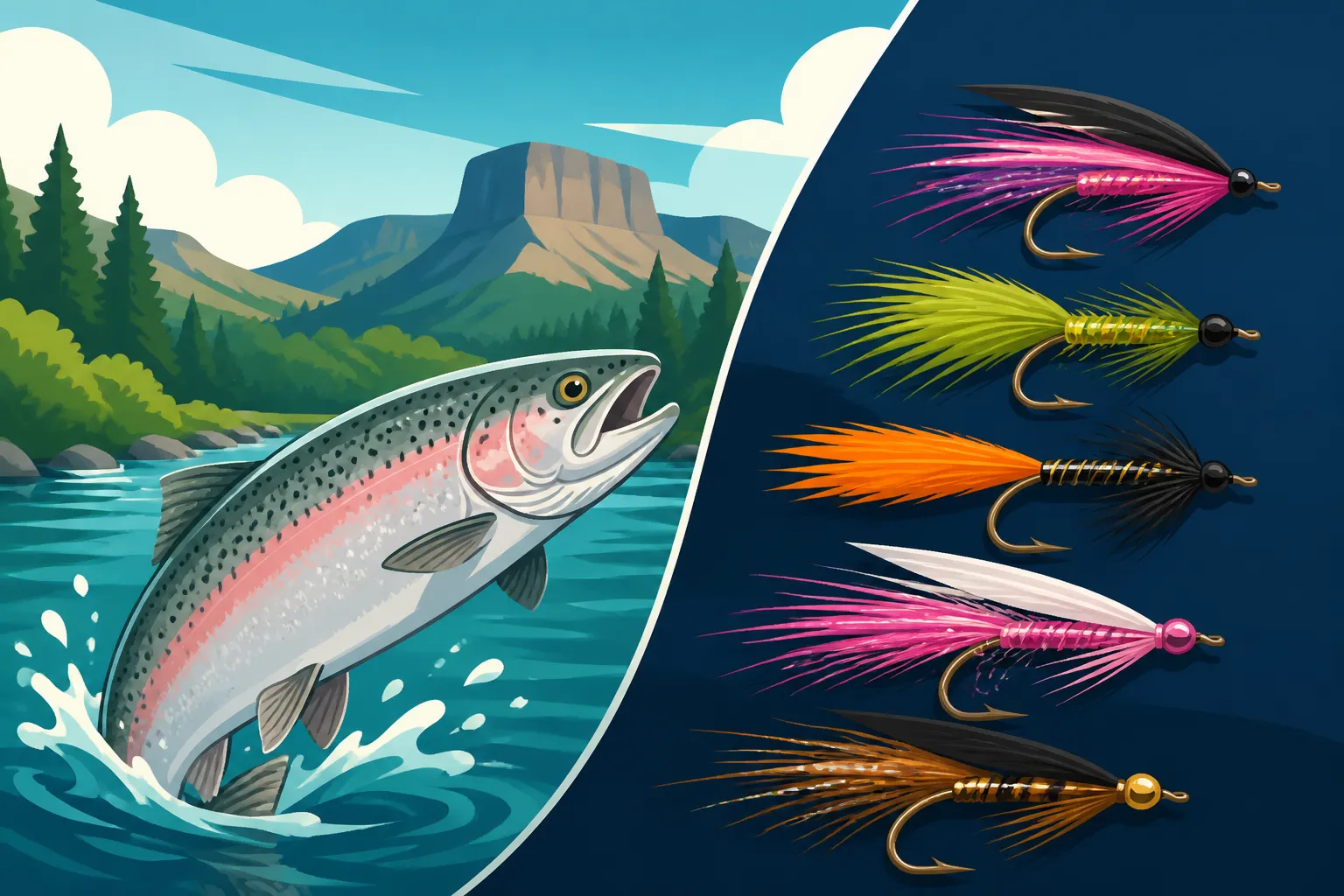
- Color Choices: While black is almost always a good choice for steelhead, experimenting with other colors is crucial. Chartreuse, purple, blue, and olive can all be highly effective depending on light conditions and water clarity. Sometimes, a subtle splash of color in a flashabou wing or a hot spot on a nymph can make all the difference. Remember, the goal is often to provoke a reaction, not necessarily to perfectly imitate a meal.
- Switching Up Your Approach: If dry flies aren't working, don't be afraid to switch to nymphs or even a spey swing with a subsurface fly. Likewise, if your heavy nymphs aren't getting hits, try a lighter nymph or a soft hackle on a shorter swing. The Fly Selection for Oregon Steelhead often involves a diverse box of patterns. Being stubborn with one technique can lead to a fishless day. Sometimes, it's not the fly itself, but the depth it's presented at, or the speed of the retrieve. So many factors come into play, which is why Oregon Fishing Techniques for Beginners covers a broad range of skills.
Recommended Deschutes Summer Steelhead Fly Patterns at a Glance
Here's a quick reference for some of the go-to patterns we've discussed:
| Fly Type | Pattern Name | Common Sizes | Preferred Colors | Best for… |
|---|---|---|---|---|
| Dry Fly | Bomber | 4-8 | Black, Orange, Green, Purple | Skated over riffle tails, aggressive takes |
| Dry Fly | Greased Liner | 4-8 | Natural Deer Hair, Olive, Tan | Waking across current seams |
| Dry Fly | Clark's Stone | 4-8 | Black, Brown | Skated or twitched in faster water |
| Nymph | Pat's Rubber Legs | 6-10 | Black, Brown, Olive | Deep nymphing, lead fly, movement |
| Nymph | Poxyback Stone | 6-12 | Black, Brown, Olive | Bottom bouncing, realistic stonefly imitation |
| Nymph | Prince Nymph | 8-12 | Black/White/Peacock | Attractor nymph, versatile |
| Wet Fly/Spey | Green Butt Skunk | 4-8 | Black/Chartreuse/White | Swinging, lower light, slightly off-color water |
| Wet Fly/Spey | Freight Train | 4-8 | Black/Blue, Purple/Black | Aggressive swing, pushing water |
The Deschutes River offers some of the most rewarding steelhead fishing in Oregon, and with the right fly patterns and a thoughtful approach, you'll be well on your way to experiencing the magic of a chrome bright summer steelhead on the end of your line. Don't forget to review the Oregon Fishing Regulations Explained before you head out, and secure your Oregon Fishing License Guide to ensure you're fishing legally and responsibly.
Disclaimer
Fishing conditions and regulations in Oregon can change. Always consult the latest Oregon Department of Fish and Wildlife (ODFW) regulations before heading out. The information provided here is for general guidance and informational purposes only.