Peak month for Deschutes River steelhead fishing
If you're an angler dreaming of that perfect cast on the legendary Deschutes River, chasing after its elusive, powerful steelhead, you've likely spent countless hours wondering: when is the absolute best time to go? It's a common frustration, trying to line up schedules, conditions, and the fish themselves for that peak experience. This guide is here to cut through the guesswork, diving deep into the rhythms of the Deschutes to pinpoint the prime window for summer steelhead fishing and help you plan an unforgettable trip.
Decoding Deschutes River Steelhead Runs
The Deschutes River, a crown jewel of Oregon's fisheries, sees two distinct runs of steelhead: summer-run and winter-run. While both offer exciting opportunities, it's the summer steelhead that truly defines the Deschutes experience for many, drawing anglers from all over with their strength and aggressive takes. Understanding the timing and characteristics of these runs is crucial for anyone hoping to connect with these magnificent fish.
The Rhythms of Summer and Winter Steelhead
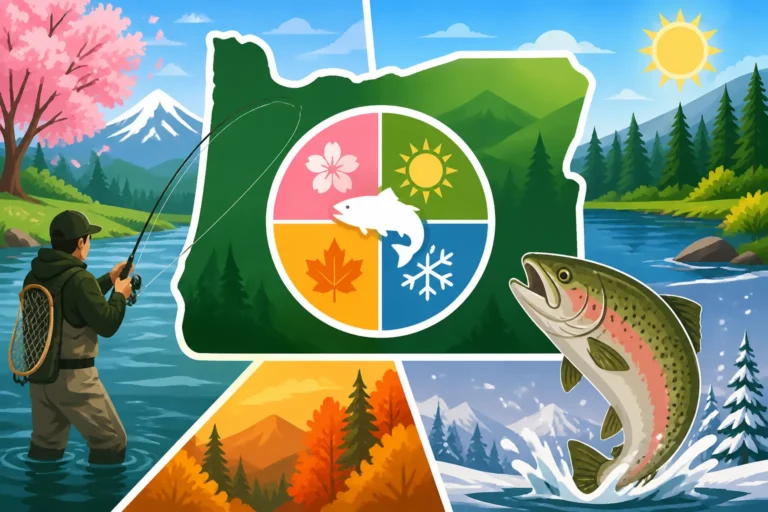
Summer steelhead, true to their name, begin entering the Deschutes in late spring and early summer, typically around May and June, continuing their migration throughout the warmer months. These fish are often smaller than their winter counterparts but are renowned for their incredible acrobatics and willingness to chase flies and lures. They've traveled far, often all the way from the ocean and up the Columbia River, and they hold in the Deschutes for an extended period, providing a long fishing season. They're bright, fresh from the ocean, and incredibly feisty.
Winter steelhead, on the other hand, are a different beast entirely. These fish typically enter the river later in the year, usually from November through March, and tend to be larger and more heavily built. They arrive in the colder, often rain-swollen waters of the lower Deschutes, presenting a completely different challenge. Their presence is more limited to the lower stretches of the river closer to the Columbia, especially during the colder months when many anglers prefer to focus on other species or wait for the milder weather of the summer runs. For the iconic Deschutes experience, with long stretches of wadeable water and ample opportunity for fly fishing, the summer run is overwhelmingly the main event.
Environmental Influences on Run Timing
The exact timing of when these steelhead show up and how quickly they move upstream isn't an exact science; it's a delicate dance with environmental factors. Water temperature is perhaps the most critical variable. Steelhead prefer cooler water, usually below 65°F. If early summer brings unusually warm temperatures, the fish might hold in the cooler waters of the Columbia River longer before making their move into the Deschutes. Conversely, a cool, wet spring can encourage an earlier and stronger push. You can always check current conditions via online resources, many of which provide real-time water temperature and flow data for various sections of the river.
River flows, primarily managed by various dams upstream on the Deschutes and its tributaries, also play a significant role. Stable flows are generally preferred by anglers, as drastic changes can make fishing challenging by altering holding lies and feeding lanes. Sudden spikes in flow, often from dam releases, can sometimes trigger fish to move upstream, while very low flows can concentrate fish but also make them more wary. Additionally, the operation of dams on the Columbia River, particularly the John Day and The Dalles dams, can influence how many fish reach the Deschutes and their migratory pace. These hydroelectric facilities include fish ladders, but even with these aids, the journey can be arduous, and environmental cues from the main stem Columbia heavily impact when fish decide to peel off into tributaries like the Deschutes.
The Sweet Spot: Peak Season for Deschutes Summer Steelhead
When anglers talk about the "Deschutes," "steelhead," and "peak season" in the same breath, they are almost universally referring to the incredible summer steelhead run. This is the period when the river truly comes alive, offering some of the most consistent and exciting angling opportunities.
Why Summer Steelhead are the Prized Catch
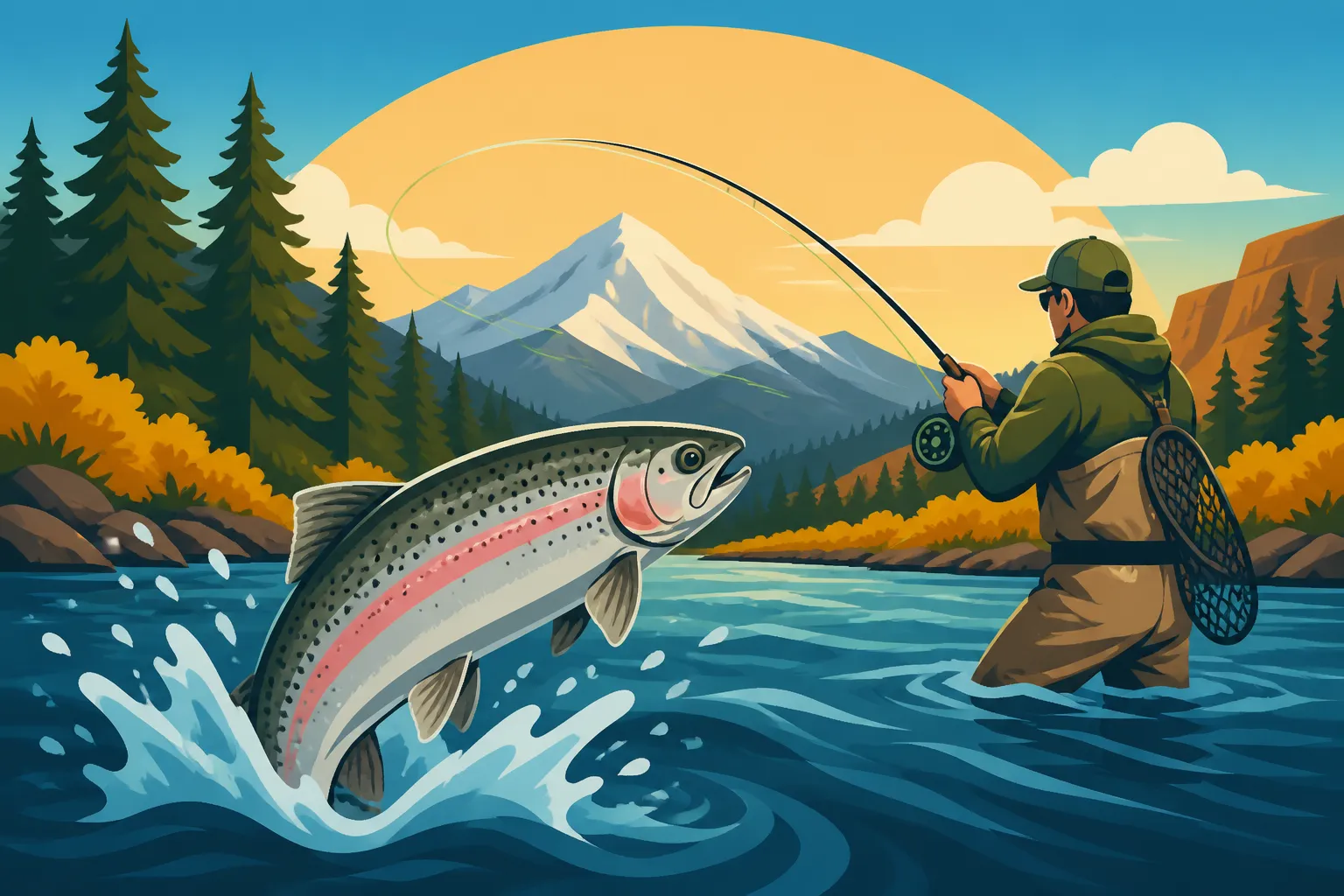
Summer steelhead on the Deschutes are, simply put, a marvel. These fish are chrome-bright, full of vigor, and possess an almost unmatched fighting spirit. Unlike some salmon species that become lethargic once they enter fresh water, Deschutes steelhead remain incredibly strong and acrobatic, often leaping clear of the water multiple times during a fight. Their aggressive nature means they are more prone to chase swung flies or aggressively hit nymphs, providing an exhilarating experience for both fly and gear anglers. This makes them particularly appealing for those who love the challenge of an active, responsive fish.
Furthermore, the summer season on the Deschutes brings with it beautiful weather, longer days, and relatively stable river conditions, making the entire experience much more enjoyable. The canyon section of the Deschutes, with its stunning scenery and relatively easy wading access in many areas, becomes a vibrant hub for anglers. The generally pleasant temperatures and lack of harsh winter conditions allow for comfortable days on the water, whether you're camping along the river, staying in a nearby lodge, or just enjoying a day trip. It's truly a full sensory experience, not just about the fish, but the entire environment.
Unveiling the Peak Month(s)
While summer steelhead begin to show up in May and June, steadily increasing in numbers, the undeniable peak month for Deschutes River steelhead fishing is generally September. The period spanning late August through September and often extending into early October is what most seasoned anglers consider the prime time. During these weeks, the river holds a significant accumulation of fresh, aggressive fish that have had time to distribute throughout the accessible sections of the river.
By late August, a substantial number of steelhead have successfully navigated the Columbia River and entered the Deschutes, making their way upstream past Maupin and even further. The water temperatures, which can be quite warm in July and early August, begin to cool down, often dropping into that ideal 50-60°F range. This cooling trend invigorates the fish, making them more active and willing to chase flies and lures. The days are still long enough for plenty of fishing time, but the intense heat of mid-summer has usually subsided, offering comfortable conditions. This combination of high fish numbers, aggressive behavior, and perfect weather creates the optimal window for a truly memorable steelhead trip.
Understanding Seasonal Variations
It’s important to remember that nature doesn't always stick to a rigid schedule. While late August and September are consistently excellent, there can be year-to-year variations. Some years, an early push of fish might make mid-August surprisingly productive, especially if water conditions are favorable. Conversely, a prolonged warm spell might delay the peak a bit, pushing it further into early October. Anglers who are flexible with their timing can sometimes capitalize on these shifts, finding fewer crowds and still excellent fishing.
Therefore, while aiming for September is a solid strategy, it's always wise to stay informed about current conditions. Websites like the Oregon Department of Fish and Wildlife (ODFW) often provide updates on fish counts at various fish ladders, and many local tackle shops in towns like Maupin or The Dalles offer invaluable real-time insights into river conditions and fish activity. Keeping an eye on the Oregon Fishing Season Dates and Limits and checking local forums or social media groups can also give you a heads-up if the run is early or late.
Gear and Tactics for Peak Deschutes Steelhead
Successfully landing a Deschutes River steelhead during its peak run requires not just good timing, but also the right gear and a solid understanding of effective techniques. These fish are strong, and the river itself can be challenging, so being prepared is key.
Mastering Essential Fishing Techniques
For many, the Deschutes River is synonymous with fly fishing for steelhead. Two primary methods stand out during the peak season:
- Swinging Flies: This classic technique involves casting a fly (often a weighted intruder pattern or an unweighted spey fly) across the current and allowing it to swing downstream, presenting the fly broadside to waiting steelhead. It's an active, engaging way to fish, often performed with two-handed Spey or Switch rods. The subtle tug of a steelhead taking a swung fly is an experience unto itself. When swinging, stealth and presentation are paramount, making lighter leaders and precise casts crucial.
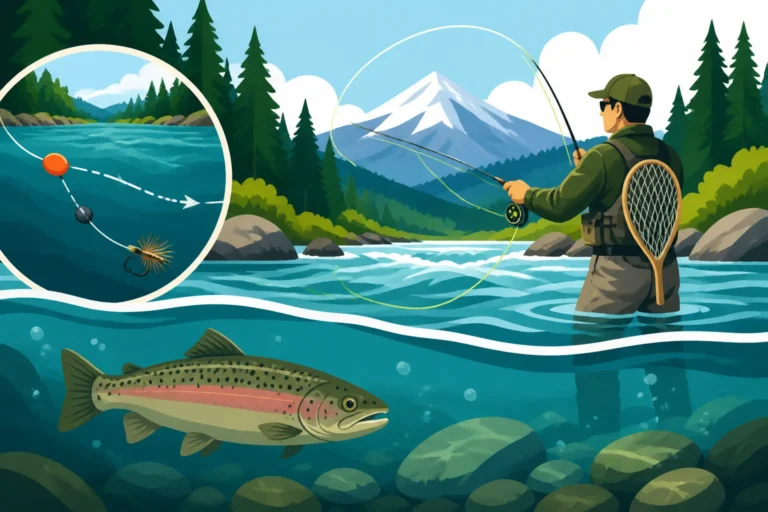
- Nymphing: When fish aren't responding to swung flies, or when targeting holding lies, nymphing can be incredibly effective. This involves drifting weighted nymph patterns (like stoneflies, caddis, or even small egg patterns) under an indicator, mimicking aquatic insects. This is often done with single-hand fly rods, allowing for precise control and the ability to detect subtle takes. Many anglers use a technique called "tight-line nymphing" or "Euro nymphing" in the Deschutes, especially in faster runs, which offers excellent sensitivity.
Spin fishing is also highly effective on the Deschutes, particularly for those who prefer conventional gear.
- Drift Fishing: This involves drifting a weighted presentation, such as a cured roe bag, a small Cheater or Corky, or a bead, along the bottom. The key is to match the weight to the current, allowing the bait to tumble naturally without hanging up too much. This is a highly effective way to target steelhead holding in deeper pockets and runs.
- Bobber and Jig: This technique utilizes a float (bobber) to suspend a jig at a precise depth, typically just above the riverbed. It's particularly useful in slower, deeper pools or when fish are holding in distinct seams. Small marabou or rabbit fur jigs in various colors (pink, chartreuse, black) can be incredibly enticing to aggressive steelhead.
Recommended Rods, Reels, and Terminal Tackle
Having the right equipment makes a world of difference when targeting Deschutes steelhead.
For fly anglers, a 7- to 8-weight single-hand rod is versatile for nymphing and some smaller swung flies, typically in lengths from 9 to 10 feet. If you're going to embrace the full swinging experience, a 6- or 7-weight Spey or Switch rod (11 to 13 feet long) is ideal. Paired with a sturdy reel that has a smooth drag system and plenty of backing, you'll be ready for those long, powerful runs. For lines, a Skagit or Scandi head system with various tips allows for adaptability when swinging, while a weight-forward floating line is standard for indicator nymphing. Don't forget an assortment of leaders and tippets – 10-12lb test fluorocarbon is a good starting point for your tippet, especially for the clear waters of the Deschutes. Many anglers find a good selection of flies, leaders, and lines easily accessible on Amazon for convenient pre-trip shopping.
For spin anglers, a medium-heavy spinning rod, typically 8.5 to 10.5 feet long, paired with a reliable spinning reel spooled with 10-15lb braided line and a fluorocarbon leader (8-12lb test) is a solid setup. You'll need an assortment of weights (pencil lead or slinky weights) for drift fishing, and a variety of jigs (1/4 to 3/8 ounce) for bobber and jig fishing. Some popular lure brands available on Amazon include Blue Fox Vibrax spinners or Worden's Rooster Tails, which can also tempt an aggressive steelhead. Always have a good pair of line clippers and forceps on hand. Consider carrying a small, waterproof tackle box or bag to keep your essential items organized; you can find many great options on Amazon that fit perfectly in a pack.
Planning Your Premier Deschutes Steelhead Adventure
A successful steelhead trip to the Deschutes isn't just about showing up during the peak month; it's about preparation, understanding the rules, and embracing the unique culture of this incredible fishery. Taking the time to plan will significantly enhance your experience.
Navigating Regulations and River Conditions
Before you even think about packing your bags, the first step is always to check the latest regulations. The Oregon Department of Fish and Wildlife (ODFW) is your go-to source. Their website provides detailed information on all Oregon Fishing Regulations Explained, including bag limits, size restrictions, open seasons, and any special bait or gear restrictions for specific zones of the Deschutes. It's incredibly important to know these, as regulations can change, and ignorance is no excuse for a violation. For example, while much of the Deschutes is open to bait, certain sections may have fly-fishing-only or artificial-lure-only rules. You will also need an Oregon Fishing License Guide and often a Combined Angling Tag, so make sure all your paperwork is in order before you hit the water.
Beyond regulations, staying on top of current river conditions is vital. Real-time flow data, water temperatures, and even clarity reports are often available through various online resources or by calling local tackle shops. A sudden spike in river flow can make wading treacherous and muddy the water, while prolonged low flows can make fish more spooky. Knowing these conditions beforehand allows you to adjust your gear, techniques, or even your fishing location for the day. Always prioritize safety, especially when wading in moving water.
Deciding on a Guided Trip or Solo Expedition
For those new to the Deschutes River or steelhead fishing in general, booking a guided trip can be an invaluable experience. A reputable Oregon Steelhead Guide Trips will provide all the necessary gear, possess intimate knowledge of the river, understand fish behavior, and teach you effective techniques specific to the Deschutes. They can put you on fish quickly, help you understand the nuances of the river, and ensure you're fishing legally and ethically. This can be particularly beneficial if you're traveling a long distance and want to maximize your chances of success during the peak window.
However, a solo or DIY expedition offers a different kind of reward: the satisfaction of figuring it out for yourself. If you're an experienced angler, or simply enjoy the challenge of exploration, the Deschutes offers ample public access for bank fishing and wading. Just be prepared to put in the legwork, do your research, and potentially scout spots beforehand. Remember to always respect private property and leave no trace behind. Whether you choose a guide or go it alone, a good pair of waders and wading boots (with felt soles or studs for grip) is essential. You can find quality options from brands like Redington or Simms, often available on Amazon, to help keep you comfortable and safe in the river.
Embracing Conservation and Etiquette
The Deschutes River is a precious resource, and responsible angling is paramount to preserving it for future generations. Most Deschutes River steelhead fishing is catch-and-release, especially for wild, unmarked fish. Even if you have the appropriate tags and the regulations allow retention, practicing careful catch-and-release is a widely accepted ethic among Deschutes anglers. Learn How to Catch and Release Sturgeon Safely and apply those principles to steelhead: minimize fight time, keep the fish in the water as much as possible, use a net with a rubberized mesh (which is gentler on fish slime and fins), and handle the fish gently with wet hands, avoiding contact with their gills.
Beyond fish handling, river etiquette is also crucial. The Deschutes can get busy, especially during peak season. Be mindful of other anglers, give them space, and avoid wading through runs where others are actively fishing. If you're floating, be considerate when passing bank anglers. Pack out everything you pack in, and perhaps even a little more. This respect for the river, its fish, and fellow anglers ensures that everyone can enjoy the incredible experience that the Deschutes River offers.
| Peak Season Factor | Summer Steelhead (Late Aug – Sep) | Winter Steelhead (Nov – Mar) |
|---|---|---|
| Primary Appeal | Aggressive, acrobatic fights, pleasant weather | Larger fish, challenging conditions, solitude |
| Fish Numbers | High concentration and distribution | Fewer fish, concentrated in lower river |
| Water Temperature | Cooling (50-60°F), ideal for activity | Cold (35-45°F), can make fish lethargic |
| Typical Weather | Mild, sunny, comfortable | Cold, rainy, snowy, potentially windy |
| Accessibility | Good access for wading and floating | Often limited to lower river, challenging wading |
| Techniques Favored | Fly swinging, nymphing, drift, bobber & jig | Drift fishing, heavier gear, sometimes fly swinging |
| Crowd Levels | Can be high in popular sections | Generally much lower |
| Required License/Tags | Angling License + Combined Angling Tag | Angling License + Combined Angling Tag |
Disclaimer
The information provided in this guide is for general informational purposes only and is subject to change. Fishing regulations, seasons, and conditions can vary and are often updated by the Oregon Department of Fish and Wildlife (ODFW). Always consult the official ODFW regulations booklet or website for the most current and accurate information before planning any fishing trip. Adherence to all local, state, and federal laws is the responsibility of the angler.