Best month to fish Crane Prairie Reservoir
Oh, Crane Prairie Reservoir! It's one of those iconic Oregon fishing destinations that captures the hearts of so many anglers, but boy, can it be a puzzle sometimes. You hear whispers of trophy trout, massive kokanee, and even some feisty bass, and you just want to know when to hit it to maximize your chances, right? It's not like every lake where you just show up on opening day and cast away. Crane Prairie has its own rhythm, its own personality, dictated by everything from snowmelt to weed growth. This guide is all about peeling back those layers to reveal the absolute best months to target specific species and what you need to know to make your trip a success.
Understanding Crane Prairie's Unique Fishery
Crane Prairie Reservoir isn't your average high-desert lake. It's a sprawling, shallow impoundment with a bottom that's a labyrinth of old river channels, stumps, and expansive weed beds. This unique structure, fed by the Deschutes and Cultus Rivers, creates an incredibly rich ecosystem that can be both incredibly productive and, at times, incredibly frustrating. Knowing what makes Crane Prairie tick is the first step to figuring out when it truly shines.
Key Fish Species and Their Habits
When you're thinking about the "best month," you're really asking, "best month for what?" Crane Prairie hosts a diverse population, and their activity levels change dramatically throughout the year.
- Rainbow Trout: These are the stars of the show for many, with Crane Prairie famous for producing some absolute monsters. They are often shallow cruisers, especially in the cooler months, hunting in and around the weed beds for insects, baitfish, and crawfish. Their metabolism is highly tied to water temperature, making them more active in cooler, oxygen-rich waters. You'll find them cruising drop-offs, along the edges of weed beds, and over submerged structure.
- Brook Trout: While not as numerous or large as the rainbows, brookies offer a different challenge. They tend to prefer slightly cooler, more secluded spots, often found deeper or in areas with more shade and structure. They're opportunistic feeders, and their bite can be surprisingly aggressive when conditions are right.
- Kokanee Salmon: These landlocked sockeye are a huge draw. Kokanee are schooling fish, often suspended in the water column and feeding primarily on zooplankton. Their behavior is heavily influenced by light levels, water temperature, and the availability of their microscopic food source. You'll often find them schooled up, making them a prime target for trollers once you locate them.
- Largemouth Bass: Yes, Crane Prairie has bass! While not the primary target for many, these ambush predators thrive in the weedy, warmer sections of the reservoir. They're territorial and aggressive, providing a fun alternative, especially when trout fishing slows down due to heat.
- Whitefish: Often overlooked, these native fish are important forage for the larger predators. While not typically targeted, their presence indicates a healthy food chain.
Understanding what each species is doing at a given time of year is crucial. For instance, if you're chasing trophy rainbows, you'll be looking for different conditions than if you're trying to fill a cooler with kokanee.
Influence of Water Levels and Weeds
Crane Prairie is relatively shallow, which means water levels play a massive role in access and fish behavior. Early season can see lower levels from winter drawdowns, exposing more stumps and making navigation tricky. As spring progresses and snowmelt fills the reservoir, levels rise, submerging more structure and expanding fish habitat.
But the real game-changer at Crane Prairie is the weeds. Come summer, these aquatic plants explode, forming dense, impenetrable mats in many areas. While these weeds provide crucial cover and feeding grounds for fish, they can also make fishing incredibly challenging, fouling lures and lines. Learning to fish the "lanes" between weed beds, the edges, or areas where current keeps growth at bay, becomes paramount. High water years might mean fewer exposed stumps, but potentially even more widespread weed growth. Low water years might consolidate fish, but also limit access. It's a constant balancing act.
The Impact of Weather and Seasonality
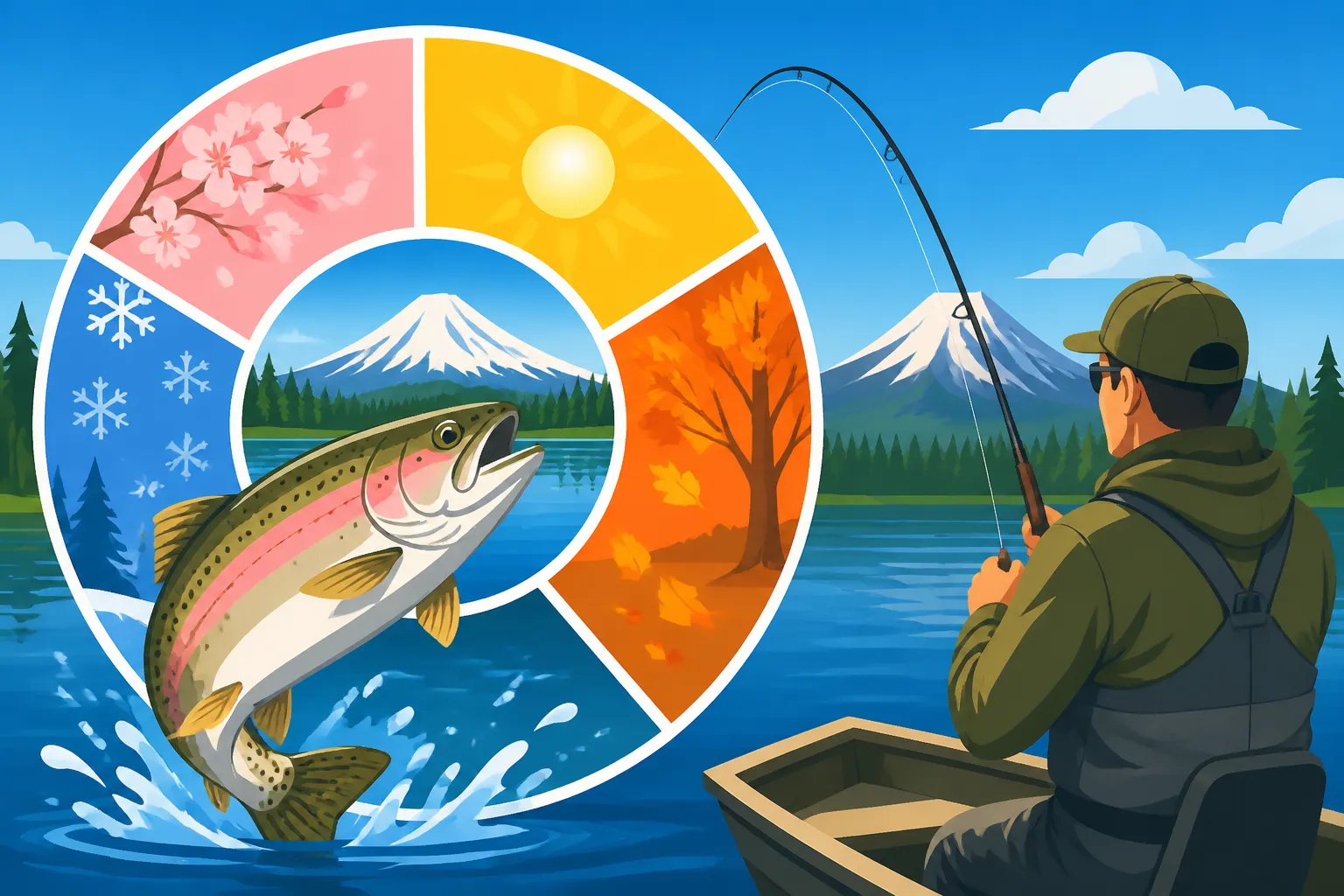
Oregon's weather patterns directly dictate Crane Prairie's fishing seasons. Winter means ice. Spring brings snowmelt, rising temperatures, and often unpredictable conditions. Summer is warm, sunny, and can lead to thermal stratification and dense weed growth. Fall sees cooler temperatures, less weed growth, and often aggressive feeding as fish prepare for winter.
- Temperature: Fish are cold-blooded, so water temperature directly impacts their metabolism and activity. Trout and kokanee generally prefer cooler water, while bass thrive in warmer conditions.
- Oxygen Levels: As water warms, its ability to hold dissolved oxygen decreases. This can push cold-water species to deeper, cooler, more oxygenated areas, or to specific zones where current or wind action provides better oxygen.
- Light Penetration: Bright, sunny days can drive fish deeper or into heavier cover, while overcast conditions often bring them shallower and make them more active. This is particularly true for kokanee, which are sensitive to light.
- Precipitation: Rain can stir up sediment, especially in the inlets, and affect water clarity. It can also bring down water temperatures slightly, which can sometimes trigger a bite.
- Wind: Wind can be a blessing or a curse. A gentle breeze creates a "chop" on the water that breaks up light, making fish feel more secure and active. It can also push baitfish and insects into specific areas, concentrating feeding activity. However, too much wind can make boat control and casting extremely difficult, and even dangerous on a large reservoir like Crane Prairie.
Understanding these environmental factors is crucial for adapting your approach, regardless of the month. You can learn more about how different weather conditions impact fishing in general by exploring resources like How weather fronts affect Oregon fishing.
Deconstructing the Fishing Seasons at Crane Prairie Reservoir
Now that we've laid the groundwork, let's break down what each season typically offers at Crane Prairie and why certain months emerge as favorites for specific species.
Spring: Thaw to Turnover (Late April – Early June)
Spring at Crane Prairie is a time of transition, full of promise and, at times, a bit of wild unpredictability. The reservoir usually begins to shed its icy cloak in late March or April, depending on the severity of winter and spring temperatures.
- Early Spring (Ice-Off to Mid-May): As the ice recedes, the water is still very cold. Fish, particularly trout, are often sluggish but are also hungry. This is a fantastic time to target rainbow trout as they start actively feeding after a long winter. They'll often cruise shallower flats and edges, looking for emerging insects or any available forage. The lack of heavy weed growth makes fishing much easier. Trolling with small spoons or spinners, or even bait fishing with worms or powerbait, can be very effective. This period can offer some of the best opportunities for those seeking a trophy rainbow, as the fish are lean and aggressive. You might also find a good bite for brook trout in their preferred cooler, structured areas. For those looking for trout fishing techniques, a great resource is Oregon Trout Fishing Techniques.
- Late Spring (Mid-May to Early June): As water temperatures gradually climb into the 50s and low 60s, the fishery really starts to awaken. Insect hatches become more prevalent, and fish activity increases across the board. Kokanee salmon also begin to get more active, though they might still be deeper. This is a sweet spot for many anglers because the weather is generally milder, and the weeds haven't completely taken over yet. Bank access is usually good, and boaters have more open water to work with. Fly fishing can be excellent, especially with chironomid patterns and leeches. However, keep an eye on the weather; spring can still bring cold fronts, rain, and even late-season snow.
Summer: Prime Time and Heat (Mid-June – August)
Summer at Crane Prairie is a tale of two fisheries: phenomenal for some, challenging for others, and absolutely dominated by aquatic vegetation.
- Early Summer (Mid-June to Mid-July): This is often considered the peak for many species. Water temperatures are ideal for both trout and kokanee, usually in the mid-60s. The insect hatches are in full swing, creating a smorgasbord for trout. Kokanee are actively feeding and often schooled up, making them a prime target for trollers. The weeds are growing rapidly but haven't completely choked out the reservoir yet. This is probably the month that most anglers would point to for consistent action across multiple species. You'll find success trolling with various dodgers and kokanee-specific lures, often tipped with corn or scent. Fly anglers will have fantastic dry fly opportunities, especially during evening hatches. Bass fishing also really picks up as the water warms, with largemouth actively hunting in the burgeoning weed beds. If you're wondering how to catch trout in stocked Oregon lakes, even though Crane Prairie isn't "stocked" in the same way, many techniques cross over.
- Mid-to-Late Summer (Late July – August): This period can be a bit more challenging, especially for trout. The water can get quite warm, often pushing into the 70s in the shallower areas. This warmth, combined with the dense weed growth and potential for lower oxygen levels, can make trout sluggish and push them into deeper, cooler pockets if they can find them. The "doldrums" of summer are real. However, this is when kokanee fishing can still be very good, as they tend to hold in the cooler, deeper sections of the lake, often at specific depths. Trolling strategies become even more critical to find these suspended schools. Bass fishing, conversely, remains excellent, with fish burrowing into the thickest cover. For many, targeting kokanee or bass becomes the primary focus during the hottest weeks, unless you're willing to really work for trout in the early mornings or late evenings. Finding quality gear on Amazon can make a difference here, especially for specific kokanee setups or weedless bass lures.
Fall: Cooler Waters and Pre-Winter Feeding (September – October)
Ah, fall at Crane Prairie! This is arguably the second "best" season, especially for those who love targeting large trout.
- Early Fall (September): As air temperatures drop, so do the water temperatures. This signals a resurgence in activity for trout. The oppressive weed growth of summer begins to die back, opening up previously inaccessible areas and making fishing much easier. Rainbows and brookies go on a serious feeding binge, packing on weight before winter. This is prime time for big, aggressive trout. Trolling, casting lures, and fly fishing with streamers and nymphs can be incredibly productive. Kokanee are also still around, though they might be starting to stage for their spawning runs, often becoming less interested in feeding.
- Late Fall (October): The weather can become much more volatile, with the possibility of freezing temperatures and even early snow. However, the fishing, particularly for trout, can be phenomenal. The water is cool and highly oxygenated, and the fish are in their brightest, most beautiful spawning colors. While kokanee will be focused on spawning and generally not biting, trout remain highly active. This is a time for dedicated anglers who don't mind bundling up. The crowds are typically much thinner, offering a more peaceful experience. Just be prepared for changing conditions, and always prioritize safety on the water.
Winter: Ice Fishing Opportunities (December – March)
While not for everyone, Crane Prairie does offer ice fishing opportunities in the winter months when conditions allow for safe ice thickness. This is primarily a fishery for rainbow and brook trout. Anglers typically use jigging spoons, ice jigs tipped with bait, or small flies. Always check local conditions and ice thickness before venturing out, as safety is paramount. The solitude can be a unique reward, and a solid ice auger sourced from Amazon can be a great asset.
The Verdict: Pinpointing the Best Months for Crane Prairie Action
So, with all that in mind, what are the best months? It genuinely depends on what you're after, but we can definitely highlight some prime windows.
Trout Action: When Rainbows and Brookies Shine
For targeting trophy rainbow and brook trout, the periods of late April through early July and then again from September through October are your absolute best bets.
- Late Spring (May-Early July): This window offers a fantastic combination of active, hungry trout, pleasant weather, and manageable weed growth. The fish are coming off winter, metabolism is up, and hatches are consistent. Many anglers land their personal bests during this time.
- Fall (September-October): As the water cools and weeds recede, trout go on a pre-winter feeding frenzy. They're often aggressive, strong, and in beautiful condition. The crowds are thinner, and the scenery is stunning. This is a close second, if not equal, to the late spring for trophy potential.
If you had to pick one month for trout overall, June often gets the nod for its combination of active fish, good weather, and still-manageable weeds before the summer heat truly sets in and the vegetation becomes too dense.
Kokanee and Bass: Timing Your Target
- For Kokanee Salmon, the prime time is definitely late June through August. While they start showing up in late spring, they tend to school up and become more predictable targets for trolling as summer progresses. The key is finding their preferred depth, which often involves using a fish finder. You can read more about Kokanee Salmon in Oregon to understand their behavior.
- For Largemouth Bass, their peak activity aligns perfectly with the warmer waters and heavy weed growth of July and August. This is when they are most aggressive and can offer exciting topwater action or require finesse fishing in the dense cover. If trout are proving elusive in the heat, pivoting to bass can salvage your day.
Strategies for Off-Peak Success
Even outside of these "best months," Crane Prairie can be rewarding with the right approach.
- Early/Late Season: Don't overlook the cold, early spring or late fall. Less competition, potentially bigger fish willing to bite. Focus on slower presentations, deeper holes, and areas where water warms slightly first.
- Mid-Summer Heat: If you're there in August and trout are scarce, switch your focus to kokanee (trolling deeper) or largemouth bass (fishing heavy cover). Early mornings and late evenings are also key for trout during the hottest months.
- Adaptation is Key: Crane Prairie demands flexibility. Have a variety of techniques ready – trolling, still-fishing, fly fishing, and even casting for bass. Be prepared to change depths, lures, and locations based on conditions. Your Oregon Bait and Lure Guide should include options for various species.
Here's a quick overview of what you can generally expect month-by-month at Crane Prairie:
| Month | Primary Target | Typical Conditions & Notes | Best Techniques |
|---|---|---|---|
| April | Rainbow Trout | Ice-off, very cold water, low weeds. Trout waking up. | Trolling spoons/spinners, bait on bottom (worms, PowerBait), slow fly fishing (chironomids). |
| May | Rainbow Trout | Water warming, increasing insect activity, manageable weeds. Good all-around trout fishing. | Trolling, casting lures, fly fishing (nymphs, streamers, some dry flies). |
| June | Rainbow, Kokanee, Bass | Peak Month for many! Ideal water temps, heavy hatches. Weeds growing but manageable. | Trolling for kokanee & trout, fly fishing (dry flies, nymphs), casting for bass, bait. |
| July | Kokanee, Bass, Rainbow | Warm water, dense weed growth. Kokanee excellent. Trout can be tougher in midday heat, but good early/late. Bass active in weeds. | Trolling for kokanee, casting weedless lures for bass, deep trolling/fly fishing for trout. |
| August | Kokanee, Bass | Hottest water, thickest weeds. Kokanee remain strong. Bass excellent. Trout fishing challenging, focus on deep or low light. | Trolling deep for kokanee, casting frogs/jigs for bass, very early/late trout. |
| September | Rainbow Trout, Bass | Water cooling, weeds dying back. Trout on a feeding frenzy. Bass still active. | Trolling, casting lures, fly fishing (streamers, nymphs). |
| October | Rainbow Trout | Cool water, minimal weeds. Excellent trout fishing, less crowded. Weather can be volatile. | Trolling, casting lures, fly fishing (streamers, nymphs, egg patterns). |
| Nov-March | Ice Fishing (if safe) | Freezing temperatures, ice cover. Trout still present, but conditions dependent. | Ice jigs, bait, small spoons (check ice safety and regulations). |
Crane Prairie Reservoir truly is a gem, offering incredible fishing for a variety of species. By understanding its unique ecosystem and knowing when each fish tends to be most active, you can significantly increase your chances of a memorable and successful trip. Don't forget to check the latest Oregon Fishing Regulations Explained and secure your Oregon Fishing License Guide before heading out!
Disclaimer
This article is for general informational purposes only and does not constitute professional advice. Laws, prices and regulations vary by location and change over time. Consult a qualified professional for guidance on your specific situation.