Trolling Techniques for Oregon Reservoirs
There's nothing quite like the immense satisfaction of a successful day out on one of Oregon's stunning reservoirs, but getting there can feel like navigating a maze of techniques and choices, especially when it comes to trolling. Many anglers find themselves frustrated with inconsistent results, wondering if their speed, depth, or lure choice is truly hitting the mark. This comprehensive guide is designed to cut through that confusion, offering practical, in-depth trolling techniques specifically tailored for Oregon's diverse reservoir fisheries, helping you transform those head-scratching moments into triumphant catches.
Understanding the Allure and Challenges of Trolling in Oregon Reservoirs
Trolling has become a cornerstone technique for many anglers targeting a wide variety of fish species across Oregon's numerous reservoirs. It’s a method that, when done right, can cover vast expanses of water efficiently, locate active fish, and present baits or lures in a consistently enticing manner. However, it's also a technique that often leads to a mix of exhilarating success and bewildering frustration, depending on how well you understand its nuances within the unique environments of our local waterways.
Why Trolling is So Effective for Reservoir Fishing
The beauty of trolling lies in its inherent ability to cover a lot of ground. Unlike casting from a stationary position, which only targets a limited area, trolling allows your boat to continuously move, pulling your offerings through different depths and across various underwater structures. This is particularly advantageous in large, sprawling reservoirs like Detroit Lake or Lake Billy Chinook, where fish might be widely dispersed or following baitfish schools that are constantly on the move. Trolling lets you systematically search for these active feeding zones, increasing your chances of encountering fish that might otherwise remain undiscovered.
Moreover, trolling provides a highly controlled presentation. You can precisely manage the speed of your lure, its depth, and even its action, mimicking the natural movement of prey. This consistent presentation can be incredibly effective, especially for species that are actively hunting. For instance, a kokanee salmon might ignore a stationary bait but strike aggressively at a small spinner or spoon trolled at just the right speed to simulate a fleeing insect or baitfish. The sustained motion of the lure often triggers a predatory response, even from fish that might not be in an aggressive feeding mood, turning a casual look into a committed strike. This methodical approach not only helps you find fish but also figure out what they want on any given day.
Common Frustrations and How to Overcome Them
Despite its effectiveness, trolling isn't without its challenges, and many anglers encounter common frustrations that can turn a promising day into a puzzle. One of the biggest hurdles is the "trolling blind" feeling – pulling lures around without any idea if fish are present or if they're even interested. You might spend hours without a bite, questioning everything from your lure color to your boat speed. This can be incredibly disheartening, making you feel like you're just dragging gear for the sake of it.
Another frequent frustration is the inability to consistently hit the right depth. Fish often hold in very specific thermoclines or near particular structures, and if your lure isn't in that precise strike zone, you're essentially fishing empty water. This is especially true for temperature-sensitive species like trout and kokanee. You might see fish on your sonar, but if your gear isn't getting down to them, it's a wasted effort. Furthermore, dealing with fouled lines, snags, and unexpected current changes can interrupt your rhythm and lead to tangled messes, costing you valuable fishing time. The sheer amount of variables involved—speed, depth, lure, scent, location, and conditions—can make it feel overwhelming to pinpoint the exact reason for a lack of success. The key to overcoming these frustrations lies in a combination of proper gear, precise technique, and a good understanding of fish behavior, all of which we'll dive into next.
Essential Gear for Successful Reservoir Trolling
Having the right tools for the job is paramount when it comes to successful reservoir trolling. You wouldn't try to build a house with a hammer and nails alone, and similarly, you won't maximize your trolling potential without a thoughtful selection of rods, reels, line, and electronics. The gear you choose acts as an extension of your technique, allowing you to achieve the precise presentation that often makes all the difference. Skimping on quality here can lead to constant headaches and missed opportunities.
Rods, Reels, and Line Choices for Trolling
When it comes to trolling rods, you’re generally looking for something with a moderate to fast action, a forgiving tip, and enough backbone to handle a good fight, especially with larger species like a trophy trout or a bull trout at Lake Billy Chinook. A rod in the 7 to 9-foot range is often ideal, as the longer length helps spread out your lines if you're running multiple rods, and provides a smoother action as the boat moves. Many anglers prefer fiberglass or composite rods for their durability and ability to absorb the shock of a strike without tearing the hook out of a fish’s mouth. For reels, a conventional baitcasting reel or a line counter reel is a fantastic choice. Line counter reels, in particular, are invaluable for trolling as they allow you to accurately repeat your successful depth by knowing exactly how much line you've let out. Brands like Daiwa and Penn offer excellent line counter options that you can often find on Amazon.
Line choice is equally critical. Monofilament is a popular choice for many trollers due to its stretch, which acts as a shock absorber, and its affordability. However, for deeper trolling applications or when you need more sensitivity, braided line with a fluorocarbon leader is often preferred. Braided line has virtually no stretch, allowing you to feel even the most subtle bites and giving you better control over your lure's action. A 10-20 lb test braided mainline, coupled with a 6-12 lb fluorocarbon leader, provides an excellent balance of strength, sensitivity, and stealth. The fluorocarbon leader is nearly invisible underwater, which can be a huge advantage when targeting wary fish in clear reservoir waters. Remember, the longer the leader, the more invisible it generally is, but also more prone to tangles if not managed carefully.
The Importance of a Quality Trolling Motor and Electronics
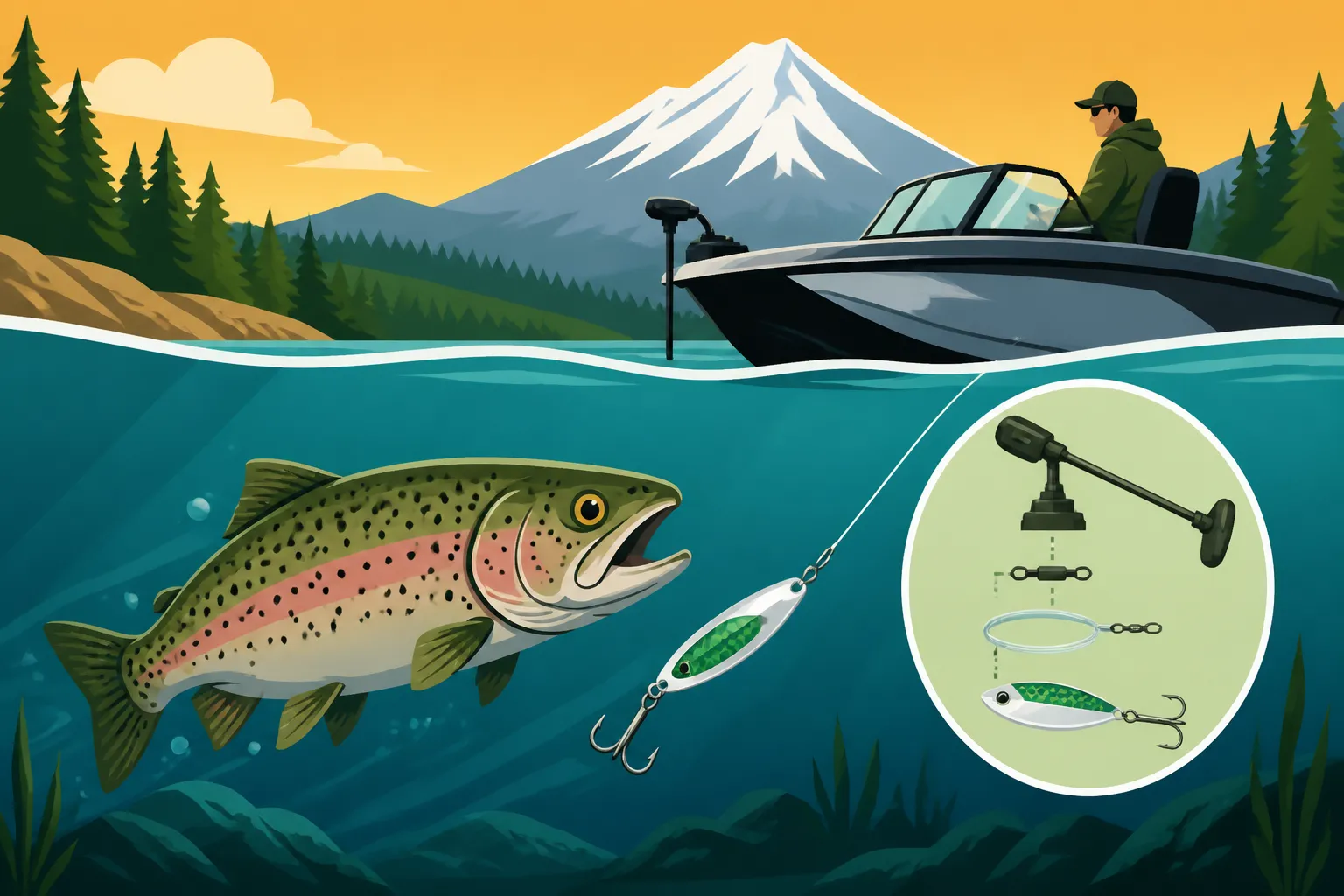
If rods and reels are your arms, then your trolling motor and electronics are your eyes and legs on the water. A good quality electric trolling motor, typically mounted on the bow, is absolutely indispensable for precise speed control and silent maneuverability. Unlike your main outboard motor, which can be noisy and less responsive at slow speeds, an electric trolling motor allows you to dial in exact speeds, make subtle course corrections, and navigate around structure without spooking fish. This is crucial for maintaining that consistent lure presentation that fish often respond to. Many modern trolling motors, like those from Minn Kota or Motorguide, even come with GPS-guided features like "spot-lock," which can hold your boat in place or follow a pre-programmed track, freeing you up to focus on your rods.
Equally important, if not more so, are your fish finder and sonar units. These powerful electronics provide a window into the underwater world, showing you depth, bottom structure, and, most importantly, fish! A good quality unit with Down Imaging and Side Imaging capabilities can reveal thermoclines where fish are likely to hold, submerged timber, drop-offs, and even baitfish schools that predators are keying in on. Seeing active fish on your screen allows you to adjust your depth and presentation immediately, turning blind trolling into targeted fishing. Humminbird and Lowrance are leading brands in this space, offering high-resolution displays that can be a game-changer. Learning how to interpret what your fish finder is telling you is one of the most valuable skills a troller can develop, allowing you to react quickly and fish smarter, not just harder.
Terminal Tackle and Essential Accessories
Beyond the big-ticket items, a well-stocked tackle box with the right terminal tackle and accessories is what truly rounds out your trolling setup. This includes a variety of swivels, snaps, leader material, and weights. Barrel swivels and snap swivels are crucial for preventing line twist, especially when using rotating lures like spoons or spinners. Ensure you have a range of sizes appropriate for your mainline and leader strength. Leader material, usually fluorocarbon, should be on hand for tying fresh leaders as needed.
Weights are another critical component for achieving your desired trolling depth. Pencil weights, banana weights, and cannonball sinkers are all common. However, for more precise depth control and to avoid heavy weights directly on your mainline, downriggers or planer boards are essential tools. Downriggers, like those found on Amazon, allow you to troll lures at specific, consistent depths, even when using light lures. Planer boards, on the other hand, spread your lines out to the sides of the boat, covering a wider swath of water and preventing your lines from tangling directly behind the boat. Don't forget an assortment of pliers, line cutters, a net with a rubberized mesh (fish friendly!), and a cooler for your catch. These seemingly small items contribute immensely to a smooth and productive day on the water.
Mastering the Art of Lure Selection and Presentation
Once you have your essential gear dialed in, the next crucial step is understanding how to choose the right lure and present it effectively. This isn't just about throwing something in the water and hoping for the best; it's about making informed decisions based on the conditions, target species, and the behavior of the fish on any given day. The "art" of trolling truly shines when you can match your lure and its presentation to what the fish are actively seeking.
Matching Lures to Target Species and Conditions
Oregon's reservoirs are home to a diverse array of game fish, and each species often has its preferences when it comes to lures. For instance, when you're looking to target trout in places like Detroit Lake or Crane Prairie Reservoir, small spoons, spinners, and wedding rings are often incredibly effective. Lures from brands like Dick Nite, Kokanee Killer, or wedding ring spinners are tried-and-true producers. For kokanee salmon, which are prevalent in bodies of water like Wallowa Lake and Lake Billy Chinook, even smaller, brightly colored spoons and dodgers (which impart action to a trailing lure) are key. Think pinks, oranges, and chartreuse. These fish often respond well to subtle, rapid vibrations.
If you're after smallmouth bass in reservoirs like Prineville Reservoir or even walleye on the John Day River, different tactics apply. Crankbaits that dive to specific depths, soft plastics rigged to imitate crawfish or baitfish, and even some larger spinnerbaits can be deadly. The key is to consider what the fish are feeding on. Are there abundant minnows? Are crawfish prevalent? Match the size, profile, and color of your lure to their natural forage. Water clarity also plays a huge role; in clear water, natural colors and more subtle presentations tend to work better, while in stained or murky water, brighter colors and lures that produce more vibration can help fish find your offering. Consult a good Oregon Bait and Lure Guide for more specific recommendations.
Understanding Trolling Depth and Speed Control
Achieving the correct trolling depth is arguably one of the most critical aspects of successful reservoir trolling. Fish will often suspend at specific depths, especially in relation to the thermocline (the layer where water temperature changes rapidly), or hold tight to structures like points, submerged humps, or old river channels. If your lure isn't in that "strike zone," you're simply not going to get bites. There are several ways to control your depth:
- Line Out: The simplest method is to vary the amount of line you let out. The more line, the deeper your lure generally runs. However, this is influenced by line diameter, lure type, and trolling speed.
- Weights: Adding lead weights directly to your line or using in-line sinkers can help your lure sink deeper. This is often an effective, low-cost solution, but can interfere with lure action if too heavy.
- Downriggers: These are mechanical devices that use a heavy cannonball weight to carry your line and lure down to a precise depth, releasing your line when a fish strikes. They are the most accurate way to control depth and are highly favored for kokanee and trout fishing.
- Diving Planers/Discs: Devices like Dipsy Divers or Jet Divers use water pressure to dive to a predetermined depth, and their dive curve can be adjusted. They also help spread out lines.
Trolling speed is the other half of the depth equation. Too fast, and your lure might ride high or have an unnatural action; too slow, and it might not have enough action to entice a strike. The ideal speed varies wildly depending on the lure type, target species, and even water temperature. Generally, for trout and kokanee, slower speeds (1.0-2.5 mph) are often productive, allowing small spoons and spinners to shimmer and dart. For bass and walleye, slightly faster speeds (1.5-3.5 mph) with crankbaits or soft plastics can be effective, mimicking fleeing baitfish. It's vital to experiment and observe your lure's action right next to the boat before deploying it. Many anglers find a particular speed works well, so once you get a bite, try to maintain that speed.
The Magic of Scent and Attractants
While visual appeal and action are huge, never underestimate the power of scent in reservoir trolling. Fish, especially trout and salmon, have an incredible sense of smell and can detect even minute traces of scent in the water. Adding a scent to your lures can often be the game-changer, turning lookers into biters, particularly on days when fish are a bit finicky.
Many commercially available scents are designed specifically for fish. Pro-Cure, Smelly Jelly, and Pautzke's Bait Fuel are popular choices, often available at local tackle shops or through Amazon. These come in various flavors like garlic, anadromous (for salmon/steelhead), krill, or even "super cheese." The goal is to apply a small amount to your lure – spoons, spinners, or even soft plastics – so that it slowly disperses in the water as you troll. Some lures even come with small sponges or wells designed to hold scent.
For kokanee, which are plankton feeders, scents that mimic their natural food source or even bright, sweet scents can be incredibly effective. Adding a small piece of corn, soaked in a pungent scent, to your wedding ring spinner or small spoon is a classic kokanee tactic that often triggers aggressive bites. The combination of visual flash, enticing action, and an irresistible scent profile can create an undeniable presentation for these often-picky fish. Regularly reapplying scent, especially after catching a fish or after a long period of no bites, is a good habit to ensure your offering remains as attractive as possible.
Advanced Trolling Strategies for Specific Oregon Reservoirs
Oregon's reservoirs are incredibly diverse, each offering unique challenges and opportunities for anglers. What works on one body of water might not be as effective on another, primarily due to differences in fish species, forage, structure, and water characteristics. To truly excel at trolling in Oregon, it pays to tailor your strategies to the specific reservoir you're fishing and the particular species you're targeting.
Techniques for Kokanee Salmon in Wallowa Lake and Lake Billy Chinook
Kokanee salmon are a beloved target in many Oregon reservoirs, known for their spirited fight and delicious table fare. Wallowa Lake in Eastern Oregon and Lake Billy Chinook in Central Oregon are two premier destinations for these landlocked sockeye. Trolling for kokanee often requires a refined approach due to their tendency to school and their preference for specific depths and presentations.
At Wallowa Lake, kokanee often school tightly and can be found at varying depths throughout the season, usually suspending in the open water. The key here is to run multiple lines at different depths until you locate the active school. Small dodgers or flashers, typically 4-6 inches in length, followed by tiny spoons, wedding rings, or hootchies (miniature squid skirts) are incredibly effective. Popular colors include pink, orange, and chartreuse. Scent is absolutely crucial for kokanee; tipping your lure with a kernel of corn soaked in garlic, Anise, or Krill scent can make a world of difference. Trolling speeds are generally slow, around 1.0 to 1.5 mph, just fast enough to get your dodger to oscillate and impart action to the trailing lure. Using a downrigger is almost mandatory for consistent success, allowing you to precisely place your lures in the feeding zone once you've marked fish on your sonar. Many anglers will deploy multiple downriggers, each set at a slightly different depth, to cover more of the water column.
Lake Billy Chinook, with its deep, clear waters, also offers fantastic kokanee fishing, often with larger fish than Wallowa. The strategies are similar, focusing on small, flashy presentations and precise depth control with downriggers. Anglers here often utilize specialized kokanee rods—light action, flexible rods that show the subtle "tick" of a kokanee bite and prevent them from tearing free. While Wallowa can get quite busy, the vastness of Lake Billy Chinook, fed by the Metolius, Deschutes, and Crooked Rivers, means you can often find your own stretch of water. Knowing the Lake Billy Chinook Fishing Guide can help you pinpoint good starting areas.
Targeting Trout in Detroit Lake and Crane Prairie Reservoir
Trout fishing in Oregon's reservoirs offers a different set of challenges and rewards. Detroit Lake, nestled in the Cascade Mountains, and Crane Prairie Reservoir in Central Oregon are two fantastic destinations for rainbow and sometimes brown trout, often stocked generously by ODFW. The techniques for trout tend to be a bit more varied than for kokanee, as trout can be found closer to shore, in coves, or suspending in open water.
At Detroit Lake, trolling for rainbow trout is a popular and productive method. Early in the season, when the water is still cool, trout might be shallower, making flat-lining or using a small amount of weight effective. As the water warms, they'll often move deeper. Small to medium-sized spoons (like a Triple Teazer or a Daredevil), spinners, or even small plug baits that imitate baitfish work well. Colors can range from natural silver and blue to brighter patterns depending on water clarity and light conditions. Trolling speeds are typically in the 1.5 to 2.5 mph range. Focus on trolling along contours, points, and near submerged timber or rocky outcrops. Keep an eye on your fish finder for schools of baitfish or arches indicating trout. You might even find success trying How to Catch Trout in Stocked Oregon Lakes in areas recently stocked.
Crane Prairie Reservoir is famous for its large, trophy-sized rainbow trout, and is specifically known for its Crane Prairie Reservoir trophy trout fishing opportunities. Due to the abundant insect life (especially callibaetis and chironomids) and submerged structure (like the "tree farm" of standing timber), trout here can be quite large and strong. Trolling flies, such as large leech patterns, Woolly Buggers, or even micro-hoochies, behind a dodger or small flasher can be incredibly effective. For larger, more aggressive trout, flatfish or Kwikfish style plugs in natural or bright patterns can also draw strikes. Slower speeds (under 2 mph) are often best here, allowing your offerings to weave naturally through the underwater forests of trees. The key at Crane Prairie is often patience and exploring different parts of the reservoir, as the fish can be widely dispersed. Don't forget that using an accurate depth finder is critical to avoid snagging your gear on the countless submerged trees.
Pursuing Bass and Walleye in Prineville Reservoir and John Day River
While many associate Oregon reservoir trolling with salmon and trout, there are fantastic opportunities for warmwater species like smallmouth bass and walleye, particularly in Eastern and Central Oregon. Prineville Reservoir is a renowned smallmouth bass factory, and the John Day River, including sections of its impounded waters, holds a surprising population of walleye.
For smallmouth bass in Prineville Reservoir, trolling isn't always the primary method, but it can be incredibly effective for covering water and locating active fish, especially during periods when they are scattered. Medium-diving crankbaits that mimic crawfish or small baitfish are excellent choices. Trolling these baits along rocky shorelines, points, and humps at speeds of 2-3 mph can trigger aggressive strikes. Colors that imitate local forage, like browns, greens, and oranges, are often productive. Pay close attention to your fish finder for structural changes and schools of bait. Once you locate a concentration of fish by trolling, you can switch to casting or jigging for a more focused approach. If you're specifically interested in bass, you might want to look into How to Fish for Smallmouth Bass in Oregon for more detailed methods.
Walleye, though not as widespread in Oregon as in other states, can be found in good numbers, particularly in the lower John Day River and its confluence with the Columbia. Trolling is a highly effective, if not the primary, method for walleye. Long, slender crankbaits (like Rapalas, Berkley Flicker Shads, or Wiggle Warts) that dive to specific depths are the go-to lures. Walleye are often light-sensitive and prefer deeper water or low-light conditions, so precise depth control is paramount. Trolling speeds are typically slower, between 0.8 and 1.8 mph, allowing the baits to wobble enticingly. Bottom-hugging tactics, often using bottom bouncers with a worm harness or soft plastic, are also very effective, especially for locating walleye relating to the bottom structure. You can find much more information on How to Fish for Walleye on the John Day River. Due to the varied bottom structure and potential snags, using a line counter reel to precisely manage your depth is indispensable.
Navigating Regulations and Best Practices for Responsible Trolling
Successful trolling isn't just about catching fish; it's also about doing so responsibly and legally. Oregon has a robust set of fishing regulations designed to protect our precious fisheries and ensure sustainable angling opportunities for everyone. Ignorance of these rules is no excuse, and understanding them is a fundamental part of being a good angler. Beyond the rules, adopting best practices ensures you're contributing to the health of the ecosystem and showing respect for your fellow anglers.
Key Oregon Fishing Regulations to Remember
Before you even think about putting a line in the water, it's absolutely essential to be familiar with the current Oregon Fishing Regulations Explained. These regulations are updated annually, so what was legal last year might not be this year. The Oregon Department of Fish and Wildlife (ODFW) publishes a comprehensive synopsis each year, available online and at licensed vendors.
Here are some critical points to always check:
- Fishing License and Endorsements: Every angler over 12 years old needs an Oregon fishing license. Depending on what you're targeting and where, you might also need specific endorsements, such as a Combined Angling Tag for salmon, steelhead, sturgeon, and halibut, or a Columbia River Basin Endorsement if you're fishing waters in the Columbia River system for certain species. Even if you're just visiting for a week, consider options like an Oregon 1-Day Fishing License or a multi-day license.
- Season Dates and Limits: This is where many anglers get tripped up. Each body of water, and sometimes specific sections within a reservoir, will have different open seasons for various species. Daily bag limits and possession limits (how many fish you can have in your cooler/at home) also vary significantly by species, size, and location. For example, some reservoirs might have a specific slot limit for trout, meaning you can only keep fish within a certain size range.
- Gear Restrictions: Certain reservoirs or even specific species might have restrictions on the type of gear you can use. This could include limitations on the number of rods, hook types (e.g., barbless hooks for wild steelhead or in specific fly-fishing-only waters), bait restrictions, or even lead-free weight requirements.
- Catch Record Cards: For salmon, steelhead, sturgeon, and halibut, you'll need a Catch Record Card (or specific tags for certain species). You must immediately record your catch on this card before resuming fishing. Failure to do so can result in significant penalties.
Always carry a copy of the current regulations with you (either physical or digital) and consult it frequently. When in doubt, err on the side of caution or ask a local ODFW office.
Ethical Angling and Conservation for Future Generations
Beyond the letter of the law, ethical angling practices are about ensuring that Oregon's incredible fishing opportunities remain vibrant for years to come. This means treating fish, the environment, and your fellow anglers with respect.
One of the most important ethical considerations for trollers, especially when practicing catch and release, is to minimize harm to the fish. If you're targeting species that you intend to release, use barbless hooks whenever possible, handle the fish minimally with wet hands, and keep it in the water if you're taking a photo. Ensure you have the right tools, like long-nose pliers or a hook remover, to quickly and safely de-hook your catch. Try to avoid prolonged fights, especially in warm water, as this can exhaust the fish beyond recovery.
Another aspect of ethical angling is respecting other users of the water. This means maintaining a safe distance from other boats, especially those that are anchored or drifting. Be mindful of casting anglers on shorelines. Keep your boat clean, pack out all your trash, and avoid leaving behind any discarded fishing line, which can be deadly to wildlife. Understand that you are a steward of this resource. By adhering to these practices, you not only protect the fish and their habitat but also enhance the overall experience for everyone who cherishes the beauty and bounty of Oregon's reservoirs.
Troubleshooting Common Trolling Problems
Even the most experienced anglers encounter problems while trolling. It's an inherently dynamic technique, subject to changing conditions, stubborn fish, and the occasional mechanical hiccup. The mark of a truly skilled troller isn't that they never have problems, but that they know how to quickly diagnose and fix them, getting back to fishing as efficiently as possible.
Dealing with Fouled Lines and Snags
Fouled lines are perhaps one of the most common and frustrating occurrences in trolling. You're pulling along, everything seems right, and suddenly one of your rods goes slack, or you notice a strange vibration. Often, it means your lure has picked up debris, your line has tangled with another, or worst of all, you've snagged the bottom.
To minimize fouled lines:
- Maintain Spacing: If running multiple lines, use rod holders that spread your rods out. Planer boards are excellent for this, pulling lines wide to the side of the boat.
- Check Lure Action: Before deploying, always check that your lure is running correctly next to the boat. A spinner not spinning or a spoon not wobbling is an immediate red flag and will often lead to tangles or no bites.
- Monitor Your Line: Periodically check your line for weeds, leaves, or other debris. Even a small piece of grass can kill a lure's action and make it appear unnatural.
- Speed Control: Erratic speeds can cause lures to foul. Maintaining a consistent speed helps your lures track true.
- Current and Wind: Be aware of how current and wind affect your lines. Strong crosswinds can push lines together, increasing tangles.
Snags are an inevitable part of fishing, especially in reservoirs with submerged timber or rocky bottoms. When you feel that telltale "thump" and your line stops, resist the urge to yank hard immediately. Instead:
- Reverse Course: Often, reversing the boat directly over where you snagged can free the lure.
- Give it Slack: Sometimes, letting your line go slack for a moment can cause the lure to float free or shift position.
- Rod "Vibration": If reversing doesn't work, point your rod tip directly at the snag and lightly "vibrate" the rod. This can sometimes dislodge the lure.
- Know When to Break Off: If all else fails, it's better to break off cleanly than to risk damaging your rod or reel. This is where a good knot and a strong leader can save your mainline. Try to recover as much line as possible to prevent it from becoming a hazard.
Adjusting to Changing Conditions and Uncooperative Fish
Fish behavior is heavily influenced by a myriad of environmental factors, and what worked yesterday or even an hour ago might not work now. The ability to observe, adapt, and make informed adjustments is crucial for consistent success. This is where experience and a willingness to experiment truly pay off.
Changing Weather and Light: A sudden shift from sunny to cloudy, or vice versa, can drastically change how fish respond. On bright, sunny days, fish often go deeper or prefer more subtle, natural-colored lures. On cloudy days or in low light, they might move shallower, and brighter, more flashy lures can become more effective. Adjust your depth and lure color accordingly. Also, consider the water surface. Choppy water might require a different lure action than calm water.
Water Temperature: Temperature is a major driver of fish activity. Knowing the optimal temperature ranges for your target species is invaluable. If the water warms or cools significantly, fish will move to find their preferred temperature, which usually means a change in depth. Your fish finder's temperature gauge is a key tool here. For example, Oregon Trout Fishing Techniques often emphasize finding specific thermal layers.
Fish Activity Level: Sometimes, fish are just not biting aggressively. This is when you need to experiment with subtle changes:
- Speed Adjustments: Try slowing down significantly, or speeding up just a touch. Sometimes a slight alteration is all it takes to trigger a strike.
- Scent Changes: If one scent isn't working, switch to another. Sometimes fish have a preference for garlic over krill, or vice-versa.
- Lure Changes: Don't be afraid to cycle through different lure types, sizes, and colors. If the fish aren't biting the pink spoon, try a silver spinner. Keep a mental log of what isn't working, which is just as valuable as knowing what is.
- Depth Tweaks: If you're seeing fish on your sonar but not getting bites, try moving your lure up or down a few feet at a time. Fish can be incredibly particular about their preferred depth.
Ultimately, successful trolling in Oregon's reservoirs is a continuous learning process. Every day on the water presents a new puzzle, and the anglers who consistently succeed are those who are willing to adapt, experiment, and learn from every retrieve and every missed bite.
Disclaimer
Please be aware that fishing regulations in Oregon can change frequently. Always consult the latest Oregon Department of Fish and Wildlife (ODFW) regulations synopsis before heading out on the water. This guide provides general information and recommendations, but it is your responsibility to know and follow all current laws and regulations.