Crane Prairie Reservoir trophy trout fishing
Isn't it frustrating when you hear whispers of "trophy trout" in Oregon, but the specific details feel like a closely guarded secret? Many anglers dream of hooking into a truly massive rainbow or brook trout, but knowing where and how to consistently find these giants can be a real challenge. This comprehensive guide is here to pull back the curtain on one of Oregon's most legendary trophy trout destinations: Crane Prairie Reservoir, offering you the detailed insights you need to make your next big fish dream a reality.
Why Crane Prairie Reservoir is a Trophy Trout Mecca
Crane Prairie Reservoir isn't just another pretty lake in Central Oregon; it's a unique aquatic wonderland specifically designed, almost by accident, to grow truly enormous trout. While the surrounding landscape of the Deschutes National Forest is stunning, it's what lies beneath the surface that makes this place so special for anglers chasing that fish of a lifetime. If you're looking for an unforgettable fishing experience, this reservoir consistently delivers.
The Unique Habitat and Food Sources
What truly sets Crane Prairie Reservoir apart is its incredible underwater structure and the abundance of food it offers. When the reservoir was created in the 1920s, vast tracts of timber were flooded, leaving behind an underwater forest of standing dead trees, stumps, and submerged channels. These "tree farms" provide countless ambush points, hiding spots, and shade for trout, creating a complex ecosystem that supports a thriving fishery.
Beyond the structure, the reservoir is teeming with high-protein food sources. The most famous is the prodigious callibaetis mayfly hatch, which occurs throughout the warmer months. These insects emerge in vast numbers, providing an all-you-can-eat buffet that allows trout to pack on weight rapidly. In addition to mayflies, Crane Prairie boasts a healthy population of baitfish, leeches, scuds, and crayfish, all contributing to the incredible growth rates of its resident trout. This rich food web is why you often hear about trout here growing faster and larger than in many other waters. It’s a testament to nature’s bounty when paired with the right environment.
Distinguishing Crane Prairie's Trout Species
While "trophy trout" often conjures images of massive rainbow trout, Crane Prairie is actually renowned for two distinct species: massive rainbow trout and incredibly large brook trout. Both thrive in this rich environment and offer unique angling challenges and rewards. Knowing what you’re casting for can definitely influence your approach.
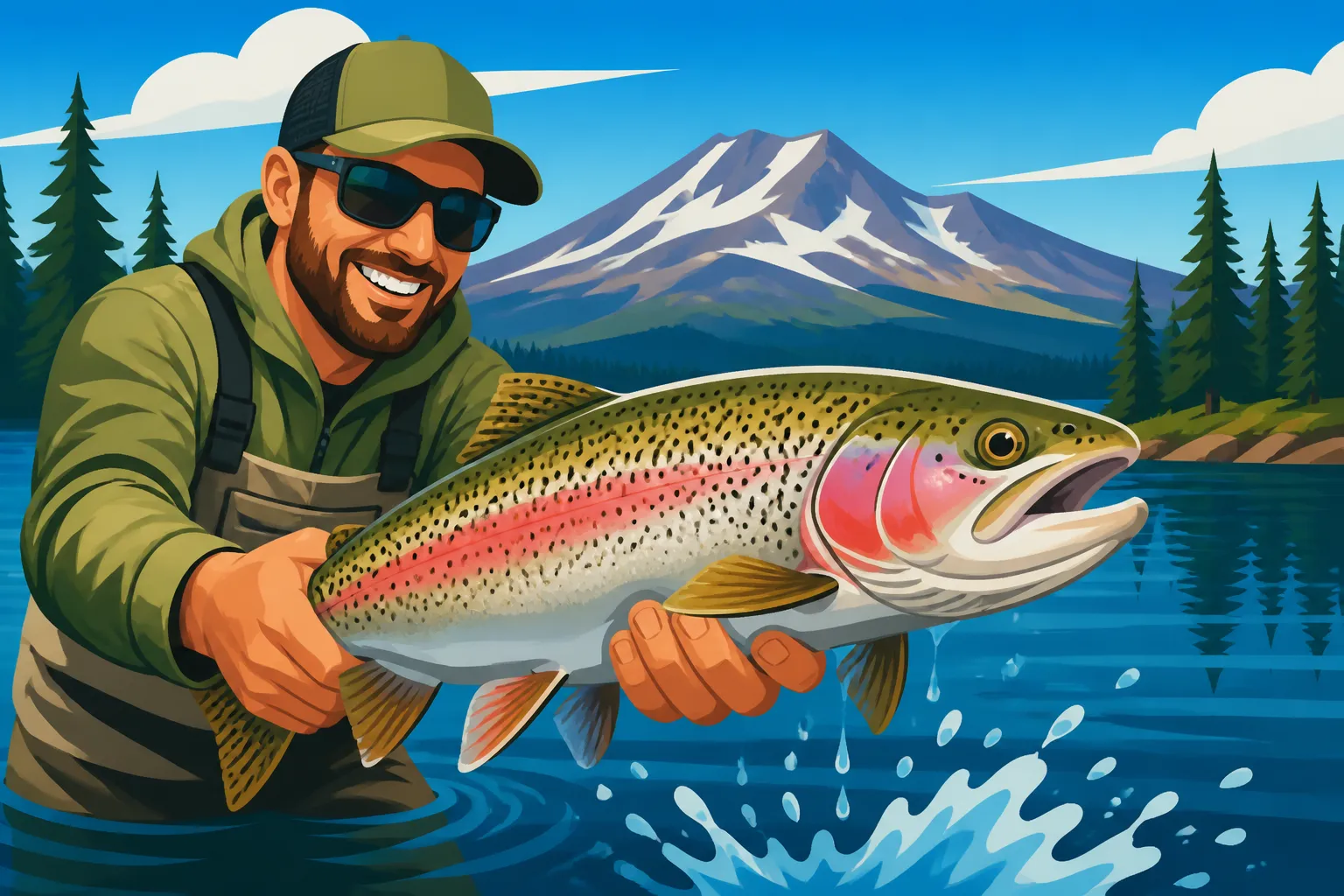
Rainbow trout in Crane Prairie are primarily hatchery-origin fish, stocked by the Oregon Department of Fish and Wildlife (ODFW), that grow to impressive sizes on the reservoir's abundant food supply. These fish can regularly reach lengths of 20 to 25 inches, with many exceeding that mark, often weighing several pounds. They are powerful fighters, known for their acrobatic jumps and strong runs once hooked. The opportunity to catch a rainbow of this caliber is a major draw for anglers traveling from across the state and beyond. For details on how these fish contribute to the overall fishery, you might be interested in our guide on Oregon Trout Species Guide.
The brook trout, on the other hand, are largely a wild, self-sustaining population, and they are famously large here. While brook trout in many waters might top out at a foot or so, Crane Prairie's brookies can reach truly gargantuan proportions, with 18 to 20-inch fish being relatively common and specimens pushing 22-24 inches caught regularly. These "squaretails" are often fat and chunky, exhibiting stunning coloration, especially during their spawning period in the fall. They tend to be a bit more elusive than the rainbows, often hugging the submerged timber and weed lines, but catching one is a true accomplishment for any angler. The challenge of targeting these particular fish adds another layer of excitement to the Crane Prairie experience.
Targeting Crane Prairie's Giants: Techniques and Tips
Catching trophy trout at Crane Prairie Reservoir requires a combination of patience, the right gear, and understanding the specific tactics that work best in this unique environment. It’s not simply about throwing a line in the water; it’s about presenting your offering effectively in a complex underwater landscape.
Top Lures and Baits for Big Trout
When you're trying to entice a trout that has grown to a significant size, you often need to think a little differently. These fish haven't gotten big by being naive! For Crane Prairie, both artificial lures and natural baits can be incredibly effective, depending on the conditions and the specific species you're targeting.
- Artificial Lures: Spoons are a perennial favorite here. Classic Daredevil spoons in red/white or five of diamonds patterns, or even a Gibbs Croc spoon, are excellent choices, particularly when casting near structure or trolling. Spinners like a Mepps Aglia or a Panther Martin can also be deadly, especially in patterns that imitate small baitfish or insects. For those looking for a different presentation, soft plastic swimbaits, rigged weedless, can be worked slowly through the submerged timber, mimicking a wounded baitfish or even a large leech. Remember, larger fish often prefer a larger meal, so don't be afraid to go up a size compared to what you might use in other trout fisheries.
- Flies: Fly fishing is arguably the most popular and often most effective method for Crane Prairie's trophy trout. The legendary callibaetis hatch makes dry flies a must-have during the summer months. Emerger patterns and nymphs fished subsurface are also incredibly productive. Woolly Buggers, in black, olive, or brown, are fantastic imitations of leeches and baitfish, and often provoke aggressive strikes from larger trout and brookies alike. Larger streamer patterns can also be effective, especially when targeting the more predatory brook trout lurking in the depths. Guides on platforms like FishingBooker often recommend specific fly patterns that are currently hot, so it’s worth checking local reports.
- Natural Baits: For bait anglers, traditional favorites can still produce monsters. PowerBait, especially garlic-scented or rainbow varieties, fished off the bottom with a sliding sinker rig, is a classic. However, live bait often steals the show. Nightcrawlers, either whole or half, suspended under a bobber or fished slowly along the bottom, can be irresistible. Many anglers also have great success with legal size crayfish, fished live or as pieces, as they are a natural food source for the reservoir's larger trout. Just be sure to check the latest Oregon Fishing Regulations Explained for any bait restrictions, as these can change.
Effective Fishing Techniques
Given Crane Prairie's unique structure, your presentation technique is paramount. You need to get your offering in front of these fish, often in tight quarters, without getting hung up.
- Trolling: This is a very popular and effective method, especially for covering a lot of water and finding active fish. Using downriggers or leaded lines to get lures, flies, or bait down to different depths is key. Many anglers troll wedding ring spinners tipped with a piece of worm, or small crankbaits that dive to specific depths. Pay close attention to your fish finder to identify submerged channels, old river beds, and concentrations of timber where fish might be holding. Slow and steady often wins the race here, as these fish can be particular.
- Drift Fishing: For fly anglers, or those using bobber-and-jig setups, drifting along weed lines or through areas of submerged timber can be incredibly productive. A float tube, pontoon boat, or even a small motorboat can allow you to position yourself to drift naturally with the wind or current, presenting your offering in a lifelike manner. The trick is to cast ahead of your drift and allow your line to settle before the trout sees your vessel.
- Casting to Structure: This is where Crane Prairie truly shines for the active angler. Whether you're using lures or flies, casting directly to the edges of submerged tree stumps, standing timber, or weed beds is critical. Trophy trout are ambush predators, and these structures provide perfect cover. A weedless setup for lures, or strong tippet for flies, can help mitigate snags. Look for deeper pockets adjacent to cover, or shaded areas during bright sunny days. Often, the biggest fish are found tight to the thickest cover. When you book a trip through a service like FishingBooker, many guides specialize in these exact techniques and can put you right on the fish.
Seasonal Strategies for Success
The best time to fish Crane Prairie depends heavily on what you're targeting and what kind of fishing experience you're after. Each season offers unique opportunities and challenges. To ensure you're fishing at the optimal time, consulting a guide like Best Time of Year to Fish in Oregon can be invaluable.
- Spring (April – June): As the ice recedes and water temperatures begin to rise, trout become very active. This is an excellent time for both trolling and casting. Fish will often be shallower, feeding aggressively after the long winter. The callibaetis hatch starts later in spring, providing initial dry fly opportunities. The inflow of fresh water from the Deschutes River and its tributaries can also concentrate fish in certain areas.
- Summer (July – August): This is prime time for the famous callibaetis hatch, making it a fly angler's paradise. Dry fly action can be incredible, especially in the mornings and evenings. However, boat traffic can be heavy, and midday fishing can be slower due to warm temperatures and bright sun. Early mornings and late evenings often provide the best action for both fly and gear anglers. Trolling deeper with downriggers becomes more important during the heat of the day.
- Fall (September – October): Many consider fall to be the absolute best time for trophy brook trout, as they begin their pre-spawn migrations and display their most vibrant colors. The crowds lessen, and the weather can be glorious. Both rainbows and brookies are actively feeding, preparing for winter. Fly fishing with streamers and nymphs is excellent, and gear anglers can find success trolling larger lures or fishing with bait near the submerged timber. This is often when the biggest fish of the year are caught.
- Winter (November – March): Crane Prairie typically freezes over in winter, making it a popular destination for ice fishing. While access can be challenging and conditions require serious preparation, it offers a unique opportunity to target these trophy fish through the ice. Ice jigs tipped with bait, or small spoons, can entice sluggish but hungry trout. Always check ice conditions carefully before venturing out.
| Lure/Bait Type | Target Species | Best Technique | Notes |
|---|---|---|---|
| Daredevil Spoon | Rainbow, Brook | Trolling, Casting | Red/White, Five of Diamonds are classics. |
| Woolly Bugger | Rainbow, Brook | Fly Fishing | Olive, Black, Brown. Dead drift or strip retrieve. |
| PowerBait | Rainbow | Still Fishing | Garlic or rainbow scent, fished off bottom. |
| Nightcrawlers | Rainbow, Brook | Still Fishing, Drift | Versatile, great for larger, opportunistic eaters. |
| Callibaetis Dry | Rainbow, Brook | Fly Fishing | Match the hatch during summer for explosive topwater action. |
| Soft Plastic Swimbait | Rainbow, Brook | Casting, Slow Retrieve | Rigged weedless for submerged timber. Imitates baitfish. |
Navigating Crane Prairie: Access and Amenities
Getting to Crane Prairie Reservoir and ensuring you have a comfortable stay is part of the adventure. This large reservoir, while popular, offers several access points and nearby facilities to make your trip enjoyable, whether you're bringing a boat or just fishing from shore.
Boat Launches and Access Points
Crane Prairie Reservoir is vast, covering over 4,000 acres when full, so having a boat is highly recommended for exploring its prime fishing grounds, especially the famous "tree farm" areas. Thankfully, there are several developed boat launches.
The main launch is located at Crane Prairie Campground, which offers concrete ramps suitable for most trailer boats. This is often the busiest access point, especially on weekends during peak season. From here, you can easily access the central part of the reservoir, including the main basin and the entrance to the Quinn River arm. Another popular launch is at Quinn River Campground, providing direct access to the Quinn River arm, which is a renowned area for both rainbow and brook trout, particularly during mayfly hatches. For those with smaller boats or seeking a slightly less crowded option, the Cultus River Campground also offers a launch point, providing access to the Cultus River arm, another excellent area for targeting large trout.
Remember that water levels can fluctuate significantly throughout the year, especially later in the season, which might affect the usability of some ramps. Always check with the local Forest Service or ODFW for current conditions. If you're planning a trip with a guide, they will typically handle the boat launch logistics, often meeting you at a pre-arranged spot. Many professional guides found on services like FishingBooker are intimately familiar with all access points and their current conditions.
Camping and Lodging Nearby
For those looking to extend their stay and fully immerse themselves in the Crane Prairie experience, there are several camping options right on the reservoir's shores, as well as more amenities available in nearby towns.
- Campgrounds on the Reservoir: The aforementioned Crane Prairie Campground, Quinn River Campground, and Cultus River Campground all offer developed campsites, many suitable for RVs and tents. These sites provide easy access to the water, often with paths directly to the shore, making them ideal for early morning starts or late evening casts. Facilities typically include picnic tables, fire rings, and vault toilets, though some may offer potable water seasonally. Reservations, especially during summer and fall, are highly recommended and can be made through the National Forest website. These spots fill up fast for good reason, offering unparalleled access to the trophy waters.
- Dispersed Camping: For a more rustic experience, dispersed camping is allowed in designated areas of the surrounding Deschutes National Forest, following Leave No Trace principles. This requires a bit more self-sufficiency but offers solitude and the chance to truly get away from it all. Always check current fire restrictions and regulations before setting up a dispersed camp.
- Nearby Lodging: If camping isn't your style, the resort community of Sunriver is about an hour's drive away and offers a wide range of vacation rentals, hotels, and dining options. The larger city of Bend, roughly an hour and a half away, provides even more extensive services, including specialized tackle shops, additional lodging, and diverse restaurants. These towns can serve as a comfortable base camp for day trips to Crane Prairie. Exploring Central Oregon Fishing Spots can provide more lodging and access details for the wider region.
Beyond the Bite: Essential Considerations for Your Trip
A successful trophy trout fishing trip to Crane Prairie Reservoir involves more than just knowing where and how to cast. It also means being prepared for the environment, understanding local rules, and practicing responsible angling to preserve this incredible fishery for years to come.
Regulations and Licenses You'll Need
Oregon has specific regulations designed to protect its fisheries, and Crane Prairie Reservoir is no exception. Before you even think about casting a line, ensure you have all the necessary permits and understand the rules.
- Oregon Fishing License: Absolutely essential. Anyone aged 12 and older needs a valid Oregon fishing license. You can purchase these online through the ODFW website, at authorized license agents like sporting goods stores, or even some small tackle shops near the reservoir. There are various types of licenses available, from annual resident and nonresident options to multi-day permits perfect for a shorter trip. If you're unclear which one you need, our Oregon Fishing License Types Explained guide can help clarify things.
- Combined Angling Tag: For many of Oregon's prime fisheries, including Crane Prairie, you'll also need a Combined Angling Tag, which is required for salmon, steelhead, and sturgeon. While Crane Prairie isn't known for salmon or steelhead, the tag is typically required for any angling, so it's best to always have one if you plan to keep any fish. Always double-check the current ODFW regulations, as these can be updated annually.
- Bag Limits and Size Restrictions: Crane Prairie has specific bag limits and sometimes size restrictions for trout. For example, there might be a general trout limit, but then special regulations for brook trout. It's crucial to consult the most current ODFW Sport Fishing Regulations booklet or website. Pay close attention to rules regarding fin-clipped versus unclipped fish, as wild brook trout are often managed differently than hatchery rainbows. These details are critical to avoid violations, and you can find comprehensive information in our guide on Oregon Fishing Season Dates and Limits.
Respecting the Resource: Catch and Release Best Practices
While the allure of a trophy fish on the wall is strong, many anglers at Crane Prairie Reservoir practice catch and release, especially for the larger, wild brook trout, to help sustain the population. Even with the rainbows, releasing the big breeders ensures they can continue to contribute to the fishery.
- Minimize Handling: The less time a fish spends out of the water, the better its chances of survival. Try to unhook fish while they are still in the water, or use a knotless, rubberized landing net to gently scoop them out for a quick photo. Avoid touching the fish's gills or eyes.
- Wet Hands: Always wet your hands thoroughly before touching a fish. Dry hands can remove the protective slime coat, making the fish susceptible to disease.
- Use Barbless Hooks: Barbless hooks make unhooking much easier and quicker, reducing stress and injury to the fish. Many anglers crimp down the barbs on their hooks for this reason. Some areas even require barbless hooks, so always check the specific regulations for Crane Prairie.
- Quick Release: If you're taking a photo, do so quickly. Hold the fish horizontally, supporting its belly, and minimize its time out of the water. Avoid holding fish vertically by the jaw or tail, as this can cause internal damage.
- Revive Carefully: If a fish seems sluggish after being caught, hold it gently in the water, facing into a gentle current, until it regains its strength and swims away on its own.
By following these best practices, you're not just ensuring the survival of the fish you catch, but you're also contributing to the health and longevity of Crane Prairie's incredible trophy trout fishery for future generations of anglers. The ability to return to a vibrant fishery year after year is a shared responsibility, and it's something every angler appreciates.
Disclaimer
Fishing conditions, regulations, and access points can change rapidly. Always consult the official Oregon Department of Fish and Wildlife (ODFW) website for the most current regulations, licensing requirements, and any emergency closures before planning your trip. The information provided in this guide is for general informational purposes only and should not be considered legal advice or a substitute for checking official sources.