Best kayak fishing spots in Oregon
Oh, the sheer joy of being out on the water, silently gliding along, paddle in hand, with a fishing rod ready for action. But let's be real, while the dream of kayak fishing in Oregon is incredibly appealing, figuring out where to launch your kayak and what you can actually catch from it can feel like a daunting task, especially with so many incredible waterways. This guide is here to cut through that confusion, helping you discover some of the best kayak fishing spots across Oregon, complete with insights on what to expect and how to prepare for a successful, and most importantly, safe adventure.
Why Kayak Fishing in Oregon is So Appealing
There's something uniquely special about kayak fishing that really sets it apart, especially in a state as naturally blessed as Oregon. It's not just a way to catch fish; it's an immersive experience that connects you with the water and its inhabitants on a whole different level. If you've ever felt cramped on a crowded bank or longed for access to those untouched pockets of water, kayak fishing might just be your calling.
The Unique Freedom of a Kayak Angler
Imagine this: You're paddling softly, barely making a ripple, your sleek vessel blending seamlessly with the environment. You can slip into shallow coves where powerboats dare not tread, navigate narrow channels, and hug the shoreline, presenting your bait or lure to fish that rarely see angling pressure. This stealth and maneuverability are game-changers. Unlike a larger boat, a kayak allows you to approach your fishing spots with minimal disturbance, often translating into more bites from less wary fish. It's the ultimate "get away from it all" experience, offering a quiet solitude that's hard to find in today's bustling world.
Moreover, the simplicity of a kayak means less gear to maintain, lower fuel costs (or no fuel costs at all!), and often, easier access to launch points. You can pull up to a small beach, slide in, and be fishing in minutes, bypassing crowded boat ramps. This freedom extends to your choice of fishing grounds, too. Want to explore a secluded marsh for bass? Or perhaps quietly stalk trout in a pristine mountain lake? A kayak makes these dreams a tangible reality, giving you an unmatched sense of independence and adventure.
Diverse Waters for Every Skill Level
Oregon's landscape is a veritable playground for kayak anglers, offering an incredible variety of waters that cater to every preference and skill level. From the tranquil, glassy surfaces of high mountain lakes to the sprawling tidal flats of coastal estuaries, and the gentle currents of meandering rivers, there's a perfect paddle-and-fish experience waiting for you. This diversity is truly one of Oregon's greatest angling treasures.
Beginners might feel most comfortable starting on smaller, calm lakes like Trillium Lake near Mount Hood, where the biggest challenge is often just paddling straight while enjoying the scenery. These spots are perfect for honing basic paddling skills and getting a feel for fishing from a sit-on-top kayak. As you gain confidence, you can transition to larger reservoirs or slower river sections, where currents become a factor but offer exciting new opportunities for species like smallmouth bass or panfish. For the more experienced and adventurous, the coastal bays and even nearshore ocean waters beckon with their promise of salmon, rockfish, and lingcod, though these environments demand a higher degree of skill, preparation, and respect for the powerful forces of nature. No matter where your comfort level lies, Oregon has a kayak fishing spot that's just right for your next adventure.
Top Kayak Fishing Destinations for Inland Waters
When most people think of kayak fishing, their minds often drift to serene inland waters. Oregon absolutely shines in this regard, offering a wealth of lakes, reservoirs, and rivers that are perfectly suited for a paddle-powered angling excursion. These spots often provide easier access, calmer conditions, and fantastic opportunities for a variety of popular fish species.
Calm Lakes and Reservoirs for Beginners and Trout Enthusiasts
For those just getting their feet wet in kayak fishing, or anyone looking for a relaxing day pursuing freshwater favorites, Oregon's calm lakes and reservoirs are truly ideal. They offer relatively stable conditions, making it easier to manage your kayak, cast your line, and enjoy the scenery without the added stress of strong currents or ocean swells.
Take Henry Hagg Lake near Forest Grove, for example. This large reservoir is a popular spot and for good reason. It's well-stocked with rainbow trout, and also holds healthy populations of smallmouth bass, largemouth bass, and various panfish like crappie and bluegill. Kayak anglers particularly love Hagg Lake because of its numerous coves and inlets that are easily accessible by kayak, but often too shallow or tricky for larger boats. You can paddle into these quiet corners, often finding less-pressured fish. The lake has multiple boat ramps, making launch and retrieve straightforward, and plenty of shoreline for picnicking after a successful morning of fishing. Just be mindful of other recreational users, especially on warm summer weekends. It's a fantastic place for a family outing, and beginners will appreciate the calm waters for building confidence. You might even want to check out our guide on How to Catch Trout in Stocked Oregon Lakes for some extra tips.
Another excellent choice is Detroit Lake in the central Cascades. While parts of it are recovering from past wildfires, it remains a popular destination. Detroit Lake is renowned for its kokanee salmon and rainbow trout. Kayaks are fantastic here for trolling small spinners or wedding rings for kokanee in deeper channels, or casting towards the shorelines for trout. The lake's irregular shape with numerous arms and bays creates endless opportunities for exploration. Launching is typically easy from several public ramps, and the scenery, with the surrounding forested mountains, is absolutely breathtaking. This is a great spot if you're keen on targeting Kokanee Salmon in Oregon, as kayaks offer a quiet approach to these often finicky fish.
And let's not forget Fern Ridge Reservoir west of Eugene. This sprawling, relatively shallow body of water is a haven for warmwater species. Kayakers find great success here targeting largemouth bass, smallmouth bass, crappie, and yellow perch. Its vastness means you can always find a secluded spot, and the many submerged structures and weed beds provide ideal habitat for bass and panfish. Kayaks allow you to navigate through the shallower sections and lily pads where these fish often hide, giving you an edge over shore anglers and larger boats. The calm waters generally make for a very pleasant paddling experience, perfect for a leisurely day of fishing.
| Lake/Reservoir | Primary Species | Key Features for Kayak Anglers | Skill Level |
|---|---|---|---|
| Henry Hagg Lake | Trout, Bass, Panfish | Numerous coves, easy access, diverse species, calm water | Beginner |
| Detroit Lake | Kokanee, Trout | Scenic, varied depths, good for trolling or casting | Intermediate |
| Fern Ridge Reservoir | Bass, Crappie, Perch | Sprawling, shallow, abundant structure, less boat traffic in coves | Beginner |
| Wallowa Lake | Kokanee, Trout, Lake Trout | Deep, clear, stunning scenery, good for trolling or jigging | Intermediate |
Rivers for Steelhead and Smallmouth Bass Adventures
For those who crave a bit more current and the challenge of riverine fishing, Oregon's rivers offer spectacular kayak angling opportunities, particularly for smallmouth bass and steelhead. These experiences demand a bit more skill in paddling and reading water, but the rewards can be incredible.
The Deschutes River, particularly its lower sections below Bend, is a prime example. While much of it is famous for fly fishing for trout and steelhead, the lower Deschutes, especially where it slows down, can be fantastic for smallmouth bass. Kayakers can put in at various access points and drift downstream, casting towards rocky banks, submerged logs, and eddy lines. The sheer quietness of a kayak allows you to sneak up on bass, which can be easily spooked by engine noise. The scenery along the Deschutes is iconic, with towering basalt cliffs and arid canyon lands. For tips on battling these feisty fish, you might want to read up on How to Fish for Smallmouth Bass in Oregon. Keep in mind that parts of the Deschutes can have strong currents and rapids, so always scout your route, understand your limits, and wear your PFD.
Another river that offers excellent kayak fishing is the Willamette River, particularly the stretches away from heavy boat traffic near Portland. While known for its spring Chinook salmon runs, the Willamette also boasts a robust population of smallmouth and largemouth bass, as well as decent opportunities for sturgeon. Kayaks are perfect for exploring the many sloughs, backwaters, and quieter side channels that dot the river. You can launch from numerous parks and public access points along its course. Drifting and casting jigs, crankbaits, or soft plastics can be incredibly effective for bass. When fishing for salmon, especially spring Chinook, a kayak allows you to slowly back-troll or anchor in prime holding water. Just remember to be vigilant about larger boat traffic on the main stem and ensure your kayak is properly lit if you're out near dawn or dusk. Understanding Oregon Fishing Regulations Explained is crucial for any river fishing, especially on the Willamette.
For steelhead enthusiasts, certain coastal rivers like the Wilson River or Nestucca River offer more intimate, challenging kayak opportunities, particularly during winter and summer steelhead runs. Kayaks allow you to drift through prime runs, presenting your gear effectively. However, these rivers can be swift, cold, and often require advanced paddling skills and knowledge of river dynamics. Safety is paramount here; always go with a buddy, wear appropriate cold-weather gear like a dry suit, and have a solid float plan. Exploring our Oregon Steelhead Fishing Techniques guide can provide invaluable insights before you hit these more challenging waters.
Exploring Oregon's Coastal Kayak Fishing Opportunities
Oregon's coastline, with its dramatic cliffs, sprawling estuaries, and powerful ocean, offers some of the most exhilarating and rewarding kayak fishing experiences in the state. However, coastal fishing comes with its own set of challenges and demands a different level of preparation and respect for the environment. The rewards, though, are often well worth the effort.
Estuaries and Bays for Crabbing and Salmon
Oregon's expansive coastal estuaries and bays are a kayak angler's paradise, offering sheltered waters and a diverse range of species, from delicious Dungeness crab to hard-fighting salmon. These areas provide a fantastic bridge between calm inland waters and the more challenging open ocean.
Tillamook Bay is a prime example, famous for its incredible fall Chinook salmon runs. Kayakers here find great success trolling small lures or bait, like herring, in the channels, or anchoring and bobber fishing in prime areas. The bay is vast, but kayaks allow you to explore the shallower flats and sloughs where salmon often stage. Beyond salmon, Tillamook Bay is also a phenomenal crabbing destination. You can easily deploy a crab pot or two from your kayak, drop them in strategic locations, and paddle around while they soak. Check out our Oregon Crabbing Season Timing guide to know the best times. The key to success in Tillamook Bay is understanding the tides; fishing can be much more productive on an incoming or outgoing tide, and navigating can be easier during calmer tidal exchanges. Always be aware of commercial and recreational boat traffic, especially during peak salmon season. If you're new to fishing the bays, sometimes it helps to go with an experienced guide, and you can find many reputable options through platforms like FishingBooker.
Similarly, Yaquina Bay in Newport is another fantastic spot. While it also offers salmon opportunities, it's particularly renowned for its crabbing. Kayakers can set pots, then spend time fishing for surfperch, small rockfish, or even occasional flatfish around the jetties and docks. The bay's protected waters make it accessible even on days when the ocean is too rough. There are numerous public docks and small beaches perfect for launching a kayak. Always keep an eye on the weather and tides, as conditions can change rapidly. For those interested in pursuing salmon, especially fall Chinook, our Oregon Salmon Fishing Techniques article can give you a head start. The combination of crabbing and fishing from a kayak in these bays makes for an incredibly rewarding day on the water.
Nearshore Ocean Adventures for Rockfish and Lingcod
For the truly adventurous and experienced kayak angler, Oregon's nearshore ocean offers an unparalleled experience targeting hard-fighting species like rockfish and the toothy lingcod. This is not for the faint of heart, as it requires a high level of skill, physical fitness, and meticulous planning, but the thrill of landing a big lingcod from a kayak is truly unforgettable.
Launch points like Depoe Bay or the various beaches near Newport and Garibaldi provide access to prime rockfish and lingcod habitat. You'll want to target rocky reefs, kelp beds, and submerged structures, often found relatively close to shore. Jigging with heavy metal jigs, soft plastics, or even using live bait (if permitted) can be incredibly effective. The stealth of a kayak is a huge advantage, allowing you to quietly position yourself over structure without spooking fish. While challenging, this kind of fishing is extremely rewarding, especially when you're hooking into a feisty Lingcod off the Oregon Coast or a colorful variety of Rockfish off the Oregon Coast.
Safety is paramount when venturing into the ocean in a kayak. Always check marine forecasts religiously, looking for calm seas and light winds. Never go alone, and always let someone know your float plan. Essential gear includes a marine VHF radio, a personal locator beacon (PLB) or satellite messenger, a whistle, a bright flag, and, of course, a properly fitted PFD. A dry suit or wetsuit is also highly recommended due to the cold water temperatures, even in summer. Many anglers opt for a guided trip with a professional service via platforms like FishingBooker before attempting solo ocean kayaking, which can be a smart way to learn the ropes and understand the specific challenges of Oregon's coast. It’s an intense but highly rewarding facet of Oregon kayak fishing.
Essential Gear and Safety for Oregon Kayak Fishing
Embarking on a kayak fishing adventure in Oregon is incredibly exciting, but it's crucial to be well-prepared with the right gear and a strong understanding of safety protocols. The waters here, whether inland or coastal, can be unpredictable, and being equipped properly can make all the difference between a fantastic day and a challenging one.
Kayak Selection and Basic Accessories
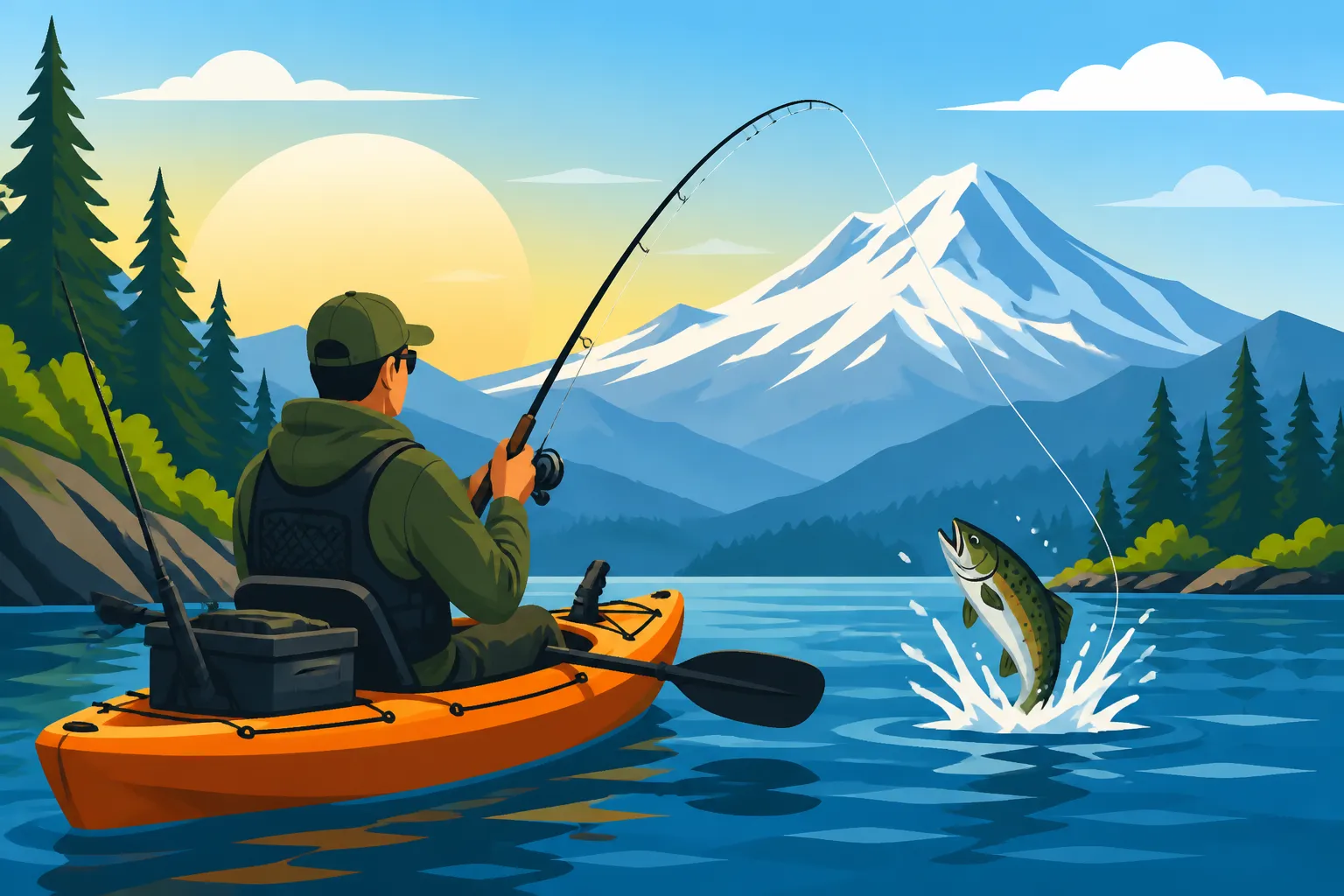
Choosing the right kayak is the first step. For fishing, most anglers prefer sit-on-top kayaks because they are inherently more stable, easier to re-enter from the water (should you capsize), and offer ample space for gear and your catch. Within sit-on-tops, you'll find both paddle and pedal drive options. Pedal drive kayaks are increasingly popular for fishing as they free up your hands for casting and fighting fish, offering a distinct advantage. Brands like Hobie and Old Town are leaders in pedal-drive fishing kayaks, though many other excellent manufacturers exist. For a more budget-friendly or minimalist approach, a good quality paddle kayak still gets the job done and offers a great workout.
Beyond the kayak itself, some fundamental accessories are non-negotiable. A properly fitted Personal Flotation Device (PFD) is absolutely essential and legally required. You should wear it at all times on the water, not just have it stowed away. A reliable paddle (even with a pedal kayak, you need a backup!), along with a paddle leash to prevent it from floating away, is crucial. Rod holders are a must-have for hands-free fishing and paddling. An anchor system (usually a small grapnel anchor or a drag chain) is vital for holding your position in currents or wind. Lastly, consider a fish finder (even a portable one) and a waterproof dry bag for your phone, keys, and other valuables. These basic items will significantly enhance your comfort, safety, and success on the water.
Navigating Oregon's Unique Challenges
Oregon's diverse fishing environments present specific challenges that every kayak angler must respect. The number one rule is always to prioritize safety and never underestimate the power of nature.
One of the biggest factors is weather. Oregon weather can change on a dime, especially on the coast and in the mountains. A calm morning can quickly turn into a windy, choppy afternoon. Always check detailed forecasts before heading out, and be prepared to cut your trip short if conditions deteriorate. Strong winds can make paddling incredibly difficult and dangerous. Cold water is another constant, even in summer. Hypothermia is a serious risk. Wearing a dry suit or wetsuit is highly recommended for coastal and river fishing, and at least dressing in layers of synthetic or wool clothing (never cotton) is crucial for all cold-water environments.
Currents and tides are significant concerns in rivers and coastal bays. Understanding how water flows and how tides affect your launch and retrieval points is critical. Always paddle upstream first in rivers so that your return trip is easier, and plan your bay trips around favorable tides. Legal requirements are also paramount. Make sure you have the appropriate Oregon Fishing License Guide and any necessary endorsements (like a Columbia River Basin Endorsement or Ocean Endorsement) for the waters you plan to fish. You'll also need to be familiar with Oregon Fishing Regulations Explained, including species-specific rules, bag limits, and gear restrictions.
Finally, communication and trip planning are non-negotiable. Always tell someone your float plan: where you're going, your estimated return time, and who to call if you don't check in. Carry a fully charged cell phone in a waterproof case, and for ocean or remote river trips, consider a marine VHF radio or a satellite messenger for emergencies. Preparation is key to enjoying Oregon's incredible kayak fishing opportunities safely and successfully.
Disclaimer
The information provided in this guide is for general informational purposes only and does not constitute professional advice. Fishing regulations and conditions in Oregon can change frequently. Always consult the latest official Oregon Department of Fish and Wildlife (ODFW) regulations and local advisories before engaging in any fishing activities. Safety should always be your top priority on the water.