Best fishing spot for largemouth bass in Oregon
It can be surprisingly tough to pinpoint the prime spots for largemouth bass fishing in Oregon. With so much focus on our incredible salmon and steelhead runs, these feisty green fish sometimes take a backseat, leaving many anglers scratching their heads about where to even start. This guide is here to cut through the confusion, offering a comprehensive look at Oregon's top largemouth bass destinations and equipping you with the knowledge to make your next bass-seeking adventure a huge success.
Understanding Oregon's Largemouth Bass Landscape
Oregon might not be the first state that comes to mind when you think of trophy largemouth bass, but don't let that fool you! We have some truly fantastic opportunities for those willing to explore. These powerful, acrobatic fish offer a thrilling fight that can hook anglers for life, and the pursuit often takes you to serene, less-pressured waters than our more famous fisheries.
The Allure of Largemouth Bass Fishing in Oregon
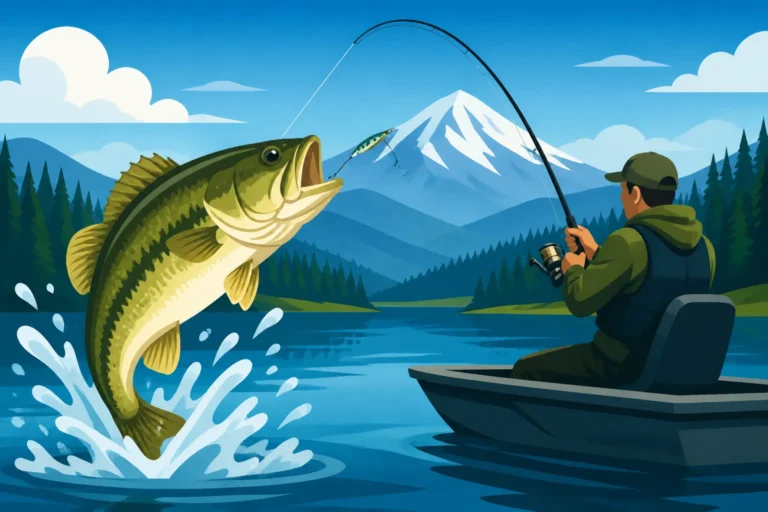
There's a unique charm to chasing largemouth bass in the Pacific Northwest. While many flock to the coast or major rivers for salmon and steelhead, bass anglers often find themselves in quieter lakes and reservoirs, surrounded by stunning scenery. The bass themselves are incredible sport fish – known for their explosive strikes, impressive jumps, and stubborn dives into cover. It’s a different kind of challenge, one that tests your finesse, your patience, and your ability to "read" the water and present a lure just right.
For many, largemouth bass fishing is a chance to slow down, explore new waters, and truly connect with the diverse aquatic ecosystems Oregon has to offer. It’s also often more accessible, with many excellent bass spots being open year-round and offering good bank access or opportunities for smaller boats, kayaks, and float tubes. Plus, the sheer joy of a topwater blow-up at dawn or dusk is an experience every angler should have!
Where Largemouth Bass Thrive in Oregon
Largemouth bass are warmwater fish, meaning they prefer environments that are quite different from the cold, swift rivers where salmon and trout flourish. In Oregon, you'll typically find them in lakes, reservoirs, ponds, and slow-moving river backwaters. They absolutely love structure and cover, utilizing anything from submerged timber, rock piles, and brush to lily pads, cattails, and thick weed beds. These areas provide ambush points for their prey and offer protection from predators and harsh sunlight.
Water temperature is a critical factor for largemouth bass. They become most active when water temperatures range from the mid-50s to high 70s Fahrenheit. This means that while you can catch them year-round in some places, their peak activity aligns with Oregon's warmer spring, summer, and early fall months. Understanding these habitat preferences is key to identifying potential largemouth bass hotspots, even if they aren't explicitly advertised. Look for shallow coves, protected bays, and areas with plenty of submerged vegetation or timber – these are textbook bass havens.
Top Largemouth Bass Fisheries Across Oregon
Now that we understand a bit more about what makes largemouth bass tick, let’s dive into some of Oregon's premier locations where you can test your skills and hopefully land some impressive fish. These spots offer varied experiences, from tranquil lake settings to bustling reservoirs.
Northwestern Oregon Havens
For those in the populous Willamette Valley, there are some fantastic largemouth bass opportunities within a relatively short drive. These spots are often well-stocked and managed, providing consistent action.
Henry Hagg Lake
Just a short drive west of Portland, in Washington County, Henry Hagg Lake stands out as one of the most consistent and productive largemouth bass fisheries in the state. This large reservoir is famous for its abundant submerged timber and extensive weed beds, which create perfect habitat for bass to hide and ambush prey. Anglers often target bass along the lake's many points, coves, and brushy shorelines.
Hagg Lake is a popular spot for kayak and float tube anglers, as well as those with small boats, due to its numerous coves and shallow areas that can be difficult for larger vessels to navigate effectively. The lake regularly hosts bass tournaments, which speaks to the quality and size of its bass population. Spring and early summer are prime times as bass move into shallower water for spawning and feeding. While you might encounter smaller fish, there's always the chance to hook into a real lunker here. Checking the latest reports from guides on platforms like FishingBooker can often give you an edge on current conditions and successful techniques.
Fern Ridge Reservoir
Located west of Eugene, Fern Ridge Reservoir is another excellent choice for largemouth bass, especially for those looking for a more expansive body of water. This large, shallow reservoir features numerous coves, submerged structures, and extensive weed beds, making it a fantastic bass factory. The reservoir's relatively shallow nature means it warms up quickly in the spring, initiating the bass bite early in the season.
Anglers here often focus on areas with visible cover, such as downed trees, brush piles, and the edges of weed lines. The reservoir is also known for producing some truly large bass, making it a favorite among trophy hunters. Access is good, with several boat ramps and plenty of shoreline accessible for bank anglers, particularly in areas like Perkins Peninsula Park. Like Hagg Lake, Fern Ridge sees considerable bass fishing pressure and often hosts tournaments, confirming its reputation as a top-tier bass destination.
Sauvie Island Ponds
Sauvie Island, nestled at the confluence of the Willamette and Columbia Rivers near Portland, is a treasure trove of fishing opportunities, including several excellent ponds for largemouth bass. These interconnected sloughs and ponds, part of the Sauvie Island Wildlife Area, offer diverse habitats from lily pads and submerged weeds to flooded timber. Because the habitat is so varied, anglers have plenty of room to experiment with different techniques and presentations.
The challenge here is often access, as some areas require a bit of walking or a small boat/kayak to reach the best spots. However, the reward can be excellent, with good numbers of bass and the potential for some surprisingly large individuals. These ponds are particularly enjoyable for quiet fishing, away from the hustle and bustle of bigger lakes. Remember to check local regulations for specific pond access and fishing rules, which can vary depending on the time of year.
Central and Southern Oregon Hotspots
Moving further afield, Central and Southern Oregon boast their own unique and productive largemouth bass fisheries, often set against stunning natural backdrops.
Prineville Reservoir
In Central Oregon, near the city of Prineville, Prineville Reservoir is a fantastic multi-species fishery that includes a thriving population of largemouth bass. While perhaps better known for its smallmouth bass, the largemouth here are strong and plentiful, particularly in the reservoir's warmer, shallower arms and coves. Look for areas with rock formations, submerged brush, and any visible cover along the shoreline.
The reservoir's arid, high desert surroundings offer a distinct angling experience. Spring and fall can be particularly productive as bass are active in shallower water. During the heat of summer, largemouth may retreat to deeper, cooler water or seek refuge in shady areas along canyon walls. Prineville Reservoir offers excellent boat access and several campgrounds, making it a great destination for a weekend fishing trip. It’s a good idea to consult the Oregon Fishing Regulations Explained before heading out to understand specific rules for this unique area.
Tenmile Lakes
Down in Southern Oregon, just south of Reedsport, Tenmile Lakes is an absolute gem for largemouth bass. This complex of interconnected lakes (North, Middle, and South Tenmile) is renowned for its shallow, nutrient-rich waters, vast weed beds, and abundant cover. It’s consistently ranked among Oregon's top bass fisheries and is famous for producing both good numbers of fish and trophy-sized largemouth. Anglers regularly report fish over 5 pounds, with some much larger.
The lakes are a bass angler's paradise, offering endless coves, lily pad fields, and extensive submerged vegetation. This makes it ideal for a variety of techniques, from topwater frogs over matted vegetation to pitching jigs into heavy cover. It's a fantastic place to practice navigating through thick weeds and targeting bass hidden deep within their preferred habitat. Multiple boat ramps provide easy access, and there are plenty of lodging options nearby, making it a prime destination for an extended bass fishing vacation.
Emigrant Lake
Near Ashland in Southern Oregon, Emigrant Lake is another excellent spot that often flies under the radar for largemouth bass. This reservoir has a healthy population of largemouth, particularly thriving in its warmer, shallower areas, coves, and the numerous brushy banks. The lake's fluctuating water levels can create dynamic fishing conditions, but also expose new structure and cover for bass to utilize.
Anglers should focus on the lake’s many points, submerged timber, and areas with aquatic vegetation. Emigrant Lake is a popular recreation spot, so expect some boat traffic during peak summer months, but there are always quiet coves to be found. Early mornings and late evenings during spring and fall tend to be the most productive times here, as the bass are more active in the cooler parts of the day.
Hidden Gems and Lesser-Known Ponds
Beyond the major lakes and reservoirs, Oregon is dotted with countless smaller ponds, agricultural canals, and slow-moving river sloughs that can hold surprisingly robust populations of largemouth bass. These "hidden gems" often require a bit of local knowledge or exploration, but they can offer incredibly rewarding and uncrowded fishing experiences.
Many local parks, especially those in the Willamette Valley and along the I-5 corridor, have small ponds that are periodically stocked and often maintain healthy populations of resident bass. These can be fantastic spots for quick outings, especially for anglers with kayaks, float tubes, or who prefer bank fishing. Additionally, the backwaters and oxbows of rivers like the Willamette and Umpqua can offer excellent largemouth opportunities, particularly in areas with less current and more vegetation or woody debris. These areas often benefit from less pressure and can yield some unexpected catches.
Sometimes, finding these truly local spots means chatting with tackle shop owners, looking at satellite maps for promising water, or even checking out local fishing forums. Resources like FishingBooker sometimes list guides who specialize in these smaller, more intimate waters, offering unique insights into these lesser-known bass havens.
Techniques and Tips for Oregon Largemouth Bass
Catching largemouth bass in Oregon, much like anywhere else, comes down to understanding their behavior, knowing what they eat, and presenting your lures effectively. It's a dynamic game that requires adaptability.
Essential Lures and Baits
Largemouth bass are opportunistic predators, and a wide array of lures and baits can be effective. The key is matching your presentation to the conditions and the bass's mood.
- Soft Plastics: These are arguably the most versatile and productive category. Think Texas-rigged worms, Senkos, creature baits, and swimbaits. They excel when pitched into heavy cover like weed beds or submerged timber, providing a subtle, enticing presentation that bass find hard to resist. Colors often vary by water clarity, but green pumpkin, black and blue, and watermelon are consistent producers.
- Jigs: Flipping and pitching jigs (often paired with a creature bait or craw trailer) into dense cover is a classic technique for big largemouth. The jig mimics a crawfish or a baitfish darting through structure.
- Crankbaits and Spinnerbaits: These are excellent for covering water and finding active fish. Crankbaits come in various diving depths and retrieve styles, perfect for targeting specific depths or bouncing off submerged structure. Spinnerbaits, with their flashing blades and vibrating skirts, are fantastic for fishing around grass, wood, or over open flats, especially in stained water.
- Topwater Lures: When the conditions are right (low light, calm water, active fish), nothing beats a topwater strike! Poppers, walk-the-dog lures (like a Zara Spook), and frog imitations (especially over lily pads) can create explosive, heart-stopping action. These are often most effective during dawn, dusk, or overcast days.
- Live Bait: Shiners, crawfish, or even large nightcrawlers can be incredibly effective, especially for more finicky bass or when targeting larger fish. Just ensure you check the Oregon Fishing Regulations Explained for any restrictions on bait usage in specific waters.
Learning about the best options can be overwhelming, so consider checking out a general Oregon Bait and Lure Guide to broaden your knowledge.
Seasonal Strategies for Success
Largemouth bass behavior changes significantly throughout the year, primarily driven by water temperature and their spawning cycle.
- Spring (Pre-spawn & Spawn): As water temperatures rise into the mid-50s to low 60s, bass move into shallower coves and protected bays to prepare for spawning. This pre-spawn period is often characterized by aggressive feeding as they bulk up. Spinnerbaits, crankbaits, and jigs are great for covering water. During the spawn (when water temps hit the mid-60s), bass become very protective of their nests. Soft plastics and jigs pitched into visible beds can elicit defensive strikes, but ethical anglers often try to minimize disturbance during this sensitive period.
- Summer (Post-spawn & Summer Patterns): After spawning, bass often retreat to slightly deeper water, seeking cooler temperatures and readily available food sources. They might suspend over offshore structure, relate to deep weed lines, or hide in dense overhead cover like docks or thick lily pads. Early mornings and late evenings are prime times for topwater or shallow crankbaits. During the day, focus on deeper presentations with jigs, soft plastics, or Carolina rigs.
- Fall (Feeding Frenzy): As water temperatures begin to drop, bass enter a strong feeding period to prepare for winter. They often move back into shallower water, aggressively chasing baitfish. This can be one of the best times of year for consistent action. Spinnerbaits, crankbaits, jerkbaits, and soft plastic swimbaits are all highly effective as bass actively pursue schooling bait.
- Winter: Largemouth bass become much less active in cold water, moving to deep, stable areas like creek channels, humps, or deep timber. The bite slows down considerably, requiring slower, more deliberate presentations like jigs or drop-shot rigs. While challenging, winter can sometimes yield very large bass that are less pressured.
Keeping an eye on the Oregon Fishing Season Dates and Limits can help you align your techniques with species-specific activity.
Reading the Water and Finding Structure
Successful bass fishing is as much about understanding the environment as it is about the fish itself. Largemouth bass are creatures of habit and structure.
- Look for Cover: Any element that provides shade, concealment, or an ambush point is potential bass habitat. This includes lily pads, cattails, submerged grass beds, downed trees, brush piles, rock outcrops, docks, and even subtle changes in bottom composition. Bass use these spots for hunting and protection.
- Depth Changes and Transitions: Where shallow water meets deep water (a "drop-off"), where hard bottom meets soft bottom, or where a weed line ends – these transition zones are often prime holding areas. Bass will patrol these edges, moving between shallow feeding areas and deeper refuge.
- Points and Coves: Points extending into the water often attract bass, especially during migration periods. Coves, particularly those protected from wind and current, provide warmer, calmer water, making them excellent spawning and feeding grounds.
- Wind and Current: A gentle breeze can create a "current" on a lake surface, pushing baitfish and concentrating them on windblown points or shorelines, which in turn attracts bass. Strong currents in rivers, however, usually push largemouth into slack water areas or behind current breaks.
By paying attention to these details and observing the water, you'll dramatically increase your chances of finding where the bass are holding. Many anglers find great success targeting specific structures, especially in lakes known for producing trophy fish, as detailed in our guide on the Best lake for trophy largemouth bass in Oregon.
Planning Your Oregon Largemouth Bass Trip
Getting ready for your largemouth bass adventure in Oregon means more than just knowing where to go and what lures to use. It's also about having the right gear and understanding the local rules.
Gear Up for Battle
While you don't need highly specialized gear to start, having the right rod, reel, and line can significantly enhance your experience and success when targeting largemouth bass.
- Rods: A medium-heavy to heavy power casting rod (6'6" to 7'6" in length) is generally preferred. This allows you to effectively cast heavier lures, set hooks firmly, and pull fish out of thick cover. A fast action tip is common, providing sensitivity for detecting bites and quick hook sets. For finesse techniques or lighter lures, a medium-power spinning rod might be a better choice.
- Reels: For casting, a baitcasting reel with a gear ratio between 6.1:1 and 7.5:1 offers versatility. Faster reels (higher ratio) are great for quickly retrieving slack or burning baits, while slower reels provide more power for winching fish out of cover. For spinning setups, a 2500-3000 series reel is typically appropriate.
- Line: The choice of line often comes down to the technique and cover. Monofilament (12-20 lb test) offers good knot strength and stretch, useful for topwater or treble hook baits. Fluorocarbon (10-17 lb test) is nearly invisible underwater, sensitive, and has less stretch, making it excellent for jigs and soft plastics. Braided line (30-65 lb test) is incredibly strong, sensitive, and cuts through vegetation well, ideal for heavy cover and frogging.
- Essentials: Don't forget a good pair of polarized sunglasses to spot fish and structure, a wide-brimmed hat, sunscreen, pliers for hook removal, a net (especially for larger fish), and a tackle box stocked with a variety of lures. A small scale and measuring tape can also be useful for documenting your catches.
Regulations and Conservation
Before you even wet a line, it's crucial to understand and adhere to Oregon's fishing regulations. These rules are in place to protect our fisheries and ensure sustainable angling for generations to come. You absolutely need to have an Oregon fishing license. Our in-depth Oregon Fishing License Guide can walk you through the various options, whether you need an Oregon Annual Angling License or something shorter term.
For largemouth bass specifically, generally, there are generous daily bag limits, and often no size restrictions in most waters, but always consult the current Oregon Department of Fish and Wildlife (ODFW) regulations for the specific body of water you plan to fish. These regulations can change annually or even mid-season due to conservation needs or management goals. For instance, while most of the state has fairly liberal bass regulations, certain specific ponds or lakes might have unique rules, especially if they are managed for trophy bass. Staying informed about the Oregon Daily Bag Limits Explained is critical.
Beyond the regulations, practicing good conservation is paramount. This includes proper catch-and-release techniques (especially for larger breeding fish), disposing of trash properly, respecting private property, and being mindful of other anglers. Many bass anglers choose to release most, if not all, of their largemouth bass catches to help sustain the population and promote trophy growth.
Oregon Largemouth Bass Fishing Hotspots Comparison
To help you visualize and plan your next trip, here's a quick comparison of some of the top largemouth bass fishing locations in Oregon.
| Lake/Reservoir | Region | Key Features | Best Times to Fish | Typical Size Range | Notable Techniques |
|---|---|---|---|---|---|
| Henry Hagg Lake | NW Oregon | Submerged timber, weed beds, coves | Spring, Early Summer | 1-4 lbs, trophies possible | Jigs, plastics, spinnerbaits |
| Fern Ridge Reservoir | NW Oregon | Shallow, extensive weed beds, brush piles, coves | Spring, Summer | 1-5 lbs, trophy potential | Spinnerbaits, plastics, crankbaits |
| Sauvie Island Ponds | NW Oregon (near PDX) | Lily pads, sloughs, flooded timber, quiet | Spring, Summer, Fall | 1-3 lbs, good numbers | Topwater, finesse plastics, jigs |
| Prineville Reservoir | Central Oregon | Rock formations, warm coves, high desert backdrop | Spring, Fall | 1-4 lbs, good fighters | Crankbaits, jigs, swimbaits |
| Tenmile Lakes | Southern Oregon | Vast weed beds, shallow, interconnected lakes | Spring, Summer | 2-6 lbs, trophy destination | Frogs, heavy jigs, soft plastics |
| Emigrant Lake | Southern Oregon | Coves, brushy banks, fluctuating water levels | Spring, Fall | 1-3 lbs, consistent action | Plastics, crankbaits, spinnerbaits |
Disclaimer
The information provided in this guide is for general informational purposes only and does not constitute professional advice. Fishing conditions, regulations, and access points can change frequently. Always consult the latest Oregon Department of Fish and Wildlife (ODFW) regulations and local advisories before planning any fishing trip. Adherence to all applicable laws and safe boating practices is the sole responsibility of the individual angler.