Fern Ridge Reservoir Fishing Guide
Fern Ridge Reservoir can be a bit of a mystery, right? You might drive past it on Highway 126, see glimpses of water, and wonder what lies beneath its surface for anglers. It's not always as straightforward as casting a line into a well-known salmon run or a heavily stocked trout lake. This guide is here to demystify Fern Ridge, giving you the real lowdown on the fish you can catch, the best spots to find them, and the techniques that will put them on your line, transforming your next trip into a successful adventure.
Understanding Fern Ridge Reservoir: More Than Just a Flood Control Project
Fern Ridge Reservoir, located just west of Eugene in Oregon's beautiful Willamette Valley, is far more than its primary designation as a flood control reservoir managed by the U.S. Army Corps of Engineers. For anglers, it represents a dynamic and often overlooked warmwater fishery. Its fluctuating water levels, extensive submerged timber, and varying depths create a complex habitat that challenges and rewards those who learn its secrets. Many people assume Oregon fishing is all about salmon and steelhead, but Fern Ridge offers a fantastic alternative for targeting different species.
The Unique Nature and History of Fern Ridge
Unlike many of Oregon's deep, cold mountain lakes or fast-flowing rivers, Fern Ridge is relatively shallow and spreads across a wide basin, encompassing approximately 9,000 acres when full. It was created in the 1940s to protect the lower Willamette Valley from flooding, especially in the Eugene area. This history is crucial to understanding its unique character as a fishing destination. The reservoir holds a vast amount of submerged timber and structure from the original forests and farmlands that were flooded, creating an incredible labyrinth of cover for fish. These underwater forests are both a blessing and a curse: they provide prime habitat but can also be a tackle-eating nightmare if you're not careful.
The water levels here fluctuate dramatically throughout the year. Typically, the reservoir is drawn down significantly in late summer and fall to prepare for winter rains and snowmelt, sometimes reducing its size by thousands of acres. This drawdown concentrates fish in deeper channels and can reveal hidden structures, while spring and early summer bring it to its fullest. Understanding these cycles is paramount to successful fishing. It means that what might be a productive spot in May could be dry ground in October. This constant change demands adaptability from anglers, but it also means there's always something new to learn and explore.
Primary Fish Species You'll Encounter
Fern Ridge Reservoir boasts a diverse and robust population of warmwater fish species, making it a hotspot for anglers looking for something different than the typical coldwater offerings. While trout might occasionally show up from tributary streams, they are not the main attraction here. Instead, you'll find a thriving ecosystem centered around species that prefer warmer, shallower waters and abundant cover.
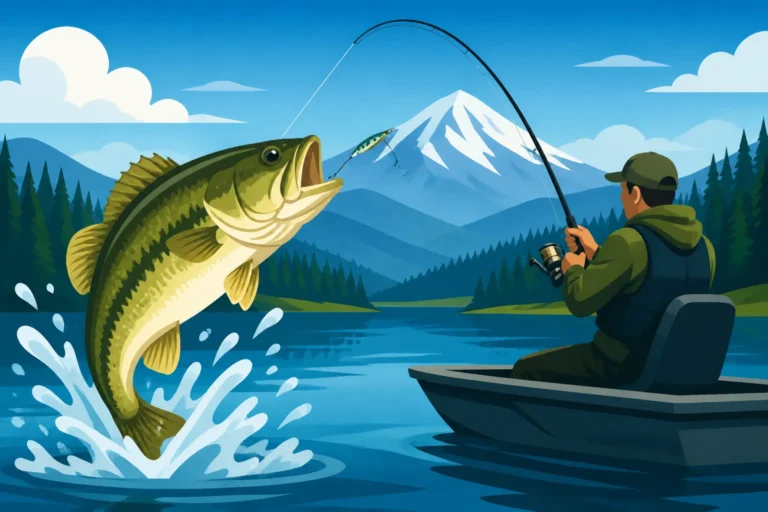
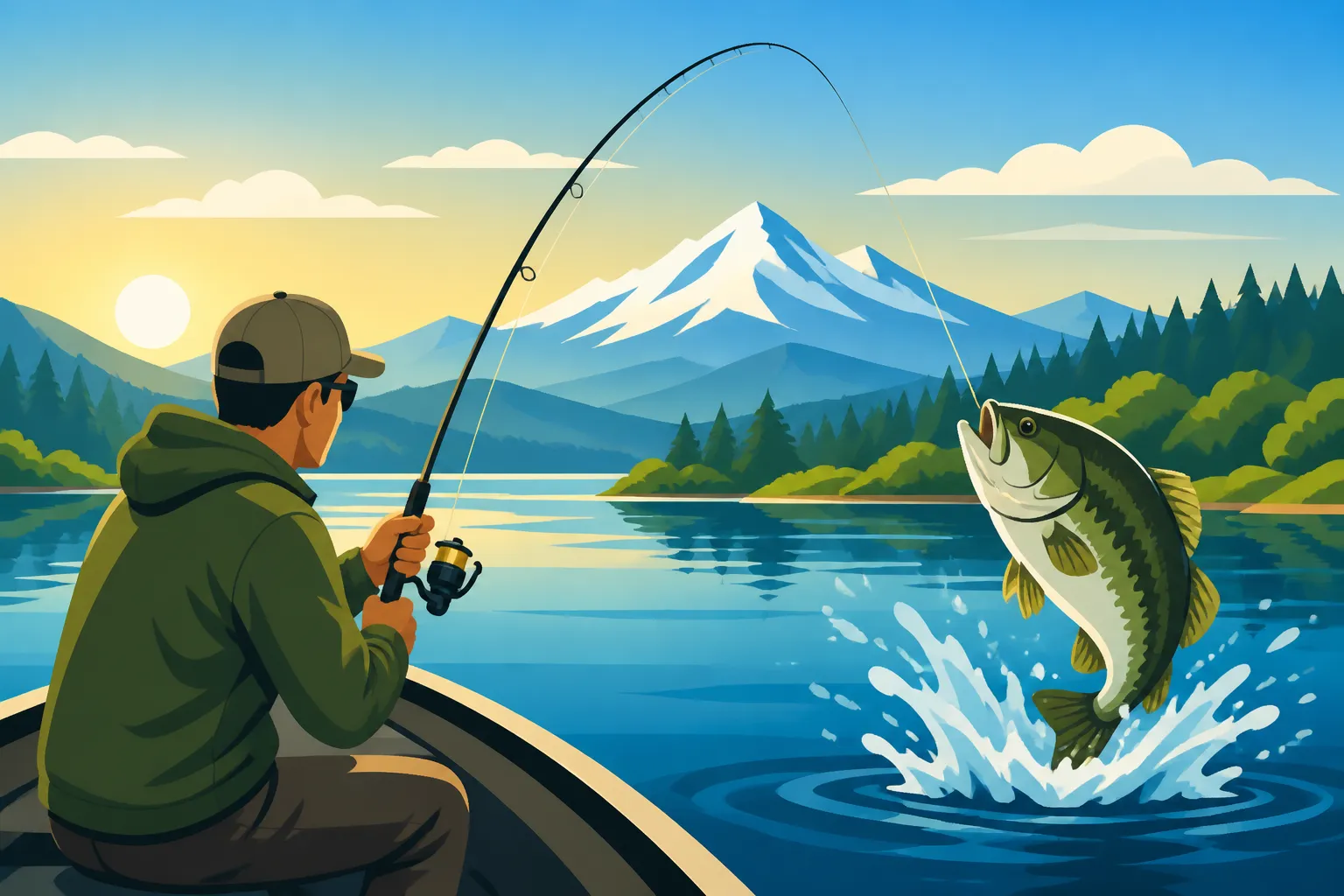
The undeniable king of Fern Ridge is the largemouth bass. These feisty fighters are present in impressive numbers and sizes, often hiding out in the submerged timber, weed lines, and around structural features like boat docks and old roadbeds. Catching a lunker bass from Fern Ridge is a real possibility, and many local tournaments are held here for that very reason. Beyond bass, crappie are another huge draw, especially in spring. They gather in large schools, and when you find them, the action can be fast and furious. Bluegill and other panfish are also abundant, offering excellent light-tackle fun, especially for families and younger anglers.
Beyond the panfish, you’ll also find substantial populations of brown bullhead catfish and, increasingly, walleye. Walleye are a relatively newer species to Fern Ridge, but they've established a strong foothold and offer a unique challenge for those willing to pursue them. The presence of such a variety of species means that whether you're into aggressive topwater strikes, subtle panfish bites, or battling a hard-fighting catfish, Fern Ridge has something to offer. It's a fantastic spot to diversify your angling skills and experience the thrill of different kinds of catches. If you’re interested in exploring other diverse fisheries in the state, our comprehensive Oregon Warmwater Fish Species guide can give you a broader overview of what else is out there.
Prime Fishing Spots and Access Points at Fern Ridge
Successfully fishing Fern Ridge Reservoir isn't just about knowing what fish are there; it's about knowing where they are and how to get to them. With its vast size and constantly changing water levels, navigating the reservoir can be tricky. However, several well-known access points and general areas tend to be productive throughout the year, each offering different advantages for various fishing styles.
Boat-Friendly Zones and Launches
For serious bass, crappie, or walleye anglers, a boat is often key to unlocking the full potential of Fern Ridge. The ability to cover water, access submerged timber, and reach deeper channels away from the bank significantly increases your chances of success. Thankfully, Fern Ridge has several excellent boat launches, making it accessible for everything from small kayaks and pontoons to larger bass boats.
The two main access points for boaters are the Perkins Peninsula Park and Orrion Unit Recreation Area. Perkins Peninsula, located on the northern side of the reservoir, offers concrete boat ramps, ample parking, and often provides quick access to popular fishing grounds, particularly those with submerged trees and old creek channels. Orrion Unit, on the reservoir's southern side, also features good launch facilities and can be a gateway to different parts of the reservoir, especially if you're trying to target specific areas or follow fish migrations. It's always wise to check current water levels before heading out, as extremely low water can sometimes make launching challenging for larger boats. You can often find real-time information from the U.S. Army Corps of Engineers or local bait shops. If you're planning a trip and need a quick overview of options, platforms like FishingBooker can sometimes offer insights into local guides or boat rentals that might operate on or near such reservoirs, providing a good starting point for your research.
Once on the water, many anglers focus their efforts on the western and northern arms of the reservoir, which tend to have more structure. Look for areas with dense submerged trees, old roadbeds, and creek channels that wind through the basin. Electronic fish finders are invaluable here, helping you pinpoint these underwater features and locate schools of fish, especially crappie or walleye suspended over deeper water or bass tucked into cover. Navigating through the standing timber can be slow and requires attention, but it's often where the biggest fish hide.
Best Bank Fishing Locations for All Skill Levels
Even without a boat, Fern Ridge offers some fantastic bank fishing opportunities, especially for those targeting panfish, smaller bass, or catfish. These spots are usually concentrated around the developed recreation areas, which offer easier access and often have cleared shorelines or docks.
Perkins Peninsula Park isn't just for boats; it also offers excellent bank fishing, particularly around the day-use areas and designated fishing docks. The submerged structure often extends close to shore here, giving bank anglers a chance to cast into productive water. Another popular spot for bank anglers is Richardson Park, located on the reservoir's eastern side. Richardson boasts camping facilities, swimming areas, and easy access to the water's edge. Here, you can find a mix of open shoreline and some areas with more cover, perfect for casting jigs, worms, or small crankbaits. For those who want to explore beyond the main parks, there are numerous smaller access points and pull-offs along the perimeter of the reservoir, particularly during higher water levels. These can be great for finding quieter spots and targeting less pressured fish, though they may require a bit more walking and exploration.
When fishing from the bank, pay close attention to any visible structure – fallen logs, overhanging trees, culverts, or rock piles. These are natural magnets for bass and panfish. Simple setups with bobbers and worms work wonders for bluegill and crappie, while Texas-rigged worms or spinnerbaits cast parallel to the shore can entice hungry largemouth bass. Early mornings and late evenings often yield the best results for bank anglers, especially in warmer months when fish move closer to shore to feed. Our guide on How to Catch Largemouth Bass in Oregon lakes offers more in-depth strategies that are highly applicable here.
Navigating Seasonal Water Level Changes
Perhaps the biggest challenge and opportunity at Fern Ridge is its dramatic seasonal water level fluctuations. As mentioned, the reservoir is typically drawn down from late summer through fall and winter, then refills in spring. This cycle profoundly impacts fishing strategies and access. During the drawdown periods, large areas of the reservoir become dry land, concentrating fish into the remaining deeper channels and pools. This can be a boon for anglers who know where these deep spots are, as fish are more easily located. However, it also means that many shallow, productive areas become inaccessible, and launches can become unusable.
Conversely, during high water in spring and early summer, the reservoir expands dramatically, flooding acres of vegetation and timber. This provides an incredible amount of new cover and feeding grounds for fish, especially bass, which move into these newly flooded areas to spawn and feed. While this can disperse the fish over a wider area, it also creates prime shallow water habitat for sight fishing or targeting fish with topwater lures.
The key to navigating these changes is to stay informed. Check the U.S. Army Corps of Engineers website for current and projected water levels. Local bait shops in Eugene or Veneta are also invaluable resources; the folks working there often have up-to-the-minute reports on what's biting and where, given the current conditions. Adaptability is your best friend: if the water is low, focus on creek channels and deeper drop-offs; if it's high, explore the newly flooded timber and vegetation edges. This constant adaptation is part of the fun and challenge of Fern Ridge, ensuring no two fishing trips are exactly alike.
Targeting Fern Ridge's Most Popular Fish Species
Fern Ridge Reservoir is a warmwater angler's paradise, offering a fantastic opportunity to chase species that thrive in its dynamic environment. Each species presents its own unique challenge and requires specific tactics to consistently find and catch them. Let's dive into how you can effectively target the reservoir's most popular inhabitants.
Mastering Largemouth Bass Fishing
Largemouth bass are the stars of Fern Ridge. They're aggressive, plentiful, and can grow to impressive sizes, making them a top target for many anglers. These fish love structure, and Fern Ridge offers it in spades, from vast expanses of submerged timber to weed lines that develop in warmer months.
In spring, as water temperatures rise, largemouth bass will move into shallower, newly flooded areas to spawn. This is a prime time for sight fishing with soft plastics like wacky-rigged Senkos or jigs pitched into cover. Look for sunny, protected coves and backwater areas where fish might be on beds. As summer progresses and water temperatures climb, bass often retreat to deeper, cooler water during the heat of the day, moving to the edges of creek channels, deeper weed lines, and dense submerged timber. Crankbaits, deep-diving jerkbaits, and Carolina-rigged plastics are excellent choices for probing these deeper zones. Early mornings and late evenings, however, can bring them back to the shallows, making topwater lures like frogs, poppers, and buzzbaits incredibly exciting.
Fall fishing for largemouth is also fantastic as they aggressively feed before the winter drawdown. They’ll often be found near deeper drop-offs adjacent to shallower flats. Spinnerbaits, swim jigs, and Texas-rigged worms are perennial favorites. The sheer amount of underwater wood in Fern Ridge means that weedless presentations are often a necessity to avoid constant snags. Many anglers develop a specific cadence and technique for working lures through the thick timber, understanding that patience and a strong backbone are key to extracting these fish from their woody fortresses. Our dedicated Oregon Bass Fishing Guide provides a wealth of information that can be applied directly to Fern Ridge.
Techniques for Crappie and Panfish
Crappie are another major draw at Fern Ridge, especially for those who enjoy a productive day with a cooler full of delicious fillets. These schooling fish can provide incredible action, and once you find them, you can often catch several in short order. Along with crappie, bluegill and other sunfish offer endless fun, particularly for beginners and families.
Spring is unequivocally the best time for crappie fishing at Fern Ridge. As the water warms, large schools move into shallow, brushy areas to spawn. Look for them around submerged brush piles, standing timber, and weed edges in 3-10 feet of water. Small jigs, typically 1/32 to 1/16 ounce, tipped with a small plastic grub or a live minnow under a bobber, are deadly effective. Crappie have a soft mouth, so a gentle hook set and light tackle are essential. During the summer, crappie tend to move to deeper water, often suspending over old creek channels or congregating around large submerged timber structures. Vertical jigging or slow trolling with small jigs or minnows can be effective in these deeper areas. A good fish finder is invaluable for locating these suspended schools.
Bluegill and other panfish are almost always cooperative. They can be found in similar habitats to crappie but are often even more willing to bite. A simple setup with a bobber, a small hook, and a piece of worm, corn, or a tiny jig is all you need. Focus on areas with cover like docks, submerged logs, or weed beds. They offer consistent action and are perfect for introducing children to the joys of fishing. For more detailed advice on these smaller but mighty fighters, check out our Oregon Panfish Guide and How to fish for crappie in Oregon reservoirs.
Unlocking the Walleye and Catfish Potential
While largemouth and crappie tend to get the most attention, Fern Ridge also harbors healthy populations of walleye and catfish, offering a different kind of angling experience. These species are often overlooked but can provide rewarding catches for those willing to learn their habits.
Walleye, known for their elusive nature and excellent table fare, have established themselves in Fern Ridge. They are typically light-sensitive and often prefer deeper, murkier water or low-light conditions. Early mornings, evenings, and even night fishing can be highly productive for walleye. They tend to hang around the deeper creek channels, humps, and areas with submerged timber. Trolling with crankbaits or spinner-and-worm rigs is a popular and effective method for covering water and finding walleye. Jigging with blade baits or soft plastics along drop-offs can also yield results. Walleye have keen eyesight, so line stealth (fluorocarbon leaders) and precise lure presentation are often key.
Brown bullhead catfish are abundant throughout Fern Ridge and are a fantastic target, especially during warmer months. They are less picky eaters and can be caught day or night, though they are often more active after dusk. Catfish are scavengers and are drawn to strong scents. Worms, chicken livers, stink baits, and even hot dogs are excellent bait choices. They can be found almost anywhere in the reservoir, but focusing on deeper holes in creek channels, around submerged timber, and along the mud flats can be particularly productive. A simple bottom rig with a sinker and a bait-laden hook is usually all you need. Catfish can grow to respectable sizes in Fern Ridge, offering a strong fight and providing delicious fillets. For a deeper dive into targeting these whiskered wonders, our Oregon Catfish Guide has all the details you’ll need.
Essential Gear and Techniques for Fern Ridge Success
Having the right gear and understanding effective techniques are crucial for a successful day of fishing at Fern Ridge Reservoir. The diverse species and varied conditions demand a versatile approach. It's not just about having a rod; it's about having the right rod and knowing how to use it effectively in this unique environment.
Rods, Reels, and Line Recommendations
Given the variety of fish and fishing styles at Fern Ridge, it’s wise to have a few different setups, or at least a versatile combo.
For largemouth bass, a medium-heavy action casting rod (6'6" to 7'6") paired with a baitcasting reel is ideal. This setup provides the backbone needed to pull bass out of heavy cover and accurately cast heavier lures like jigs, spinnerbaits, and Texas-rigged worms. Spool your baitcaster with 15-20 pound fluorocarbon or braided line with a fluorocarbon leader. The braid offers excellent sensitivity and strength for thick vegetation, while fluorocarbon is virtually invisible underwater and has great abrasion resistance, which is vital around submerged timber.
For crappie and panfish, a light or ultralight spinning rod (5'6" to 7'0") with a small spinning reel is perfect. This allows for delicate presentations of small jigs and baits, and the lighter action protects light lines from snapping. Pair this with 4-6 pound monofilament or light braided line. Monofilament offers a bit of stretch, which can be forgiving for crappie's soft mouths, while braid provides superior sensitivity for detecting subtle bites.
If you're targeting walleye or catfish, a medium-action spinning or casting rod (6'6" to 7'0") is a good all-around choice. This provides enough power for heavier baits and larger fish, while still offering decent sensitivity. Spool your reel with 8-12 pound monofilament or a braided line with a fluorocarbon leader. Monofilament is a classic choice for trolling crankbaits, while braid with a leader excels for jigging.
Having a selection of these setups or at least one versatile medium-light spinning combo can cover most of your bases at Fern Ridge. Remember, the submerged timber is a real factor, so don't skimp on line strength or leaders, especially when going after bass or walleye in dense areas.
Baits, Lures, and Presentation Strategies
The right bait or lure, presented correctly, can make all the difference. Here’s a breakdown of what works best at Fern Ridge:
-
For Largemouth Bass:
- Soft Plastics: Texas-rigged worms (e.g., Zoom Trick Worms, Berkley PowerBait worms) and creature baits are outstanding for pitching into thick cover. Wacky-rigged Senkos are also incredibly effective around weed lines and docks.
- Jigs: Flipping jigs and swim jigs in various colors (black and blue, green pumpkin) are excellent for probing submerged timber and grass.
- Crankbaits: Squarebill crankbaits for shallower cover and deep-diving crankbaits for probing deeper drop-offs are essential.
- Spinnerbaits & Chatterbaits: Great for covering water and drawing reaction strikes, especially around submerged brush.
- Topwater Lures: Frogs, poppers, and buzzbaits provide thrilling action in low light or over matted vegetation.
The key presentation for bass is often slow and methodical, allowing your lure to spend maximum time in the strike zone, especially when fishing around the dense timber.
-
For Crappie and Panfish:
- Jigs: Small 1/32 to 1/16 ounce tube jigs, curly tail grubs, or crappie minnow plastics are extremely effective, often fished under a bobber.
- Live Bait: Small minnows are deadly for crappie, while worms (nightcrawlers, red worms) are irresistible to bluegill and other sunfish.
- Tiny Spinners: Micro spinners can also entice panfish, especially in clearer water.
Presentation usually involves suspending the bait or jig at the depth where fish are holding, or slowly retrieving small jigs through schools.
-
For Walleye and Catfish:
- Walleye: Trolling deep-diving crankbaits (e.g., Rapala Shad Raps, Berkley Flicker Shads) in natural baitfish colors is popular. Jigging with blade baits (e.g., Heddon Sonar) or soft plastic paddletails along contour lines can also be very productive. Live nightcrawlers on a spinner rig (worm harness) are also classic walleye producers.
- Catfish: Nightcrawlers, chicken livers, shrimp, or commercially prepared stink baits fished on the bottom with a simple Carolina rig or three-way swivel rig are highly effective.
For walleye, a slow, steady presentation is often best. For catfish, simply letting your bait soak on the bottom in a promising location is key.
Remember, Fern Ridge's water can have varying clarity, so carrying a range of lure colors from natural to bright can help you adapt. Always be prepared for snags, especially when fishing the timber, and consider using weedless hooks for soft plastics. You might also want to consult our comprehensive Oregon Bait and Lure Guide for more general advice that can be tailored to Fern Ridge’s offerings.
Reading the Water and Weather Patterns
Becoming proficient at Fern Ridge requires not just the right gear, but also the ability to "read" the water and understand how weather influences fish behavior.
Water Clarity and Color: The water in Fern Ridge can range from clear to stained or muddy, often depending on recent rainfall and seasonal conditions. Clearer water usually calls for more natural lure colors and stealthier presentations, while stained or muddy water often favors brighter colors, lures with more vibration, or baits with strong scents to help fish locate them.
Water Temperature: This is a crucial factor, especially for warmwater species.
- Spring: As water temps rise from the 40s into the 50s and 60s Fahrenheit, fish become more active and move shallower for spawning.
- Summer: In the 70s and 80s, fish often seek deeper, cooler water or shade during the day, becoming more active during low light.
- Fall: As temperatures drop from the 70s back into the 50s, fish go on a feeding frenzy before winter.
Weather Patterns:
- Overcast Skies/Light Rain: Often excellent for fishing, as it reduces light penetration, making fish more comfortable in shallower water throughout the day.
- Sunny Days: Fish tend to retreat to deeper water or dense cover during midday. Focus on shady areas, deep breaks, or early/late light.
- Cold Fronts: A sudden drop in temperature or a shift in barometric pressure can make fish sluggish and harder to catch. Often, downsizing lures and slowing down your presentation can help.
- Wind: A moderate chop on the water can actually improve fishing by breaking up the water's surface, making it harder for fish to see you and more comfortable for them to feed in the open. Wind can also concentrate baitfish and, in turn, predator fish along certain banks.
Learning to observe these factors and adjust your approach accordingly is what separates consistent anglers from those who merely hope for a bite. Keep a log of your trips – conditions, what you caught, and what worked – and you'll start to see patterns emerge that will inform your future Fern Ridge adventures.
Seasonal Strategies: Fishing Fern Ridge Year-Round
One of the most intriguing aspects of Fern Ridge Reservoir is how dramatically its fishing opportunities change with the seasons, largely due to its fluctuating water levels and the natural cycles of its warmwater inhabitants. Successful angling here means understanding and adapting to these shifts, rather than trying to force a single approach throughout the year. For a broader perspective on the best times to fish in the state, our Best Time of Year to Fish in Oregon guide is an excellent resource.
Springtime Spawn and Early Season Action
Spring at Fern Ridge Reservoir is a time of renewal and incredibly active fishing. As winter's chill recedes and the Willamette Valley begins to warm, the reservoir's water levels typically rise, often filling to capacity as snowmelt and spring rains feed its basin. This influx of water floods new vegetation, creating prime shallow-water habitat and triggering the spawning instincts of many species.
Largemouth bass move into these newly flooded areas, seeking out protected coves, shallow flats, and emergent vegetation to build nests and spawn. This is arguably the best time of year to target trophy bass. Anglers can often find fish visibly guarding beds, making sight fishing a thrilling experience. Tactics like pitching jigs, Texas-rigged soft plastics (worms, craws), or even shallow crankbaits into the new cover are highly effective. The key is to work these lures slowly, often letting them sit for extended periods near suspected bass hideouts.
Crappie also become incredibly active in spring, migrating en masse into shallow, brushy areas to spawn. They school up tightly, and when you find a school, the action can be phenomenal. Look for them around submerged brush piles, old timber, and newly flooded willow bushes in depths ranging from 3 to 10 feet. Small jigs (1/32 to 1/16 ounce) tipped with a soft plastic grub or a live minnow, fished under a sensitive bobber, are deadly. It's not uncommon to catch dozens of crappie in a single outing during this time. Bluegill and other panfish are also very active and accessible from the bank, providing excellent opportunities for family outings. The warming water means fish are feeding aggressively after a slower winter, making spring an absolute must-fish season at Fern Ridge.
Summer Heat and Deep Water Tactics
As summer fully sets in and water temperatures soar, Fern Ridge transforms. The reservoir often begins its slow draw-down process, and the fish adapt to the increased heat and sometimes receding water. While some anglers might find the fishing tougher in mid-day, smart strategies can still yield impressive catches.
During the peak heat of summer, largemouth bass will often retreat from the scorching sun and seek refuge in deeper, cooler water or dense, shady cover. This means targeting the edges of creek channels, deeper submerged timber, and the shaded sides of structures like boat docks or ledges. Deep-diving crankbaits, Carolina-rigged plastics, and heavy jigs become essential tools for probing these deeper zones. Early mornings and late evenings, or even night fishing, can be prime times for bass to move back into shallower feeding areas, making topwater lures effective once again.
Crappie in summer tend to suspend over deeper water, often congregating around large, isolated submerged timber structures or along the thermocline if one forms. A good fish finder is invaluable for locating these schools. Vertical jigging with small jigs or minnows directly over the suspended fish, or slow trolling with small crankbaits, are productive methods. Catfish really come alive in the summer heat, becoming very active throughout the day and night. They're often found in deeper holes or along mud flats and are readily caught on cut bait, worms, or stink baits fished on the bottom. Summer requires more patience and often a willingness to fish during low-light hours or explore deeper water, but the rewards can be substantial.
Fall Turnover and Pre-Winter Feeding Frenzy
Fall is another fantastic season for fishing Fern Ridge, often presenting a "second spring" in terms of fish activity before the full winter drawdown. As air and water temperatures begin to cool, and the reservoir continues its draw-down, fish become highly active, aggressively feeding in preparation for the leaner winter months.
The fall turnover, a process where the surface water cools and mixes with deeper water, redistributes oxygen and nutrients, often kickstarting fish activity. Largemouth bass will move back to shallower depths, especially along the edges of the receding water line and around prominent points and submerged timber that become more exposed. This is a great time for spinnerbaits, swim jigs, and crankbaits, as bass are actively chasing baitfish. The draw-down can also concentrate baitfish, and thus predator fish, into smaller areas, making them easier to locate.
Crappie fishing can also be excellent in fall, as schools become more concentrated due to the receding water. They'll often be found in the remaining brush piles and timber in deeper parts of the reservoir. Jigging and slow trolling with minnows or small jigs continue to be effective. Walleye are also very active in the fall, often feeding heavily on baitfish. Trolling crankbaits along the deeper channels and points, particularly during low light, can be highly productive. As the water continues to drop and winter approaches, the fish will eventually move into their deepest wintering grounds, but the early to mid-fall period offers some of the most consistent and exciting action of the year at Fern Ridge.
Beyond the Catch: Important Considerations for Anglers
While the thrill of the catch is a huge part of fishing, being a responsible and well-informed angler means understanding the rules, practicing good conservation, and generally being a good steward of our natural resources. Fern Ridge Reservoir, like all public waters in Oregon, has specific guidelines you need to follow.
Understanding Oregon Regulations Specific to Fern Ridge
Navigating fishing regulations can sometimes feel like solving a complex puzzle, but it's absolutely critical for legal and ethical angling. The Oregon Department of Fish and Wildlife (ODFW) sets the rules, and they can vary significantly by water body. For Fern Ridge Reservoir, the general Oregon angling regulations apply, but there are often specific rules regarding bag limits, size restrictions, and seasons for certain species.
First and foremost, you must have a valid Oregon Fishing License Guide. This applies to nearly everyone over the age of 11. Even if you're just doing catch-and-release, the license is required. You can purchase these online through the ODFW website, at most sporting goods stores like Cabela's or Bi-Mart, and even some local general stores. Make sure you understand the specific type of license you need – whether it's an annual resident or non-resident, or a daily/multi-day option. For younger anglers, it's worth noting the Oregon Fishing License Age Requirements to ensure everyone in your party is compliant.
For Fern Ridge specifically, pay close attention to the warmwater game fish regulations. These typically include bag limits for species like largemouth bass, crappie, bluegill, and catfish. While some species, like smallmouth bass in certain parts of Oregon, might have liberal or no bag limits to encourage their removal, largemouth in Fern Ridge often have specific daily and possession limits. Always consult the most current ODFW Sport Fishing Regulations booklet, available online or at license vendors, before you head out. These regulations are updated annually, so don't rely on last year's information. It's your responsibility as an angler to know and follow these rules. Ignoring them can lead to hefty fines and loss of fishing privileges, which nobody wants!
Conservation and Responsible Angling Practices
As anglers, we have a vital role to play in preserving the health of Fern Ridge Reservoir and its fisheries for future generations. Responsible angling goes beyond just following the rules; it's about making conscious choices that minimize our impact and support the ecosystem.
Catch and Release Best Practices: While you might keep some fish for dinner, many anglers at Fern Ridge, particularly bass enthusiasts, practice catch and release. If you're releasing fish, especially larger breeding stock, handle them with care. Minimize their time out of water, use wet hands when handling, and support their body weight. Consider using barbless hooks, which make release easier and reduce injury to the fish. Also, avoid stressing fish excessively during warm water periods, as their chances of survival after release decrease dramatically.
Protecting the Habitat: Fern Ridge's submerged timber is both a habitat and a challenge. Try to retrieve snagged lures if possible to prevent them from becoming future hazards for fish and wildlife. Dispose of all trash properly – pack it in, pack it out. This includes fishing line, bait containers, and any other litter. Monofilament fishing line, in particular, can be incredibly damaging to wildlife if left in the environment.
Preventing the Spread of Invasive Species: Invasive species pose a significant threat to Oregon's aquatic ecosystems. Always clean, drain, and dry your boat, trailer, and fishing gear before moving between different water bodies. This helps prevent the transfer of aquatic invasive species like New Zealand mudsnails or quagga mussels. Even tiny fragments of plants or small organisms can cause huge problems. Be vigilant and do your part to protect Oregon's beautiful, diverse waters.
By understanding and adhering to regulations, practicing careful catch and release, and maintaining a clean environment, we can all ensure that Fern Ridge Reservoir remains a vibrant and productive fishing destination for years to come. Remember, we're not just taking from the resource; we're part of its ongoing health.
Disclaimer
Fishing conditions and regulations in Oregon can change frequently due to environmental factors, fish populations, and management decisions. Always consult the latest Oregon Department of Fish and Wildlife (ODFW) regulations before planning any fishing trip. This guide is for informational purposes only and should not be considered a substitute for official ODFW publications or on-site expert advice.