Where is Buoy 10 on the Columbia River
Trying to navigate the vast expanse of the Columbia River, especially when you're targeting a specific, legendary fishing spot like "Buoy 10," can feel like searching for a needle in a very large, fast-moving haystack. It's not just a single buoy; it's an entire zone that lights up with incredible salmon fishing opportunities each year. This guide is here to untangle the confusion, pinpoint exactly where Buoy 10 is, and equip you with the knowledge to confidently approach this iconic Oregon fishing destination.
Pinpointing Buoy 10's Location on the Columbia River
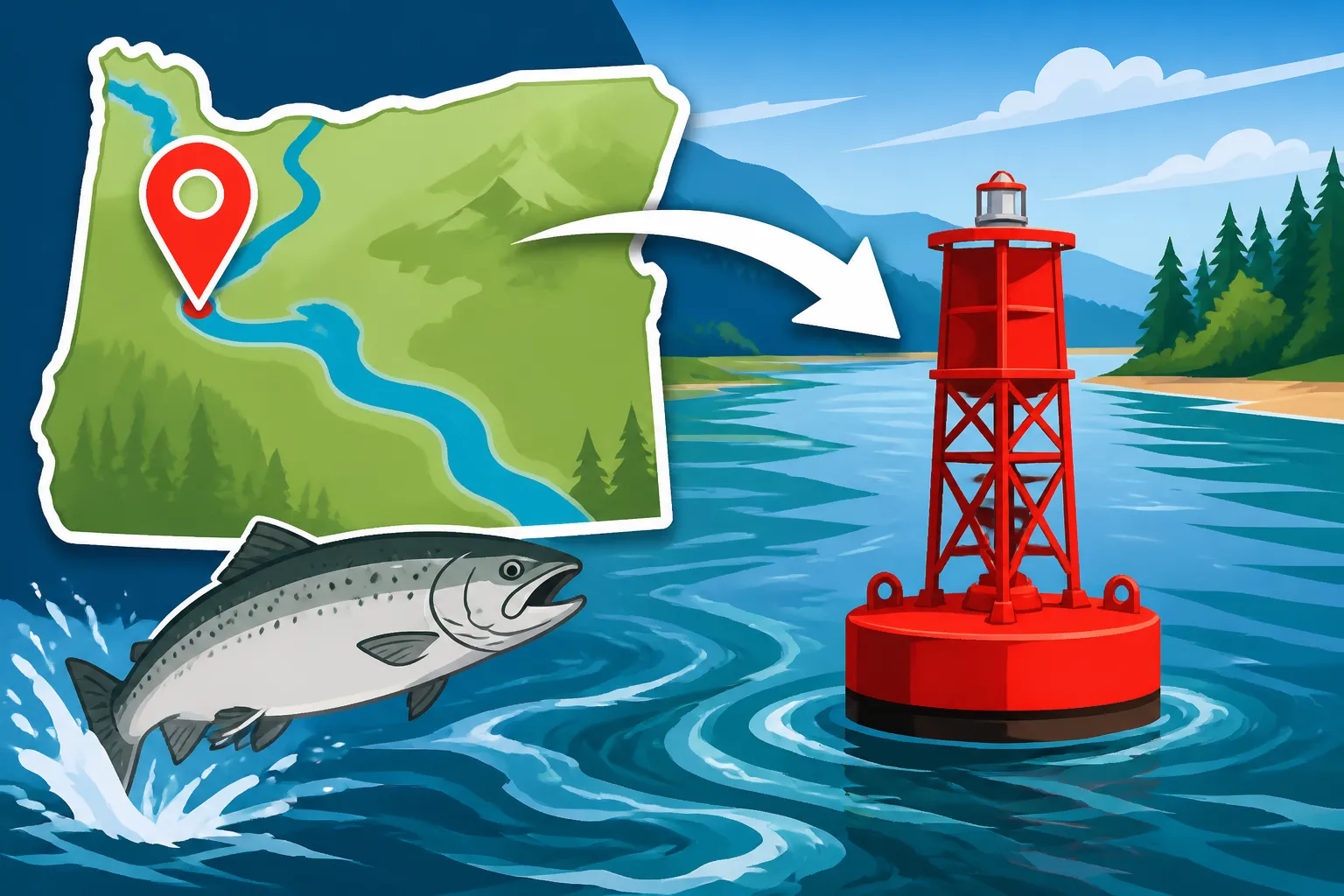
When anglers talk about "Buoy 10," they're not referring to a single, solitary buoy bobbing in the water. Instead, it's the widely recognized moniker for a highly productive fishing zone at the very mouth of the Columbia River. This area is a bottleneck for migrating salmon and steelhead making their way upstream, making it a hotspot for anglers from all over the Pacific Northwest and beyond. Understanding its precise location is key to planning your trip and navigating the often-challenging waters.
Geographical Coordinates and Navigational Markers
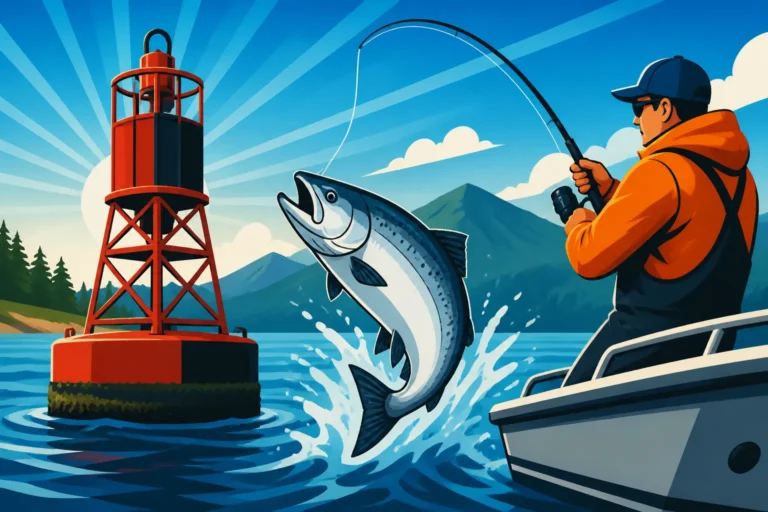
The Buoy 10 fishery officially begins at a line drawn from the most westerly point of the Hammond North Jetty (on the Oregon side) due north to the Ilwaco North Jetty (on the Washington side). This imaginary line is often referred to as the "Buoy 10 Line." The "Buoy 10" itself is a navigational buoy, specifically known as Buoy 10 (or sometimes "Columbia River Entrance Lighted Bell Buoy 10"), which is actually positioned outside this fishing line, further out in the Pacific Ocean, marking the entrance to the Columbia River shipping channel. So, while the buoy exists, the fishery's name is more about its proximity to this critical navigational marker and the general area it defines.
Practically speaking, the most intense fishing action typically occurs inside the jetties, upstream from that Hammond-Ilwaco line. This means you'll be fishing in the lower Columbia River estuary, between the two states. You'll often find anglers concentrated near the prominent Astoria-Megler Bridge, stretching eastward upriver for several miles, and also closer to the jetties, depending on the tide, bait, and fish movement. It’s a busy place, with numerous boats jockeying for position, so knowing your general bearings, along with understanding maritime rules of the road, is incredibly important. The city of Astoria, Oregon, sits directly on the south bank of this prime fishing territory, acting as a natural hub for all things Buoy 10 related.
Defining the "Buoy 10 Fishery" Boundaries
The official boundaries for the Buoy 10 fishery are clearly defined by the Oregon Department of Fish and Wildlife (ODFW) and the Washington Department of Fish and Wildlife (WDFW), as these waters are shared. This is crucial because regulations can change, and fishing outside the legal boundary can lead to severe penalties. Typically, the boundary extends from that imaginary line mentioned before (Hammond North Jetty to Ilwaco North Jetty) upstream to a line crossing the Columbia River at Tongue Point (Oregon) and Rocky Point (Washington), which is roughly four to five miles upstream from the Astoria-Megler Bridge.
Within this designated zone, special regulations often apply regarding species, bag limits, and even gear restrictions, especially during the peak fall Chinook salmon run. It’s absolutely essential to consult the latest Oregon Fishing Regulations Explained and Washington regulations before heading out, as these can be updated yearly, sometimes even mid-season, based on fish returns and conservation goals. This area is unique because it's where the mighty Columbia River meets the Pacific Ocean, creating a complex mix of fresh and saltwater, and powerful tidal currents that directly influence how fish behave and where they hold.
The Significance of Astoria, Oregon
Astoria, Oregon, is much more than just a quaint coastal town; it's the undisputed nerve center for the Buoy 10 fishery. This historic port city, situated right on the south bank of the Columbia, offers unparalleled access and amenities for anglers flocking to the area. From Astoria's numerous boat ramps to its well-stocked tackle shops, it's designed to cater to the fishing crowd. You'll find a buzzing atmosphere during late summer and early fall, with anglers discussing tactics, sharing stories, and preparing for their next outing.
Many guides and charters operate directly out of Astoria, making it a convenient base for those without their own boats or who prefer a guided experience. Local businesses, bait shops like Englund Marine, and restaurants all embrace the fishing culture, offering services and advice tailored to Buoy 10 anglers. It’s also where you'll find the closest official ODFW check stations, which are important for data collection and sometimes mandatory for reporting specific catches. If you're planning a trip to fish Buoy 10, chances are you'll be spending a fair bit of time in and around Astoria.
Why Buoy 10 is an Iconic Oregon Fishing Destination
Buoy 10 isn't famous by accident. Its reputation as one of the Pacific Northwest's premier salmon fisheries is hard-earned, built on the incredible abundance of migrating fish that funnel through its waters. Anglers travel far and wide to experience the thrill of hooking into a powerful Chinook or Coho salmon in this dynamic environment.
Salmon Migration and Abundance
The primary reason for Buoy 10's legendary status is its strategic location at the mouth of the Columbia River, which serves as the migration highway for millions of salmon and steelhead returning to spawn in the vast Columbia River Basin. Every year, particularly in late summer and early fall, massive runs of Chinook (King) and Coho (Silver) salmon, along with some steelhead, enter the Columbia from the Pacific. Buoy 10 is the very first significant gauntlet they must run.
As these fish transition from the ocean into the estuarial waters, they tend to mill about, adapting to the change in salinity and waiting for favorable tides and river conditions to continue their journey upstream. This staging behavior creates a dense concentration of fish, making them more accessible to anglers. It's not uncommon for boats to hook into multiple fish during a good tide, creating a fast-paced, adrenaline-filled fishing experience that keeps anglers coming back year after year. The sheer volume of fish can be astounding, with the water often boiling with activity on peak days.
Prime Seasonality for Anglers
While some fish species are present year-round in the lower Columbia, the true "Buoy 10 season" refers specifically to the late summer and early fall fishery, predominantly from late July through September. This is when the main push of fall Chinook and Coho salmon enters the river. The exact timing can vary slightly each year based on water temperatures, ocean conditions, and individual run timing, but generally, the action heats up around August 1st and can remain strong well into September. For more detailed information on when to target these fish, check out our guide on Fall Chinook Season Timing on the Columbia.
During this window, specific fishing dates and limits are set for different species, and it's not uncommon for the fishery to open and close quickly for certain salmon species based on quotas. It's a sprint, not a marathon, and anglers need to be ready to go when the bite is on. The energy on the water during these peak times is palpable – a true spectacle of boats, rods, and excited anglers.
The Thrill and Challenge of the Fishery
Fishing Buoy 10 is an experience unlike any other. It’s a place of incredible potential for trophy fish, but it’s also undeniably challenging. The Columbia River here is a powerful body of water, with strong tidal exchanges dictating when and how you can effectively fish. You're dealing with ocean-run fish that are at their prime: strong, aggressive, and often large. Hooking a 20-30 pound Chinook in a swift current is a battle you won't soon forget.
The challenge also comes from the sheer number of anglers. During peak weekends, you can see hundreds, even thousands, of boats on the water. This requires not only good fishing skill but also excellent boat handling, a keen understanding of river etiquette, and patience. It's a place where local knowledge and experience truly pay off, which is why many anglers opt for a guided trip, at least for their first few times. The combination of potentially massive fish, breathtaking scenery, and the camaraderie of a shared passion makes Buoy 10 a bucket-list destination for many anglers.
Navigating and Accessing the Buoy 10 Area
Getting out on the water at Buoy 10 requires careful planning, whether you’re launching your own boat or hopping aboard a charter. The dynamic nature of the Columbia River estuary means you need to be aware of tides, currents, and available access points.
Best Boat Ramps and Launch Points
For those bringing their own boats, there are several excellent launch points in and around Astoria, as well as on the Washington side. On the Oregon side, the East Mooring Basin in Astoria is a popular choice, offering multiple ramps and ample parking. It's right in the heart of the action, close to bait shops and supplies. Another good option is Hammond Marina, just a short drive west of Astoria, which provides direct access to the lower end of the fishery, closer to the jetties. This is often a preferred spot for anglers looking to hit the earliest fish coming in.
On the Washington side, Ilwaco Harbor is the main launch point. This bustling harbor caters to both ocean charters and private boats, putting you on the north side of the Columbia River mouth. Choosing your launch point often depends on where you plan to fish, current conditions, and how early you want to get on the water to beat the rush. Knowing the best boat ramps on the lower Columbia River can save you a lot of time and frustration, especially on busy mornings. Always arrive early, especially on weekends, as these ramps fill up quickly during peak season.
Understanding Tides, Currents, and Hazards
Successfully fishing Buoy 10 is intricately tied to understanding the tides. The ocean's influence here is immense, creating strong incoming (flood) and outgoing (ebb) currents that can dramatically affect fish behavior and boat positioning. Most anglers prefer to fish the outgoing tide (ebb) as it pulls fish out of the river mouth, concentrating them and often triggering a feeding frenzy. However, fishing can be productive on the incoming tide too, especially closer to the jetties.
Currents can be incredibly powerful, especially around the major tide swings, making boat control challenging. You'll often be trolling against the current at specific speeds, which requires a good motor and attentive boat handling. Navigation can also be tricky due to shipping traffic – massive cargo ships and fishing vessels regularly use the channel. Always monitor marine radio channels and keep a vigilant lookout. Sandbars and shallow areas are also prevalent, so a good chart plotter and knowledge of the river bottom are essential to avoid running aground. Weather can also change rapidly, transforming a calm morning into a windy, choppy afternoon, so always check the forecast.
Charter and Guide Services for Buoy 10
If you're new to the area, don't own a boat, or simply want to maximize your chances of success, hiring a local guide or booking a charter is an excellent option. These experienced professionals know the river like the back of their hand, understanding the nuances of tides, fish movements, and the most effective techniques for the day. Many reputable Oregon Fishing Guide Services specialize in Buoy 10, offering both shared and private trips. They'll provide all the necessary gear, bait, and most importantly, their invaluable expertise.
You can often find and book these services through platforms like FishingBooker, which provides a convenient way to browse available charters, compare prices, and read reviews from other anglers. A good guide will not only put you on fish but also teach you about the fishery, ensuring a safer and more enjoyable experience. While an Oregon Fishing License Guide is always required for each individual angler, some charters might help facilitate the purchase of any necessary tags or endorsements, such as the Columbia River Basin Endorsement, which is essential when fishing here. Booking a trip through FishingBooker or directly with a reputable local outfit like Astoria Fishing Charters can take a lot of the guesswork out of your first Buoy 10 adventure.
Essential Gear and Techniques for Buoy 10 Success
Buoy 10 is not a place for light tackle. You're targeting powerful, ocean-fresh salmon in strong currents, so robust gear and proven techniques are paramount.
Rods, Reels, and Line for Big Fish
For Buoy 10 salmon, you'll want a medium-heavy to heavy action salmon rod, typically in the 9 to 10.5-foot range. These rods offer the backbone needed to fight big fish and the length to handle longer leaders and troll effectively. Pair this with a high-quality baitcasting or level-wind reel, like a Shimano Tekota or Daiwa Sealine, spooled with 25-40 pound monofilament or braided mainline. Braided line offers sensitivity and strength, but many prefer mono for its stretch, which can act as a shock absorber against powerful headshakes.
Leader material is also critical. Fluorocarbon in the 20-30 pound test range is common for its abrasion resistance and invisibility underwater. Remember, these fish are strong, so don't skimp on quality gear. Having a reliable setup means you won't be heartbroken when that fish of a lifetime strikes.
Baits, Lures, and Trolling Setups
The most popular and effective technique at Buoy 10 is trolling. Anglers typically troll with the current, using various setups designed to present bait or lures enticingly. A common setup involves a "flasher" – a large, rotating blade that creates vibration and flash to attract fish – followed by a leader with either bait or a lure. For bait, cut-plug herring or anchovies are king. These are rigged to spin naturally in the water, mimicking an injured baitfish. Make sure you know how to cure salmon eggs for bait, or buy them pre-cured from a reputable tackle shop.
Popular lures include large spinners, spoons, and dive-and-rise plugs like a Brad's Killerfish or Kwikfish. Color patterns often vary with water clarity and light conditions, so having a selection is always a good idea. Weighted cannonballs or divers are used to get your offering down to the desired depth, which can be anywhere from 15 to 60 feet, depending on the tide and where the fish are holding. Many anglers will also utilize downriggers to precisely control their depth. For more on this, check out our guide on Oregon Salmon Fishing Techniques.
Critical Safety Equipment and Considerations
Safety on the Columbia River, especially in the Buoy 10 zone, cannot be overstated. The confluence of powerful currents, commercial shipping traffic, and numerous recreational boats creates a dynamic and potentially hazardous environment. Always ensure you have all required safety equipment aboard your vessel, including life jackets for every person (and children wearing them at all times), a marine radio, navigation lights, a horn or whistle, and a throw cushion or ring.
Beyond the legal requirements, it's wise to carry additional safety items like a first-aid kit, spare anchor, extra fuel, and flares. File a float plan with someone on shore, letting them know your intended fishing area and expected return time. Be mindful of changing weather conditions and strong currents; don't hesitate to cut your trip short if conditions become unsafe. Even if you're with a FishingBooker guide or another professional charter, it's good practice to be aware of your surroundings and the safety protocols. Staying safe ensures you can enjoy the incredible fishing for years to come.
Disclaimer
Please note that fishing regulations, seasons, and licensing requirements can change frequently. Always consult the latest official Oregon Department of Fish and Wildlife (ODFW) and Washington Department of Fish and Wildlife (WDFW) regulations before planning any fishing trip. This article is for informational purposes only and does not constitute legal advice or an endorsement of any specific product or service.