Oregon Fishing Charter Guide
For many anglers, the dream of hooking into a trophy salmon or battling a powerful steelhead in Oregon's breathtaking landscapes can feel overwhelming. Planning a trip, finding the right boat, figuring out the best techniques, and navigating regulations can quickly turn an exciting prospect into a headache. This comprehensive guide is designed to demystify the world of Oregon fishing charters and guided trips, helping you easily find the perfect adventure, whether you're a seasoned pro or bringing the whole family for their first cast.
Understanding Oregon's Diverse Waters and Fishing Opportunities
Oregon is a true angler's paradise, offering an incredible variety of fishing environments. From the rugged coastline where the Pacific Ocean teems with marine life to the pristine, powerful rivers carving through ancient forests, there's a fishing experience for everyone. This diversity means that selecting a charter isn't a one-size-fits-all decision; it’s about aligning your desires with what the waters naturally provide.
Coastal Charters: The Big Blue Experience
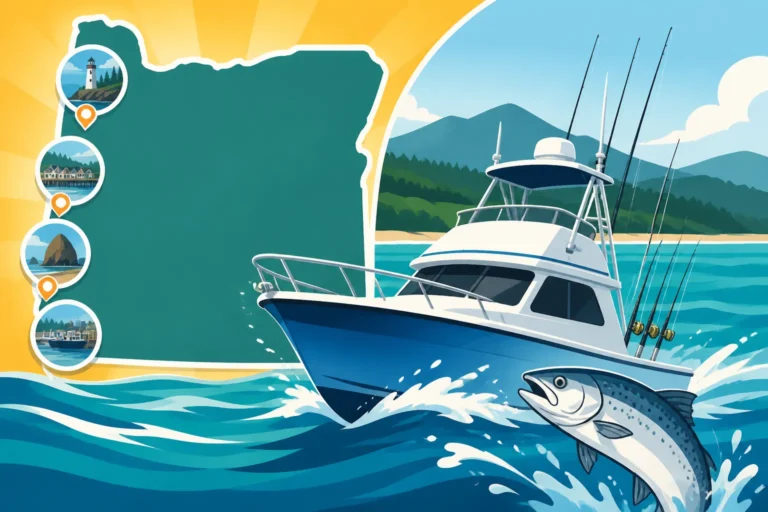
When people picture an Oregon fishing charter, often their mind goes straight to the vast, open ocean. And for good reason! The Oregon coast is a dynamic ecosystem, offering thrilling opportunities for bottom fishing, salmon trolling, and even exhilarating offshore tuna expeditions. Imagine heading out from a bustling port like Newport or Astoria, the salty air invigorating your senses as the boat cuts through the waves. These trips are typically focused on species like Chinook and Coho salmon when they're running, various rockfish species, lingcod, and of course, the prized Pacific halibut.
The deep blue waters of the Pacific present unique challenges and rewards. You're dealing with ocean swells, tides, and weather patterns that can change rapidly. Charters specializing in this environment are equipped with heavy-duty gear, marine electronics, and experienced captains who know the offshore reefs, wrecks, and feeding grounds like the back of their hand. It's an immersive experience that often yields substantial catches and unforgettable memories, especially for those seeking bigger game fish.
River Guide Trips: Inland Adventures
While the ocean beckons, Oregon's rivers offer an entirely different, yet equally captivating, guided fishing experience. These trips navigate the winding waterways, from the mighty Columbia River to smaller, intimate coastal streams. Here, the focus often shifts to salmon and steelhead runs, as well as native trout. A guided river trip is generally a more intimate affair, often in smaller drift boats or rafts, allowing access to prime fishing holes that bigger ocean charters can't reach.
Whether you're targeting a chrome-bright winter steelhead on the Wilson River or casting for spring Chinook on the Willamette, a river guide provides expert local knowledge of the currents, fish habits, and specific techniques like drift fishing or fly fishing. The scenery is often just as much a draw as the fish, with dense forests, towering canyons, and abundant wildlife providing a stunning backdrop to your angling efforts. These trips can range from a serene day floating down a scenic river to an intense battle with a powerful salmon in a whitewater section. It's a fantastic way to explore the heart of Oregon's natural beauty while pursuing some of its most iconic freshwater species.
Types of Oregon Fishing Charters: Matching Your Angling Dreams
With such a rich tapestry of fishing options in Oregon, it's crucial to understand the different types of charters available. Each offers a distinct experience tailored to specific species, environments, and angler preferences. Knowing what each entails will help you narrow down your choices and book the trip that perfectly matches your angling ambitions.
Ocean Fishing Charters: Deep Sea Thrills
Ocean charters are the quintessential "big boat" experience, often departing from one of Oregon's many coastal towns. These trips can range significantly in duration and target species.
Bottom Fishing for Rockfish and Lingcod
Perhaps the most consistent and accessible ocean fishing in Oregon is bottom fishing. These trips are fantastic for families or beginners, as they typically involve less specialized technique and often yield a good number of fish. Charters will take you to rocky reefs, submerged structures, and kelp beds where various species of rockfish (like black rockfish, vermilion rockfish, and yelloweye rockfish) and lingcod congregate. The action can be fast and furious, with multiple hook-ups possible. You'll often drop weighted jigs or baited hooks to the ocean floor, feeling for that tell-tale tug. Many charters run half-day or shorter trips for bottom fishing, making it a great option if you're prone to seasickness or have limited time. It's also a reliable option when salmon or halibut seasons are closed or slow.
Salmon Trolling: The Hunt for Kings and Silvers
When the salmon are running, ocean salmon charters become a prime attraction. These trips typically involve trolling, where the boat moves slowly, dragging multiple lines with various lures, flashers, and bait (like herring or anchovies) at specific depths. The goal is to cover a lot of water and entice these migrating anadromous fish. Targeting Chinook (King) salmon, known for their immense size and powerful fights, is a top priority, as is Coho (Silver) salmon, which are incredibly acrobatic. Oregon Salmon Species Guide can give you more insight into these magnificent fish. These charters require patience and the expertise of a captain who understands currents, bait balls, and salmon behavior. The season for ocean salmon is heavily regulated and can vary year to year, so booking during the peak windows is essential.
Halibut Expeditions: The Flatfish Challenge
Pacific halibut fishing is a highly sought-after, yet often limited, opportunity off the Oregon coast. These massive flatfish offer an incredible fight and are prized for their delicious, firm white meat. Halibut trips usually venture further offshore and can be longer in duration than a typical salmon or bottom fishing trip. Anglers often drop heavy jigs or bait rigs to the seafloor, sometimes several hundred feet down, requiring specialized tackle. The season for halibut is notoriously short and can be quota-based, meaning it might open and close quickly. If halibut is on your bucket list, it's vital to book well in advance and stay informed about the specific Oregon Halibut Tag Requirements and season dates.
Albacore Tuna Offshore: High-Speed Thrills
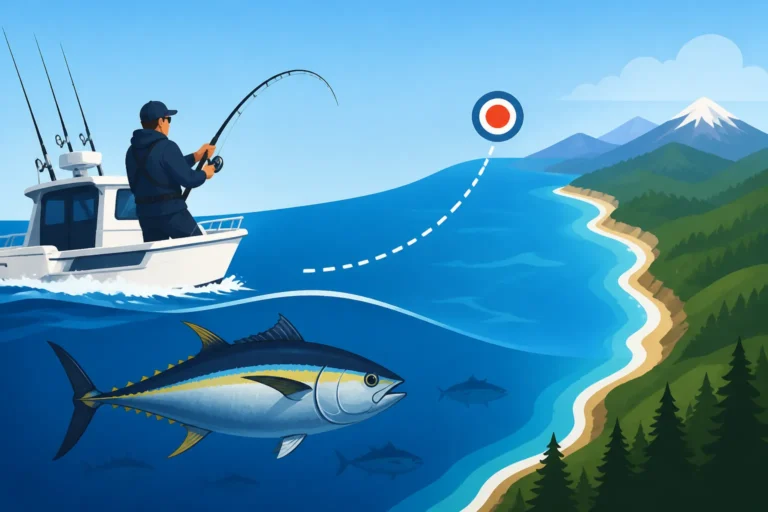
For the truly adventurous, offshore albacore tuna charters offer an adrenaline-pumping experience. These trips are typically full-day or even multi-day excursions, venturing many miles offshore into warmer waters where these powerful migratory fish feed. Tuna fishing is high-speed trolling, often with multiple rods out at once, and when a tuna hits, the rod bends double and the reel screams. The fight is intense and prolonged, a true test of strength and endurance. You'll need a charter with a fast, ocean-worthy vessel and experienced crew. These trips are highly weather-dependent and typically occur in the warmer late summer and early fall months.
River and Bay Guide Trips: Estuary and Freshwater Pursuits
Away from the open ocean, Oregon's extensive network of rivers and bays provides a different kind of guided fishing, often more focused on specific techniques and intimate encounters.
Estuary Salmon and Steelhead: Tidal Influence
Many of Oregon's coastal rivers, like the Nestucca, Trask, or Tillamook Bay system, have productive estuaries where salmon and steelhead stage before moving upstream to spawn. Guided trips in these areas often involve back-trolling, drift fishing, or anchoring and bobber fishing, taking advantage of tidal flows to present bait or lures effectively. These waters are calmer than the open ocean, making them a great option for those who prefer a less rocky ride. The combination of freshwater and saltwater influences creates a rich feeding ground, and the fishing can be exceptional during peak runs, especially for fall Chinook and Coho salmon.
Freshwater River Runs: Steelhead, Salmon, and Trout
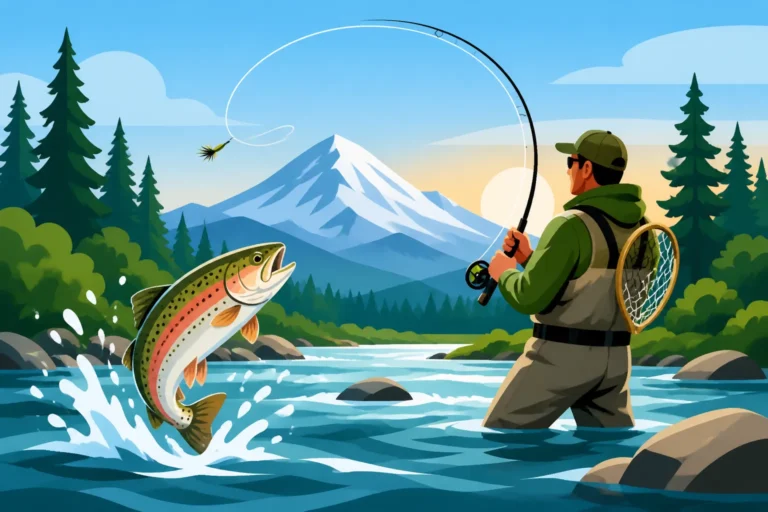
Deeper into Oregon's interior, rivers like the Deschutes, Rogue, Willamette, and Umpqua are famous for their runs of steelhead and salmon, as well as excellent trout fishing. Guided trips here often utilize drift boats or smaller powerboats to navigate the river. Techniques can include drift fishing with bait or lures, side-drifting, or back-bouncing for salmon and steelhead. For trout, fly fishing is a popular choice, especially on renowned waters like the Metolius River, which is fly-fishing only. How to Fly Fish in Oregon can offer more insights into this precise method. These guides are experts at reading river currents, identifying prime holding water, and teaching you the nuances of presentation. River trips offer a chance to connect deeply with Oregon's natural landscapes and its iconic anadromous fish.
Sturgeon Fishing: Prehistoric Battles
The Columbia River is world-renowned for its white sturgeon fishery. Guided sturgeon trips offer the unique opportunity to target these prehistoric giants. While many trips are catch-and-release only for the largest sturgeon, there are often retention seasons for smaller, legal-sized fish. You'll typically anchor the boat and fish with heavy tackle and strong baits like smelt, herring, or squid on the bottom. The fight from a large sturgeon is legendary, a true test of strength and endurance that can last for a significant amount of time. Oregon Sturgeon Guide provides extensive details on this incredible species.
What to Expect on an Oregon Fishing Charter: Gear, Guides, and Good Times
Booking a fishing charter or guide trip can feel a bit like stepping into the unknown if you've never done it before. What should you bring? What's included? How does the day actually unfold? Understanding these aspects can help ease any anxieties and ensure you have a truly enjoyable and productive outing.
Before You Go: Preparation and Essentials
A little preparation goes a long way in ensuring a smooth and successful charter experience. The guide or charter company will typically provide you with a list of essentials, but some things are universal.
Booking Your Trip and Communication
Once you've decided on the type of fishing you want to do and the general location, it's time to book. Websites like FishingBooker can be incredibly helpful for comparing different charters, reading reviews, and checking availability. Don't hesitate to call the charter directly with any questions you might have about their specific operations, what's biting, or current conditions. Clear communication upfront about your expectations, group size, and any special needs (like accessibility or a desire to focus on teaching kids) will help the captain tailor the trip. Confirm your booking details, departure time, and meeting location, especially since some fishing ports can be bustling.
Clothing and Footwear: Dress for Success
Oregon weather is famously unpredictable, especially on the coast or in the mountains. Layers are always the answer! Even on a sunny summer day, ocean breezes can be chilly, and morning river air can be damp. Think waterproof outerwear (jacket and pants), warm base layers, and a hat for sun protection or warmth. Sunglasses are essential to reduce glare off the water, and sunscreen is a must, even on cloudy days. As for footwear, wear comfortable, non-slip shoes or boots. Open-toed sandals or flip-flops are generally not a good idea on a boat.
Food, Drink, and Personal Comfort
Most charters don't provide food or drinks, so pack your own snacks, lunch, and plenty of water or other beverages. A small cooler is often a good idea. Consider motion sickness medication if you're heading out on the ocean; it's always better to take it before you get on the boat rather than waiting until you feel unwell. Small personal items like a camera, a small backpack, and any necessary medications should also be brought along. Remember, space can be limited on some boats, so pack efficiently.
On the Water: The Day's Flow
Once you're on board and heading out, the real adventure begins. The captain and crew are there to ensure your safety and help you catch fish, so pay attention to their instructions.
Safety Briefing and Boat Etiquette
Before leaving the dock, your captain will give a safety briefing, pointing out life jackets, emergency equipment, and answering any questions. Listen carefully, as your safety is paramount. On the boat, follow the crew's lead. They'll tell you where to sit, where to store your gear, and how to move around safely. Respect fellow anglers' space and be mindful of your casting and hook placement. These guidelines are in place to ensure a pleasant and safe trip for everyone.
Fishing Techniques and Guidance
One of the biggest advantages of a charter or guide trip is the expertise of the crew. They'll provide all the necessary fishing gear, from rods and reels to bait and tackle. They'll set up your lines, show you how to drop your bait or jig, and teach you the specific techniques for the target species. Don't be afraid to ask questions! Guides love to share their knowledge and want you to succeed. They'll help you detect bites, set the hook, and properly fight a fish. For beginners, this hands-on instruction is invaluable, turning what could be a frustrating solo attempt into a rewarding learning experience.
The Thrill of the Catch and Release
When a fish hits, the excitement is palpable! The crew will often coach you through the fight, helping you land your catch. For species that are catch-and-release only (like many wild steelhead or oversized sturgeon), the guide will assist with proper handling to ensure the fish's survival. They'll likely help you get a quick photo before carefully releasing it. For keepers, they'll demonstrate how to handle and store your fish appropriately. Understanding Oregon Catch-and-Release Rules is important for any angler.
Post-Trip: Handling Your Catch
The fishing doesn't quite end when the boat returns to the dock. What happens to all those fish you caught?
Fish Cleaning and Filleting Services
Most ocean charters and many river guides offer fish cleaning and filleting services, often for an additional fee or included in the charter price. This is a huge convenience, as cleaning a large salmon or multiple bottom fish can be a messy and time-consuming task. The crew are experts at this, and you'll receive neatly filleted, ready-to-cook portions. If this service isn't offered, or you prefer to do it yourself, be prepared with your own cleaning station and proper tools once you get home. It's always a good idea to confirm fish cleaning expectations when you book.
Transporting and Storing Your Catch
Once your fish is cleaned, you'll need a plan for getting it home. Bring a cooler with plenty of ice. Fresh fish is perishable, and keeping it cold is critical to maintaining quality. If you're traveling a long distance, consider freezing your fillets or exploring local seafood processors that offer vacuum sealing and shipping services. Remember, daily bag limits apply, and your guide will ensure you stay within the legal harvest for each species. Oregon Daily Bag Limits Explained provides details on how much fish you can legally take home.
Choosing the Right Oregon Fishing Charter: Finding Your Perfect Match
Selecting the ideal fishing charter is about more than just finding an open spot on a boat. It's about matching your fishing goals, comfort level, and budget with the right captain and vessel. A little homework upfront can make all the difference between a good trip and a truly fantastic one.
Factors to Consider: From Target Species to Group Size
Before you even start looking at specific charters, take a moment to define what you're hoping for.
Target Species and Seasonality
What do you want to catch? Salmon? Halibut? Steelhead? Bottom fish? Each species has specific seasons and preferred habitats. If your heart is set on a particular fish, ensure the charter you're looking at specializes in that species and operates during its peak season. For instance, a charter excellent for summer steelhead on the Deschutes River might not be the best choice for winter Chinook on the coast. Researching Oregon Fishing Season Dates and Limits will give you a clear picture of when certain species are available.
Group Size and Dynamics
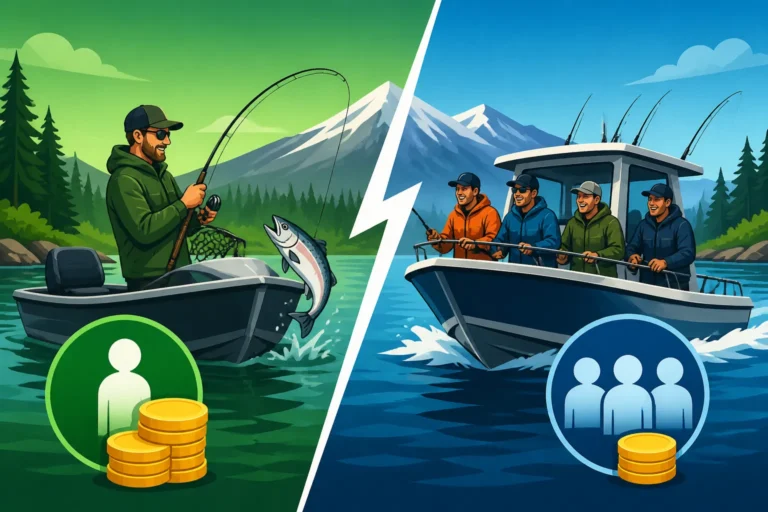
Are you planning a solo adventure, a romantic trip for two, a family outing with kids, or a larger group excursion? Charters come in various sizes and configurations. Some offer private trips for small groups, while others are large party boats that accommodate many anglers. For families, look for charters that specifically mention being "kid-friendly" or "family-friendly," as they'll often have a more patient crew and potentially shorter trip options. A private guide can offer more one-on-one instruction, which is fantastic for beginners or those wanting to hone specific skills.
Trip Duration and Comfort Level
Ocean charters can range from quick 4-hour bottom fishing trips to strenuous 24-hour tuna expeditions. River trips might be half-day floats or full-day adventures. Consider your endurance, your experience with boats, and any potential motion sickness. If you're new to ocean fishing, a shorter, calmer trip might be a better introduction. Larger boats tend to be more stable in rougher seas, offering more comfort, while smaller drift boats provide a more intimate experience on rivers.
Expertise and Experience of the Captain and Crew
This is paramount. An experienced captain knows the local waters, understands fish behavior, and can adapt to changing conditions. They'll have a proven track record of finding fish and ensuring client safety. A good crew makes all the difference, providing assistance, instruction, and often a healthy dose of humor. Look for captains with proper licensing and a history of positive reviews. A reputable guide service, like those found on platforms such as FishingBooker, often vets their captains for you.
Researching and Booking: Making an Informed Decision
Once you have a clearer picture of your ideal trip, it's time to dive into the research.
Online Reviews and Testimonials
The internet is a treasure trove of information. Look at customer reviews on various platforms. Pay attention to what people praise (e.g., friendly crew, lots of fish, good instruction) and any recurring complaints. While one bad review might be an anomaly, a pattern of issues is a red flag. Photos from past trips can also give you a good sense of the charter's style and typical catches.
Comparing Offerings and What's Included
Charter prices can vary widely, so don't just compare the sticker price. What's included? Most charters provide rods, reels, bait, and tackle. Some might include rain gear, snacks, or even fish cleaning. Others might charge extra for these services. Always clarify what's covered in the base price to avoid surprises. Also, understand their cancellation policy, especially regarding weather. Oregon Fishing Charter Costs vary greatly, so comparison is key.
Making Your Reservation
Once you've chosen a charter, book your trip as far in advance as possible, especially if you're targeting a peak season for popular species like salmon or halibut, or if you plan to visit during popular holidays or weekends. Many top charters book up months in advance. Have your preferred dates and a few alternatives ready. Be prepared to pay a deposit to secure your reservation.
Top Fishing Charter Destinations in Oregon: Where the Action Is
Oregon's coastline and interior are dotted with prime fishing locations, each with its own character and specialties. Understanding these hotspots can help you pinpoint the perfect departure point for your charter adventure.
The North Coast: Astoria, Garibaldi, and Tillamook Bay
The northern stretch of Oregon's coast is famous for its robust fisheries, particularly for salmon and crabbing.
Astoria: Columbia River Mouth and Buoy 10
Astoria sits right at the mouth of the Columbia River, making it the epicenter for the renowned "Buoy 10" salmon fishery in late summer and early fall. This is where massive runs of Chinook and Coho salmon enter the river system, providing incredible angling opportunities. Charters here specialize in both ocean and lower river salmon fishing. It's a truly iconic Oregon fishing experience. Beyond salmon, the lower Columbia also offers excellent sturgeon fishing. Astoria Oregon Fishing Charters are highly sought after during these peak times.
Garibaldi and Tillamook Bay: Salmon and Crabbing Haven
Further south, Garibaldi and the vast Tillamook Bay system are a major hub for both salmon fishing and Dungeness crabbing. The bay receives several productive rivers, making it a fantastic estuary fishery for fall Chinook and Coho. Ocean charters out of Garibaldi also target salmon, halibut, and bottom fish. The area is particularly popular for family crabbing adventures, with many charters offering combo trips where you can pull crab pots in addition to fishing. Tillamook Bay fishing spots are legendary for a reason.
The Central Coast: Newport, Depoe Bay, and Lincoln City
The Central Coast offers a diverse array of fishing, from deep-sea excursions to excellent crabbing in the bays.
Newport: Halibut, Tuna, and Bottom Fishing Hub
Newport is arguably Oregon's largest and most active fishing charter port. It offers a full spectrum of ocean fishing, including some of the best opportunities for Pacific halibut and albacore tuna when they're in season. Bottom fishing for rockfish and lingcod is consistently good out of Newport. The bay also provides opportunities for crabbing. You'll find a wide variety of charter boats here, from large party boats to smaller, faster vessels for dedicated anglers. Newport Oregon Fishing Charters are plentiful and offer diverse options.
Depoe Bay: Whale Watching and Deep Water Fishing
Known as the "whale watching capital of the Oregon coast," Depoe Bay is also a launching point for excellent ocean charters. Its deeper waters close to shore provide good access to bottom fish and lingcod. During salmon and halibut seasons, charters here are highly active. It's a charming, smaller port with a focus on delivering quality fishing experiences.
The South Coast: Winchester Bay, Charleston, and Brookings
The southern coast features rugged beauty and strong salmon and bottom fisheries, with some unique opportunities further south.
Winchester Bay: Umpqua River Salmon
Winchester Bay is the gateway to the Umpqua River, famous for its fall Chinook salmon run and also some excellent smallmouth bass fishing upriver. Charters here will often focus on the bay and lower river for salmon, as well as ocean trips for salmon and bottom fish. It's a beautiful area with a strong local fishing community.
Charleston and Brookings: Consistent Bottom Fishing and Offshore Tuna
Charleston (near Coos Bay) and Brookings, near the California border, offer consistent bottom fishing for rockfish and lingcod year-round. Brookings, in particular, is a favored departure point for albacore tuna trips when the fish are offshore, due to its closer proximity to warmer waters. These southern ports also see good salmon fishing during the season.
Columbia River System: Salmon and Sturgeon Hotbeds
Beyond Astoria, the main stem of the Columbia River and its tributaries are fishing powerhouses, especially for migratory species.
Lower Columbia River: Salmon and Sturgeon All-Stars
Upriver from Astoria, locations like Longview, Kalama, and Woodland (on the Washington side, but guides often cross over) are prime spots for guided salmon and sturgeon trips. The vastness of the Columbia River and its tremendous runs of spring Chinook, summer Chinook, fall Chinook, and Coho salmon make it a magnet for anglers. Sturgeon fishing is also a major draw, with many guides specializing in finding these ancient fish. Columbia River Salmon Guide Trips are booked solid during peak seasons.
Willamette River: Spring Chinook Mecca
The Willamette River, flowing right through Portland, is renowned for its spring Chinook salmon run. This urban fishery offers surprising opportunities, and guides work the river effectively from Portland down to its confluence with the Columbia. It's an accessible and productive fishery, particularly for boat anglers and guides. Willamette River Guide Trips are popular for those seeking this early season salmon.
Inland Rivers: Steelhead and Trout Sanctuaries
Oregon's interior rivers offer world-class freshwater fishing, particularly for fly anglers.
Deschutes River: Legendary Trout and Steelhead
The Deschutes River is a crown jewel for fly fishing in Oregon, offering incredible trout fishing (especially redside rainbow trout) and a world-renowned summer steelhead run. Guides here often operate drift boat trips, allowing anglers to fish pristine stretches of river that are difficult to access otherwise. It's a truly immersive experience in a stunning canyon environment. Deschutes River Fly Fishing Guides are highly skilled and sought after.
Rogue River: Southern Oregon Steelhead and Salmon
The Rogue River in Southern Oregon is another legendary fishery, particularly known for its winter and summer steelhead, as well as spring and fall Chinook salmon. Guided trips range from single-day floats to multi-day wilderness adventures, navigating scenic sections of the river. The Rogue offers a classic Pacific Northwest angling experience. Rogue River Guide Trips attract anglers from across the globe.
Cost of Oregon Fishing Charters: What Your Investment Covers
Understanding the financial aspect of an Oregon fishing charter is a key part of planning your trip. Prices can vary significantly based on a multitude of factors, so it's important to know what influences the rates and what you can expect your money to cover.
Price Breakdown: What Influences the Rates
There isn't a single price point for fishing charters, as the experience is highly customizable. Generally, you'll find costs ranging from an entry-level half-day bottom fishing trip to a full-day, specialized offshore tuna or multi-day river expedition.
Type of Fishing and Target Species
This is often the biggest factor. A shared bottom fishing trip on a larger party boat is typically the most economical option. Targeting highly sought-after species like halibut or tuna, which require longer runs offshore and more specialized gear, will command a higher price. Similarly, a dedicated river guide trip for salmon or steelhead, often in a smaller boat with a focus on specific techniques like fly fishing, can be more expensive per person due to the individualized attention.
Duration of the Trip
A half-day trip (4-6 hours) will naturally cost less than a full-day trip (8-10 hours), and multi-day excursions will be the most significant investment. The longer the trip, the more time you have on the water, increasing your chances of success and allowing for more diverse fishing opportunities. Always clarify the exact duration when booking.
Boat Type and Group Size
Large party boats (head boats) that take many anglers usually have a lower per-person cost but offer less individual attention. Smaller private charters, where you book the entire boat for your group (typically 2-6 people), will have a higher overall cost but a much higher per-person cost for fewer people. However, they offer a more personalized experience, allowing the captain to cater to your group's preferences. River drift boat trips usually accommodate 1-3 anglers and provide very focused guidance.
What's Included: Gear, Bait, and More
Most reputable charters include all necessary fishing gear (rods, reels, tackle, bait) in the price. However, always double-check. Some might have additional charges for specific premium baits or tackle lost. Fish cleaning and filleting services may be included or offered for an extra fee. Licenses and tags are almost always the angler's responsibility and are not included in the charter price.
| Charter Type | Typical Duration | Target Species | Price Point (General) | Ideal For |
|---|---|---|---|---|
| Ocean Bottom Fish | Half-Day (4-5 hrs) | Rockfish, Lingcod | Lower | Beginners, Families, Consistent Action |
| Ocean Salmon | Full-Day (8 hrs) | Chinook, Coho | Mid-Range | Serious Anglers, Peak Season Thrills |
| Ocean Halibut | Full-Day (8-10 hrs) | Pacific Halibut | Higher | Bucket List, Trophy Fish Seekers |
| Ocean Albacore Tuna | Full-Day (10-14 hrs) | Albacore Tuna | Highest | Offshore Adventure, Intense Fights |
| River Salmon/Steelhead | Full-Day (8 hrs) | Chinook, Coho, Steelhead | Mid-High | Fly Fishers, Drift Boat Enthusiasts |
| Columbia Sturgeon | Full-Day (8 hrs) | White Sturgeon | Mid-High | Unique Experience, Powerful Fish |
Note: These are general price points; actual costs can vary based on specific charter, season, and inclusions.
Tipping Etiquette: Showing Appreciation
Tipping your captain and crew is a common practice and a way to show your appreciation for their hard work, expertise, and service.
Standard Gratuity Guidelines
For a good experience, a tip of 15-20% of the total charter cost is generally considered standard. If the crew went above and beyond—provided exceptional instruction, worked tirelessly to find fish, or offered outstanding service—you might consider tipping more. It's customary to give the tip to the captain, who will then distribute it among the crew.
When to Tip More or Less
You might tip more if the crew was particularly patient with children, if they handled a difficult situation professionally, or if they provided exceptional assistance with baiting, casting, and fish handling. Conversely, if you felt the service was subpar, you might adjust your tip accordingly, but always consider the factors outside of the crew's control (like slow fishing, which happens even to the best guides). Tipping is a gesture of appreciation for service, not solely dependent on the number of fish caught.
Essential Gear and What to Bring: Be Prepared for Your Adventure
While a major benefit of charter fishing is that much of the heavy lifting (literally!) is handled by the crew, there are still some key items you should bring to ensure your comfort, safety, and overall enjoyment. Being prepared means you can focus on the fishing and the beautiful Oregon surroundings.
Provided vs. Personal Gear: Knowing the Difference
Understanding what the charter provides and what you’re responsible for will prevent you from overpacking or, worse, forgetting something crucial.
Fishing Equipment: Rods, Reels, Bait, and Tackle
Almost universally, Oregon fishing charters and guides provide all the necessary fishing equipment. This includes high-quality rods and reels appropriate for the target species, a full array of terminal tackle (hooks, weights, swivels), and fresh bait or effective lures. This is fantastic because it means you don't need to invest in expensive gear or worry about bringing the right setup for specific conditions. The crew maintains this equipment, ensures it's in working order, and knows exactly how to rig it for success in their waters. If you have a sentimental rod or a lucky lure you absolutely want to try, ask the captain beforehand if it's feasible to use your own gear; often they're happy to accommodate if it's suitable for the fishing.
Safety Equipment: Life Jackets and First Aid
All licensed Oregon fishing charters and guides are legally required to carry appropriate safety equipment, including U.S. Coast Guard-approved life jackets for everyone on board, a comprehensive first-aid kit, communication devices, and other emergency gear. Your captain will conduct a safety briefing at the start of your trip, pointing out where these items are stored. For children, charters will usually have child-sized life jackets, but it's always a good idea to confirm if you're bringing very young kids. Knowing this equipment is on board provides peace of mind, allowing you to relax and enjoy the outing.
Personal Items: Stay Comfortable and Safe
These are the items that will ensure your personal comfort, regardless of the fishing action.
Layered Clothing and Rain Gear
As mentioned, Oregon's weather can change in a heartbeat. The key to staying comfortable is layers. Start with a moisture-wicking base layer, add a fleece or wool mid-layer for warmth, and top it off with waterproof and windproof outerwear. Even on what looks like a beautiful sunny day, the ocean breeze or river spray can be surprisingly chilly. A good quality rain jacket and pants are non-negotiable, especially for coastal or winter river trips. You can shed layers if it warms up, but you can't add what you didn't bring.
Sun Protection: Hat, Sunglasses, Sunscreen
Even on cloudy days, UV rays reflect off the water, increasing your exposure. A wide-brimmed hat offers crucial protection for your face and neck. Polarized sunglasses are essential not only for eye protection but also for reducing glare, which can help you spot fish or structure in the water. High SPF sunscreen should be applied generously, and don't forget areas like the back of your neck and ears.
Food, Drinks, and Cooler
Pack your own snacks, lunch, and plenty of water or non-alcoholic beverages. Fishing can be thirsty work, and staying hydrated is important. A small, soft-sided cooler is perfect for keeping your refreshments cool and can be easily stowed. Larger hard-sided coolers can be used to transport your catch home (cleaned and filleted) at the end of the day; check with your charter about space for this. What should I bring on an Oregon fishing charter is a common question, and food/drink is always high on the list!
Motion Sickness Medication (If Applicable)
If you're prone to seasickness, or even if you're not sure, take preventative medication (like Dramamine or Bonine) before you board the boat. Once you're feeling sick, it's often too late for the medication to be fully effective. Accompany it with a light, non-greasy breakfast. For river trips, motion sickness is less common but can still occur on rougher sections or if you're sensitive to the rocking of a drift boat.
Camera, Phone, and Storage
You'll definitely want to capture memories of your trip, whether it's the stunning scenery, your biggest catch, or moments with friends and family. A waterproof camera or a phone with a waterproof case is highly recommended. Ensure you have a secure place to store your electronics to protect them from spray and accidental drops.
Regulations and Licenses for Charter Fishing in Oregon: Staying Legal
Understanding Oregon's fishing regulations and securing the proper licenses and tags are non-negotiable aspects of any fishing trip, including those with a charter. Your charter captain or guide will be highly knowledgeable about the rules, but ultimately, it's your responsibility as an angler to be compliant. Don't risk a fine or a spoiled trip by being unprepared.
Your Angling License: The Non-Negotiable Requirement
The first and most fundamental requirement for fishing in Oregon is a valid fishing license. This applies whether you're fishing from shore, a private boat, or a charter.
Oregon Resident Fishing License Guide
If you've lived in Oregon for at least six months, you're eligible for a resident license. This is typically the most cost-effective option for residents and is required for anyone age 12 and older. Younger children (under 12) generally don't need a license, but it's always wise to confirm the Oregon Fishing License Age Requirements. Annual licenses are the most common, but multi-day options are available for shorter periods. Ensure your license is valid for the dates you plan to fish. You can easily purchase an Oregon Fishing License Guide online or at many sporting goods stores.
Oregon Nonresident Fishing License Cost
Visitors to Oregon will need a nonresident fishing license. These are typically more expensive than resident licenses but offer flexibility for shorter trips. Options usually include annual, three-day, or one-day licenses. If you're planning multiple trips or an extended stay, compare the costs of a multi-day license versus an annual one to see what makes the most sense. Many non-residents opt for a Oregon 1-Day Fishing License or a Oregon Multi-Day Fishing License Options to cover their specific vacation window.
How to Purchase and Carry Your License
Licenses can be purchased online through the Oregon Department of Fish and Wildlife (ODFW) website, at authorized license agents (like sporting goods stores, tackle shops, and some general stores), or through charter offices that are licensed vendors. When purchasing online, you'll often receive an instant download or a confirmation email that serves as your temporary license. While many anglers use their phones as proof, having a printed copy or laminated card is always a good backup, especially in areas with spotty cell service. Where to Buy an Oregon Fishing License provides more details.
Endorsements and Tags: Species-Specific Needs
Beyond the general angling license, certain species require additional endorsements or tags. These are crucial for tracking harvest and managing specific fish populations.
Combined Angling Tag: Salmon, Steelhead, Sturgeon, and Halibut
The most common additional requirement for serious anglers is the Oregon Combined Angling Tag. This tag is required for anyone fishing for salmon, steelhead, sturgeon, or halibut. It's an annual tag that must be purchased in addition to your regular angling license. This tag also comes with specific catch record cards for each species, which you must fill out immediately upon retaining one of these fish. Your charter captain will guide you through this process, but it's your responsibility to have the tag and correctly complete the card. Missing a Oregon Combined Angling Tag Guide can result in penalties.
Shellfish License: Crabbing and Clamming
If your charter includes crabbing or clamming, you will also need an Oregon Shellfish License. This is a separate license specifically for harvesting Dungeness crab, bay clams, razor clams, mussels, and other marine invertebrates. It's often an annual license and is required for anyone participating in shellfish harvest, regardless of whether they have a fishing license. Many charters offer combo fishing and crabbing trips, so ensure you have both the angling license and the shellfish license if you plan to do both. Oregon Shellfish License is a must for these activities.
Ocean Endorsement and Columbia River Basin Endorsement
For those venturing into the Pacific Ocean, an Ocean Endorsement is sometimes required, depending on specific species and regulations. Similarly, the Columbia River Basin Endorsement is required when fishing for anadromous species in the Columbia River and its tributaries within the basin. These endorsements help fund conservation efforts specific to those fisheries. Your charter captain will inform you if these are necessary for your trip's specific location and target species. Oregon Ocean Endorsement and Oregon Columbia River Basin Endorsement provide more details on these specialized requirements.
Catch Limits and Rules: Understanding the Law
Even on a charter, you are responsible for adhering to all catch limits, size restrictions, and specific fishing methods.
Daily and Annual Bag Limits
Oregon has strict daily bag limits for most species, meaning the maximum number of fish you can legally keep in a single day. Some species also have annual limits. Your charter captain will keep track of the group's catch and ensure everyone stays within legal limits. It's essential to understand that these limits apply per angler. Don't be tempted to keep more than your personal limit, even if other anglers on the boat haven't filled theirs.
Size Restrictions and Release Rules
Many species, particularly salmon, steelhead, sturgeon, and halibut, have minimum and/or maximum size restrictions (slot limits). Fish outside these legal lengths must be immediately released unharmed. Certain species, like wild steelhead or bull trout, are often catch-and-release only. Your guide will clearly explain these rules and demonstrate proper catch-and-release techniques to maximize the fish's survival rate. Oregon Fishing Regulations Explained is an excellent resource for all these specific rules.
Disclaimer
This article is for general informational purposes only and does not constitute professional advice. Laws, prices and regulations vary by location and change over time. Consult a qualified professional for guidance on your specific situation.