Are there sharks off the Oregon coast?
It’s a question many of us ponder while gazing out at the vast Pacific from an Oregon beach: Are there sharks out there? The thought can be both exhilarating and a little unnerving, especially if you're planning a fishing trip or a dip in the ocean. Let me tell you, the short answer is yes, absolutely. Oregon’s cold, nutrient-rich waters are home to a fascinating array of shark species, from the relatively small and harmless to the truly massive, though encounters with the latter are incredibly rare for most people. This guide will dive deep into the types of sharks that call our coast home, where they live, how they interact with our marine environment, and what this means for anglers and beachgoers alike.
The Truth About Sharks in Oregon Waters
Let's cut right to it: the Pacific Ocean off Oregon is a vibrant ecosystem, and sharks are a crucial part of it. They're not lurking around every corner waiting to jump out at you, but they are very much present. Understanding their role and habits can actually enhance your appreciation for our incredible coastline and perhaps even ease some anxieties.
A Diverse Underwater World
When people think of "sharks," they often jump straight to the image of a great white. While those formidable creatures do inhabit our waters, they are just one of many different species, each with unique characteristics and preferred habitats. Many of the sharks off Oregon's coast are deep-water dwellers, living hundreds or even thousands of feet below the surface, far from where humans typically swim or fish. Others are smaller, bottom-feeding sharks that pose no threat to people. Our waters, being part of the North Pacific, are teeming with baitfish, squid, and marine mammals, which in turn attract a variety of predatory sharks. This biodiversity is a sign of a healthy ocean, and these sharks play a vital role in maintaining that balance.
Why You Don't See Them Often
Despite their presence, actual sightings of sharks, especially the larger, more imposing ones, are quite infrequent for the average person. There are several reasons for this. First, many species are pelagic, meaning they live in the open ocean and rarely come close to shore. Second, even coastal species often prefer deeper, cooler waters or nocturnal hunting. Third, sharks are incredibly efficient and wary predators. They're not seeking out human interaction; they're generally trying to find their natural prey, which, thankfully, does not include us. For anglers, accidentally hooking a shark can happen, especially when targeting other large fish like tuna or halibut further offshore. It’s a testament to the sheer scale of the ocean that so many large, wild animals can exist without daily human interference.
Common Shark Species Off the Oregon Coast
Oregon's marine environment supports a surprising number of shark species. Let's explore some of the more commonly encountered, or at least known to be present, inhabitants.
Leopard Sharks and Soupfin Sharks
You might be surprised to learn that some sharks are quite beautiful and often seen closer to shore in bays or estuaries. Leopard sharks are known for their striking spots and are relatively small, typically reaching lengths of 4 to 6 feet. They prefer sandy or muddy bottoms where they feed on crabs, clams, and small fish. While not a primary target for most anglers, they are sometimes caught incidentally, and they are generally harmless.
Soupfin sharks, also known as school sharks or tope sharks, are another coastal species that can grow larger, sometimes exceeding 6 feet. They are often found in nearshore waters, bays, and around kelp beds. They feed on a variety of fish and invertebrates. Historically, they were targeted for their fins (hence the name), but today they are managed and protected, making it important for anglers to know how to identify and safely release them if caught.
Blue Sharks and Salmon Sharks
Moving further offshore, we encounter pelagic sharks that roam the open ocean. Blue sharks are perhaps one of the most widespread shark species globally, recognized by their slender bodies and vibrant blue coloration. They can grow quite large, up to 10-12 feet, and are often encountered by offshore anglers targeting tuna or swordfish. They primarily feed on squid and smaller bony fish. While powerful, they are generally not considered a threat to humans, but like any wild animal, they should be treated with respect.
Salmon sharks are another fascinating pelagic species, often mistaken for small great white sharks due to their robust build and similar appearance. They can reach lengths of 8-10 feet and are known for their ability to maintain a body temperature warmer than the surrounding water, allowing them to thrive in colder North Pacific waters. As their name suggests, salmon are a primary food source, but they also eat other fish and squid. Anglers targeting salmon or tuna in offshore waters might occasionally encounter a salmon shark. Understanding the Oregon Salmon Fishing Techniques can help you differentiate your target species.
Pacific Sleeper Sharks and Sixgill Sharks
These are the giants of the deep, truly enigmatic creatures that spend most of their lives in the cold, dark abyssal plains. Pacific sleeper sharks are massive, slow-moving sharks that can reach incredible lengths, potentially over 20 feet. They are rarely seen by humans, inhabiting depths of up to several thousand feet. Their diet includes a variety of deep-sea fish, squid, and even carrion.
Sixgill sharks are another ancient species that call the deep waters off Oregon home. Easily identified by their six gill slits (most sharks have five), these sharks can also grow to substantial sizes, with some individuals exceeding 15 feet. They are typically found in deep canyons and trenches, though juveniles sometimes venture into shallower waters at night. Both sleeper and sixgill sharks are rarely encountered by recreational anglers, and when they are, it's usually in very deep-water commercial fishing operations.
Great White Sharks: The Apex Predator
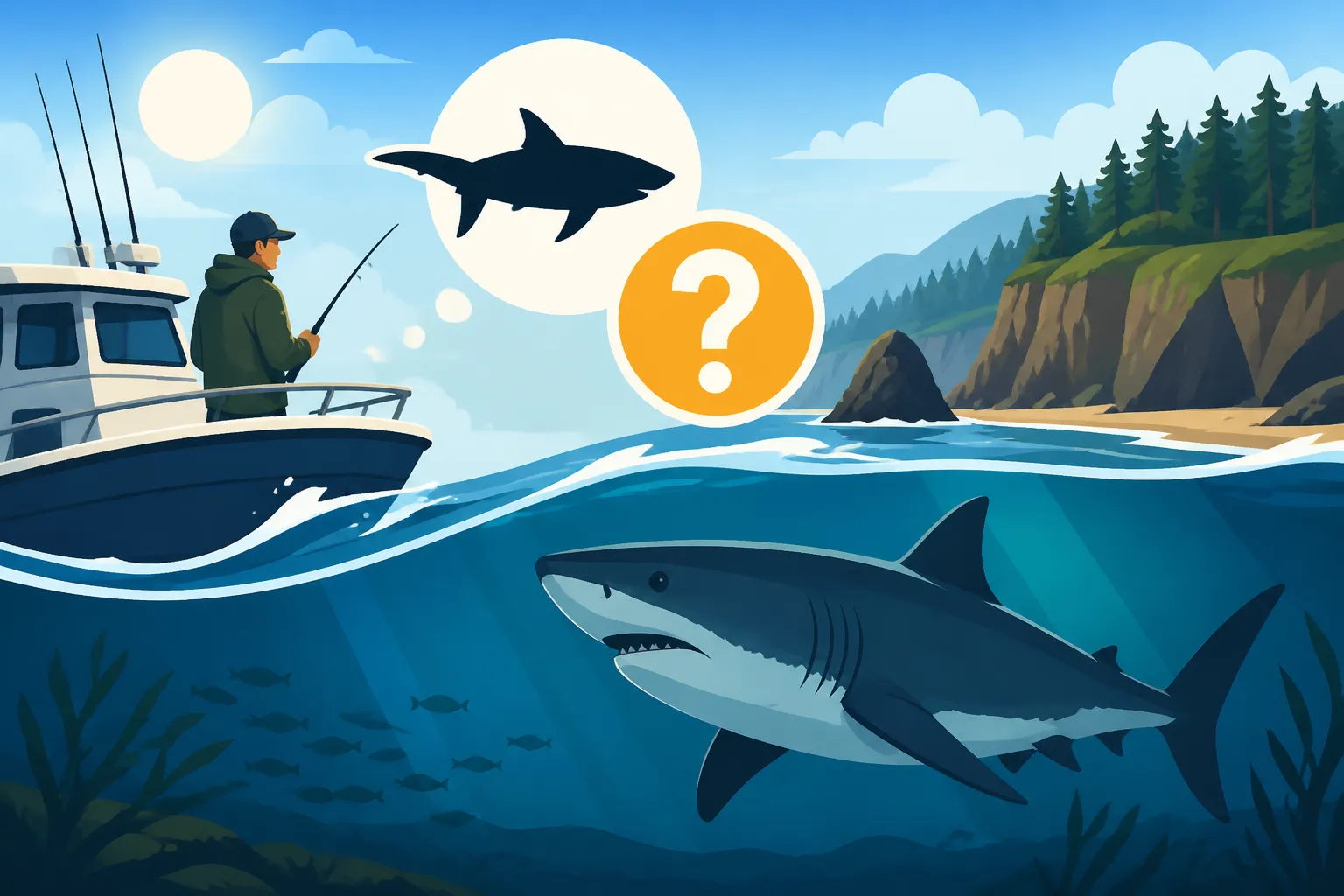
Yes, great white sharks are indeed found off the Oregon coast. However, their presence is not what many people imagine from sensationalized media. They are apex predators that traverse vast stretches of the Pacific Ocean, often following their food sources, particularly marine mammals like seals and sea lions, which are abundant along our coast. Great whites are more commonly observed around specific aggregations of these prey animals, such as coastal islands or rookeries.
While their presence can be intimidating, unprovoked attacks on humans in Oregon are exceedingly rare. Great whites are highly evolved hunters that typically target prey that fits their natural diet. Incidents are almost always cases of mistaken identity, where a shark might confuse a swimmer or surfer on a board for a seal. The sheer volume of ocean users compared to the tiny number of shark incidents highlights how uncommon these encounters are. Knowing about Oregon Fishing Season Dates and Limits is crucial, but equally important is understanding the entire marine environment you're fishing in, including its top predators.
Shark Encounters and Safety for Anglers
For the vast majority of people enjoying Oregon's coast, a shark encounter is simply not a concern. However, for those who spend a lot of time on or in the water, particularly offshore anglers, it's wise to be aware and prepared.
Minimizing Risk on the Water
The best way to minimize any risk, however small, is to exercise common sense. If you're out on the water, whether in a boat, kayak, or on a paddleboard, avoid areas where seals or sea lions are congregating, as these are natural hunting grounds for larger sharks. Do not chum the water excessively or clean fish at the swimming beach or popular surf spots, as this can attract marine life. When fishing, be mindful of your surroundings and any unusual activity. If you're looking to gear up with reliable safety equipment for your next ocean adventure, you can find a wide range of marine-grade first-aid kits and emergency signaling devices on platforms like Amazon.
For swimmers and surfers, the advice is similar: avoid murky water, dawn/dusk hours when visibility is low and sharks might be more active, and don't wear shiny jewelry that could mimic fish scales. Always swim or surf with a buddy. Remember, these are general precautions, not indications of high risk.
What to Do if You Hook a Shark
If you're offshore and accidentally hook a shark while targeting other species, the most important thing is safety – for yourself and the shark. Do not try to bring a large, powerful shark into your boat. These animals are incredibly strong and can cause serious injury with their thrashing. Instead, fight the fish ethically and, once alongside the boat, try to cut the line as close to the hook as possible using a long-handled de-hooker or knife. Many offshore species, including most sharks, are catch-and-release only, or have very specific regulations. It's always best to be prepared by understanding Oregon Fishing Regulations Explained before you head out.
Minimize the time the shark is out of the water, if at all. If you must handle a smaller shark to remove a hook, use gloves and be extremely careful of their teeth and powerful tail. For species like great whites, it is illegal to intentionally fish for them, and if one is accidentally hooked, it must be immediately released without harming it. Knowing the Oregon Fishing Violations and Penalties can save you a lot of trouble.
Fishing for Sharks in Oregon (and Why You Might Not Want To)
While catching a shark might sound like an exciting challenge, recreational shark fishing in Oregon is highly regulated and often discouraged due to conservation concerns.
Regulations and Restrictions
Most shark species in Oregon are either protected, or specific regulations govern their harvest, including size limits, bag limits, and gear restrictions. For instance, great white sharks are federally protected and absolutely cannot be targeted or retained. Many other species like sixgill sharks and some types of thresher sharks also have strict regulations or are entirely prohibited from harvest.
The Oregon Department of Fish and Wildlife (ODFW) frequently updates its regulations to reflect the latest scientific data and conservation needs. Before heading out, always consult the most current ODFW Sport Fishing Regulations for marine species. You'll find crucial details on Oregon Fishing Regulations Explained and specific requirements like the Oregon Ocean Endorsement if you plan to fish in saltwater. Trying to fish for a species without knowing the rules can lead to significant Fishing Without a License Penalties in Oregon or other fines, even if you have a general fishing license.
Ethical Considerations and Conservation
Beyond the legal requirements, there are strong ethical considerations when it comes to shark fishing. Many shark populations worldwide are vulnerable due to overfishing and habitat loss. As anglers, we have a responsibility to be stewards of the marine environment. Catch-and-release is paramount for most shark encounters, ensuring the health and survival of the fish.
Using appropriate gear that allows for quick release, avoiding excessive fight times that exhaust the shark, and minimizing handling are all crucial practices. Investing in gear that helps with safe release, like specialized pliers or de-hookers, is a smart move. You can find many of these items for your tackle box or boat on Amazon, ensuring you're prepared for any unexpected catches. By respecting these powerful predators and adhering to conservation principles, we help ensure that these magnificent creatures continue to thrive in Oregon's waters for generations to come.
Comparing Shark Species and Their Risk Profile
To give you a better overview, here's a quick look at some of the common sharks off the Oregon coast and their general characteristics.
| Shark Species | Typical Size (Feet) | Primary Habitat | Common Diet | Threat to Humans (General) | Notes |
|---|---|---|---|---|---|
| Leopard Shark | 4-6 | Bays, shallow coastal | Crabs, clams, small fish | Very Low | Distinct spots, often seen in estuaries. |
| Soupfin Shark | 5-7 | Nearshore, bays, kelp | Fish, invertebrates | Very Low | Also known as Tope or School shark. |
| Blue Shark | 6-12 | Open ocean (pelagic) | Squid, small fish | Low | Slender, deep blue color, wide-ranging. |
| Salmon Shark | 6-10 | Offshore, cold water | Salmon, other fish, squid | Low | Stocky build, resembles great white; endothermic. |
| Pacific Sleeper Shark | Up to 20+ | Deep ocean (benthic) | Deep-sea fish, squid, carrion | Virtually None | Rarely seen by humans, slow-moving giant. |
| Sixgill Shark | 10-16+ | Deep ocean (benthic) | Deep-sea fish, carrion | Virtually None | Six gill slits, primitive appearance. |
| Great White Shark | 12-20+ | Coastal, open ocean | Seals, sea lions, fish | Very Low (Mistaken Identity) | Apex predator, federally protected. |
Disclaimer
This article is for general informational purposes only and does not constitute professional advice. Laws, prices and regulations vary by location and change over time. Consult a qualified professional for guidance on your specific situation.