What fish species can you catch year round in Oregon
It can be incredibly frustrating to hear whispers about "fishing seasons" and "closures" when all you want to do is get out on the water. Many anglers assume that once the prime salmon or steelhead runs are over, their fishing gear needs to be relegated to the garage until spring. But what if I told you that Oregon offers a surprising array of year-round fishing opportunities? This guide will dive deep into the diverse fish species you can pursue throughout all twelve months, giving you the knowledge to keep your lines wet whenever the mood strikes.
Understanding Year-Round Fishing in Oregon
The idea that fishing is strictly seasonal is deeply ingrained in many of us, especially in a state like Oregon, famous for its incredible but often short-lived salmon and steelhead runs. You might find yourself scanning the regulations booklet, seeing specific opening and closing dates, and concluding that once those dates pass, your only option is to wait. It’s a completely understandable assumption, but thankfully, it’s not the full picture.
The Myth of Strict Seasonal Closures
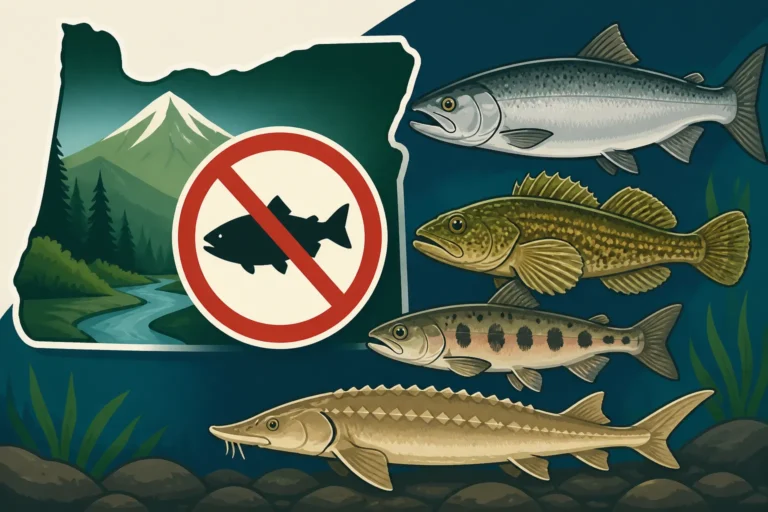
When people think of Oregon fishing, iconic species like Chinook salmon and winter steelhead often come to mind. These fish have very defined migration patterns, and rightly so, their seasons are carefully managed to ensure sustainable populations. You'll see specific windows for retention, gear restrictions, and sometimes even emergency closures due to low returns. This focus on marquee species, while critical for conservation, can inadvertently create the impression that all fishing ceases outside of these narrow windows. It’s a common misconception, leading many to pack away their rods for months, missing out on fantastic opportunities. The truth is, Oregon’s incredible biodiversity, from high mountain lakes to vast ocean expanses, provides a much broader angling calendar than many realize.
The Reality: Diverse Ecosystems and Species
Oregon is a tapestry of varied aquatic environments, each supporting its own unique cast of characters. We're not just talking about one type of river or one kind of lake. From the slow, warm waters of the Willamette Valley to the icy depths of high Cascade lakes, and from the roaring Pacific Ocean to brackish estuaries, there's a fish adapted to thrive in almost any condition throughout the year. This ecological diversity is what allows for continuous angling opportunities. Many species, particularly those that don't embark on long migrations or require specific spawning conditions, are perfectly content and catchable no matter what month it is. It's all about knowing where to look and what to target. This means understanding the local ecosystems and the species that call them home, rather than just focusing on the big, flashy migratory fish.
Freshwater Favorites Available All Year
Even when the rain is coming down in sheets or a light snow dusts the banks, many of Oregon's freshwater systems are brimming with active fish. You might not be battling a chrome bright salmon, but you'll certainly find plenty of other worthy adversaries. These species often require different tactics, but they offer consistent action and a chance to hone your skills during what many consider the "off-season."
Trout: Oregon's Resilient Angling Staple
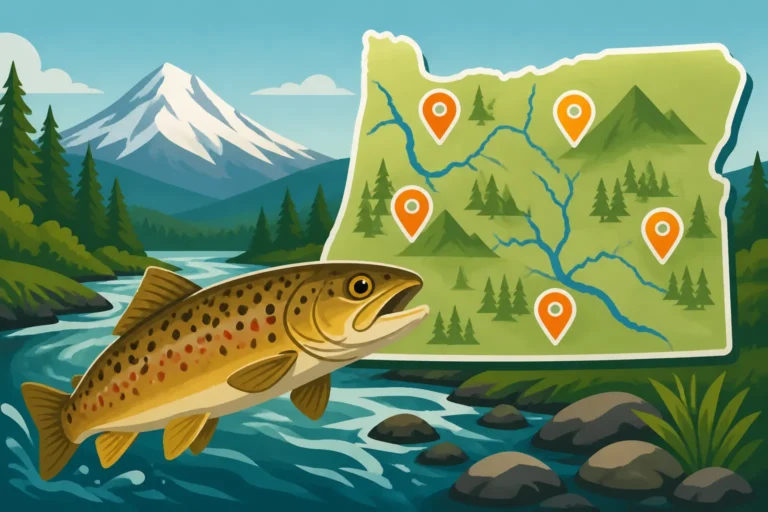
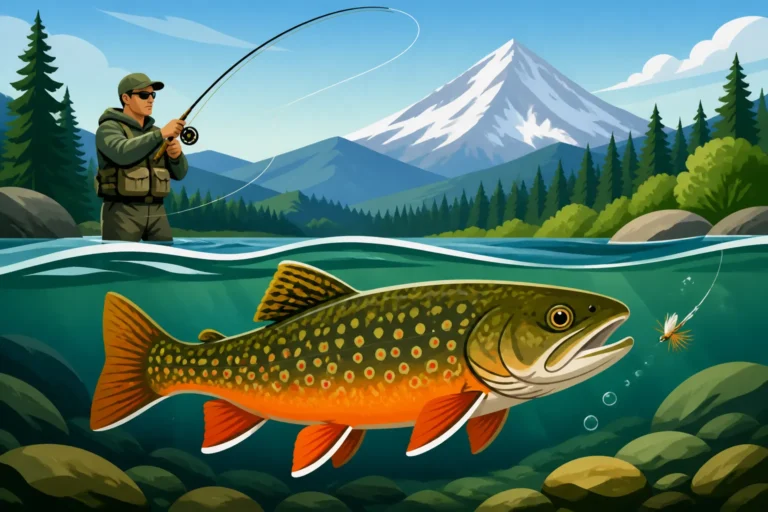
Trout, particularly rainbow and cutthroat, are true year-round workhorses in Oregon's freshwater systems. While some specific river sections might have seasonal closures for spawning or to protect wild populations, the vast majority of lakes and ponds, especially those regularly stocked by the Oregon Department of Fish and Wildlife (ODFW), remain open and productive all year. Even in winter, these fish are still active, though they might be a bit slower and require a more patient approach. Think about the myriad of stocked ponds near urban centers or even the bigger reservoirs that offer open water even when mountain lakes are frozen. These spots are consistently replenished, providing readily available targets for anglers of all skill levels. For a deeper dive into these vibrant populations, check out our Oregon Trout Species Guide.
You can often find good trout fishing in places like Henry Hagg Lake near Forest Grove or Detroit Lake in the Cascades, even in the colder months. These larger bodies of water don't freeze solid, and the trout often school up in deeper sections, making them a fun challenge to locate. Bank anglers can do well with powerbaits or worms, while boat anglers might explore trolling or jigging. The key is often to fish slower and present baits or lures closer to the bottom, where colder water-dwelling trout tend to linger. Don't forget to check the Where to find the Oregon trout stocking schedule to see which bodies of water are being actively stocked for prime year-round action.
Warmwater Fish: Bass, Perch, and Crappie
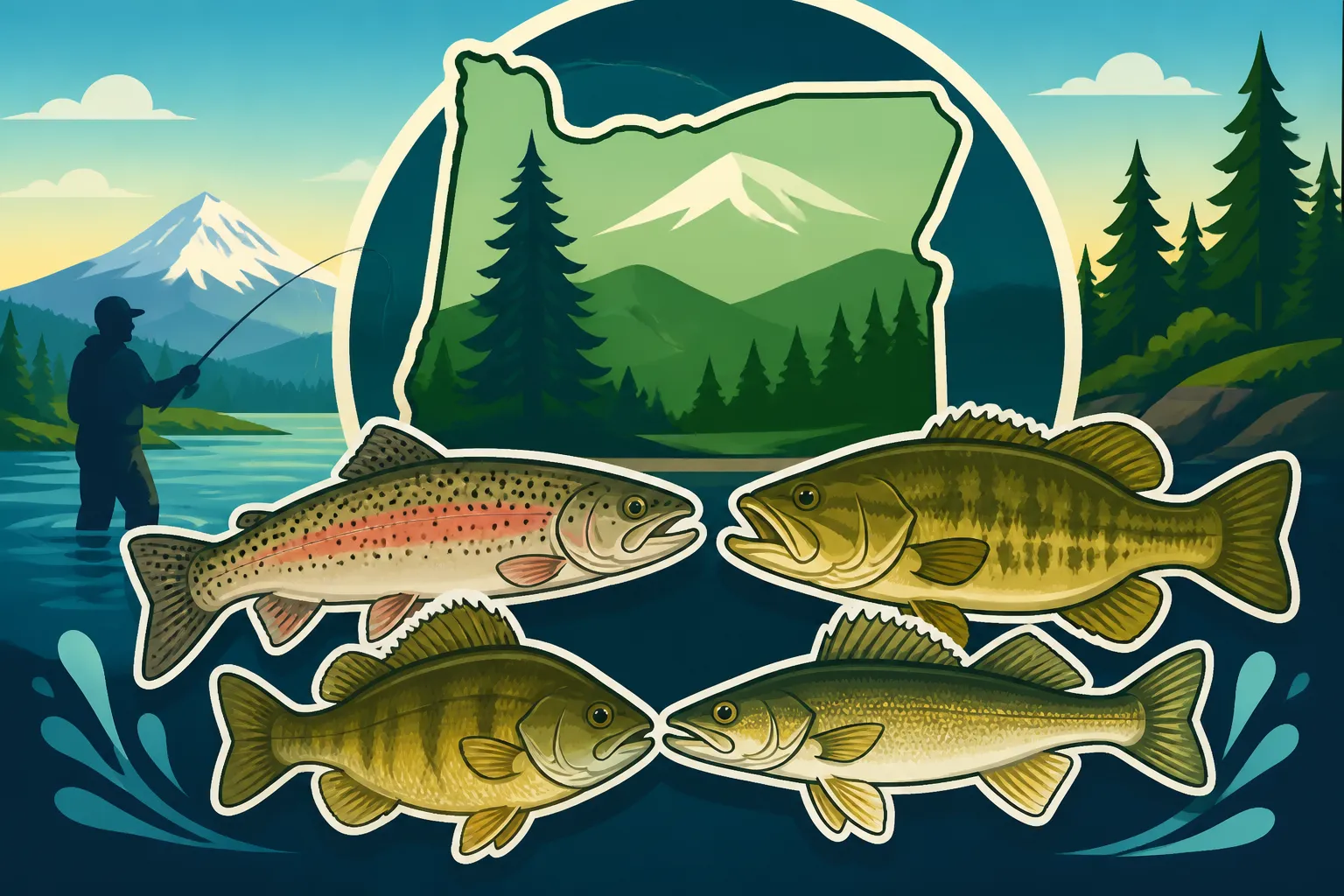
Beyond trout, Oregon's warmwater fisheries offer some of the most consistent year-round action, often overlooked by anglers focused on coldwater species. Smallmouth and largemouth bass, yellow perch, and crappie are perfectly happy in many of the state's lakes, reservoirs, and slower-moving rivers. These fish are incredibly resilient and provide fantastic sport even in the chillier months. While their metabolism might slow down a bit in winter, making them less aggressive, they are still feeding and can be caught with the right techniques. You might find them congregated in deeper holes or near structure, making them a rewarding target for those willing to adapt their methods.
Places like the Columbia River tributaries, the John Day River, and many of the large reservoirs across Central and Eastern Oregon are prime examples. Think about fishing for smallmouth bass on the John Day in the fall and early winter – while the bites might be subtle, the fish are often robust. For an exhaustive look at pursuing these species, our Oregon Bass Fishing Guide has all the details. Crappie and perch, often found schooling together, can provide fast action from docks or boats, particularly when jigging vertically over submerged timber or brush piles. The beauty of these species is their abundance and willingness to bite, making them excellent choices for keeping your skills sharp all year.
Bottom Dwellers: Sturgeon and Catfish
For anglers seeking a truly unique and powerful freshwater challenge any time of year, Oregon's sturgeon and catfish populations are hard to beat. White sturgeon, North America's largest freshwater fish, inhabit the Columbia and Willamette rivers, and while specific retention seasons are highly regulated, catch-and-release fishing is often available year-round. These ancient fish are incredible fighters, and landing one, even if you can't keep it, is an unforgettable experience. Catfish, including channel catfish and brown bullheads, are also present in many of Oregon's warmer rivers and lakes, offering fantastic action, especially for those who enjoy night fishing.
The lower Columbia River is a renowned hotspot for sturgeon, and dedicated guides run trips throughout the year. Even in the dead of winter, if the conditions are safe, you can anchor up and present baits like smelt or squid on the bottom. Remember that proper handling and release are paramount for these protected giants. For a full breakdown of targeting these giants, our Oregon Sturgeon Guide is a must-read. For catfish, target slow-moving waters or deep holes in reservoirs. Their excellent sense of smell makes them responsive to cut bait, chicken livers, or commercial stink baits. While most active in warmer months, they remain catchable year-round, especially if you find their wintering holes.
Coastal and Estuarine Opportunities Year-Round
Oregon’s stunning coastline isn’t just for summer beach trips. The vast Pacific Ocean and its intricate network of bays and estuaries provide a wealth of year-round fishing opportunities that can be incredibly productive, regardless of the calendar month. From the abundant bottom dwellers offshore to the hardy fish patrolling the surf, there's always something biting if you know where to look.
Rockfish and Lingcod: Ocean Bottomfish Bonanza
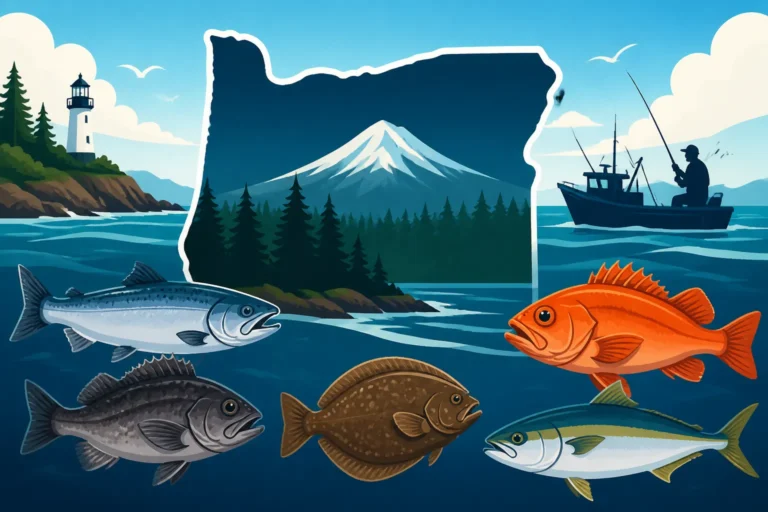
One of the most consistent year-round fisheries in Oregon is for bottomfish, primarily rockfish and lingcod. These species inhabit the rocky reefs and structures along the Oregon Coast, from shallow inshore waters to significant depths offshore. While weather can certainly impact boat access, the fish themselves are always there, providing excellent angling whenever conditions allow for a safe trip out. Many charter services operate year-round, offering bottom fishing trips from ports like Newport, Garibaldi, and Depoe Bay, whenever the ocean cooperates. These trips are often family-friendly and highly successful.
You'll find a wide variety of rockfish species, including black rockfish, blue rockfish, and sea bass, among others, all providing vigorous fights and delicious fillets. Lingcod, a voracious predator, adds another layer of excitement with its aggressive strikes and impressive size. Jigs, baited hooks, and swimbaits are all effective methods for targeting these species. Even in the dead of winter, if a weather window opens up, heading out for bottomfish can be incredibly rewarding. It's a fantastic way to enjoy the beauty of the Oregon coast and bring home some fresh seafood. For more comprehensive information, refer to our Oregon Saltwater Fish Species Guide.
Surfperch: Accessible Shoreline Action
For those who prefer to keep their feet on solid ground, surfperch offer an incredibly accessible and productive year-round fishing option right from Oregon's beaches. These feisty fish inhabit the wave-swept sandy shores and rocky areas up and down the coast, providing consistent action for anglers of all skill levels. You don't need a boat, expensive gear, or a deep understanding of complex currents; a simple surf rod, some bait, and a bit of patience are usually all it takes. This makes surfperch fishing a perfect impromptu activity for any season, whether it's a sunny summer day or a brisk winter morning.
Common species include redtail surfperch and silver surfperch, known for their strong tugs and willingness to bite. They feed on small crustaceans and invertebrates churned up by the waves. The best times are often around high tide, as the fish move closer to shore to feed. Popular baits include sand shrimp, Gulp! sandworms, or even small pieces of clam. Many beaches along the coast, from Pacific City to Florence, offer excellent access. It's a fantastic way to enjoy the solitude of the beach and still get your fishing fix, especially when river conditions might be less favorable or other seasons are closed.
Navigating Regulations for Year-Round Success
While many species offer year-round opportunities, it’s absolutely crucial to remember that "year-round" doesn't necessarily mean "no rules." Oregon's fishing regulations are designed to protect fish populations and ensure sustainable angling for everyone. Misunderstanding these rules is a common frustration, and a quick check can prevent a disappointing outing or worse. Don't assume that because a species is catchable, it's open for retention, or that the same rules apply everywhere.
Statewide vs. Zone-Specific Rules
Oregon's fishing regulations can be complex, and a major reason for this is the distinction between statewide general rules and specific zone- or waterbody-specific rules. While many trout lakes might be open year-round with a general bag limit, a specific river section known for wild steelhead runs might have a very strict catch-and-release only policy or even be closed during certain periods to protect spawning fish. Similarly, while bottomfish might be accessible year-round, there could be depth restrictions or species-specific bag limits that vary depending on the area you're fishing. It's not enough to know the species; you need to know where you're fishing for that species. This complexity is often a pain point for new anglers or those exploring new areas.
This layered approach means that while you can almost always find something to fish for, you need to consult the most current ODFW Sport Fishing Regulations booklet or their online resources religiously. This is where you'll find details on specific bag limits, size restrictions, gear requirements (like the need for barbless hooks in certain areas), and whether a particular body of water has special rules. Failing to do so can lead to violations. For example, knowing the Oregon Fishing Zones Explained will help you decipher which section of a river you're in and what specific rules apply there, which can drastically change your fishing plan.
Checking Emergency Closures and Updates
Beyond the printed regulations, Oregon's fishing landscape is dynamic. Environmental factors like drought, low water levels, or poor fish returns can trigger emergency closures or regulation changes at a moment's notice. These changes are implemented to protect vulnerable fish populations and ensure their long-term health. Imagine planning a trip weeks in advance, only to arrive and find your target waterbody closed or under new restrictions – it's a frustrating but sometimes necessary reality for conservation.
The best way to stay informed is to regularly check the ODFW's online "Recreational Sport Fishing Regulation Updates" page before every trip, especially when targeting migratory species or fishing during volatile weather periods. This page will list any emergency closures, rule modifications, or important advisories that supersede the printed regulations. This proactive approach ensures you're always fishing legally and responsibly, helping to preserve Oregon's incredible fishing resources for future generations. Keep an eye out for any news regarding Oregon Fishing Regulations Explained as they are updated regularly.
Popular Oregon Fish Species Available Year-Round
To give you a clearer picture, here's a table summarizing some of the most reliable year-round fish species in Oregon and where you can generally find them.
| Fish Species | Primary Habitat Types | General Catchability | Common Methods | Key Considerations |
|---|---|---|---|---|
| Rainbow Trout | Lakes, Reservoirs, Stocked Ponds | High (especially in stocked waters) | Bait, Spinners, Flies | Check stocking schedules; slower bite in winter; some rivers have seasonal closures. |
| Coastal Cutthroat Trout | Coastal Streams, Rivers, Estuaries, Lakes | Moderate to High | Flies, Spinners, Worms | Sea-run populations have seasonal rules; resident fish in lakes/streams often year-round. |
| Brown Trout | Coldwater Lakes, Reservoirs, Some Rivers | Moderate | Lures, Flies, Bait (often target larger fish) | Less common than rainbows, but present in specific fisheries like the Metolius. |
| Smallmouth Bass | Warmwater Rivers (John Day, Columbia), Reservoirs | High | Jigs, Crankbaits, Soft Plastics | Aggressive in warmer months, slower in winter, but still catchable in deeper water. |
| Largemouth Bass | Warmwater Lakes, Ponds, Reservoirs | High | Soft Plastics, Topwater (summer), Jigs (winter) | Found in slower, weedier waters. Less active in winter, but still present. |
| Yellow Perch | Lakes, Reservoirs | High (often in schools) | Small Jigs, Worms, Minnows | Excellent for family fishing. Locate schools for fast action. |
| Black Crappie | Lakes, Reservoirs (near structure) | High (often in schools) | Small Jigs, Minnows, Worms | Similar to perch, found near submerged brush/timber. |
| Channel Catfish | Warmwater Rivers, Reservoirs | Moderate to High | Stink Bait, Cut Bait, Worms | More active at night and in warmer water, but will bite in winter. |
| Brown Bullhead Catfish | Ponds, Sloughs, Slow-moving Rivers | High | Worms, Cut Bait | Abundant, smaller than Channel Catfish, but a fun fight. |
| White Sturgeon | Columbia River, Willamette River | Moderate (catch-and-release often) | Smelt, Squid, Lamprey, Shrimp | Highly regulated for retention; catch-and-release is often year-round with specific rules. |
| Rockfish (various) | Nearshore & Offshore Ocean Reefs | High (weather permitting) | Jigs, Baited Hooks, Swim Baits | Boat access dependent on ocean conditions; check daily limits and depth restrictions. |
| Lingcod | Nearshore & Offshore Ocean Reefs | Moderate (weather permitting) | Large Jigs, Swim Baits, Live Bait | Found with rockfish; aggressive predators. Check size and bag limits. |
| Surfperch (Redtail, Silver) | Sandy Beaches, Coastal Rocks | High | Sand Shrimp, Clams, Gulp! Sandworms | Excellent bank fishing; often best around high tide. |
Disclaimer
This article is for general informational purposes only and does not constitute professional advice. Laws, prices and regulations vary by location and change over time. Consult a qualified professional for guidance on your specific situation.