Which Oregon fish bite best in cold water
There's nothing quite like the crisp, quiet solitude of a winter morning on an Oregon river or lake. But let's be real, many anglers pack away their gear once the leaves start to fall, convinced that cold water means no fish. This couldn't be further from the truth! While some species definitely get lockjaw, Oregon is home to several fantastic fish that actually thrive, or at least remain very catchable, when the temperatures drop. This guide will walk you through which finned friends are your best bet when the water turns chilly, and how to target them successfully.
Understanding Cold Water Fishing in Oregon
When the thermometer dips, it's easy to assume all fish just shut down, right? Not entirely. While fish are cold-blooded creatures and their metabolism definitely slows down with the water temperature, certain species are built for the chill, or at least tolerate it far better than others. Understanding this is key to unlocking some incredible winter angling opportunities in Oregon.
The Biology of Cold Water Fish
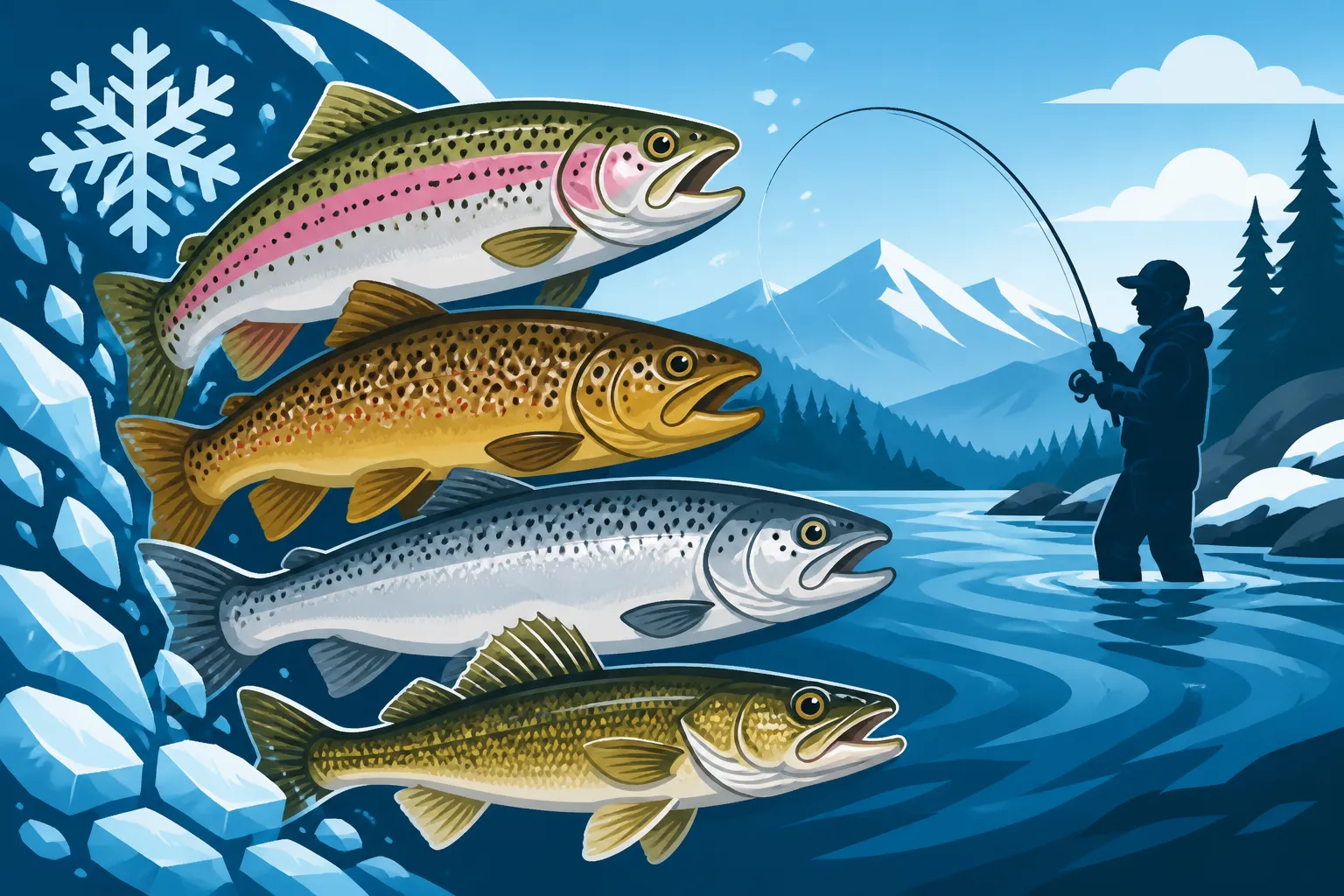
Think of it like this: just as some people love a good cozy fire and others thrive in a brisk winter hike, fish species have different preferences and tolerances for water temperature. In cold water, generally anything below 45-50 degrees Fahrenheit, a fish's metabolism slows significantly. They don't need to eat as often, and they move with less urgency. This often translates to slower, more subtle bites. However, species like steelhead and sturgeon are either actively spawning or migrating in these conditions, making them viable targets. Trout, particularly rainbow trout, are also surprisingly active in colder water, especially in lakes where they might cruise the depths for food. The cooler temperatures also mean higher dissolved oxygen levels in the water, which can actually be beneficial for fish, making them more comfortable, even if their movements are a bit sluggish.
Winter Fishing Challenges and Rewards
Fishing in winter definitely presents its own set of hurdles. The weather can be unpredictable, with rain, snow, or biting winds making conditions less than ideal. Access to some favorite spots might be limited by snow or ice, and the bites can be notoriously subtle, requiring a keen eye and quick reflexes. You might not get as many bites as on a warm summer day, and the fish you do hook will fight with a different, often more dogged, intensity due to their slower metabolism.
However, the rewards are often spectacular. Imagine having a favorite river all to yourself, the banks dusted with snow, and the only sound is the gentle drift of your line. Winter fishing offers a profound sense of solitude and connection with nature that's hard to find during the bustling peak seasons. Plus, cold water often produces bigger, stronger fish that have been packing on weight during the warmer months, making for a truly memorable catch. It's a test of patience and perseverance, but for those willing to brave the elements, the experience is incredibly gratifying.
Top Oregon Fish Species for Cold Water Angling
When you're bundling up for a chilly day on the water, you want to be sure you're targeting the right species. Luckily, Oregon has some fantastic options that don't shy away from the cold. These are the hardy heroes of winter fishing.
Steelhead: The Winter Warrior
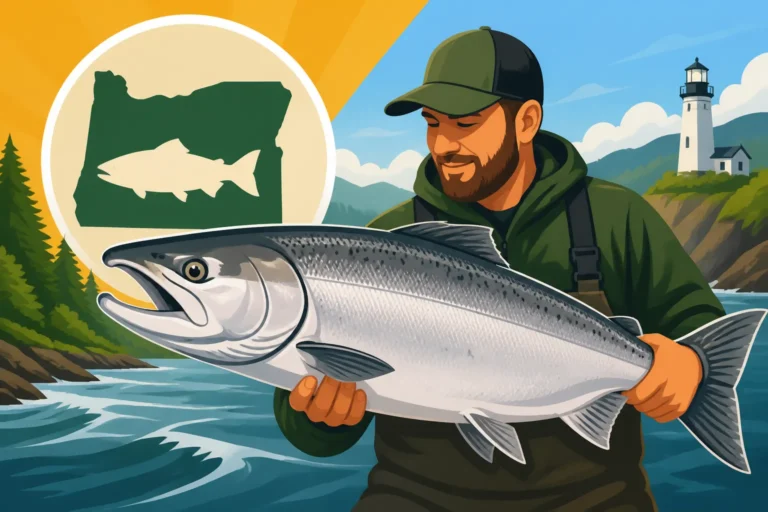
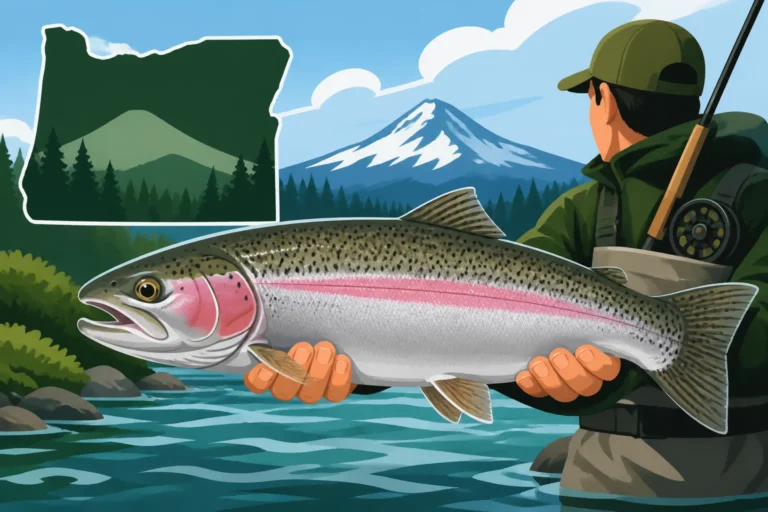
Ah, the steelhead! These magnificent sea-run rainbow trout are arguably Oregon's most iconic cold-water fish. Unlike salmon, steelhead don't necessarily die after spawning, and many return to the ocean to spawn again, earning them their "steelhead" moniker. Oregon's coastal rivers, like the Nestucca, Wilson, and Siletz, are famous for their robust winter steelhead runs. These fish enter the rivers from the ocean in the colder months, driven by instinct to spawn.
Targeting them often involves techniques that present your bait or lure slowly and methodically, acknowledging their reduced metabolism. Drift fishing with cured eggs, yarn, or small worms is incredibly popular and effective. Float fishing with jigs or bait under a bobber allows you to suspend your offering precisely in the strike zone, especially in deeper pools where steelhead tend to hold. You'll want to check out our Oregon Steelhead Guide for more in-depth techniques. The patience required to chase these fish in the often-brutal winter weather is legendary, but the reward of a chrome-bright steelhead fighting in a frigid river is a truly unforgettable experience. Many anglers specifically look forward to Winter Steelhead Run Timing in Oregon to plan their trips.
Trout: Resilient and Ready
While many think of trout as a spring and summer target, rainbow trout, in particular, remain quite active in colder waters, especially in Oregon's myriad stocked lakes and some larger river systems. Lakes like Henry Hagg Lake or Diamond Lake, while they might ice over in parts, often have open water where trout continue to forage. These fish are generally less migratory than steelhead and will often stay in deeper sections of lakes or slower pools in rivers to conserve energy.
For cold water trout, slower retrieves and smaller, more subtle presentations are key. PowerBait, worms, or small spinners and spoons fished very slowly near the bottom can be incredibly effective. Fly anglers might turn to nymphing techniques, drifting imitations of aquatic insects near the bottom. When fishing stocked lakes, remember that these fish are often less wary and more opportunistic. For more on how to tempt these resilient fish, our Oregon Trout Species Guide and tips on Best Bait for Oregon Trout Fishing will be invaluable resources.
White Sturgeon: Bottom Dwellers of the Deep
If you're looking for a truly ancient and powerful cold-water opponent, look no further than the white sturgeon in the Columbia River. These prehistoric giants are perfectly adapted to the cold, deep waters of the lower Columbia and its tributaries. While their metabolism slows like other fish, their sheer size and bottom-dwelling habits make them accessible to anglers year-round, even in the dead of winter.
Sturgeon fishing is typically done from a boat, anchoring up in deep channels and presenting large baits on the bottom. Smelt, herring, lamprey, or even sand shrimp are common offerings. The key is to use enough weight to hold your bait firmly on the bottom in the strong Columbia currents. Bites can range from a gentle tap to a rod-bending thud, so a sensitive rod tip is crucial. It’s a waiting game, but when a sturgeon decides to bite, it's an exhilarating fight that can last a long time. Dive deeper into what these incredible fish offer with our Oregon Sturgeon Guide and learn the ins and outs of How to Fish for Sturgeon on the Columbia.
Lingcod and Rockfish: Ocean Brawlers
Don't forget about the Pacific Ocean when it comes to cold-water fishing! Offshore from Oregon's rugged coastline, lingcod and various species of rockfish (like black rockfish, blue rockfish, and vermilion rockfish) offer fantastic angling opportunities throughout the colder months. These species thrive in the cool, deep ocean waters and are often available even when river fishing is challenging.
Ocean bottom fishing typically involves using heavy jigs or bait rigs dropped to the seafloor over rocky reefs and structure. Lingcod are voracious predators and will often strike large jigs or baits like whole herring. Rockfish, while smaller, are plentiful and offer consistent action on smaller jigs or baited sabiki rigs. Charter boats operate year-round from ports like Newport, Depoe Bay, and Astoria, taking anglers out to these productive grounds. Just remember, ocean fishing requires an Oregon Ocean Endorsement in addition to your regular angling license. Our guides on Lingcod off the Oregon Coast and Rockfish off the Oregon Coast will give you a comprehensive look at what to expect from these coastal brawlers.
Essential Gear and Techniques for Cold Water Success
Successfully tackling Oregon's cold waters requires more than just knowing which fish to target; it demands the right gear and a shift in your angling approach. Being prepared for the elements and understanding how fish behave in the cold will dramatically increase your chances of success.
Layer Up: Staying Warm on the Water
This might sound obvious, but staying warm is absolutely paramount for cold water fishing. If you're cold, you're uncomfortable, distracted, and ultimately, less effective. Start with a good moisture-wicking base layer – wool or synthetic are excellent choices. Avoid cotton, as it loses its insulating properties when wet. Add a warm mid-layer, like a fleece jacket, and top it off with waterproof and windproof outerwear. Quality waders are essential for river fishing, keeping you dry and warm from the waist down. Don't forget a warm hat, gloves or mittens, and insulated waterproof boots.
Trust me, there's nothing worse than numb fingers trying to tie a knot or operate a reel. Taking the time to invest in good quality cold-weather gear, perhaps checking out some highly-rated options on Amazon, will make your experience infinitely more enjoyable and keep you out on the water longer. Being warm allows you to focus on subtle bites and maintain your patience, which are critical for cold water success.
Slow and Low: Adjusting Your Presentation
When fish metabolism slows down, so does their willingness to chase. Fast-moving lures or baits that might work wonders in warmer water will often be ignored. The mantra for cold water is "slow and low." Think about presenting your bait or lure at or near the bottom, where fish tend to hold in deeper, slower water to conserve energy. Slower retrieves with lures, or subtle drifts with bait, allow the fish more time to react and decide if they want to expend the energy to eat.
For steelhead, this means a deliberate drift, ensuring your presentation is tickling the bottom. For trout, a slow retrieve of a spinner or spoon, or still fishing with bait, is often best. For sturgeon, it's all about letting that bait sit right on the riverbed, letting its scent slowly waft down current. Consider adding scent attractants to your baits or lures, as the enhanced smell can often entice a sluggish fish. Sometimes the smallest, most natural presentation, fished with extreme patience, is the ticket. You might find specialized cold-water jigs or slow-retrieve lures that are perfect for these conditions available on Amazon.
Reading the Water in Winter
Understanding where fish hold in cold water is a skill that comes with experience, but there are some general rules. In rivers, fish will often move into deeper, slower pools, or behind significant structure that breaks the current. These areas offer refuge from strong flows and help them conserve energy. Look for seams where faster current meets slower water, or deeper runs that offer a bit more warmth and protection.
On lakes, fish might congregate in deeper basins or near thermal layers if they exist. They're often less spread out than in warmer months, concentrating in specific areas where food is accessible and temperatures are stable. Observing other anglers (from a respectful distance, of course) can also offer clues to productive cold-water spots. The more you pay attention to the subtle cues of the water and surrounding environment, the better you'll become at pinpointing those elusive cold-water honey holes.
Planning Your Cold Water Fishing Adventure
Stepping out into the cold for a day of fishing means you need to be extra prepared. It's not just about the fish; it's about your safety and maximizing your chances of a successful, enjoyable trip. A little foresight goes a long way.
Checking Regulations and Forecasts
Before you even think about heading out, the absolute first step is to thoroughly check the current Oregon Department of Fish and Wildlife (ODFW) regulations. Winter often brings specific rule changes, emergency closures due to weather or fish counts, or modified bag limits for certain species and areas. What was legal last month might not be today, and ignorance is no excuse. Always consult the official ODFW fishing regulations, often found online or at local tackle shops. Understanding Oregon Fishing Regulations Explained and knowing Oregon Fishing Season Dates and Limits for your target species and location is non-negotiable.
Equally important is checking the weather forecast. Not just for the day you plan to fish, but for the days leading up to it. Heavy rains can blow out rivers, making them unfishable due to high, muddy water. Freezing temperatures can create dangerous ice or slick banks. Strong winds can make casting impossible and rapidly drop your body temperature. Knowing what to expect allows you to dress appropriately, select the right location, or even postpone your trip for another day if conditions are too hazardous. Don't take chances with Oregon's sometimes wild winter weather.
Safety First: Precautions for Winter Angling
Cold water fishing presents unique safety concerns that simply aren't as prevalent during the warmer months. Hypothermia is a very real danger; falling into frigid water can be deadly in minutes. Always wear a personal flotation device (PFD), especially when wading in rivers or fishing from a boat. Tell someone where you're going and when you expect to return. Consider fishing with a buddy, or at least in an area where others might be present.
Beyond the water itself, icy or muddy banks can be extremely slippery. Wear appropriate footwear with good traction, and use a wading staff if you're venturing into a river. Carry a small emergency kit with a first-aid kit, a whistle, a fire starter, and some high-energy snacks. Even a simple thermos of hot coffee or tea can be a lifesaver. Being prepared for the worst-case scenario means you can enjoy the peace and quiet of winter fishing with greater confidence. You can find robust safety gear and reliable waterproof bags for your essentials on Amazon, ensuring your phone and extra layers stay dry.
| Fish Species | Prime Cold Water Locations | Common Cold Water Techniques | Best Time (General) | Key Gear Considerations |
|---|---|---|---|---|
| Steelhead | Coastal Rivers (Wilson, Nestucca) | Drift fishing, Float fishing | Winter (Dec-March) | Sensitive rod, cured eggs, jigs, warm waders |
| Rainbow Trout | Stocked Lakes, Slower Rivers | Bait fishing, Small Lures | Year-round (post-stock) | Light tackle, PowerBait, worms, small spinners |
| White Sturgeon | Lower Columbia River | Bottom fishing with large bait | Year-round (reg-dependent) | Heavy rod/reel, strong line, large circle hooks, bait |
| Lingcod | Offshore Ocean Reefs | Jigging, Bottom fishing | Year-round | Heavy jigs, robust tackle, ocean-rated boat/charter |
| Rockfish | Offshore Ocean Reefs | Jigging, Bottom fishing | Year-round | Smaller jigs, bait rigs, ocean-rated boat/charter |
Disclaimer
This article is for general informational purposes only and does not constitute professional advice. Laws, prices and regulations vary by location and change over time. Consult a qualified professional for guidance on your specific situation.