Are northern pike found in Oregon?
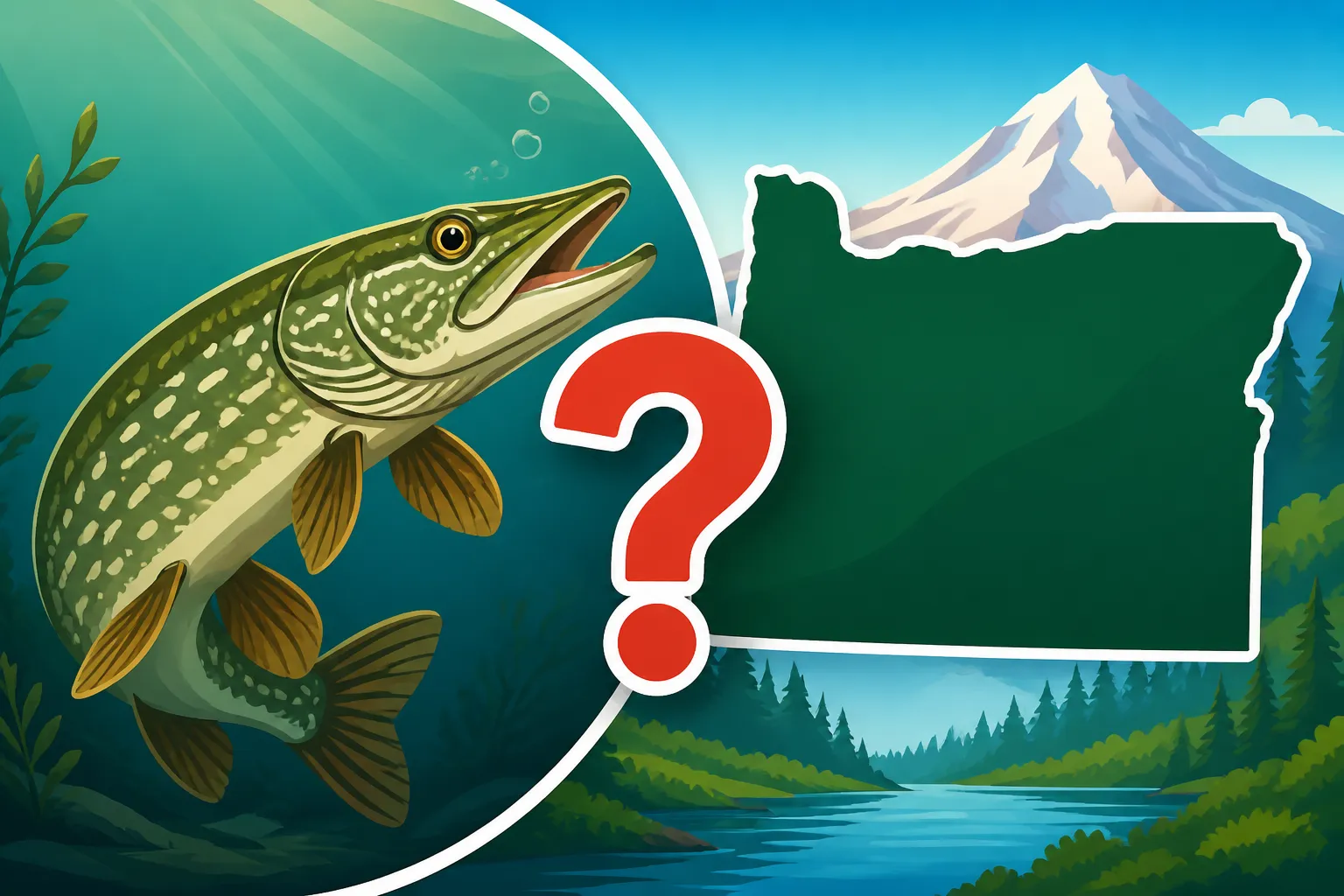
There’s a constant undercurrent of worry for anyone who loves spending time on Oregon’s pristine waters, whether it’s for salmon, steelhead, or trout. We all cherish our native fisheries, and the threat of invasive species looms large in the minds of many anglers. You might have heard whispers or seen warnings about various aquatic invaders, and a common question that pops up in conversations on the riverbank or at the tackle shop is, “Are Northern Pike found in Oregon?” It’s a completely valid concern, and thankfully, the straightforward answer is largely a sigh of relief, though vigilance remains absolutely key. This guide will dive deep into why Northern Pike are such a threat, Oregon’s proactive measures to keep them out, and how every angler can help protect our beloved rivers and lakes from this voracious predator.
The Short Answer: Are Northern Pike in Oregon?
Let's cut right to the chase because this is probably what's keeping you up at night, dreaming of these toothy invaders. As of right now, Oregon has not confirmed any established populations of Northern Pike within its waters. That's fantastic news and a testament to the diligent efforts of our wildlife agencies and the angling community. However, this doesn't mean we can drop our guard. The threat is very real, and invasive species can spread rapidly if introduced, often by illegal means. The fear isn't that they are here en masse already, but that a rogue angler or well-meaning but misguided individual could transport them, either knowingly or unknowingly, from areas where they do exist.
This state of "not yet present" is something Oregon works incredibly hard to maintain. Our native fish, like the iconic salmon and steelhead, simply aren't equipped to deal with a predator like the Northern Pike. Imagine trying to protect a delicate ecosystem from a foreign invader that eats everything in sight – it's a monumental task. Every angler in Oregon plays a crucial role in ensuring that this answer remains "no" for the foreseeable future. It's a collective responsibility, and understanding the threat is the first step in prevention.
Why the Concern? Understanding Northern Pike's Impact
So, why all the fuss about Northern Pike specifically? What makes them such a boogeyman in the world of aquatic invasives? Well, these aren't your average panfish, folks. Northern Pike (scientific name Esox lucius) are incredibly effective, voracious predators. They grow quickly, possess a mouthful of razor-sharp teeth, and have an insatiable appetite. Their long, torpedo-shaped bodies allow them to ambush prey with incredible speed and power, making them a top-tier predator in any environment they inhabit.
The real problem lies in their adaptability and diet. Northern Pike will eat just about anything that moves and fits into their cavernous mouths: smaller fish, insects, amphibians, small mammals, and even ducklings. When introduced to a new ecosystem where native species haven't evolved alongside such a formidable predator, the results can be catastrophic. They can quickly decimate populations of native fish, leading to dramatic shifts in the food web and overall ecosystem health. For example, if Northern Pike were to establish themselves in a river system critical for salmon runs, they could gobble up juvenile salmon, which are already facing so many challenges. This isn't just a concern for the fish; it impacts the entire ecological balance and, frankly, our cherished fishing opportunities.
Where Northern Pike Are a Problem (Outside Oregon)
To truly grasp the level of concern, it helps to look at places where Northern Pike have become established invaders. Just across the border in Washington, for instance, efforts have been underway for years to control and eradicate Northern Pike in certain river systems, notably parts of the Columbia River Basin and the Pend Oreille River. These programs are incredibly expensive and labor-intensive, often involving gillnetting, electrofishing, and even bounty programs to incentivize anglers to remove them.
The situation in these areas serves as a stark warning for Oregon. Once established, Northern Pike are extremely difficult to eradicate. They breed prolifically, can tolerate a wide range of water conditions, and grow to impressive sizes, making them a challenging opponent for any fisheries management agency. The success of efforts in Washington to prevent their spread into other parts of the Columbia system, and by extension, Oregon, is vital. It’s a constant battle, and their presence even in neighboring states keeps Oregon on high alert. This constant threat just underscores why knowing your fish and keeping an eye out is so important for every angler.
Oregon's Vigilance: Preventing an Invasion
Oregon's Department of Fish and Wildlife (ODFW) takes the threat of invasive species, especially Northern Pike, very seriously. Protecting our natural resources, particularly our precious salmon and steelhead runs, is a top priority. This isn't just about maintaining fishing opportunities; it's about preserving the ecological integrity of our state and the cultural heritage tied to these iconic fish. The state's proactive stance is a multi-faceted approach, combining scientific monitoring, public education, and strict enforcement.
When you think about the incredible diversity of fish in Oregon, from the coastal cutthroat to the magnificent Chinook, it’s clear why we need to be so careful. Any introduction of a non-native, predatory species like Northern Pike could unravel decades of conservation efforts. The ODFW monitors water bodies, especially those connected to areas where pike are known to exist, to detect any early signs of their presence. They also engage in public outreach to educate anglers, boaters, and the general public about the dangers of moving fish between water bodies.
The Threat to Native Fisheries
Let's get specific about what's at stake. Oregon is famous for its incredible anadromous fish, those species that migrate from freshwater to saltwater and back again. Our Oregon Salmon Species Guide highlights the various types of salmon, including Chinook and Coho, that are vital to our ecosystems and economy. Similarly, the Oregon Steelhead Guide showcases another magnificent migratory fish that draws anglers from all over the world. Even our resident Oregon Trout Species Guide would be severely impacted.
Northern Pike, with their voracious appetites, would view these juvenile salmon, steelhead smolts, and even adult trout as easy meals. Imagine a river where young salmon are trying to make their way to the ocean, only to be met by a gauntlet of hungry pike. The survival rates would plummet, directly impacting future returns and devastating populations that are already facing habitat loss, climate change, and other pressures. It's not just the direct predation; pike also compete with native predators for food, further disrupting the delicate balance. The long-term consequences could be irreversible, changing the character of Oregon fishing forever.
What Oregon is Doing to Protect Its Waters
Oregon's approach to keeping Northern Pike out is robust and involves several key strategies. Firstly, there’s continuous monitoring. ODFW biologists routinely sample various waterways, especially those with connections to pike-infested areas, looking for any evidence of their presence. This can involve trapping, electrofishing, and analyzing environmental DNA (eDNA), which can detect the presence of a species from the tiny genetic traces it leaves in the water.
Secondly, public education is paramount. ODFW actively promotes the "Clean, Drain, Dry" message for all boats and gear to prevent the spread of aquatic invasive species, not just pike. They also emphasize the illegality and severe consequences of illegally introducing fish into public waters. If you're ever caught violating Oregon Fishing Regulations Explained by moving live fish, the Oregon Fishing Violations and Penalties can be steep, and for good reason—the stakes are incredibly high. The agency also works with neighboring states, like Washington, to coordinate prevention and control efforts along shared waterways like the Columbia River. It's a collaborative effort, and every responsible angler is a partner in this critical mission.
What Anglers Can Do: Be Part of the Solution
As anglers, we have a unique connection to Oregon's waters and a significant role to play in protecting them. We are often the first eyes on the water, the ones who notice unusual things or changes in fish populations. Our active participation is not just helpful; it's absolutely essential in the fight against invasive species like Northern Pike. Think of yourself as an immediate line of defense, a guardian of our native fish.
The responsibility extends beyond simply following the rules; it's about being proactive and informed. If you're passionate about Best Places to Fish in Oregon and want to ensure they remain vibrant for generations to come, then understanding how to identify and report potential invasive species is crucial. It's a small effort that can have massive, positive impacts on the health of our fisheries. And let's be honest, protecting our fishing means protecting our passion.
Identifying Potential Invasive Species
Okay, so if Northern Pike aren't supposed to be here, how would you know if you caught one? This is where your identification skills come in handy. It’s easy to mistake certain native fish for invasive ones if you don’t know what you’re looking for. The Northern Pikeminnow, for example, is a native fish found in Oregon, and while it might look a little like a pike to an untrained eye, there are distinct differences.
Here's a quick comparison to help you distinguish a Northern Pike from some native Oregon fish you might encounter:
| Feature | Northern Pike (Invader) | Northern Pikeminnow (Native) | Rainbow Trout (Native) |
|---|---|---|---|
| Body Shape | Long, slender, distinctly "torpedo-like" | Long, slender, more cylindrical | Streamlined, often chunkier |
| Snout/Mouth | Large, flattened "duck-bill" snout, prominent, sharp teeth | Pointed snout, smaller mouth, no teeth on jaws (pharyngeal teeth inside) | More blunt snout, smaller mouth, fine teeth |
| Dorsal Fin | Single, located far back, near the tail fin | Single, centrally located on the back | Single, centrally located, often with spots |
| Tail Fin | Deeply forked | Moderately forked | Moderately forked |
| Coloration | Dark green to olive green back, light-colored spots or bean-shaped markings on sides | Silvery, brassy or olive green back, white belly | Iridescent, often with a distinct pink stripe |
| Pectoral/Pelvic Fins | Often reddish or orange | Clear to yellowish | Varying, often clear or slightly colored |
| Predatory Nature | Highly aggressive, eats anything it can fit, including large fish | Opportunistic, eats smaller fish, insects, eggs, does not have the same predatory impact | Opportunistic, eats insects, small fish |
If you catch a fish that strongly matches the Northern Pike description, particularly the duck-bill mouth and far-back dorsal fin, do NOT release it. This is not a situation where catch-and-release applies.
Reporting Suspicious Catches
So, you’ve reeled in something that looks like a Northern Pike. What do you do? First and foremost, do not release it back into the water. This is perhaps the most critical action you can take. If it truly is a Northern Pike, releasing it could lead to its establishment and devastating consequences for native fish.
Instead, carefully retain the fish. Take clear photographs from multiple angles, especially showing the head, mouth, body shape, and fin placement. Note the exact location where you caught it, including GPS coordinates if possible, and the date and time. Then, immediately contact the Oregon Department of Fish and Wildlife (ODFW). You can usually find contact information on their website or in the current Oregon Fishing Regulations Explained booklet. They will want to know the details and may ask you to preserve the fish for positive identification. This swift action can make all the difference in preventing a major ecological crisis. Your quick response truly is a vital part of protecting Oregon's fisheries.
Gear and Education: Equipping Yourself for Responsible Angling
Being a responsible angler in Oregon means more than just knowing the regulations; it’s about having the right gear and the right mindset. When we talk about preventing the spread of invasive species, our equipment and our knowledge base are our first lines of defense. This isn't just about what you use to catch fish, but also how you prepare and maintain your gear to ensure you're not inadvertently contributing to a problem.
Beyond physical gear, your commitment to continuous learning is equally important. The threats to our fisheries evolve, and so too must our understanding and vigilance. Staying informed about current issues and best practices helps us all become better stewards of Oregon's incredible aquatic resources. It's a lifelong journey of learning and participation, and it starts every time you head out to fish.
Essential Gear for Ethical Fishing
When it comes to ethical fishing and preventing the spread of invasive species, your gear can be your best friend or your worst enemy. It starts with the basics: clean gear. Whenever you move from one water body to another, whether it's a different river or a new lake, it's paramount to "Clean, Drain, Dry" your boat, waders, boots, and all fishing equipment. This simple practice removes any hitchhiking aquatic plants, snails, or microscopic organisms that could be invasive. You might find specialized cleaning brushes or sprays on online retailers like Amazon that make this process easier.
Beyond cleaning, consider your tackle. Using appropriate Oregon Bait and Lure Guide for the specific species you're targeting and the regulations of the water body is crucial. Avoid using live bait from one water system in another, as this is a common way invasive species are introduced. Many anglers keep a dedicated invasive species kit—perhaps a small tackle box filled with relevant information, measuring tape, and a camera—ready for any suspicious catch. A good quality camera (many phones work great!) is essential for documenting any potential pike catch before contacting ODFW. Having a reliable multi-tool, also readily available on Amazon, can also be helpful for quickly dealing with unusual catches.
Staying Informed About Oregon's Aquatic Invaders
Education is a powerful tool in preventing invasive species. The more you know, the better equipped you are to identify threats and act responsibly. Regularly checking the Oregon Department of Fish and Wildlife (ODFW) website for updates on invasive species, emergency regulations, or public notices is a fantastic habit. They often have detailed guides and identification sheets that can be downloaded to your phone or printed. Consider it part of your routine, just like checking the weather or the tide charts before you go fishing.
Joining local fishing clubs or online forums dedicated to Oregon fishing can also be incredibly valuable. These communities are often the first to hear about new threats or sightings, and they provide a platform for sharing knowledge and best practices. You might even find helpful books or field guides on Amazon that specifically cover Oregon's fish species and common invasive threats, which can be an excellent resource to keep in your tackle box or boat. Understanding your role in protecting our waters is the most important piece of "gear" you can carry. By staying informed, you not only protect the fish but also ensure that future generations can enjoy the incredible angling experiences Oregon has to offer.
Disclaimer
This article is for general informational purposes only and does not constitute professional advice. Laws, prices and regulations vary by location and change over time. Consult a qualified professional for guidance on your specific situation.