Where to catch mackinaw lake trout in Oregon
Ah, the mighty Mackinaw! If you're an angler in Oregon, the thought of wrestling with one of these deep-water giants often fills you with a mix of excitement and a touch of mystery. Many folks hit the lakes hoping to stumble upon a trophy, but the truth is, Mackinaw (also known as Lake Trout) are a bit particular about where they set up shop. This guide is all about cutting through the guesswork and pointing you toward the prime locations and strategies for finding these incredible fish in the Beaver State.
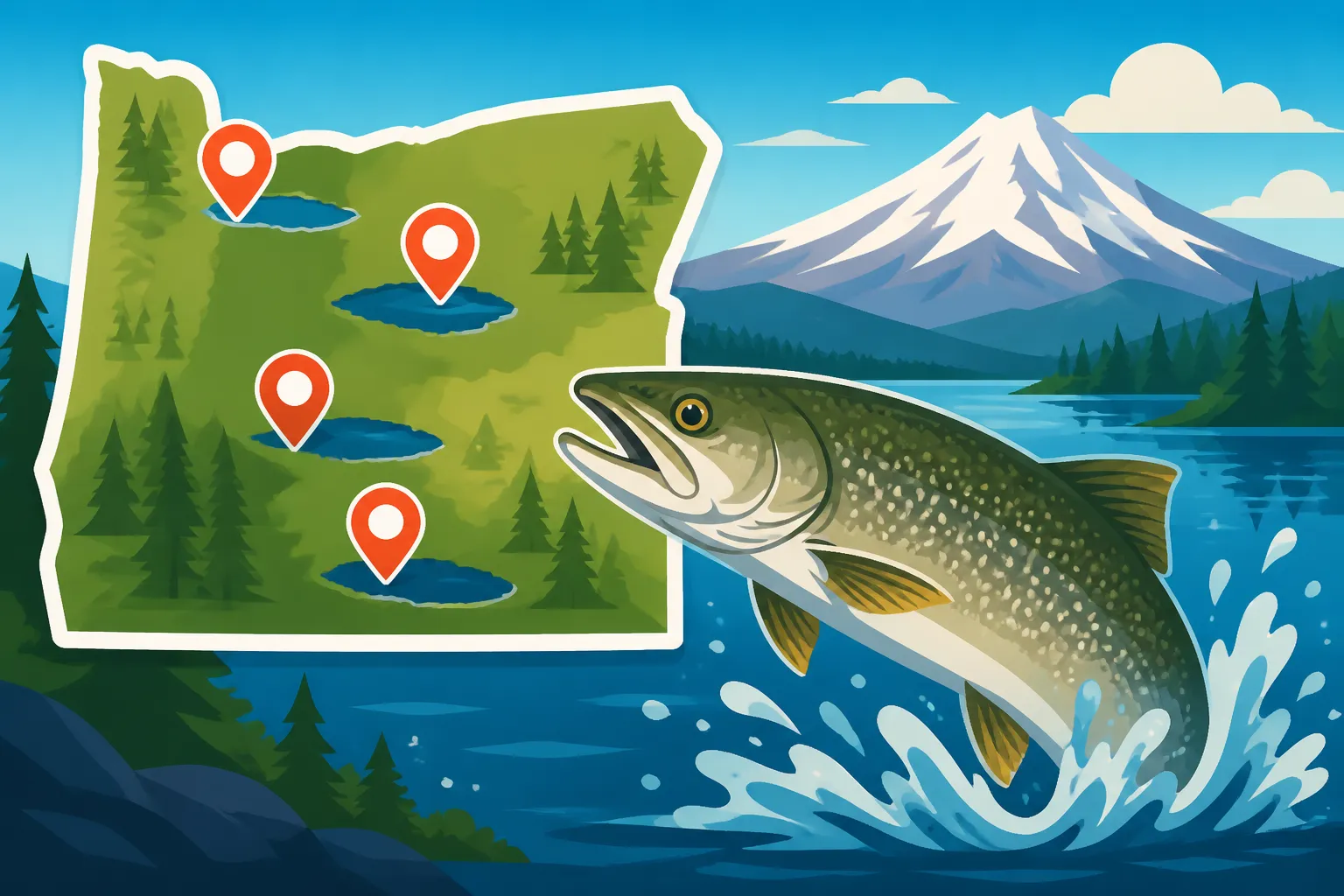
The Mackinaw Strongholds: Key Lakes in Oregon
When it comes to targeting Mackinaw in Oregon, a few names consistently rise to the top. These aren't your average trout ponds; we're talking about deep, cold, and often vast bodies of water that provide the ideal habitat for these impressive predators. If you're serious about hooking into a Mackinaw, these are the places you absolutely need to explore.
Odell Lake: The Premier Destination
Without a doubt, Odell Lake stands as Oregon's undisputed king for Mackinaw. Located in the central Oregon Cascades, this sprawling, deep lake is practically synonymous with big Lake Trout. It's a natural glacial lake, reaching depths of over 280 feet, which provides the perfect year-round cold water environment that Mackinaw crave. Anglers flock here specifically for the chance to catch these powerful fish, and the lake consistently produces impressive specimens.
What makes Odell so special for Mackinaw isn't just its depth; it's also its abundant forage base. Odell is home to a robust population of kokanee salmon, which serve as the primary food source for growing Mackinaw. This rich buffet allows the Mackinaw to grow to substantial sizes, with fish weighing into the double digits being relatively common, and true trophies pushing well over 20 pounds not unheard of. Many anglers dream of a fish that might challenge the state record, and How big do mackinaw get at Odell Lake is a question frequently asked, with impressive answers. The key to success here often involves understanding the lake's contours, locating schools of kokanee, and then presenting your offering at the right depth.
Crescent Lake: A Scenic Alternative
Just a stone's throw from Odell Lake, you'll find Crescent Lake, another fantastic option for Mackinaw. While perhaps not as renowned as Odell for sheer size potential, Crescent still offers excellent Mackinaw fishing, often with a more serene, less crowded experience. Crescent is also a deep, cold-water lake, though slightly shallower than Odell, maxing out around 300 feet. It shares a similar ecosystem with Odell, including a healthy population of kokanee, making it a natural fit for Lake Trout.
Fishing Crescent Lake for Mackinaw involves many of the same techniques used on Odell, primarily deep trolling or jigging. The fish here can still reach very respectable sizes, providing a thrilling fight. If you find Odell a bit too busy, or simply want to explore another beautiful Cascade lake with similar potential, Crescent is an outstanding choice. Its stunning mountain backdrop and generally calmer waters make for a truly enjoyable day on the water, whether you're chasing trophy Mackinaw or just soaking in the scenery.
Cultus Lake: Smaller but Still Productive
For those looking for a slightly different experience, or perhaps a less-pressured spot, Cultus Lake also holds a population of Mackinaw. Located just north of Odell and Crescent, Cultus is a smaller, somewhat shallower lake, with a maximum depth of around 212 feet. It's often overlooked by anglers singularly focused on the giants of Odell, but Cultus can still offer good action for Mackinaw, particularly if you prefer a more intimate lake setting.
While the average size of Mackinaw in Cultus might be a bit smaller than those in Odell, the lake can still produce quality fish, and sometimes offers an easier bite due to less fishing pressure. The habitat for Mackinaw here is similar, with cold, clear water and a good supply of forage. It’s a great lake to try if you're exploring the area and want to add another potential Mackinaw spot to your list. Remember, even smaller lakes can hold surprising lunkers, and exploring these less-famous spots can often lead to a memorable day on the water.
Understanding Mackinaw Behavior and Habitat
To successfully target Mackinaw, it’s crucial to understand their preferred environment and habits. These aren't your typical stream-dwelling trout; they are specialized predators perfectly adapted to specific conditions. Knowing what makes them tick will significantly increase your chances of finding them and getting a bite.
Deep, Cold Water Preference
Mackinaw are fundamentally cold-water fish, and this dictates their primary habitat. They thrive in lakes with significant depth, often seeking out areas where water temperatures remain consistently low, typically below 55 degrees Fahrenheit. This isn't just about comfort; it's also about oxygen. Cold water holds more dissolved oxygen, which these fish need to survive. This is why you'll primarily find them in the deep trenches, drop-offs, and submerged structures of lakes like Odell and Crescent.
During the warmer months, especially, Mackinaw will retreat to the deepest parts of the lake, sometimes hanging out hundreds of feet down. In the spring and fall, when surface waters cool, they might move up into slightly shallower water, but they are almost always associated with significant depth and structure. Understanding this behavior is paramount; you won't find Mackinaw cruising the shallows or lingering in warm bays. Your sonar becomes your best friend in these situations, helping you locate the specific depths and underwater contours where these fish are likely holding.
Forage and Feeding Habits
Mackinaw are apex predators in their ecosystems, and their diet primarily consists of smaller fish. In Oregon's Mackinaw lakes, the main course is often kokanee salmon. These landlocked sockeye salmon provide a rich, fatty food source that allows Mackinaw to grow large and powerful. Besides kokanee, Mackinaw will also feed on sculpins, chubs, and other smaller baitfish present in their lake environments. This predatory nature influences the types of lures and baits that are most effective.
When fishing for Mackinaw, you'll want to "match the hatch" by using lures or bait that imitate their natural prey. Large spoons, plugs, and minnow imitations are often highly effective. Understanding where the forage fish are (which often show up as bait balls on your sonar) is key to finding the Mackinaw themselves. If you can locate schools of kokanee in deep water, you're likely in the right area for hungry Lake Trout. This constant pursuit of their food source makes Mackinaw active hunters, but you have to put your offering directly in their strike zone, which usually means deep.
Seasonal Movements
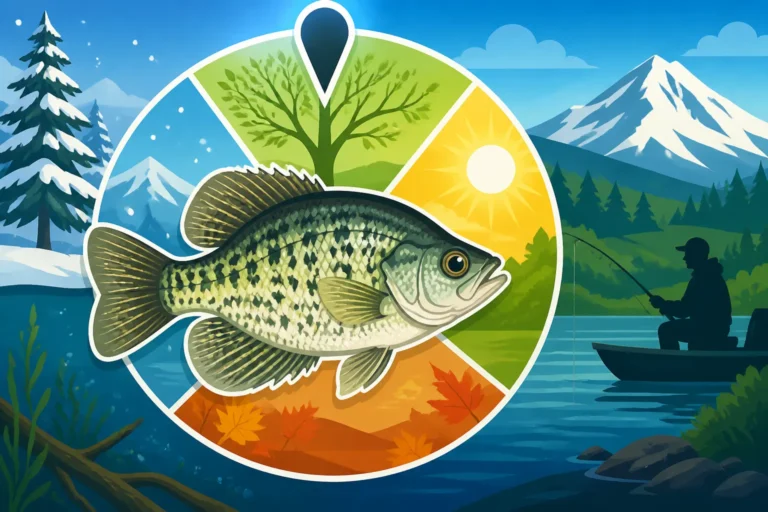
While Mackinaw generally prefer deep water year-round, there can be subtle seasonal movements worth noting. During the warmest parts of summer, they will be at their deepest, often suspending over very deep water or hugging bottom structures in the coolest zones. As fall approaches and water temperatures begin to drop, they may become more active and occasionally move into slightly shallower areas, especially closer to their spawning grounds, which are typically rocky reefs or shoals in deep water.
In late fall and early winter, once surface temperatures really plummet, Mackinaw can sometimes be found a bit shallower for periods, particularly near structures where they might be staging for spawning or actively feeding before the deepest winter chill sets in. Ice fishing, where permitted, can also be a popular method in the coldest months, allowing direct access to deep-water holes. However, for the majority of the open water season, focusing on the deep, cold sections of the lake will be your most consistent strategy. Understanding Oregon Fishing Seasons Explained can help you time your trip for optimal conditions, though Mackinaw are typically a year-round target in their deepwater homes.
Essential Gear and Techniques for Oregon Mackinaw
Catching Mackinaw isn't just about knowing where they are; it's about having the right tools and employing the right strategies to get your bait or lure in front of them, hundreds of feet down. These fish are powerful, and the methods for targeting them are specialized.
Trolling for Deepwater Success
Trolling is arguably the most effective technique for covering vast expanses of water and consistently putting lures in the Mackinaw's strike zone. Because Mackinaw live so deep, specialized equipment is essential. Downriggers are practically a necessity, allowing you to precisely control the depth of your lure. Lead core line can also be effective for reaching depths without downriggers, though it requires more skill and estimation. Heavy weights, sometimes several pounds, are needed if you're not using downriggers, to get your gear down.
When trolling, speed is critical. Mackinaw often prefer a slower, methodical presentation, typically between 1.5 to 2.5 miles per hour. Lure choices are varied but often include large spoons (like those from Pro-Troll or Coyote), dodgers or flashers paired with a small hoochie or fly, or deep-diving plugs (such as Kwikfish or Mag Lip). Experiment with different colors and sizes until you find what the fish are keying in on. Many anglers find great deals on these specialized Oregon Trolling and Boat Fishing Techniques specific items, from downrigger balls to various deep-diving lures, by browsing reliable online retailers like Amazon. Having a diverse tackle box will allow you to adapt to changing conditions and fish preferences.
Vertical Jigging and Still Fishing
While trolling covers water, vertical jigging and still fishing can be incredibly effective once you've located a school of Mackinaw or a specific piece of structure holding fish. This is where your fish finder truly shines. When you mark fish or promising structure, you can drop jigs or bait directly down to them. Heavy jigs, often weighing several ounces, are necessary to get down quickly and stay vertical in deep water. Popular choices include lead jigs, tube jigs, or even large spoons.
For jigging, a lift-and-drop retrieve is common, mimicking a wounded baitfish. Experiment with the cadence and height of your jigging motion. Still fishing with bait can also be highly productive. Cut bait (like a piece of kokanee or a larger minnow), a whole large nightcrawler, or even specialized scent-infused baits can be fished on a dropper rig, again, right on the bottom or suspended just above marked fish. This method requires patience but can be deadly when fish are concentrated. Be sure to use scent if you are still fishing; the deeper the water, the more important those olfactory cues become.
Recommended Tackle and Electronics
Your conventional fishing gear simply won't cut it for deep-water Mackinaw. You'll need stout rods, typically 7 to 8 feet long, with a medium-heavy to heavy action to handle heavy weights, powerful fish, and the strain of deep-water retrieval. Reels should be robust baitcasting or level-wind models with a high line capacity, spooled with strong braided line (at least 30-50 lb test), often with a fluorocarbon leader of 15-25 lb test. Braided line is crucial because it has virtually no stretch, allowing you to feel subtle bites from deep down.
Beyond rods and reels, a high-quality fish finder or sonar unit is absolutely non-negotiable. This isn't just a luxury; it's an essential piece of equipment for locating depths, identifying underwater structure, and most importantly, marking fish and bait schools. Side-scanning and down-imaging capabilities can give you a massive advantage. You'll also want to invest in a good net with a deep basket and perhaps a landing gaff for truly large fish. Remember, having reliable gear is key to success and enjoyment on the water, and many anglers find that quality fishing electronics and robust tackle can be conveniently purchased from retailers like Amazon, offering a wide range of options to suit various needs and budgets. Don't skimp on your terminal tackle either; strong swivels, snaps, and hooks are vital when fighting a hard-pulling Mackinaw.
Planning Your Mackinaw Adventure
A successful Mackinaw trip involves more than just knowing where the fish are; it requires thoughtful planning, adherence to regulations, and a strong emphasis on safety. These are wild places, and preparation is paramount.
Regulations and License Considerations
Before you even think about dropping a line, make sure you are fully compliant with Oregon's fishing regulations. Every angler needs a valid Oregon fishing license. You'll want to check the current Oregon Department of Fish and Wildlife (ODFW) sport fishing regulations for the specific lake you plan to fish. This includes bag limits, size restrictions, and any special tackle restrictions that might be in place. Regulations can change seasonally or annually, so always consult the most current ODFW synopsis or website before your trip. For a full breakdown of what you need, check out our guide on the Oregon Fishing License Guide.
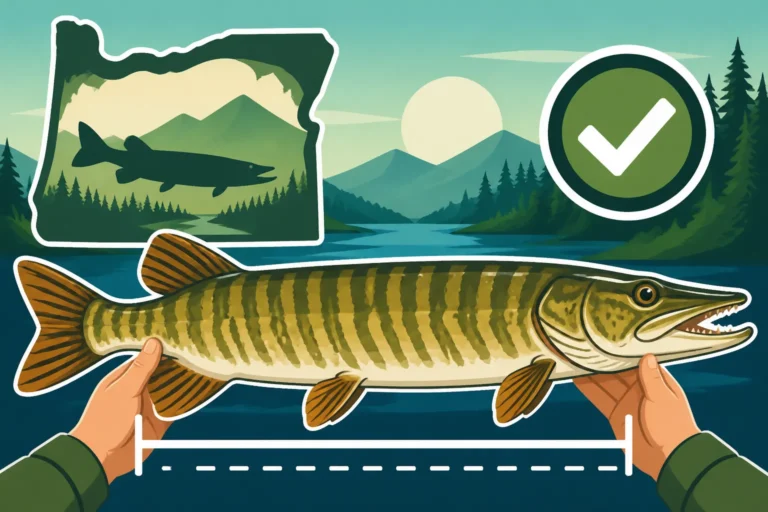
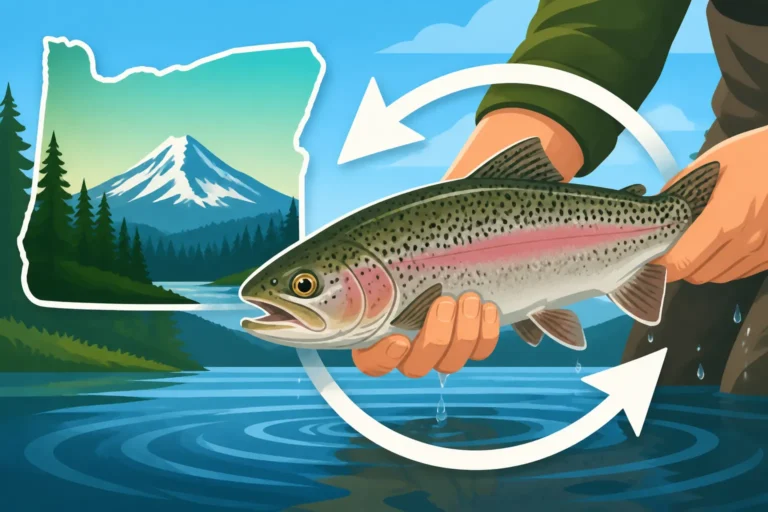
Specific regulations for Mackinaw in Odell, Crescent, and Cultus Lakes often involve length limits (e.g., minimum and maximum sizes, or slot limits), and sometimes reduced bag limits for larger trophy fish. Make sure you understand how to properly measure your fish and are prepared to release any that don't meet the legal requirements safely. Failing to follow regulations can result in hefty fines and penalties, and we certainly don't want anyone dealing with Fishing Without a License Penalties in Oregon or other violations.
Best Times to Visit
While Mackinaw are present year-round in their deepwater haunts, certain times of the year can offer more favorable fishing conditions or better access. The late spring, summer, and early fall months are generally the most popular for open-water boat fishing. During this period, the weather is typically more stable, and access to the lakes is unrestricted by snow and ice. This is also when kokanee populations are active, providing ample forage for the Mackinaw.
For those who enjoy ice fishing, the winter months, typically December through March, can be an excellent time to target Mackinaw through the ice, especially on Odell and Crescent Lakes, once conditions are safe. Always check ice thickness and local conditions before venturing out. Regardless of the season, early mornings and late evenings can often be prime feeding times, though deep-water Mackinaw can be caught throughout the day. Paying attention to weather fronts and barometric pressure, as discussed in Best Time of Year to Fish in Oregon, can also influence your success.
Safety on Deep, Cold Lakes
Fishing for Mackinaw often means being on large, deep, and often cold mountain lakes. Safety should always be your top priority. Always wear a life jacket, especially if you're in a smaller boat or if conditions are rough. Lake temperatures, even in summer, remain frigid in the deeper sections, and hypothermia can set in quickly if you fall overboard. Bring extra layers of warm, waterproof clothing, as mountain weather can change rapidly.
Inform someone of your float plan – where you're going, when you expect to return, and who is with you. Carry emergency supplies, including a first-aid kit, communication devices (cell service can be spotty in the Cascades, so a satellite messenger might be wise), extra food and water, and safety signaling devices. Ensure your boat is in excellent working order, with all necessary safety equipment onboard (flares, horn, paddle, bailing device). These lakes can become very choppy with strong winds, so always check the weather forecast before heading out and be prepared to cut your trip short if conditions deteriorate.
| Lake | Location | Max Depth (feet) | Primary Forage | Typical Mackinaw Size | Best Methods |
|---|---|---|---|---|---|
| Odell Lake | Central Cascades | 280+ | Kokanee | 5-20 lbs (trophies larger) | Deep Trolling, Vertical Jigging |
| Crescent Lake | Central Cascades | 300+ | Kokanee | 3-15 lbs | Deep Trolling, Vertical Jigging |
| Cultus Lake | Central Cascades | 212+ | Kokanee | 2-10 lbs | Deep Trolling, Vertical Jigging |
Catching a Mackinaw in Oregon is a truly rewarding experience, offering a chance to connect with one of the state's most powerful freshwater fish. By focusing your efforts on these key lakes, understanding their deep-water habits, and coming prepared with the right gear and knowledge, you'll dramatically improve your chances of success. Good luck out there, and tight lines!
Disclaimer
This article is for general informational purposes only and does not constitute professional advice. Laws, prices and regulations vary by location and change over time. Consult a qualified professional for guidance on your specific situation.