How big do Chinook salmon get in Oregon
If you've ever stood on the banks of an Oregon river, watching the powerful currents, or felt the anticipation of a line out in the Pacific, you've likely wondered about the mighty Chinook salmon. These incredible fish are legendary in our state, and one of the most common questions swirling around them is, "Just how big do they get?" It's a completely valid curiosity, because catching one of these giants is a truly unforgettable experience, and knowing what to expect can fuel your fishing dreams. This guide is going to deep dive into the fascinating world of Chinook salmon size in Oregon, exploring the averages, the outliers, and what makes these fish grow to such impressive proportions.
Understanding Chinook Salmon Size in Oregon's Diverse Waters
Oregon is blessed with a variety of Chinook salmon runs, each with its own characteristics, including average size. It's not a one-size-fits-all answer, as where and when they return can significantly impact their growth. When we talk about Chinook, we're often talking about the biggest of the Pacific salmon species, and Oregon certainly produces some absolute monsters.
Average Sizes Across Different Runs
Think of Chinook salmon like athletes; they mature at different rates and can achieve different peak performances depending on their life history. In Oregon, we primarily categorize Chinook into "springers" (Spring Chinook) and "fall Chinook," with ocean-caught fish often fitting into the latter category before they return to spawn.
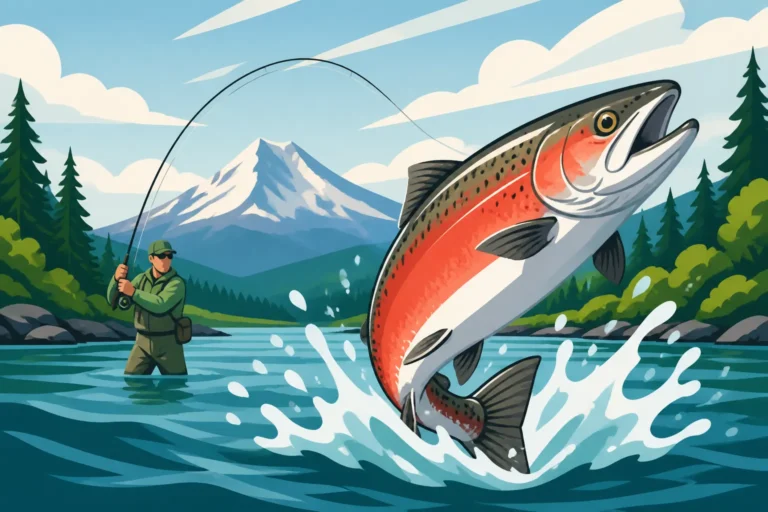
Spring Chinook, often revered for their incredible eating quality, are typically on the smaller side compared to their fall-run cousins, but don't let that fool you – they are still substantial fish. An average springer in Oregon might weigh anywhere from 10 to 25 pounds. However, it's not uncommon to hook into a 30-pound class fish, and anything over 40 pounds is considered a true trophy. These fish spend less time in the ocean before returning to freshwater, which contributes to their slightly smaller, but still very respectable, size. They're also built for endurance, needing to hold in rivers for months before spawning, so while perhaps not the heaviest, they are incredibly strong. You might find these fish making their way up the Willamette River or the mighty Columbia River. How to Fish for Spring Chinook on the Willamette is a great resource if you're targeting these early arrivals.
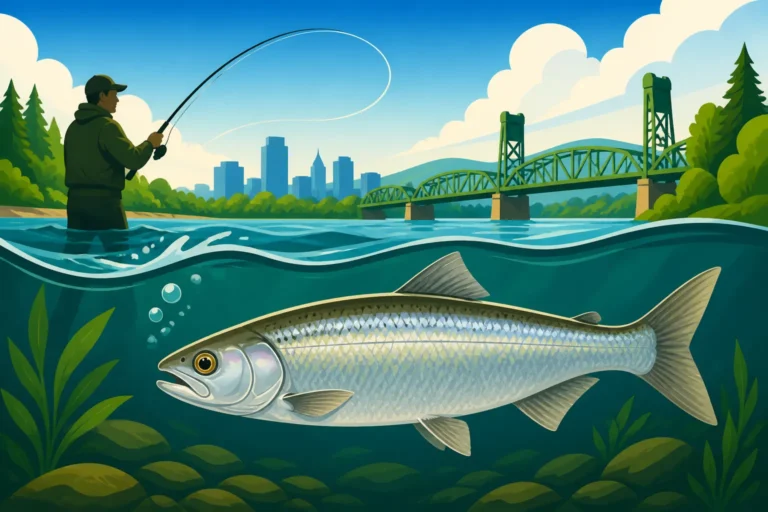
Fall Chinook, often colloquially called "kings," are the heavyweights of the salmon world. These fish spend an additional year or two in the ocean compared to springers, packing on incredible amounts of weight. On the Oregon coast, or in the lower Columbia River during peak fall runs, average fish can range from 20 to 40 pounds. But this is where the truly giant fish come into play. Many anglers land fish well into the 50-pound range, and every year, a handful of fish in the 60 to 70-pound class are caught. The Fall Chinook Season Timing on the Columbia is a highly anticipated event precisely because of the potential for these massive fish. These are the salmon that will truly test your gear and your muscles!
The Age Factor in Chinook Growth
A Chinook salmon's size is directly tied to its age, specifically how long it has spent foraging in the nutrient-rich ocean. Unlike trout or bass that can live many years and grow continuously in freshwater, Chinook salmon have a finite lifespan, typically dying after their first and only spawning event.
Most Chinook salmon return to spawn as 3, 4, or 5-year-olds.
- 3-year-old Chinook (often referred to as "three-ocean" fish, meaning three years in the ocean, though technically it's three years total including their freshwater rearing as juveniles) will typically be on the smaller end of the adult spectrum, perhaps in the 10-25 pound range. These might include some of the earlier returning spring Chinook.
- 4-year-old Chinook are the most common age class for many runs and represent a significant portion of the catches. These fish usually fall into the 20-40 pound bracket, offering a fantastic blend of size and fighting power.
- 5-year-old Chinook are the true giants. These fish have spent the longest time in the ocean, growing large and powerful. It's almost exclusively these 5-year-old fish that break the 50-pound barrier and produce the truly awe-inspiring catches that make headlines. These older, larger fish have had more time to consume vast quantities of baitfish, storing up energy for their epic migration and spawning efforts.
Distinguishing "Jacks" from Full-Grown Adults
Before we get too caught up in the behemoths, it's important to understand a unique aspect of Chinook salmon returns: the "jack" salmon. These are precocious male salmon that return to freshwater a year or two earlier than their full-sized counterparts, often as 2-year-olds.
Jacks are typically much smaller than adult Chinook, usually ranging from 3 to 10 pounds. They are sexually mature and will participate in spawning, often trying to sneak in and fertilize eggs laid by larger females. While they lack the impressive girth and length of an adult, they are feisty fighters and can certainly give you a thrill on lighter tackle. Many anglers appreciate catching jacks, especially younger anglers or those new to salmon fishing, as they offer a taste of the action without the struggle of a 40-pound beast. It's often debated, but some anglers swear jacks are some of the best eating salmon due to their rich fat content. Understanding What is a jack salmon can help you properly identify them and know the specific regulations, as their retention limits can sometimes differ from adult salmon.
Factors That Influence Chinook Salmon Growth and Size
The sheer size a Chinook salmon can achieve isn't just a matter of luck; it's a complex interplay of genetics, environment, and sheer abundance of food. Just like humans, some fish are genetically predisposed to grow larger, but even the best genes need the right conditions to flourish.
Genetics and Run Destination
The specific genetics of a Chinook salmon population play a significant role in its potential maximum size. Different river systems often have distinct genetic strains of Chinook, which have evolved to optimize survival in their unique environments. Some populations naturally produce larger fish that spend more time at sea, while others may be genetically coded for earlier maturation and smaller overall size. For instance, the Chinook returning to massive river systems like the Columbia might have a genetic inclination for larger growth compared to those returning to smaller coastal streams, simply because the ocean entry and journey are different.
Furthermore, the "destination" river itself can influence observed sizes. Fish that have a longer, more arduous journey upstream, like those heading to Idaho's Salmon River far up the Columbia basin, are often spring Chinook. These fish tend to be leaner and more muscular, built for endurance, and historically, some of the very largest Chinook ever recorded were found far upriver, having put on immense fat stores in the ocean to fuel their epic migrations.
Food Availability and Ocean Rearing Conditions
This is perhaps the single most crucial factor in determining how large a Chinook salmon will get. The ocean is their primary feeding ground, a vast buffet of protein-rich forage. During their years at sea, Chinook gorge themselves on smaller fish like herring, anchovies, and sardines, as well as squid and crustaceans.
- Abundant Food: When ocean conditions are favorable, leading to an explosion of these baitfish populations, Chinook salmon have an easy time finding food and can grow at an astonishing rate. They pack on weight quickly, converting these rich food sources into muscle and fat. This is why some years produce a higher number of "hogs" or "barn doors" – those exceptionally large fish – than others.
- Nutrient-Rich Waters: Areas of upwelling, where cold, nutrient-rich waters from the deep ocean rise to the surface, create highly productive ecosystems that support vast schools of baitfish. Chinook that spend significant time in these areas have access to a constant supply of high-quality food, allowing them to reach their full genetic potential.
- Water Temperature and Currents: Ocean temperatures and currents also play a part. Favorable temperatures can expand their feeding grounds, while strong currents might aggregate baitfish, making them easier targets for hungry Chinook. Conversely, poor ocean conditions, such as warmer-than-average water or a scarcity of food, can lead to smaller average sizes for returning salmon, as they simply haven't had the caloric intake to grow to their maximum potential.
River Conditions and Spawning Migration Stress
Once Chinook salmon leave the ocean and enter freshwater, they stop feeding. Their entire remaining journey, including the arduous upstream migration and the energy-intensive spawning process, is fueled by the fat reserves they built up in the ocean. This means that while they might not grow in the river, the river conditions can impact their condition and thus, their apparent size and fighting strength.
- Water Levels and Flow: High, cold water flows in rivers can aid their migration, allowing them to conserve energy. Conversely, low, warm water conditions can stress the fish, making their journey more difficult and potentially leading to a loss of condition. A fish that has struggled for weeks in low, warm water might be lean and exhausted by the time it reaches a fishing ground, appearing smaller than its ocean-fattened counterpart.
- Obstacles and Distance: The length and difficulty of their migration route also play a role. Fish that have to travel hundreds of miles, navigating rapids and fish ladders, will expend more energy than those that spawn closer to the ocean. This energy expenditure means a large fish caught far upstream might be several pounds lighter than it was when it first entered the river. Knowing What water temperature is best for salmon fishing can help you understand how these conditions influence the fish you encounter.
The Thrill of a Trophy Chinook: Oregon's Giants
For many anglers, the pursuit of a true trophy Chinook salmon is a lifelong quest. The sheer power, the incredible runs, and the undeniable satisfaction of landing a fish that can outweigh a small child make it one of Oregon's most exciting fishing experiences.
Oregon's State Record Chinook: A Glimpse at the Extremes
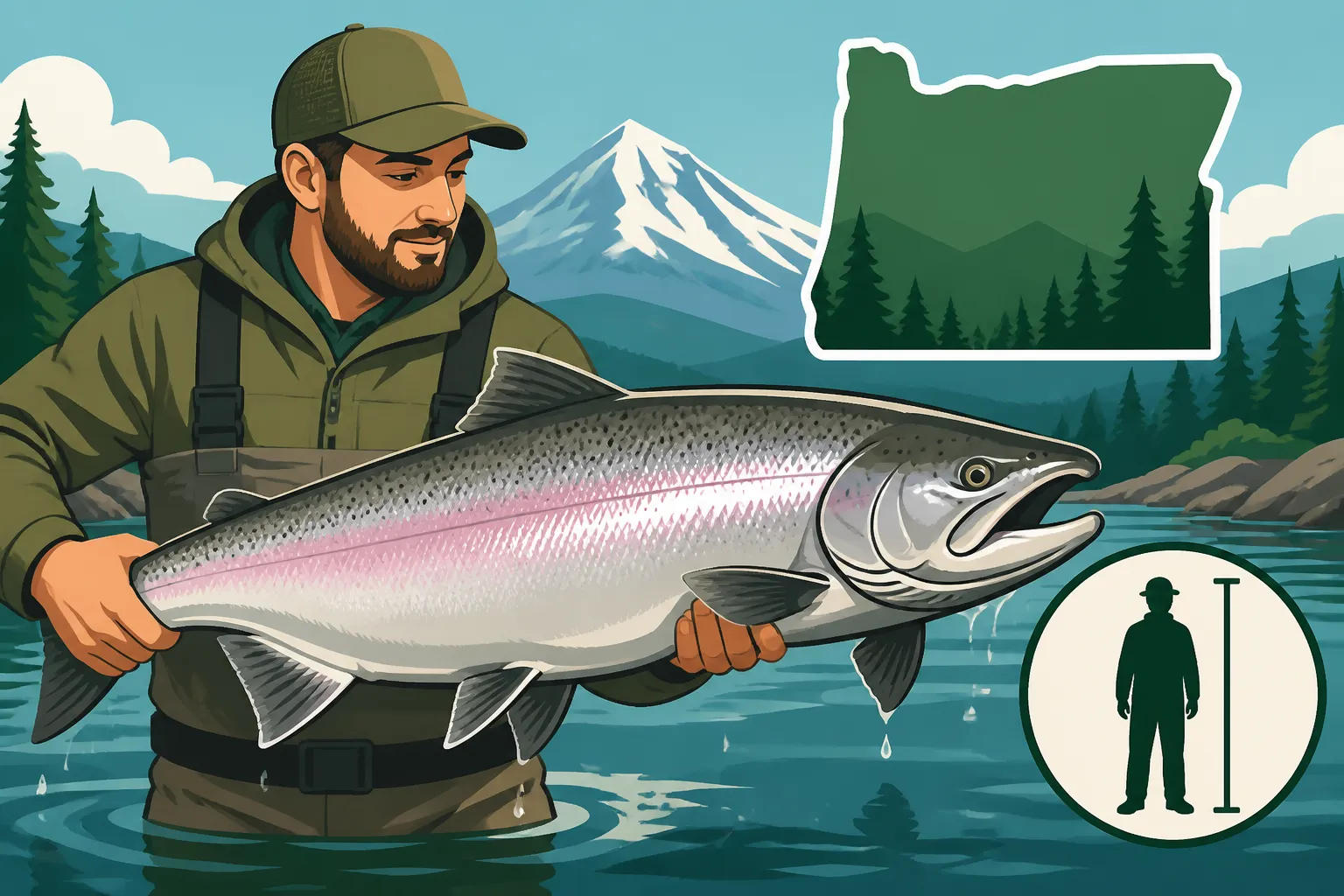
While I can't give you the exact, current state record numbers (always check the official ODFW records for the very latest figures!), Oregon has a history of producing absolute monster Chinook. The state record Chinook salmon is a truly legendary fish, tipping the scales at an incredible, eye-popping weight that is well over the 80-pound mark. Imagine a fish nearly as tall as you are, with a girth like a small barrel! These record-breaking fish are almost always 5-year-old fall Chinook, caught in the lower reaches of the Columbia River or one of its major tributaries, or occasionally in the ocean.
These extreme outliers are a testament to perfect genetics meeting perfect ocean conditions. They represent the pinnacle of what a Chinook salmon can become, spending years feasting in the rich Pacific before making their final, grand return. Catching a fish even half that size is an achievement most anglers would be thrilled with. It’s the kind of story that gets told and retold, year after year.
The Fight of a Lifetime: Handling a Big Chinook
When you hook into a large Chinook, be prepared for a battle. These fish are pure muscle and raw power, and they know how to use it. A 30-pound Chinook will peel line off your reel with a force that can shock you, making blistering runs that seem endless. A 50-pounder? That’s another league entirely.
The fight of a big Chinook is characterized by:
- Powerful Runs: They often start with long, unstoppable runs, stripping hundreds of feet of line in seconds. You'll hear that drag scream, and your rod will be bent double.
- Deep Dives: After the initial sprint, they tend to dig deep, using their broad, powerful tails to resist your efforts, often staying near the bottom or in heavy current, trying to find snags.
- Head Shakes: As they get closer, they'll often engage in violent head shakes, attempting to throw the hook. This is where a good, stout rod and proper technique are crucial.
- Stamina: Their fight is not just about power, but endurance. Even after a long battle, a large Chinook can suddenly find a burst of energy for one last, desperate run.
Landing one of these giants requires patience, skill, and appropriate gear. You’ll need a strong rod with a backbone, a reel with a smooth, powerful drag, and heavy test line. For larger fish, a net with a wide hoop and deep bag is essential, or a large landing gaff if legal and you're confident in its use. Remember to handle all fish, especially those you plan to release, with the utmost care to ensure their survival. Oregon Salmon Fishing Techniques often go into detail about the specific gear and strategies needed for these formidable fish.
Measuring and Documenting Your Catch
Once you've landed your trophy Chinook, the moment of truth arrives. For recreational anglers, documenting your catch is part of the fun. You'll want to take some photos, and if you plan to keep the fish, you'll want to weigh and measure it.
Here’s a quick guide to what you might document:
| Characteristic | Measurement Type | Typical Range for Adult Chinook (Oregon) |
|---|---|---|
| Weight | Scale (pounds) | 10 – 50+ pounds |
| Length | Tape Measure | 28 – 50+ inches |
| Girth | Tape Measure | 15 – 30+ inches |
| Age | Scale Reading (professional) | 3, 4, or 5 years old |
Remember that length is typically measured from the tip of the nose to the tip of the tail, with the tail squeezed together. Girth is the widest part of the fish's body. If you're practicing catch and release, consider measuring the fish in the water or using a wet measuring mat to minimize stress. Always have a good camera ready to capture the moment, as the memory of a truly massive Chinook will last a lifetime. Also, be sure to understand Oregon Catch Record Card Requirements for any salmon you retain, as accurate reporting helps with fisheries management.
Chinook Salmon and Conservation in Oregon
While the lure of giant Chinook is strong, it's vital to remember that these magnificent fish are a precious resource. Their populations face numerous challenges, and conservation efforts play a crucial role in ensuring that future generations can also experience the thrill of catching a big Oregon king.
The Role of Management in Chinook Size and Health
Oregon, through the Oregon Department of Fish and Wildlife (ODFW), carefully manages Chinook salmon fisheries. This management involves a complex system of regulations, including bag limits, size restrictions, season dates, and even specific gear requirements. These measures are put in place to ensure sustainable fishing practices and to protect wild fish populations. For example, sometimes size restrictions are implemented to protect younger, smaller fish, allowing them more time to grow and contribute to future spawning runs. Other times, specific wild runs are protected with catch-and-release rules to bolster their numbers.
These regulations can directly influence the average size of fish anglers encounter by controlling which fish can be kept. For instance, if a fishery has a minimum size limit, naturally, smaller fish are released, meaning that the kept fish will be larger. Understanding the Oregon Fishing Regulations Explained is paramount for any angler hoping to pursue Chinook responsibly.
How Anglers Contribute to Chinook Health
Every angler has a part to play in the health of Oregon's Chinook salmon populations.
- Adhering to Regulations: Following all rules, including bag limits, size restrictions, and specific gear requirements, directly helps manage fish populations.
- Proper Catch and Release: For fish that are released (either by choice or due to regulations), proper catch and release techniques are vital for their survival. Minimize handling time, keep the fish in the water as much as possible, use barbless hooks, and revive the fish until it can swim away strongly.
- Reporting Catches: Accurately filling out your Oregon Catch Record Card Requirements for kept salmon provides crucial data to ODFW, helping them make informed management decisions about future seasons and limits. This data helps biologists track run sizes and assess the health of different populations.
- Advocacy and Education: Learning about the challenges facing Chinook salmon and supporting conservation efforts, whether through donations to conservation groups or simply educating fellow anglers, contributes to the long-term health of these incredible fish.
By being responsible and informed anglers, we can all help ensure that Oregon continues to be a place where Chinook salmon grow to impressive sizes, offering incredible fishing opportunities for generations to come.
Disclaimer
This article is for general informational purposes only and does not constitute professional advice. Laws, prices and regulations vary by location and change over time. Consult a qualified professional for guidance on your specific situation.