Where the Deschutes River meets the Columbia for fishing
For many anglers, the point where the Deschutes River dramatically merges with the mighty Columbia River near The Dalles is more than just a geographical landmark; it's a legendary fishing destination. This confluence can be intimidating, a swirling mix of currents and opportunities that leaves some wondering how to even approach it. This guide will meticulously break down exactly where these two incredible waterways meet for fishing, what you can expect to catch, and the best ways to tackle its unique challenges.
The Dynamic Confluence of the Deschutes and Columbia Rivers
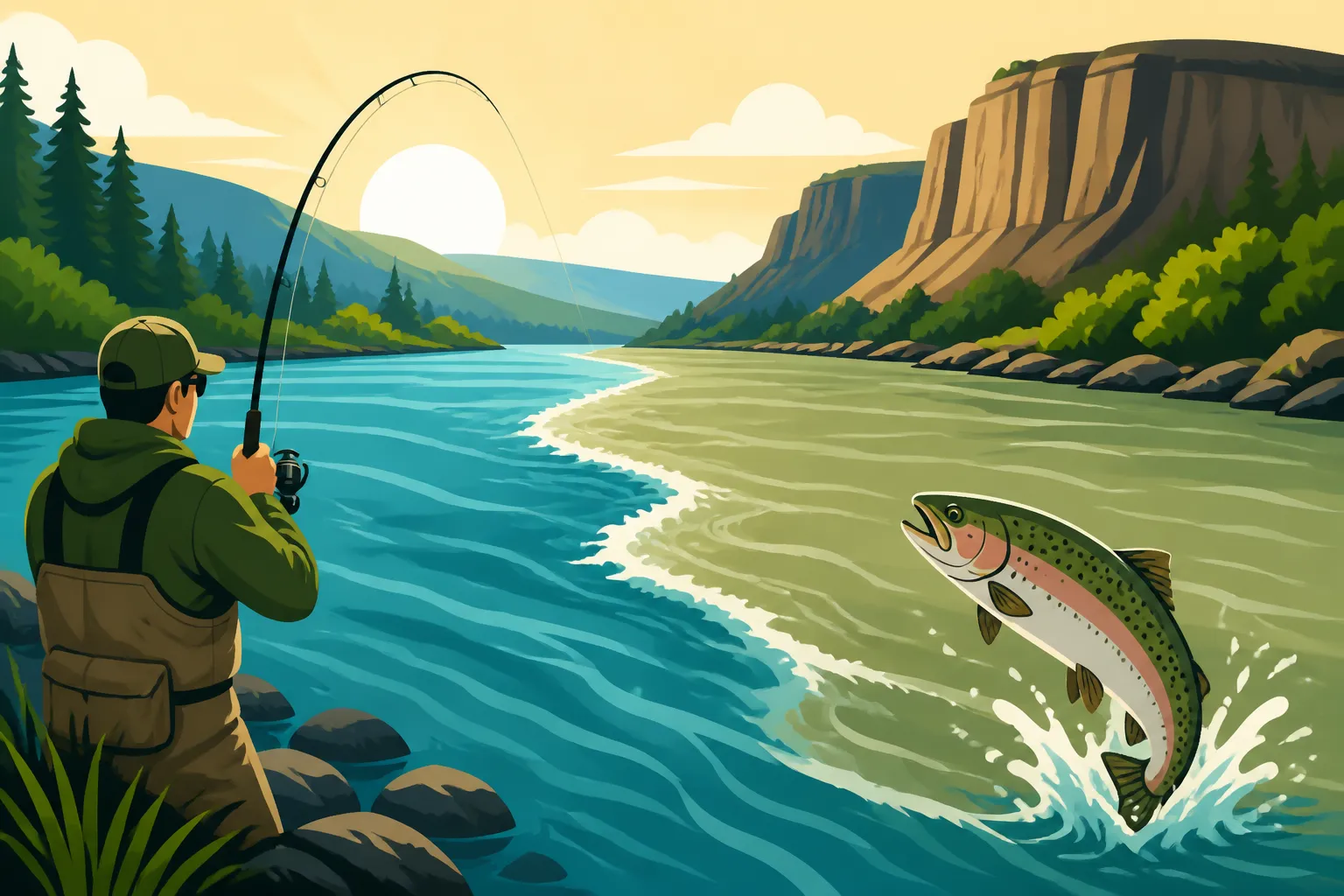
Picture this: you're standing on the bank, or perhaps in a boat, and you can clearly see the distinct, often clearer, emerald green waters of the Deschutes River pushing into the vast, sometimes turbid, expanse of the Columbia. This isn't just a gentle joining; it's a powerful union, creating a unique fishing environment that demands respect and a good understanding of the local conditions. Geographically, this happens right near the city of The Dalles, Oregon, at roughly river mile 188 on the Columbia.
The Deschutes River, renowned for its wild trout and steelhead, brings its cooler, often clearer mountain waters down from the high Cascades. The Columbia, a massive artery of the Pacific Northwest, carries a different character, often warmer and with a much larger volume of water and stronger currents. When these two meet, they create a convergence zone characterized by swirling eddies, current seams, and areas of slack water that become prime holding spots for migrating fish. It's a true natural funnel, attracting an incredible diversity of anadromous species making their way upstream, as well as resident fish. Understanding these currents is paramount; what looks like chaos to the untrained eye is a structured highway for fish.
Key Fish Species to Target at the Deschutes-Columbia Confluence
This particular stretch of river is a major crossroads for several highly sought-after fish species. Anglers flock here during various seasons, hoping to intercept migratory runs or tangle with powerful resident fish. Knowing what's biting when, and what they prefer, is half the battle.
Migratory Salmon and Steelhead Runs
The confluence is perhaps most famous for its incredible salmon and steelhead fishing. These anadromous fish, born in freshwater, migrating to the ocean, and returning to spawn, use the Deschutes as a highway to their spawning grounds further upstream, but they must first navigate the Columbia.
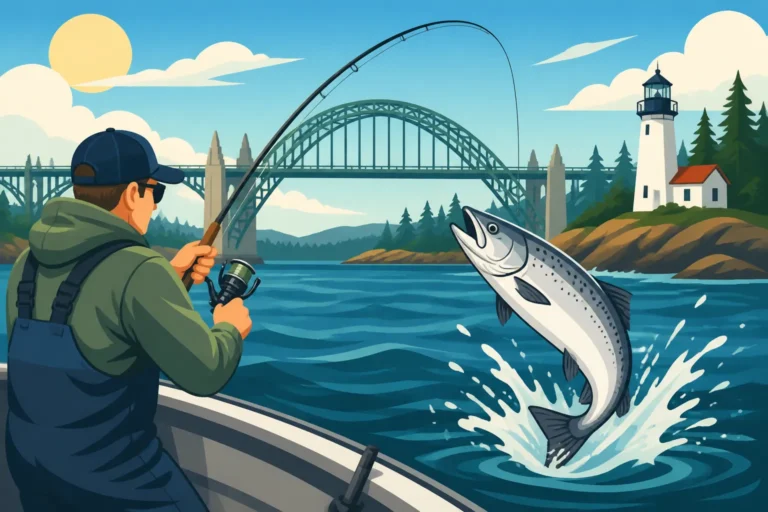
- Spring Chinook Salmon: These highly prized "kings" begin their migration through the confluence in late spring, typically May and June. They're powerful fighters and offer some of the best eating among salmon. Anglers often target them by trolling or anchoring in key current seams. If you're looking to target these, understanding the specifics of Oregon Salmon Fishing Techniques can give you a real edge.
- Summer Steelhead: As their name suggests, summer steelhead arrive in force during the warmer months, generally from June through September. These chrome-bright fish are known for their acrobatic fights and incredible speed. Many Deschutes-bound steelhead pause and stage in the cooler waters near the confluence before pushing further upstream. For detailed strategies, check out resources on Oregon Steelhead Fishing Techniques.
- Fall Chinook Salmon: The largest and often most numerous of the salmon runs, fall Chinook make their appearance from August through October. This can be a truly epic fishery, with anglers often hooking into massive fish. The sheer volume of fish means more opportunities, but also more competition on the water.
- Coho (Silver) Salmon: While not as abundant as Chinook, Coho salmon also pass through the confluence, typically from late summer into early fall. They're known for their aggressive strikes and aerial displays, providing exciting action.
Sturgeon Fishing Opportunities
Beyond salmon and steelhead, the Deschutes-Columbia confluence is also a fantastic spot for sturgeon. The Columbia River is home to healthy populations of white sturgeon, and the confluence provides excellent habitat for them.
- Catch-and-Release Sturgeon: Much of the sturgeon fishing in this area is catch-and-release, offering anglers the thrilling chance to hook into ancient, enormous fish. These gentle giants require heavy tackle and proper handling techniques to ensure their survival after release. Learning How to Fish for Sturgeon on the Columbia is essential for both success and conservation.
- Retention Seasons: Occasionally, limited retention seasons for sturgeon are opened, allowing anglers to keep a legal-sized fish. These opportunities are rare and highly regulated, often announced with very short notice by the Oregon Department of Fish and Wildlife (ODFW). You'll need to stay constantly updated on Oregon Fishing Season Dates and Limits to catch these windows.
Other Notable Species
While salmon, steelhead, and sturgeon steal the show, you might also encounter other species. Smallmouth bass can be found in the warmer, slower stretches, particularly as the Deschutes enters the Columbia. Walleye, an invasive but popular sport fish, are also present in the Columbia and can sometimes be caught near the confluence, especially by those focusing on bottom-oriented techniques.
Fishing Techniques and Tactics for Confluence Success
Fishing the confluence of two major rivers like the Deschutes and Columbia requires specific strategies. The powerful currents, diverse fish species, and varied water conditions mean that a one-size-fits-all approach simply won't cut it.
Trolling and Anchoring for Boat Anglers
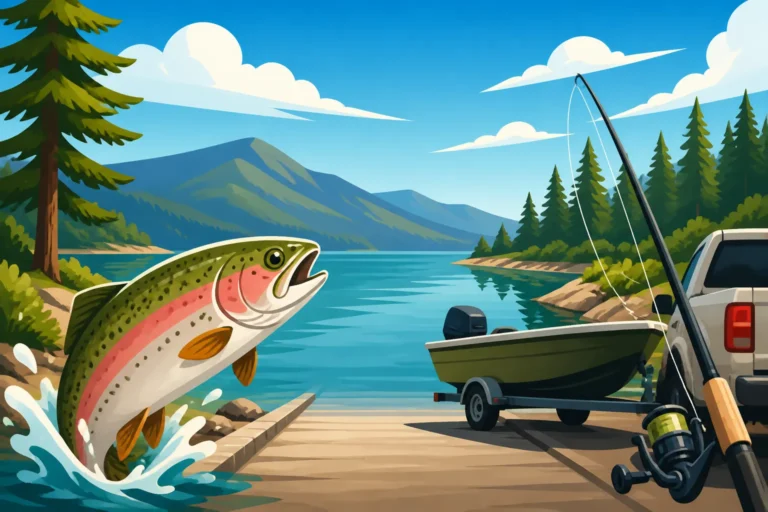
For those with a boat, trolling and anchoring are often the most effective ways to cover water and present baits or lures to migratory fish.
- Trolling: This involves moving slowly through the water, dragging lures or baited rigs behind the boat. Flashers, divers, and downriggers are commonly used to get gear down to the desired depth where fish are holding. Popular choices include herring, anchovies, or large plug lures that mimic baitfish. The key here is to maintain a speed that gives your lure the right action, which can be tricky with the varying currents at the confluence. Often, boaters will make passes along the current seams where the Deschutes and Columbia waters mix.
- Anchoring: Many successful anglers choose to anchor in strategic locations, often in eddies or along current breaks, and fish with bait. This allows for a more stationary presentation, letting scents disperse and attracting fish. Popular baits for salmon and steelhead include cured salmon roe, prawns, or even pieces of herring. For sturgeon, lamprey, smelt, or various fish guts are highly effective. When anchoring in strong current, make sure you have a heavy-duty anchor system that can hold your boat securely. Safety is paramount here; the currents are no joke.
Bank Fishing Strategies
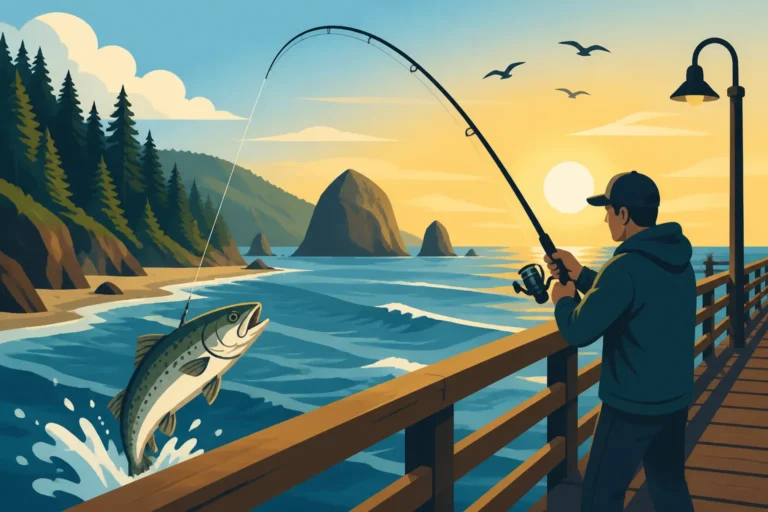
Don't have a boat? No problem! While more challenging, bank fishing at the confluence can still be productive, especially during peak runs. However, finding accessible and safe spots is critical.
- Plunking: This is a popular and effective bank fishing method, especially for salmon. It involves casting a heavy lead sinker and a bait rig out into the main current, allowing the current to "plunk" the bait along the bottom. The idea is that the scent trail attracts migrating fish. Popular plunking baits include cured salmon roe or spin-n-glos with a chunk of bait. You'll need a sturdy rod and reel capable of handling heavy weights and strong currents.
- Casting Lures/Jigs: Anglers can also cast spoons, spinners, or jigs from the bank, retrieving them through promising current seams or eddy lines. This active method allows you to cover different depths and test various presentations. The "swinging" of a heavy jig or spinner through the current can often entice a strike from an aggressive salmon or steelhead.
Accessing the Confluence and Essential Tips
Getting to this legendary fishing spot is straightforward, but knowing the best points of entry and critical safety considerations will make your trip much smoother and safer.
Boat Launches and Public Access
The most common way to access the Deschutes-Columbia confluence by boat is from the boat launches in The Dalles area.
- The Dalles Boat Basin: This is a primary access point, offering multiple ramps and ample parking. From here, it's a short run downstream to where the Deschutes meets the Columbia. This location makes it convenient for anglers coming from various directions.
- Deschutes River State Recreation Area: While primarily known for its access to the lower Deschutes River, this area can also provide bank access or smaller boat launching opportunities that can get you close to the confluence zone, particularly on the Deschutes side before it spills into the Columbia. Always check current regulations and access restrictions before planning your trip.
For bank anglers, public access points can be found around the confluence area, though they might require some walking or exploring to find the best spots. Always be mindful of private property and respect posted signs. Looking up areas like The Dalles Riverfront Trail or similar public lands might reveal suitable bank fishing spots. Platforms like FishingBooker can sometimes offer insights into popular guide services that operate in these specific areas, which often means they know the best public (and safe) access points.
Safety and Navigational Awareness
Fishing at the confluence of the Deschutes and Columbia is not for the faint of heart, especially for boaters.
- Powerful Currents: The Columbia River, especially in this section below The Dalles Dam, has incredibly strong currents. Navigation requires experience and caution. The mixing of the Deschutes’ flow only adds to the complexity. Always be aware of your boat's position, especially near eddy lines where currents can swirl unpredictably.
- Boat Traffic: This is a popular fishing area, meaning heavy boat traffic, particularly during peak salmon and steelhead seasons. Maintain situational awareness, follow navigation rules, and give other anglers space.
- Weather: The Columbia River Gorge is known for its strong winds, which can kick up quickly and turn calm waters into dangerous chop. Always check the forecast before heading out and be prepared to cut your trip short if conditions deteriorate.
- Regulations are Key: Both Oregon and Washington have regulations that apply to this section of the Columbia River, and they can change frequently. Always consult the latest Oregon Fishing Regulations Explained from the ODFW and WDFW. This includes knowing bag limits, size restrictions, open seasons, and whether certain gear is allowed. Don't forget that specific endorsements like the Oregon Columbia River Basin Endorsement might be required for certain species in this zone.
| Species | Primary Season (Confluence) | Recommended Technique | Common Bait/Lure | Notes |
|---|---|---|---|---|
| Spring Chinook | May – June | Trolling, Anchoring | Herring, Anchovies, Plugs, Prawns | Powerful fighters, delicious meat. Check specific regs. |
| Summer Steelhead | June – September | Trolling, Drift Fishing, Jigs | Spoons, Spinners, Jigs, Cured Roe | Chrome-bright and acrobatic. |
| Fall Chinook | August – October | Trolling, Anchoring, Plunking | Herring, Plugs, Cured Roe, Spin-n-Glos | Largest runs, often big fish. |
| Coho Salmon | Late Summer – Early Fall | Trolling, Casting Lures | Spoons, Spinners, Cut Plugs | Aggressive strikes, aerial fighters. |
| White Sturgeon | Year-round (C&R) | Anchoring | Lamprey, Smelt, Herring, Fish Guts | Heavy tackle needed. Focus on deep holes. |
| Smallmouth Bass | Warmer Months | Casting Lures, Jigging | Plastic Grubs, Crankbaits, Spinners | Found in slower water, especially near Deschutes mouth. |
Before you even think about putting a line in the water, ensure your Oregon Fishing License Guide is up to date, and you have any necessary tags or endorsements, like the Oregon Combined Angling Tag Guide if you plan to keep salmon or steelhead. Many anglers planning a trip will also consult online resources and even local tackle shops in The Dalles for the most current conditions and hot tips. If you're traveling from out of state, or simply prefer to have all the gear and knowledge handled, booking a guided trip through a service like FishingBooker can offer a fantastic experience without the stress of navigating unfamiliar waters. A good guide will know the precise currents and fish movements unique to where the Deschutes River meets the Columbia.
Knowing Where to buy an Oregon Fishing License beforehand can save you valuable fishing time. Furthermore, it's always wise to regularly check Where to check current Oregon fishing regulation updates as emergency closures or changes to bag limits can happen without much warning, especially for sensitive fisheries.
Conclusion: A Confluence of Challenge and Reward
The fishing experience where the Deschutes River meets the Columbia is truly one of a kind. It’s a place of incredible natural beauty, powerful forces, and bountiful opportunities for those willing to learn its secrets. Whether you're chasing the chrome bright flash of a summer steelhead, the powerful tug of a fall Chinook, or the ancient fight of a sturgeon, this confluence offers a fishing adventure unlike any other. It demands respect, preparation, and a keen eye for detail, but the rewards—a memorable catch and an unforgettable experience in the heart of the Columbia River Gorge—are well worth the effort.
Disclaimer
Fishing conditions and regulations in Oregon, particularly on the Columbia River, can change rapidly due to environmental factors or emergency rule revisions. Always consult the latest official Oregon Department of Fish and Wildlife (ODFW) and Washington Department of Fish and Wildlife (WDFW) regulations before heading out to fish. This guide provides general information and recommendations but is not a substitute for official regulatory documents.