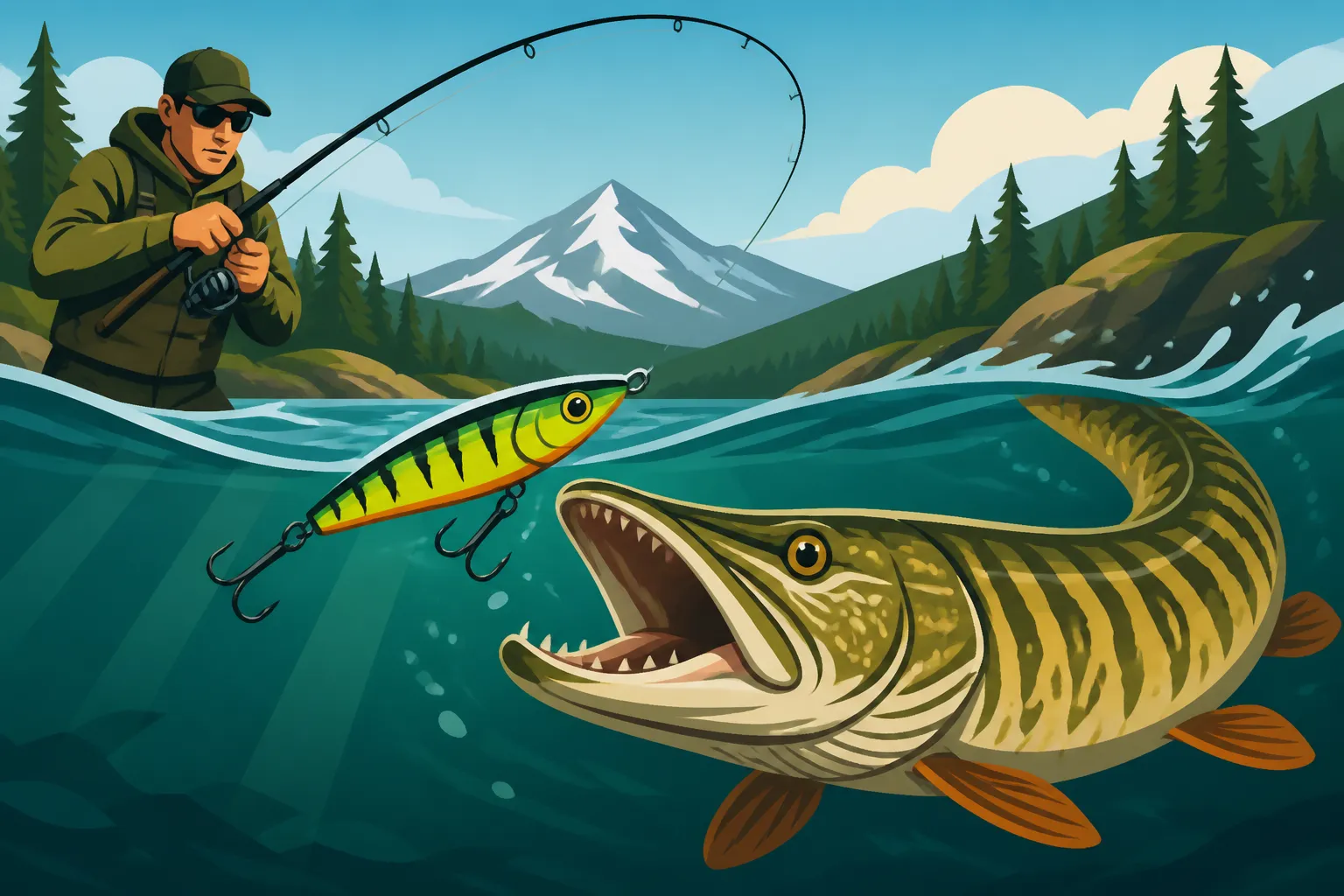
Best technique for catching tiger muskie
It's incredibly frustrating when you're geared up and ready to tackle one of Oregon's most elusive freshwater predators, the tiger muskie, but you're just not sure which techniques actually work. These fish are notorious for being challenging, and throwing out the wrong lure or using an ineffective retrieve can mean a long, fishless day on the water. This guide will walk you through the most effective strategies and gear you need to know to dramatically increase your chances of hooking into one of these magnificent, toothy giants in Oregon's waters.
Understanding Oregon's Tiger Muskie: The Ultimate Predator
Before we dive into the "how-to," it’s essential to understand what you're fishing for. Tiger muskie are not your everyday trout; they are a hybrid fish, a cross between a muskellunge and a northern pike. In Oregon, they are primarily found in specific bodies of water, most notably Lake Billy Chinook Fishing Guide, where they were introduced to help manage populations of nuisance fish like northern pikeminnow and to provide a unique sport fishing opportunity. Their hybrid nature means they are sterile, which simplifies population management, but also means every single fish is precious.
The Behavior and Habitat of Oregon Tiger Muskie
Tiger muskie are apex predators, meaning they sit at the top of their food chain in the waters they inhabit. Their behavior is largely driven by their need to feed, often ambushing prey from cover. In Lake Billy Chinook, you'll often find them lurking around submerged timber, rocky points, weed lines, and sharp drop-offs where they can hide and dart out at unsuspecting baitfish. They are highly aggressive and opportunistic feeders, but they can also be incredibly finicky, sometimes following a lure right to the boat without striking. This "follow but no strike" behavior is a common muskie angler's lament and is precisely why specific techniques are so crucial. Understanding their ambush predatory nature means you're looking for structure and changes in depth, as these are their preferred hunting grounds.
Why They're Such a Challenging Catch
There's a reason muskie anglers often talk about the "fish of 10,000 casts." While this is a bit of an exaggeration, it highlights the dedication required. Their elusiveness comes from a combination of factors:
- Low Population Density: They aren't as numerous as other fish species, making encounters less frequent.
- Wariness: They are intelligent predators that can be spooked easily, especially in clear water.
- Selective Feeding: Even when active, they can be particular about lure size, color, and retrieve speed.
- Short Strike Windows: They often decide to strike (or not) in a split second, demanding constant angler focus.
Knowing these characteristics helps inform your approach. You need to be patient, persistent, and precise. Every cast, every retrieve, every figure-eight at the boat matters. If you're wondering How long does it take to catch a tiger muskie, the answer is often "longer than you expect, but it's always worth it."
Essential Gear for Conquering Oregon's Tiger Muskie
You wouldn't bring a butter knife to a sword fight, and you certainly shouldn't bring light tackle to a tiger muskie hunt. These fish are powerful, aggressive, and possess rows of razor-sharp teeth. Proper gear isn't just about catching them; it's about doing so safely for both you and the fish, ensuring a successful catch and release. Many serious anglers will tell you that investing in quality gear upfront saves headaches and lost fish in the long run.
Rods and Reels: The Backbone of Your Setup
For tiger muskie, you're generally looking at heavy-duty baitcasting setups.
- Rods: Think stout, fast-action rods in the 7 to 9-foot range, rated for heavy lures (often 2-8 oz or more) and heavy line (50-100 lb test). The length gives you casting distance for covering water and leverage to control big fish. Brands like St. Croix, G. Loomis, and Shimano offer excellent muskie-specific rods. If you're just getting started, a sturdy, heavy-power bass rod can sometimes suffice, but dedicated muskie rods offer superior performance and durability. You can find a good selection of specialized muskie rods on Amazon, often with detailed reviews to help you choose.
- Reels: A robust baitcasting reel with a strong drag system and high line capacity is non-negotiable. Look for models designed for heavy lures and big fish, with a gear ratio that allows for both fast retrieves (for bucktails) and slower, powerful retrieves (for large crankbaits). Abu Garcia Revo Toro Beast, Shimano Tranx, or Daiwa Tatula are popular choices. Ensure the reel can comfortably hold at least 80-100 yards of your chosen heavy braided line.
Line, Leaders, and Lures: Critical Connections
This is where the direct connection to the fish happens, and cutting corners here is asking for heartbreak.
- Main Line: Braided line is the standard for muskie fishing due to its incredible strength, zero stretch, and small diameter relative to its breaking strength. Opt for 65 to 100 lb test. The lack of stretch provides excellent sensitivity for feeling subtle takes and ensures powerful hooksets.
- Leaders: Steel or fluorocarbon leaders are absolutely essential. Tiger muskie teeth will slice through monofilament or fluorocarbon main line like butter. A heavy fluorocarbon leader (100-150 lb test, 12-24 inches long) offers a bit more stealth in clear water, while steel leaders (often 80-130 lb test multi-strand wire) provide maximum bite protection. Many anglers prefer fluorocarbon for its stealth and often find it sufficient, but if you're experiencing bite-offs, switch to wire. You can purchase pre-made muskie leaders or make your own.
- Lures: This is where the fun begins, and the expense can, well, add up! Muskie lures are generally large, flashy, and designed to provoke an aggressive strike. Unlike some of the lures you might use for Best lures for Oregon Salmon Fishing, muskie lures are in a league of their own in terms of size and construction.
- Bucktails: These are often cylindrical lures with spinner blades and a skirt of deer hair. They are excellent for covering water quickly and provoking reaction strikes. Think sizes from 8-12 inches.
- Crankbaits: Large diving crankbaits mimic baitfish and are fantastic for trolling or casting over structure.
- Jerkbaits/Glide Baits: These lures require specific rod action to give them an erratic, wounded baitfish presentation. They can be incredibly effective when fish are sluggish.
- Soft Plastics: Large swimbaits or grub-style lures on heavy jig heads can also entice strikes, especially when fished slowly.
- Topwater Lures: Think huge walk-the-dog baits, prop baits, or even large poppers. Watching a muskie blow up on a topwater lure is an unforgettable experience.
It's wise to have a selection of these different types, in various colors and sizes, as muskie can be highly selective from day to day, or even hour to hour. Checking out fishing forums and reviews on Amazon for popular muskie lures can give you a good starting point.
Here's a quick overview of common lure types:
| Lure Type | Best Use Case | Retrieve Style | Key Features |
|---|---|---|---|
| Bucktails | Covering water, fast retrieves, reaction strikes | Fast, steady crank | Large blades, deer hair skirt |
| Crankbaits | Trolling, casting over structure, deep diving | Steady crank, vary speed | Diving lip, rattling chamber, realistic finish |
| Jerkbaits | Erratic action, targeting wary fish | Jerk-pause-retrieve, rod sweeps | No lip, suspended or slowly sinking |
| Glide Baits | Slow, side-to-side action, specific presentations | Steady reel turn with slight rod twitch | Single joint, slow S-curve motion |
| Topwater | Low light, calm conditions, shallow water | Walk-the-dog, popping, splashing | Surface disturbance, often with propellers |
| Soft Plastics | Slow presentations, vertical jigging, mimic baitfish | Slow retrieve, jigging action | Large paddle tails, lifelike profiles |
Essential Accessories for Safety and Success
Beyond the rod, reel, and line, a few other items are absolute necessities for muskie fishing.
- Large Landing Net: A net specifically designed for muskie is crucial. These nets have a wide hoop and deep, rubberized mesh to protect the fish's slime coat and prevent hooks from tangling.
- Long-Nose Pliers or Hook Removers: You absolutely cannot put your fingers near a muskie's mouth. These tools are non-negotiable for quickly and safely removing hooks.
- Jaw Spreader: For larger fish that have swallowed a lure or are deeply hooked, a jaw spreader can help hold the mouth open for safer hook removal.
- Bolt Cutters (optional but highly recommended): If a hook is deeply embedded and cannot be removed, cutting the hook will save the fish's life.
- Gloves: Heavy-duty gloves can protect your hands from teeth and gill plates when handling a fish.
- Measuring Board: To quickly measure your catch before release.
Remember, responsible angling practices, especially when dealing with such magnificent creatures, include being prepared for safe and quick catch-and-release.
Mastering the Hunt: Proven Techniques for Tiger Muskie in Oregon
Now that you're armed with the right gear, let's talk tactics. Catching a tiger muskie isn't just about making casts; it's about making effective casts and retrieves, understanding how to trigger a strike, and staying focused through every moment. While many techniques for Oregon Fishing Techniques for Beginners focus on simplicity, muskie fishing demands a higher level of engagement.
Casting and Retrieving: The Foundation
Most muskie fishing involves casting and retrieving lures, often covering large areas of water.
- Fan Casting: Start by casting your lure in a fan pattern from your boat or the shore. This ensures you cover the water thoroughly, from shallow to deep, or along a weed line. Don't just cast in the same direction repeatedly.
- Vary Your Retrieve: This is perhaps the most important tip. Muskie rarely want the same retrieve speed or action every day. Experiment! Try fast, steady retrieves with bucktails; stop-and-go retrieves with crankbaits; or sharp jerks followed by pauses with jerkbaits. Pay attention to how the lure feels and how the fish (if you see any follows) react. If a fish follows but doesn't strike, change your retrieve speed or direction on the next cast to try and trigger a reaction.
- High-Percentage Areas: Focus your efforts on the areas identified earlier: submerged timber, rocky points, weed edges, current breaks, and drop-offs. These are the muskie's hunting grounds. In Lake Billy Chinook, the confluence areas and rocky cliffs are prime spots.
The Figure-Eight: Your Secret Weapon
This technique is arguably the most critical for muskie fishing, converting countless follows into strikes. Many muskie will follow a lure right up to the boat, often just feet away, without committing to a strike. This is your cue to perform a "figure-eight."
- Execution: As your lure approaches the boat (or shore), instead of lifting it out of the water, plunge your rod tip into the water and trace a large figure-eight pattern with your lure. The sudden change in direction, speed, and proximity can often be the trigger that causes the muskie to finally strike. It simulates an escaping baitfish making a desperate move.
- Stay Focused: Maintain eye contact with your lure until it's out of the water. This is when many strikes occur. Don't be surprised if a muskie appears out of nowhere and engulfs your lure right beside your boat! This technique is especially vital if you're trying to land trophy fish.
Trolling for Tiger Muskie
While casting is popular, trolling can be incredibly effective, especially for covering larger expanses of water or when fish are scattered.
- Deep-Diving Crankbaits: These are your go-to lures for trolling. Large crankbaits that can dive to the desired depth will be most effective.
- Speed and Depth: Experiment with trolling speeds (often 2-4 mph) and adjust your lure's diving depth to match the fish's location. Using a depth finder is invaluable here to target submerged structure or known muskie hangouts.
- Structure-Oriented Trolling: Troll along break lines, points, and humps. Keep an eye on your fish finder for bait balls, as muskie are often nearby.
Strategic Considerations and Responsible Angling
Catching a tiger muskie is a thrilling experience, but it comes with a significant responsibility, especially given their unique status in Oregon. Beyond the basic techniques, a few strategic considerations and ethical practices will improve your success and ensure the health of these magnificent fish. Always consult the Oregon Fishing Regulations Explained before heading out, as rules can change.
Best Times and Conditions
Muskie are often most active during specific periods, though they can be caught at any time.
- Time of Day: Early morning and late evening, particularly around dusk, are often prime times. Overcast days or periods of stable, low pressure can also be productive.
- Seasonal Patterns: In Oregon, tiger muskie are most consistently targeted from late spring through late fall. Warmer water generally increases their metabolism and activity levels. However, as the water cools into autumn, they can go on a feeding binge, making it a fantastic time for trophy fish.
- Lunar Phases: Many muskie anglers swear by lunar calendars, suggesting that major and minor feeding times align with certain moon phases. While not scientifically proven, it's a belief many dedicated anglers follow.
Conservation and Catch-and-Release Ethics
As a hybrid, sterile fish, every tiger muskie in Oregon represents a valuable recreational asset. Therefore, strict catch-and-release practices are paramount.
- Minimize Fight Time: Use heavy tackle to bring the fish in quickly. A prolonged fight exhausts the fish, making recovery more difficult.
- Handling: Keep the fish in the water as much as possible. If you must remove it for a quick photo, support its body horizontally and return it to the water immediately. Avoid touching its eyes or gills.
- Hook Removal: Use your long-nose pliers or hook removers to extract hooks as quickly and gently as possible. If a hook is deeply embedded and cannot be removed without causing severe damage, cut the hook rather than tearing flesh.
- Revival: Hold the fish upright in the water, facing into a gentle current, until it regains its strength and can swim away on its own. This might take a few minutes. Don't just toss it back; ensure it's vigorous enough to survive.
Understanding What is the minimum length to keep a tiger muskie in Oregon and other specific regulations is crucial, though for tiger muskie in most Oregon waters, catch-and-release is the norm. The goal is to ensure these impressive fish continue to thrive for future generations of anglers.
Common Pitfalls to Avoid
Even experienced anglers can make mistakes. Avoiding these common errors will increase your chances of success:
- Under-Gearing: As mentioned, using inadequate tackle leads to lost fish, broken gear, and stressed fish.
- Lack of Persistence: Muskie fishing requires patience. Don't give up after a few hours without a bite. Keep casting, keep changing lures, and keep experimenting with retrieves.
- Ignoring the Figure-Eight: This is the biggest mistake. Always perform a figure-eight, even if you don't see a follow. The fish could be just out of sight.
- Monotonous Retrieve: Don't stick to one retrieve speed or pattern. Constantly vary your presentation until you find what the fish want.
- Forgetting Safety Gear: Not having a net, pliers, or jaw spreaders is dangerous for both you and the fish.
- Ignoring Conditions: Pay attention to weather changes, water temperature, and clarity. These factors heavily influence muskie behavior.
By understanding the nature of the tiger muskie, equipping yourself with the right tools (many of which you can find readily on Amazon), and mastering the techniques, you'll be well on your way to experiencing the thrill of landing one of Oregon's truly unique freshwater giants. It’s an addiction once you get that first one!
Disclaimer
This article is for general informational purposes only and does not constitute professional advice. Laws, prices and regulations vary by location and change over time. Consult a qualified professional for guidance on your specific situation.