Best bank fishing spots near Portland Oregon
Finding excellent fishing spots close to a major metropolitan area like Portland, especially if you prefer the simplicity and accessibility of bank fishing, can feel like a real challenge. Many anglers assume you need a boat or a long drive to find productive water, but that's simply not the case. This guide is here to unravel that mystery, providing you with a detailed look at some of the best, most accessible bank fishing locations near Portland, offering solid advice on what you can catch, and how to make the most of your time on the water without a boat.
Why Bank Fishing Near Portland is So Appealing
There's a unique charm to bank fishing that often gets overlooked, especially when you're thinking about angling near a bustling city like Portland. It’s the raw, direct connection to the water, the lack of complicated boat launches, and the sheer accessibility that draws so many to the shoreline. You don't need a fancy rig or a crew; just your rod, tackle box, and a good spot can lead to incredible experiences.
Escaping the City Bustle Without the Boat
Let's face it, Portland is fantastic, but sometimes you just need a break from the urban hum. The beauty of bank fishing is that it offers an immediate, tranquil escape. You can be casting a line within minutes of leaving downtown, trading the sounds of traffic for the gentle lapping of water against the shore or the rustle of leaves in the breeze. This immediate access to nature is a huge draw, allowing you to decompress and reconnect without the logistical headache or expense of trailering a boat. Imagine finishing work and, instead of fighting rush hour traffic to get home, you take a slight detour to a quiet bank, unwinding with a few casts as the sun sets over the Tualatin Valley. It’s a powerful stress reliever and a way to maximize those precious hours of daylight.
Accessibility for All Anglers
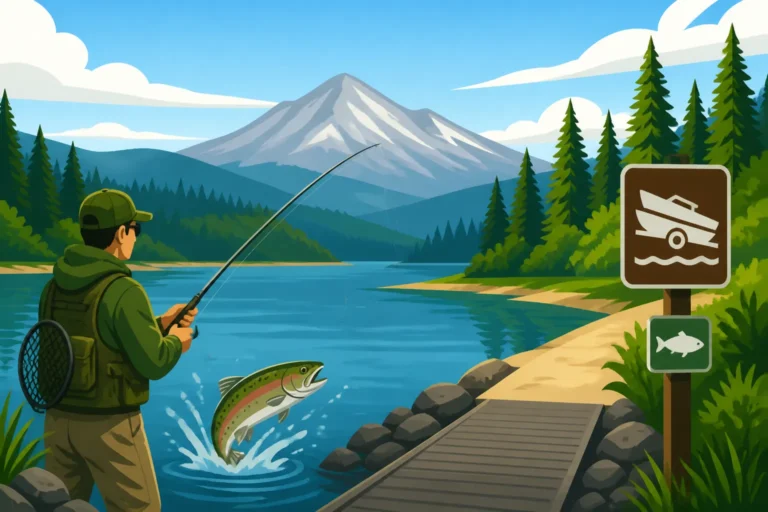
One of the biggest advantages of bank fishing is its inclusivity. It's truly a sport for everyone. Whether you're a seasoned angler who prefers the simplicity of shore-based techniques, a parent looking to introduce your kids to the joys of fishing, or someone with mobility challenges, bank fishing offers incredible opportunities. Many of the best spots near Portland boast easy access, paved paths, and even fishing docks or platforms designed to accommodate anglers of all ages and abilities. This means less gear to haul, fewer barriers to entry, and more time spent actually fishing. It’s perfect for a spontaneous afternoon trip with the family, where you don't have to worry about boat ramps or launching fees. You can simply park, walk a short distance, and start fishing.
Top Bank Fishing Destinations Within an Hour of Portland
Oregon is a fisher's paradise, and the area around Portland is no exception, even for those sticking to the shore. While you might not be launching a 20-foot jet boat, there are plenty of incredible spots to wet a line from the bank, often with surprisingly good results for a variety of species. Knowing where to go and what to expect is half the battle, so let's dive into some of the best local options.
Henry Hagg Lake
Just a short drive southwest of Portland, nestled in the scenic Tualatin Mountains, you'll find Henry Hagg Lake. This reservoir is an absolute gem for bank anglers, especially if you're targeting warmwater species. It’s easily one of the most popular fishing spots near Portland, and for good reason – it’s regularly stocked and has a diverse fishery. The lake spans over 1,100 acres with nearly 20 miles of shoreline, offering ample space for bank anglers to spread out.
You can expect to find a thriving population of bass (both largemouth and smallmouth), crappie, bluegill, and even some yellow perch here. The Oregon Department of Fish and Wildlife (ODFW) also regularly stocks rainbow trout, especially in the cooler months, making it a year-round destination for different species. For detailed information on what swims here, check out our guide on the Henry Hagg Lake fish species list.
The northern and eastern shores of Hagg Lake tend to be more accessible for bank fishing, with several designated picnic areas and fishing access points. Scoggins Valley Park, on the lake's north side, offers numerous pull-offs and trails that lead directly to the water's edge. Look for areas with submerged structure like fallen trees or rocky points, as these are natural magnets for bass and panfish. Early mornings and late evenings are often the most productive times, especially during the warmer months when bass are more active in the shallows. Using small jigs, spinners, or even bait like worms or PowerBait will yield results for panfish and trout, while soft plastics and crankbaits are great for bass.
The Lower Willamette River
The Willamette River is Portland's watery backbone, and while much of it is navigated by boats, there are some fantastic bank fishing opportunities right within or very close to the city limits. This river is a powerhouse, home to everything from migrating salmon and steelhead to resident sturgeon and a variety of warmwater species.
One prime bank fishing location is the area around Willamette Valley Fishing Spots, particularly downstream from Willamette Falls near Oregon City and extending north into Portland. Parks like Cathedral Park in North Portland offer excellent access, especially for anglers targeting carp, bass, and even some sturgeon, though sturgeon fishing often requires heavier gear and specific baits. Another great option is Sellwood Riverfront Park or Oaks Bottom Wildlife Refuge, where you can find quieter sections to cast for bass or panfish. During spring, anglers often target American Shad, which run in massive numbers. For those interested in migratory fish, bank access can be found at various public docks and parks, though timing is crucial for salmon and steelhead.
The Willamette River is tidal up to Willamette Falls, meaning water levels and currents can fluctuate significantly throughout the day. Paying attention to the tides can be a game-changer. An incoming or outgoing tide can concentrate fish in certain areas or create feeding lanes. For salmon, especially Spring Chinook, understanding these movements can be key. Our article on How to Fish for Spring Chinook on the Willamette offers excellent strategies. Bait fishing with cured roe or anchovies is popular for salmon and steelhead, while spinners and jigs can also be effective. For bass and other warmwater species, soft plastic worms, crankbaits, and even topwater lures can be productive around submerged structures and weed lines.
Trillium Lake
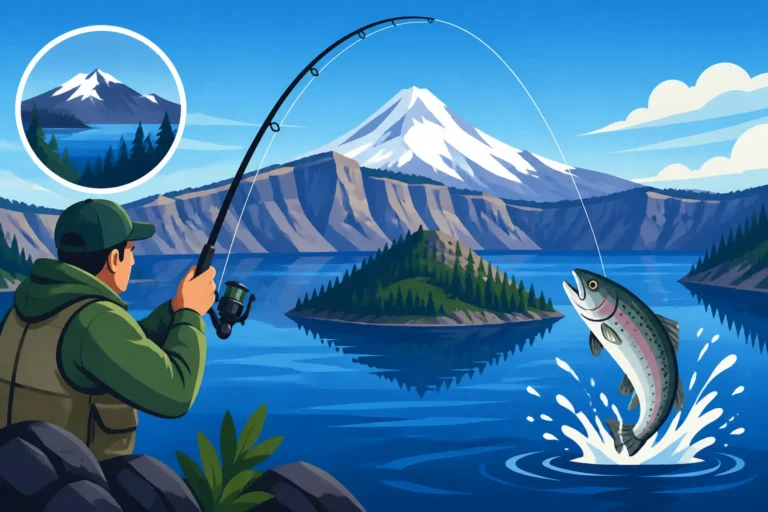
For a completely different, high-altitude experience, Trillium Lake offers stunning views of Mount Hood and fantastic bank fishing, though it requires a slightly longer drive – usually about an hour and a half from Portland. This picturesque lake is truly a special place, making the drive worth every minute.
Trillium Lake is renowned for its excellent rainbow trout fishing. The ODFW regularly stocks this popular lake, ensuring good opportunities for anglers. It's often considered one of the best Trillium Lake family fishing spot options in the region due to its easy access, beautiful scenery, and generally calm waters. While it’s primarily a trout fishery, you might occasionally encounter a few brook trout as well.
Bank access at Trillium Lake is abundant, with a popular loop trail encircling much of the lake. There are several picnic areas and campgrounds that provide direct access to the water's edge. The fishing dock near the day-use area is particularly popular and accessible. Given its elevation, Trillium Lake is typically open for fishing from late spring (once the snow melts and roads are clear) through early fall. The best techniques for bank fishing here include using power bait, worms, or small spinners and spoons. Fly fishing with small nymphs or dry flies can also be very productive, especially during insect hatches. Remember to check seasonal road closures before you head up, as Highway 26 to Trillium Lake can be impacted by snow well into late spring.
Sandy River
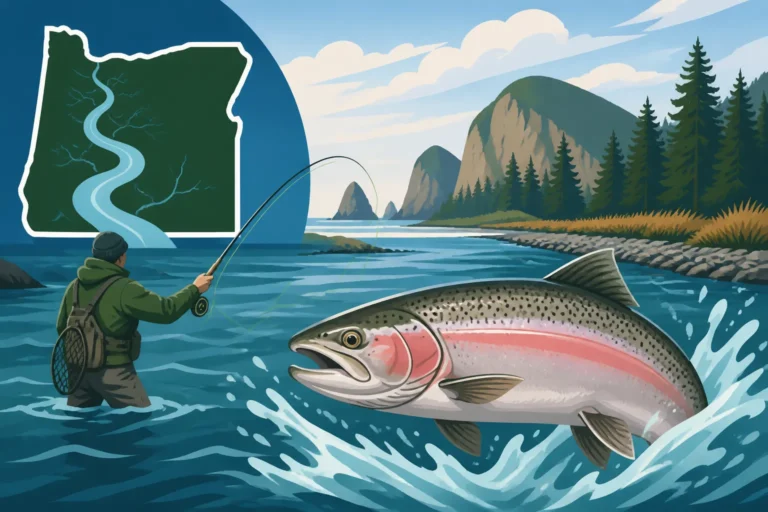
The Sandy River, which originates from the glaciers of Mount Hood and flows into the Columbia River, is another fantastic option for bank anglers, particularly those chasing salmon and steelhead. Its close proximity to Portland makes it a popular choice, and it offers a wilder, more riverine fishing experience compared to lakes. For more comprehensive details, you can consult our dedicated Sandy River Fishing Guide.
The Sandy is primarily known for its winter and summer steelhead runs, as well as spring and fall Chinook salmon. Bank access points are numerous, especially in the lower river sections. Oxbow Regional Park is a prime location, offering extensive bank access, numerous trails, and designated fishing areas. The park has several miles of river frontage, providing ample opportunities to find a quiet spot. Another popular spot is Lewis and Clark State Recreation Site, further downstream, which provides direct access to the confluence with the Columbia.
Fishing methods from the bank on the Sandy typically involve drift fishing with bait (roe, worms) or artificial lures (spinners, jigs), and bobber dogging for steelhead and salmon. Fly fishing is also popular in certain sections, especially for summer steelhead. The river's character changes significantly depending on water levels and flows, so keeping an eye on river conditions is crucial. A great way to prepare is by looking up recent reports or even browsing through resources like FishingBooker, which sometimes lists local guides who can offer up-to-the-minute insights on conditions and hot spots. Remember that different species have different seasons, so always check the current Oregon Fishing Season Dates and Limits to know what's open.
Essential Gear and Strategies for Portland Bank Anglers
Bank fishing, while simpler than boat fishing, still benefits greatly from having the right gear and understanding some fundamental strategies. You don't need a massive tackle box, but a thoughtful selection of equipment can make all the difference between a frustrating day and a successful outing.
Must-Have Tackle for Shoreline Success
When you're walking the bank, portability is key. You want enough gear to be versatile, but not so much that you're hauling a heavy load for miles. Here’s a breakdown of what typically works best:
- Rods and Reels: A medium-light to medium action spinning rod, 6.5 to 7.5 feet long, is a versatile choice. It offers enough backbone to cast lures a good distance, handle most freshwater species from trout to smaller salmon, and still be sensitive enough for panfish. Pair it with a reliable spinning reel spooled with 6-10 lb monofilament or braided line with a fluorocarbon leader. For heavier species like salmon or sturgeon on the Willamette, you might need a medium-heavy action rod, 8-10 feet long, capable of handling heavier line and larger weights.
- Terminal Tackle: This is your bread and butter. A variety of hooks (sizes 6-2/0), split shot sinkers, egg sinkers (1/4 oz to 1 oz for still water, heavier for rivers), swivels, and bobbers (slip bobbers are great for varying depths) will cover most situations.
- Baits and Lures: For trout, PowerBait (in various colors and forms), nightcrawlers, and salmon eggs are classic choices. Small spinners (like Rooster Tails or Mepps) and spoons (Kastmasters, Dick Nites) are also incredibly effective. For bass and panfish, soft plastic worms, grubs, small jigs, and tiny crankbaits work wonders. Live worms are a universal bait that many species can't resist. When targeting bigger fish like salmon or steelhead, cured roe, shrimp, or larger spinners and spoons are often the go-to. For more specific advice, our guide on the Best Bait for Oregon Trout Fishing is a fantastic resource.
- Other Essentials: Don't forget a pair of pliers for hook removal, a small net (especially for larger fish), a multi-tool, sunscreen, bug repellent, and a small cooler for drinks and any keepers. A comfortable backpack is ideal for carrying all your essentials, leaving your hands free for your rod.
Reading the Water from the Bank
Without a boat to explore every nook and cranny, learning to "read the water" becomes an even more critical skill for bank anglers. Fish aren't just swimming randomly; they congregate where there's food, cover, and favorable currents or temperatures.
- Structure is Key: Look for any kind of structure that breaks up the current or provides cover. This includes fallen trees (often called "snags"), submerged rocks, weed beds, docks, or even changes in the bottom contour. Bass and panfish love to hide in and around these areas, ambushing prey. Salmon and steelhead often use current breaks and deep pockets behind structure as resting spots during their migrations.
- Current and Seams: In rivers, fish will often hold in "seams" – the transition lines between fast and slow water. These spots offer a balance of accessible food and less energy expenditure. Cast your lure or bait into the faster current and let it drift naturally into the slower water where fish are likely holding. Observing the flow and how it interacts with the bank can reveal prime holding water.
- Depth Changes: Keep an eye out for areas where the bottom drops off suddenly. These depth changes, or "break lines," can be visible by changes in water color or by careful observation of how your line drifts or sinks. Many fish use these areas to move between deeper, cooler water and shallower feeding grounds.
- Surface Activity: Don't ignore what's happening on the surface! Rising fish indicate feeding trout or kokanee. Swirls or splashes near cover might reveal actively hunting bass. Pay attention to insect hatches, as these often coincide with feeding frenzies.
By carefully observing your surroundings and understanding basic fish behavior, you can significantly increase your chances of success, even when limited to the shoreline.
Navigating Regulations and Seasons for Bank Fishing
Oregon's fisheries are a precious resource, and proper management ensures they remain healthy for future generations. For any angler, especially those new to the state or specific areas, understanding the regulations is not just a recommendation—it's a requirement. This is especially true near Portland, where multiple river systems and lakes offer diverse opportunities.
Understanding Your Oregon Fishing License
Before you even make your first cast, you need a valid Oregon fishing license. This isn't just a piece of paper; it's your official permission to participate in the state's fisheries. The type of license you need depends on your residency status and how long you plan to fish. You can find comprehensive details in our Oregon Fishing License Guide, which breaks down all the options.
For most adult resident anglers, an annual angling license is the standard. Non-residents have options ranging from one-day licenses to annual passes, depending on the length of their stay. Remember, if you're planning to target specific species like salmon, steelhead, sturgeon, or halibut, you'll also need to purchase the appropriate tags or endorsements, such as the Oregon Combined Angling Tag Guide. These tags are crucial for tracking catch limits and contributing to conservation efforts. Additionally, there are specific rules for younger anglers; our guide on Oregon Fishing License Age Requirements clarifies who needs a license and when. You can often purchase these licenses and tags online through the ODFW website or from local sporting goods stores like Cabela's or Dick's Sporting Goods, which are easily accessible in and around Portland.
Key Species and Seasonal Considerations
Oregon's diverse aquatic environments mean that what you can catch and when often varies significantly by location and species. It's crucial to consult the current Oregon Sport Fishing Regulations handbook, which is updated annually. You can usually pick up a physical copy at any license vendor, or access it online via the ODFW website. For a general overview, our Oregon Fishing Regulations Explained article provides a great starting point.
When bank fishing near Portland, here are some common species and their general seasons:
- Trout (Rainbow, Cutthroat, Brown): Most stocked lakes, like Henry Hagg Lake and Trillium Lake, offer good trout fishing from spring through fall, and even into winter in lower elevation waters. Rivers typically have specific seasons, especially for wild trout. Our guide on Oregon Trout Fishing Techniques can help you get started.
- Salmon (Chinook, Coho) & Steelhead: These anadromous fish migrate through the Willamette and Sandy rivers. Seasons are highly regulated and vary greatly by river, time of year (e.g., spring Chinook, fall Chinook, summer steelhead, winter steelhead), and even specific river sections. Pay close attention to retention limits and bait restrictions.
- Warmwater Species (Bass, Crappie, Bluegill, Perch): These are often available year-round in lakes and warmer river sections like the lower Willamette and Henry Hagg Lake. While there are generally generous bag limits for these species, it's always wise to confirm in the regulations.
- Sturgeon: The Willamette River holds a significant population of White Sturgeon. Sturgeon fishing is often catch-and-release only, or with very limited retention seasons, so check the regulations meticulously.
Always check for emergency closures or rule changes before you head out, as these can happen unexpectedly due to environmental factors like low water levels or high temperatures. A quick online search or a call to the local ODFW office can save you a lot of hassle.
Comparative Look at Portland Area Bank Fishing Spots
To help you decide where to cast your line next, here's a quick overview of the bank fishing spots we've discussed near Portland:
| Fishing Spot | Primary Species | Best Season | Accessibility (Bank) | Typical Techniques | Special Notes |
|---|---|---|---|---|---|
| Henry Hagg Lake | Rainbow Trout, Largemouth/Smallmouth Bass, Crappie, Bluegill, Perch | Spring-Fall | Excellent | Bait, Spinners, Jigs, Soft Plastics | Regularly stocked; good for families. |
| Lower Willamette River | Chinook Salmon, Steelhead, Sturgeon, Bass, Shad, Carp | Varies by species | Good | Bait (roe), Spinners, Jigs, Soft Plastics | Tidal influence; check regulations for migratory species. |
| Trillium Lake | Rainbow Trout, Brook Trout | Late Spring-Fall | Excellent | Bait, Spinners, Fly Fishing | High elevation, scenic, check road access. |
| Sandy River | Steelhead, Chinook Salmon, Coho Salmon | Varies by species | Good | Drift Fishing, Bobber Dogging, Fly Fishing | Strong currents; check flows and regulations. |
This table should give you a quick glance at what to expect, but remember, digging into the detailed regulations and local conditions is always the best preparation. Reputable services like FishingBooker can sometimes offer insights into local conditions or connect you with guides if you're looking for expert, up-to-the-minute advice.
Disclaimer
Please remember that fishing regulations, access points, and fish populations can change. Always consult the most current Oregon Department of Fish and Wildlife (ODFW) regulations before heading out. This guide is for informational purposes only and should not replace official sources. Practice responsible angling, respect private property, and leave no trace.