What is the smallest legal trout you can keep in Oregon
It can be incredibly frustrating to be out on the beautiful waters of Oregon, reeling in what you think is a perfect trout, only to suddenly question if it's even legal to keep. That knot of anxiety about accidentally breaking a regulation can really put a damper on an otherwise peaceful fishing trip. This guide is here to untangle those confusing size limits for trout in Oregon, helping you understand exactly what you can legally keep and when those rules might change.
Understanding Oregon's General Trout Size Regulations
When it comes to trout fishing in Oregon, the question of "how small is too small?" is one that often stumps even experienced anglers. Unlike some states or other species, Oregon's trout regulations aren't always a straightforward "X inches minimum." It's actually a bit more nuanced, designed to protect certain populations and ensure sustainable fishing for everyone.
The "No Minimum Size" Trap (and when it applies)
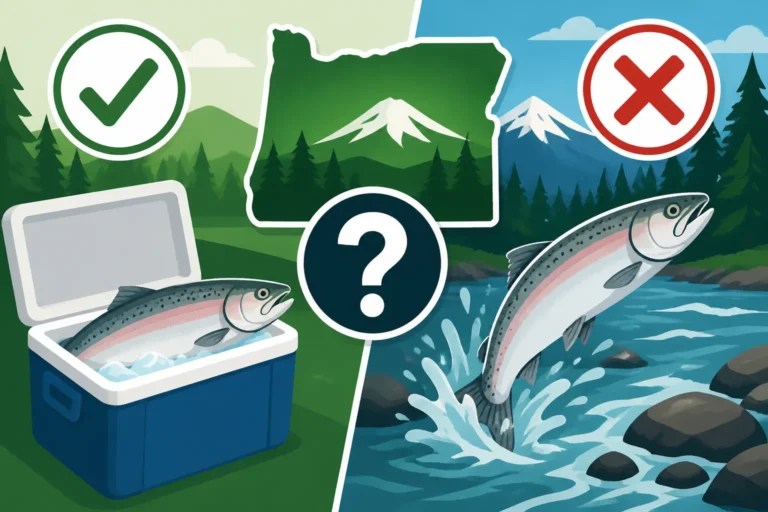
Here's the kicker for many anglers: for a vast number of water bodies across Oregon, especially those regularly stocked with hatchery rainbow trout, there is often no minimum size limit for trout you can keep. Yep, you read that right. If you're fishing a lake or pond that's managed primarily for put-and-take recreational trout fishing, and it's full of those pan-sized hatchery rainbows, you might be able to keep a fish of any size, as long as you stay within the daily bag limit. This is often the case in smaller, easily accessible lakes and ponds, like Henry Hagg Lake or many of the smaller reservoirs around Bend, where the goal is to provide ample opportunities for anglers to catch and harvest fish.
However, this isn't a blanket rule. This "no minimum" approach is typically for specific, often stocked, general trout seasons and locations. The idea is that these fish are meant to be caught and enjoyed. It can feel a bit counter-intuitive if you're used to strict minimums, but it's a common management strategy to maximize recreational opportunities while protecting wild fish populations in other areas. Always, always, always check the specific regulations for the water you intend to fish.
When Size Limits Do Matter: Special Regulations
Now, just because many general trout waters lack a minimum size doesn't mean you can throw caution to the wind everywhere. Oh no, that's where the "special regulations" come into play, and these are absolutely critical to understand. You might find minimum size limits, maximum size limits, or even slot limits (where you can only keep fish within a certain size range, say, 8-12 inches, releasing anything smaller or larger) on:
- Wild Trout Streams: Many of Oregon's pristine rivers and streams, especially those known for their populations of wild rainbow, cutthroat, or redband trout, will have strict size regulations. These are put in place to protect the spawning population and allow smaller fish to grow. For example, some sections of the Deschutes River or the Rogue River might have minimum size limits for trout.
- Specific Lakes and Reservoirs: Even some larger lakes might have specific rules, especially if they support a unique or sensitive trout population, like bull trout (which are usually catch-and-release only or require a special permit) or large trophy-sized rainbow trout.
- Certain Species: Beyond the general "trout" category, specific trout species might have their own rules. For instance, Bull Trout in Oregon are a protected species and have very specific, often catch-and-release only, regulations.
- Fly-Fishing Only Waters: Often, waters designated as "fly-fishing only" also come with more restrictive size and bag limits, reflecting a focus on conservation and a different angling experience. The Metolius River is a prime example of a fly-fishing-only river with its own very detailed regulations.
Ignoring these special regulations can lead to serious consequences, not just for your wallet, but for the health of these precious fish populations. This is why having a current Oregon Fishing Regulations Explained booklet on hand, or easily accessible on your phone, is non-negotiable.
Why These Rules Exist (Conservation & Management)
It's easy to get bogged down in all the rules and feel like they're just there to make life difficult, but every single regulation, including those pertaining to trout size, serves a vital purpose. The Oregon Department of Fish and Wildlife (ODFW) designs these rules with long-term conservation and sustainable angling in mind.
Consider wild trout streams: if anglers were allowed to keep every small trout, the young fish wouldn't have a chance to grow, mature, and contribute to the next generation. Minimum size limits ensure that a certain percentage of fish survive to spawn at least once, maintaining a healthy population. Conversely, slot limits might be implemented to protect both the very small fish (future spawners) and the very large, older fish (valuable genetic stock and trophy potential), while allowing harvest of medium-sized fish.
For stocked waters with no minimum size, the goal is different. These fisheries are often designed to take pressure off wild populations. Hatchery-raised trout are generally robust and readily bite, providing a fun experience for anglers, especially families and beginners. By not having a minimum size, ODFW encourages the harvest of these fish, making space for new stock and preventing overpopulation in smaller ponds. It's a delicate balance, and these rules are living documents, often changing based on scientific data, environmental factors, and public input.
Navigating Specific Waterbody Regulations for Trout
The key to confidently knowing what you can keep lies in understanding how Oregon's regulations are structured. It's not enough to know the general statewide rules; you absolutely must drill down to the specific waterbody you're fishing.
The ODFW Regulation Booklet: Your Angler's Bible
Let me tell you, as a veteran angler, the Oregon Department of Fish and Wildlife (ODFW) sport fishing regulations booklet is your single most important piece of gear, besides your rod and reel. I can't stress this enough. Every year, a new one comes out, packed with all the legal ins and outs. You might groan at the thought of reading through a government document, but trust me, it’s worth every minute.
This booklet isn't just a list of rules; it's a map to legal fishing. It breaks down the state into various zones, and within those zones, it lists individual rivers, lakes, and reservoirs, each with their own specific rules for different species and seasons. For example, while the general rule for trout in a certain zone might be a 5-fish bag limit with no minimum size, a particular section of the Deschutes River within that same zone could have a 12-inch minimum, a 16-inch maximum, and a 2-fish limit, all while requiring barbless hooks.
You can usually pick up a physical copy at sporting goods stores, tackle shops, or ODFW offices. These days, many anglers, myself included, rely heavily on the digital version available on the ODFW website. You can even download it to your phone or tablet so you have it even if you lose cell service, which is incredibly handy when you're out in the wilds of Oregon. A good idea is to get a waterproof case for your phone or even print out the relevant pages if you're heading to a remote spot. For those who prefer a physical guide but want quick access, consider keeping a laminated copy in your tackle box – you can even find durable, water-resistant regulation summaries online from sellers on Amazon that make referencing regulations a breeze in a downpour. This information is literally the difference between a successful, legal trip and a costly citation. Make sure you know Where to find the Oregon fishing regulations booklet before you head out.
Common Exceptions: Lakes, Rivers, and Specific Species
Oregon is incredibly diverse, from the high desert lakes of Central Oregon to the coastal rivers teeming with steelhead. This diversity means a "one size fits all" approach to trout regulations simply wouldn't work.
- Lakes vs. Rivers: Generally speaking, lakes and reservoirs, especially those heavily stocked, tend to have more liberal trout regulations, often with no minimum size. This is because these are often managed as "put-and-take" fisheries, aiming to provide high catch rates. Rivers, particularly smaller, wilder streams, are more likely to have restrictive size limits to protect native populations and promote catch-and-release practices.
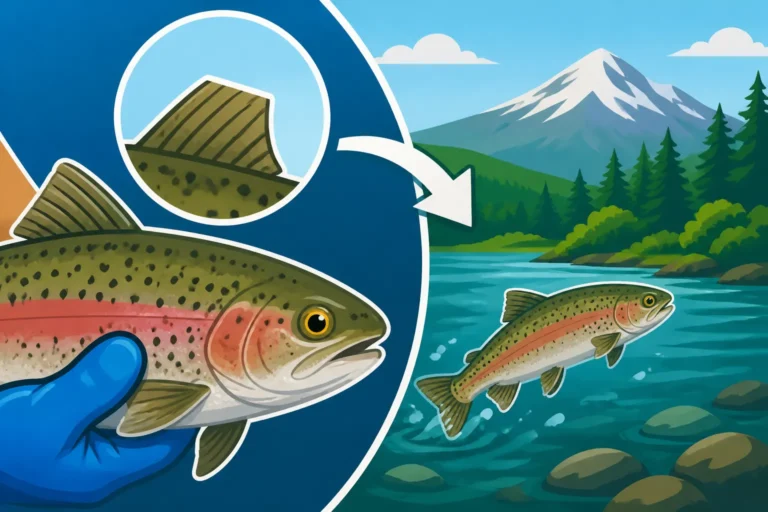
- Hatchery vs. Wild Trout: This is a huge distinction in Oregon. You'll often see regulations that differentiate between hatchery and wild trout, especially for species like steelhead and salmon. For trout, while less common for general rainbow trout, some waters might have different rules if you are targeting, say, wild cutthroat trout. Hatchery fish often have a clipped adipose fin (a small fleshy fin on their back near the tail), which identifies them as hatchery-origin. Wild fish will have an intact adipose fin. Understanding How to tell a wild steelhead from a hatchery steelhead can sometimes apply to specific trout regulations as well.
- Endangered or Protected Species: As mentioned before, species like bull trout are a prime example. These are critically important native fish that often require immediate release, unharmed. It’s absolutely essential to know how to identify these fish and what to do if you catch one. The regulation booklet will clearly outline these protected species and any special permits or requirements. This is where truly understanding Oregon Trout Species Guide becomes invaluable.
The Importance of Knowing Your Zone
Oregon is divided into several fishing zones: Northwest, Southwest, Central, Northeast, and Marine. Each zone has its own set of overarching regulations that then get narrowed down by specific water bodies. You'll find a clear map of these zones at the beginning of the ODFW regulations booklet. For example, a river might flow through two different zones, and the regulations could change right where the zone line crosses it. Or a general trout rule for the "Central Zone" might be completely superseded by a special regulation for a specific lake within the Central Zone.
Not knowing your zone, and the specific rules within it for the exact river bend or lake you're casting into, is a common pitfall. Imagine fishing the Columbia River. While parts of it might be general waters, other stretches could be subject to specific rules for salmon and steelhead, which in turn affect how you might fish for trout as well. The best approach is to identify your general zone, then immediately flip to the alphabetical listing of water bodies to find your specific spot. Don't rely on hearsay or what someone told you last year; regulations can and do change. The Oregon Fishing Zones Explained section in your ODFW guide will be a lifesaver here.
| Water Body Type | General Rule (Often) | Common Exceptions/Considerations |
|---|---|---|
| Stocked Lakes/Ponds | No minimum size limit | Daily bag limit still applies, check for specific gear restrictions. |
| Wild Trout Streams | Minimum size limits (e.g., 8 or 12 inches) | May also have maximum size limits, slot limits, or barbless hook rules. |
| Rivers (mixed species) | Variable; often minimums, especially for native fish. | Check for specific sections, species-specific rules (e.g., bull trout), or seasonal closures. |
| Alpine Lakes | Often no minimum size, but reduced bag limits. | Check access dates and unique species if present (e.g., golden trout). |
| Columbia River Basin | Highly complex; check for specific zones/tributaries. | Reciprocity with Washington may apply in some areas, but double-check everything. |
Practical Tips for Measuring and Releasing Trout
So, you've read the regulations, you're out on the water, and you've hooked a beautiful trout. Now what? The moment of truth comes when you need to quickly and accurately determine if your catch is a keeper. Doing this correctly, and releasing fish safely if they don't meet the criteria, is a crucial part of responsible angling.
How to Accurately Measure Your Catch
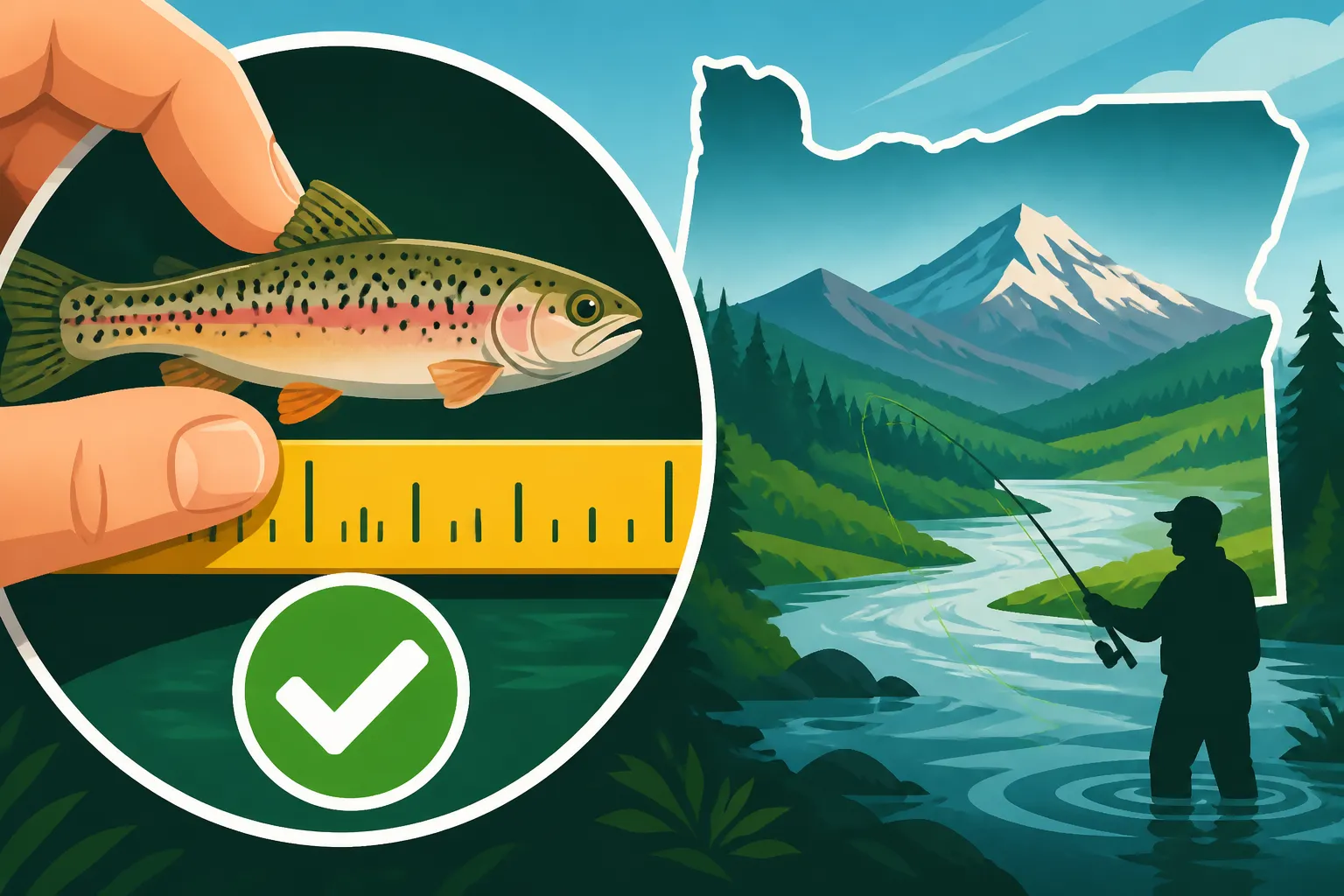
First things first: be prepared. Before you even cast your line, make sure you have a reliable measuring device. A flexible tape measure or a rigid fish ruler are your best friends here. Many fishing boats have rulers built in, or you can find portable, self-adhesive rulers to stick on your tackle box or kayak. On Amazon, you can find specific fish measuring boards that include built-in rulers and sometimes even a lip to hold the fish's nose for precise measurement, which can be super helpful, especially for squirmy trout.
When you land a fish, handle it gently and measure it quickly.
- Wet Your Hands: Always wet your hands before handling a fish. This helps protect their delicate slime coat, which is their primary defense against disease.
- Lay Flat: Place the fish flat on a wet, non-abrasive surface if possible (like a wet measuring board or the bottom of your wet net). Avoid laying them on dry, hot surfaces or rough ground.
- Nose to Tail: Measure from the tip of the fish's nose to the tip of its tail, with the tail squeezed together (this is typically how ODFW defines "total length"). Don't measure to the fork of the tail unless the regulations specifically state "fork length."
- Quick and Gentle: Get your measurement as quickly as possible. The longer the fish is out of water, the more stressed it becomes.
If you're fishing in a spot where even a small difference matters for legal length, practicing your measurement technique on a few non-keepers can help you get faster and more accurate. Remember, when in doubt about the length, it's always better to release the fish.
Best Practices for Catch and Release (if too small or not legal)
If your trout doesn't meet the legal size, or if you're fishing a catch-and-release only section, you have a responsibility to release that fish in the best possible condition. The goal is for that fish to swim away strong and continue its life.
Here are some crucial catch-and-release tips:
- Minimize Air Exposure: Keep the fish in the water as much as possible. If you must remove it, do so quickly for a photo or measurement, and then get it back in.
- Barbless Hooks: This is huge. Barbless hooks greatly reduce the damage to a fish's mouth and make hook removal much easier and faster. If you're not using barbless hooks, crimp down the barbs on your regular hooks with pliers. Some Oregon waters mandate barbless hooks, especially for certain species or in sensitive areas.
- Proper Hook Removal: Use needle-nose pliers or a hook-removal tool. If the hook is deeply swallowed, it's often better to cut the line as close to the hook as possible rather than tearing up the fish's gills or stomach trying to extract it.
- Support the Fish: When handling a fish, support its weight horizontally, especially larger fish. Avoid holding them vertically by the jaw or tail, which can damage their spine and internal organs.
- Revive Gently: Once released, hold the fish gently in the water, facing upstream, allowing water to flow over its gills. Don't just toss it in. If it's struggling, gently move it back and forth a few inches to help push water through its gills until it swims away on its own power.
- Avoid the Spawn: If you're catching fish that are clearly in spawning colors or show signs of being gravid (full of eggs), consider letting them go, even if legal to keep. These are the future of the fishery.
Responsible catch and release practices are essential for preserving Oregon's incredible fishing resources. Every fish you release safely is a fish that can be caught again, or, more importantly, contribute to a healthy ecosystem. This is critical for following Oregon Catch-and-Release Rules.
Essential Gear for Responsible Angling
Having the right gear isn't just about catching fish; it's about being a responsible steward of the resource.
- Measuring Device: As discussed, a reliable tape measure, rigid ruler, or fish measuring board is a must. Keep it easily accessible.
- Net: A good quality, knotless rubber or silicone net is ideal. These nets are much gentler on a fish's slime coat and fins than knotted nylon nets, which can strip scales and cause damage. A long-handled net can also help you land fish without pulling them completely out of the water.
- Pliers/Forceps: Needle-nose pliers or hemostats (fishing forceps) are invaluable for quickly and safely removing hooks, especially if you're using barbless hooks.
- Fishing Regulations Booklet (or Digital Copy): Again, can't emphasize this enough. Keep it dry and easily accessible.
- Sun Protection and Water: While not directly for fish handling, staying comfortable and hydrated allows you to focus better and make sound decisions when you do hook into a fish.
By being prepared and practicing responsible angling, you'll not only avoid potential penalties but also ensure that Oregon's stunning trout fisheries remain vibrant and healthy for generations of anglers to come. Whether you're targeting small pan-fried hatchery rainbows or pursuing trophy wild trout with specific size restrictions, the joy of fishing comes from respecting the resource and its rules.
Disclaimer
This article is for general informational purposes only and does not constitute professional advice. Laws, prices and regulations vary by location and change over time. Consult a qualified professional for guidance on your specific situation.