Where do sea-run cutthroat trout come from
Oh, the elusive sea-run cutthroat trout! If you've spent any time casting a line in Oregon's coastal rivers, you've probably heard hushed whispers about these incredible fish, or perhaps even seen one flash by, leaving you wondering, "Where in the world did that come from, and where is it going?" It's a question that perplexes many anglers, and frankly, it's not always straightforward because their life is a fascinating dance between fresh and saltwater. This guide is here to pull back the curtain on the mysterious origins and incredible journeys of Oregon's sea-run cutthroat, giving you a clearer picture of these resilient, beautiful fish.
Understanding the Pacific Coast Cutthroat Trout Species
Before we dive into their epic migrations, it’s helpful to understand that the cutthroat trout itself (scientifically known as Oncorhynchus clarkii) is a bit of a chameleon. It’s not just one type of fish; it’s a species with incredible adaptability, giving rise to various life histories, each uniquely suited to its environment. Knowing this context really helps demystify where these sea-run beauties fit into the larger picture.
The Different Forms of Cutthroat Trout
When we talk about cutthroat trout, it’s important to realize that not all of them embark on a grand journey to the ocean. In fact, you might encounter several different forms, even within the same river system! There are the "resident" freshwater cutthroat, which spend their entire lives in streams, rivers, or small lakes, never venturing downstream past major confluences or tidal influence. Then you have "adfluvial" cutthroat, which live most of their adult lives in lakes but migrate into tributary streams to spawn. Similarly, "fluvial" cutthroat primarily inhabit larger rivers, moving within those systems but not typically entering saltwater.
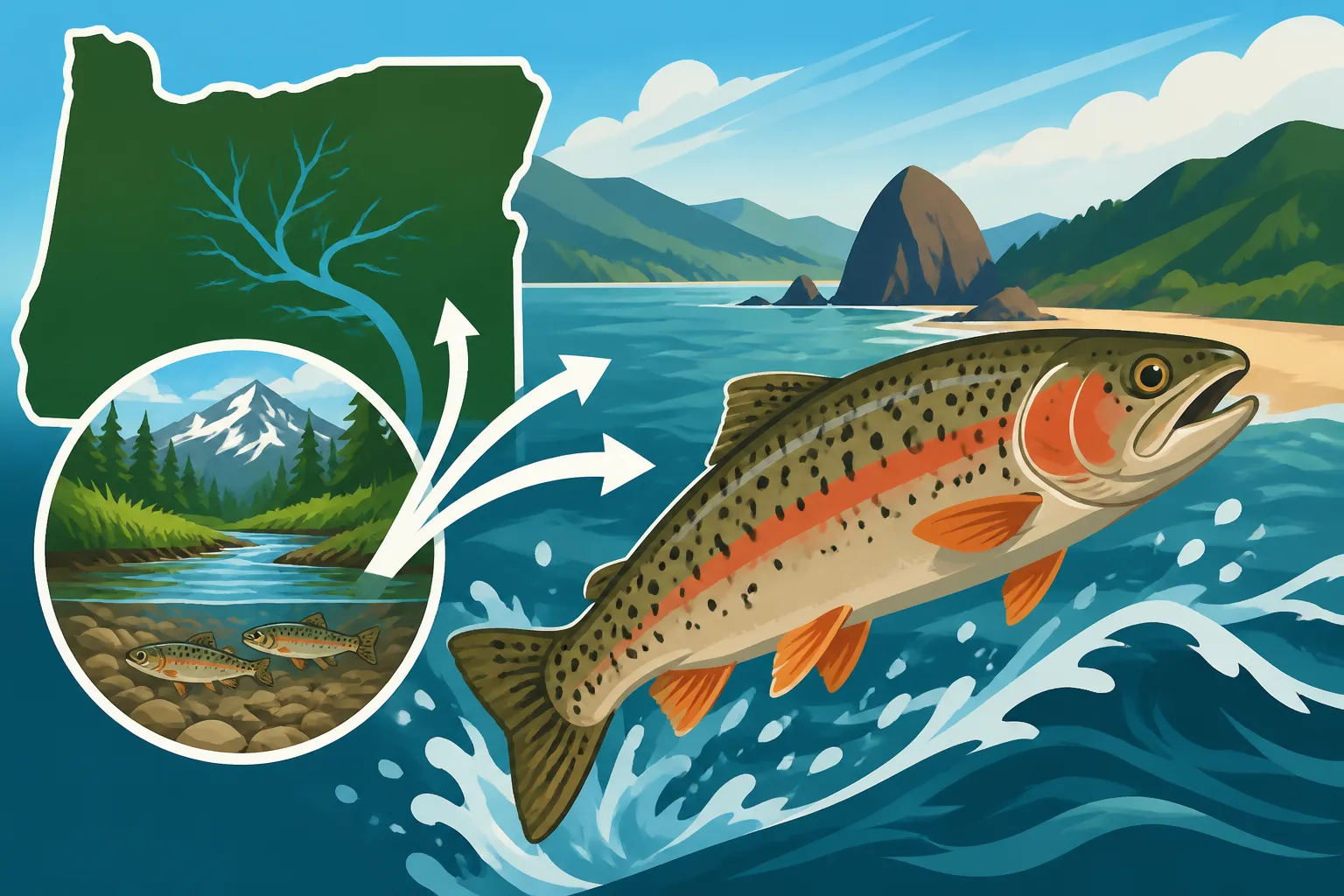
The sea-run cutthroat, on the other hand, represents the "anadromous" form. This means they are born in freshwater, migrate to saltwater (in their case, the estuaries and nearshore ocean), spend time there growing larger and stronger, and then return to freshwater to spawn. This genetic predisposition to go to sea is what makes them so special, but it's often influenced by the specific environmental conditions of their home river. An angler fishing a high mountain lake in the Cascades might catch a resident cutthroat, while someone casting in the tidal reaches of the Alsea River might hook a sea-run. Genetically, they are all Oncorhynchus clarkii, but their life choices, dictated by genes and environment, make them behave quite differently.
The Unique Adaptation of Sea-Run Cutthroat
The anadromous nature of sea-run cutthroat is truly a marvel of adaptation. Like their more famous cousins, the salmon, they possess the incredible ability to transition between drastically different aquatic environments. They start their lives in the crisp, cold freshwater streams, but at a certain point, a biological switch flips, and their bodies undergo a process called smoltification. This is a complex physiological change that allows them to tolerate saltwater. Their gills change to excrete salt, their skin becomes more silvery to camouflage them in the open ocean, and their behavior shifts, preparing them for the downstream journey.
What makes sea-run cutthroat particularly fascinating, and somewhat distinct from many Pacific salmon, is their resilience. While many salmon species are "semelparous" – meaning they spawn once and then die – sea-run cutthroat are "iteroparous." This means they can, and often do, survive their spawning journey, return to the ocean to feed and regain strength, and then come back to spawn again in subsequent years. This capability for multiple spawning runs adds a layer of hardiness and complexity to their life cycle, making them truly unique inhabitants of Oregon’s coastal ecosystems. It’s this ability to bounce back and forth between fresh and salt that allows them to utilize a wider range of habitats and survive challenges that might wipe out a single-spawn species.
The Journey from Stream to Sea and Back Again
Understanding that sea-run cutthroat have chosen the anadromous path is just the beginning. Their actual journey is a multi-stage epic, fraught with challenges and fueled by an instinctual drive. It’s a testament to nature’s ingenuity that these fish navigate such drastic environmental shifts and survive against considerable odds.
Freshwater Beginnings: Spawning and Rearing
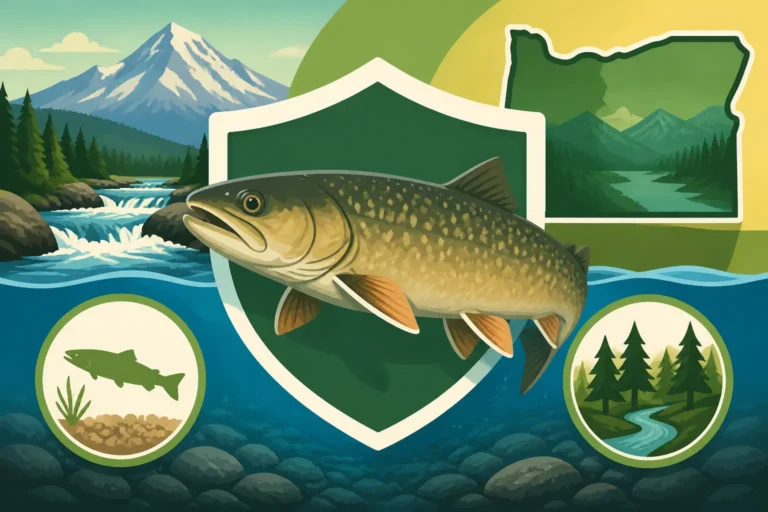
Every sea-run cutthroat trout starts its life in freshwater, specifically in the smaller, often less-noticed tributaries and headwater streams of coastal river systems. Think of those brushy, alder-lined creeks that flow into bigger rivers like the Nestucca, the Siletz, or the Alsea. These are the nurseries. In the late fall or early winter, adult sea-run cutthroat return from the ocean, pushing upstream, sometimes incredibly far, to find suitable spawning grounds. They seek out shallow, gravelly riffles where the female will create a "redd" – a nest dug in the streambed – to deposit her eggs, which are then fertilized by a male.
Once hatched, the tiny alevin, still carrying their yolk sacs, hide within the gravel. As they grow into fry and then parr, they'll spend a year or two, sometimes even three, in these natal streams. They're masters of camouflage, darting among submerged logs, undercut banks, and overhanging vegetation, feeding on insects and growing. This early freshwater rearing phase is absolutely crucial. These small streams need to be cold, clean, and offer plenty of cover and food. A healthy riparian zone – the trees and shrubs along the stream bank – is essential, providing shade to keep water temperatures low and contributing insects to their diet. Without these pristine conditions, the chances of robust sea-run cutthroat populations diminish significantly.
The Downstream Migration to Estuaries and the Ocean
Once these young cutthroat have grown enough and undergone smoltification, typically in the spring or early summer when stream flows are higher, they begin their downstream journey. This migration is a perilous one. As smolts, they're instinctively driven towards the sea, navigating through larger river sections and eventually into the estuary. Estuaries – those dynamic zones where freshwater rivers meet the saltwater tides – are incredibly important for sea-run cutthroat. They aren't just a highway; they're a critical pit stop. Here, the young fish spend weeks or even months acclimating to the changing salinity, gorging themselves on abundant food sources like small baitfish, shrimp, and insect larvae. This period of intense feeding allows them to grow rapidly, building up energy reserves that are vital for their transition to the full marine environment.
Not all sea-run cutthroat venture far into the open ocean. Many remain in the relative safety and productivity of the estuary, feeding and growing without ever going beyond the immediate coastal waters. Others will venture out into the nearshore ocean, typically staying within a few miles of the coastline, often associating with the plume of their natal river. They're not like Chinook or Coho salmon that embark on vast, multi-year ocean migrations across hundreds or thousands of miles. Sea-run cutthroat tend to be "homebodies" in the ocean, sticking close to familiar waters, which makes sense given their ability to pop back into freshwater for feeding or refuge if conditions demand it. This strategy allows them to exploit rich marine food sources while staying relatively close to their spawning and rearing grounds.
Life in the Saltwater Realm
For those sea-run cutthroat that do venture beyond the estuary, their life in the saltwater realm is primarily about feeding and growth. They are opportunistic predators, targeting anything from small forage fish like herring and anchovies to various crustaceans and invertebrates found in the nearshore environment. This abundant marine diet allows them to pack on weight and grow much faster than their resident freshwater counterparts. It's not uncommon for a sea-run cutthroat to double or even triple its size during its time in saltwater.
Unlike many salmon, which might spend years in the vast open ocean, cutthroat tend to cruise relatively close to shore. You won't find them hundreds of miles offshore chasing tuna. Instead, they'll be found foraging along kelp beds, rock reefs, and sandy beaches, often within the immediate influence of the river plumes that guided them out. Their silvery flanks help them blend into the sun-dappled waters of the Pacific, making them efficient hunters and difficult targets for predators. This nearshore existence is key to their life history, as it allows them to maintain a connection to their freshwater origins, preparing them for the eventual return. This migratory pattern also means that if you're looking for them, focusing on the mouths of coastal rivers and nearby beaches is often more productive than heading far offshore.
The Call of Home: Spawning Returns and Repeat Migrations
Just as the urge to migrate downstream pulled the young smolts to sea, an equally powerful, albeit different, instinct drives the mature sea-run cutthroat back to freshwater. This return journey is not a one-time event for these fish, which further distinguishes them and underscores their remarkable resilience.
The Return to Freshwater
When the time is right, usually in late summer, fall, or even through winter depending on the specific run and river system, adult sea-run cutthroat feel the irresistible pull to return to freshwater. This isn't just about spawning; sometimes they'll enter rivers simply to escape harsh ocean conditions or to find an abundance of freshwater forage. They navigate back to their natal streams, using an incredible sense of smell to detect the unique chemical signature of their home waters, much like salmon do. The journey upstream can be arduous, requiring bursts of energy to overcome currents, rapids, and sometimes even man-made obstacles.
Anglers often observe these returning fish in the lower river sections, particularly where the tidal influence is still felt, as they gradually push further upstream. They tend to move in smaller groups or individually, rather than the massive schools that some salmon species form. Seeing a gleaming, robust sea-run cutthroat, fresh from the ocean, enter a small stream is truly a sight to behold and a reminder of the intricate connections between our rivers and the vast Pacific. Remember, these fish have just spent months feasting in the rich ocean, so they're often in prime condition when they first re-enter freshwater. It’s during this transition that they are often most vulnerable to angling pressure, making ethical practices paramount.
Spawning Rituals and Post-Spawn Survival
Once they've successfully navigated back to their chosen spawning grounds – often the very same small, clear gravel tributaries where they were born – the spawning ritual begins. Females will construct redds, deposit their eggs, and males will fertilize them, ensuring the next generation. What sets sea-run cutthroat apart from most Pacific salmon species is their ability to survive this exhausting process. While many salmon are "programmed" to die shortly after spawning, sea-run cutthroat are built to endure. After their eggs are laid, they don't necessarily perish. Instead, if conditions are favorable and they haven't expended all their energy, they can recover.
This post-spawn survival is a critical aspect of their life history. A "spent" cutthroat, often looking a bit ragged and thin, might simply drift back downstream, recuperating in deeper pools or slower currents. Once they've regained some strength, they often migrate back to the estuary or even the nearshore ocean to feed aggressively and rebuild their body mass. This allows them to potentially return and spawn again in subsequent years, contributing multiple times to the genetic pool. This iteroparity is a huge advantage for population resilience, as it means a single fish can have several opportunities to reproduce throughout its lifespan, even if one year's spawning run is less successful.
Factors Influencing Their Presence and Health
The health and presence of sea-run cutthroat trout populations are incredibly sensitive to environmental conditions, making them excellent indicators of overall watershed health. These fish require a pristine, interconnected ecosystem to thrive. Factors like clean, cold water are non-negotiable; pollution from agricultural runoff or urban development can devastate their delicate habitats. Intact riparian zones, with their shading trees and stabilizing root systems, are essential for maintaining stream temperatures and providing vital cover and insect life. Good water flow is also crucial, ensuring proper oxygenation and facilitating migration.
However, many threats loom large. Habitat degradation from logging, road building, and urbanization can fragment their spawning grounds, leading to warmer water temperatures and increased sedimentation. Dams and poorly designed culverts can act as impassable barriers, preventing them from reaching their ancestral spawning grounds. Climate change presents a growing challenge, with warmer water temperatures impacting their survival and altered precipitation patterns affecting stream flows. Conservation efforts are therefore vital for these unique fish, focusing on habitat restoration, removal of migration barriers, and careful management of water resources. When you're looking for gear for your fishing adventures, consider brands that contribute to these efforts, easily found on platforms like Amazon, where you can sometimes find products that align with sustainable fishing practices.
Angling for Sea-Run Cutthroat: Respecting Their Journey
Fishing for sea-run cutthroat is a uniquely rewarding experience in Oregon. They're not always the biggest fish, but their feisty nature, beautiful coloration, and the challenge of understanding their migratory patterns make them a favorite among many anglers. However, because of their sensitivity and the pressures they face, responsible angling is paramount.
Best Times and Locations to Find Them
Knowing when and where to target sea-run cutthroat can significantly increase your chances of success. Generally, the late summer and fall are prime times to intercept them in estuaries and the lower, tidal sections of coastal rivers. As the temperatures drop and fall rains begin, these fish push further upstream. You can find them lurking in the slower, deeper pools, behind logjams, or in the seams of currents in rivers like the Nehalem, the Wilson, or the Siletz. Sometimes, during the winter and early spring, you might even find them high up in smaller tributaries if they are on a spawning run or simply seeking refuge.
These cutthroat love cover, so focus your efforts around overhanging brush, submerged timber, undercut banks, and current breaks. Unlike some salmon, they aren't always in the fastest water. They often hold in areas where they can ambush prey but also find shelter. Always remember to consult the Oregon Fishing Regulations Explained and Oregon Daily Bag Limits Explained for the specific river and time of year you plan to fish, as rules can vary greatly and are crucial for sustainable angling.
Recommended Tackle and Techniques
Fishing for sea-run cutthroat doesn't require heavy gear; in fact, a lighter touch is often more effective. For spinning gear, an ultra-light to light action rod with a sensitive tip, paired with a small spinning reel spooled with 4-6 pound test line, is ideal. Small spinners (like Rooster Tails or Mepps in sizes #0 to #2), small spoons, twitching jigs, or even soft plastic grub tails on a light jig head can be incredibly effective. For bait, local favorites include sand shrimp, small pieces of herring, or even a simple worm presented naturally.
Fly anglers will find a 3 to 5-weight fly rod perfect for these fish. Small streamers that imitate baitfish or shrimp (such as Clouser Minnows, Woolly Buggers, or Sculpzillas) are go-to patterns. Sometimes, wet flies or even small dry flies can work, especially if you encounter a mixed bag of resident and sea-run fish in a river that has a good insect hatch. The key to success is often stealth, subtle presentations, and matching the size and type of forage available in the water. Remember, these fish can be wary, so light leaders and quiet movements on the bank or in a boat are often rewarded. Many useful instructional videos and gear reviews for all types of tackle can be found with a quick search on Amazon, helping you select the right setup for your specific fishing style.
Practicing Conservation and Ethical Angling
Because many sea-run cutthroat populations, particularly wild fish, are sensitive and face numerous challenges, practicing catch-and-release is often highly encouraged or even required by regulations. Always check the Oregon Catch-and-Release Rules for the waters you intend to fish. If you do catch a wild fish (often identifiable by an intact adipose fin, whereas hatchery fish typically have a clipped adipose fin), handle it with the utmost care. Keep the fish in the water as much as possible, use wet hands to minimize damage to its protective slime coat, and remove hooks gently and quickly. Barbless hooks are highly recommended to facilitate easy and safe release.
Being an ethical angler also means respecting their habitat. Avoid disturbing spawning redds (which appear as clean, oval patches of gravel) and minimize your impact on the delicate riparian zones. Consider obtaining an Oregon Fishing License Guide to ensure you understand all the necessary permits, including an Oregon Annual Angling License or specific endorsements, depending on your target species and location. By doing so, you not only contribute to the funding of conservation efforts but also ensure that these incredible sea-run cutthroat trout continue their fascinating journey for generations to come.
| Characteristic | Sea-Run Cutthroat Trout | Pacific Salmon (e.g., Chinook) |
|---|---|---|
| Species | Oncorhynchus clarkii clarkii | Oncorhynchus tshawytscha (Chinook), etc. |
| Primary Goal in Ocean | Feed and Grow (often nearshore) | Feed and Grow (often extensive oceanic migration) |
| Spawning Survival | Iteroparous (can spawn multiple times) | Semelparous (typically spawn once and die) |
| Ocean Migration | Nearshore, generally within a few miles of coast | Can be thousands of miles into open ocean |
| Typical Size (Adult) | Smaller (12-20 inches, sometimes larger) | Larger (20-40+ inches common) |
| Diet (Ocean) | Small fish, shrimp, crustaceans, invertebrates | Small fish (herring, anchovies), squid, krill |
| Freshwater Rearing | 1-3 years in smaller tributaries | Varies by species (months to 1-2 years) in rivers/estuaries |
| Return Timing | Late summer/fall/winter (varies) | Varies greatly by species and run (spring, summer, fall) |
| Conservation Status | Variable, many wild populations sensitive | Varies, many wild populations of concern |
Disclaimer
This article is for general informational purposes only and does not constitute professional advice. Laws, prices and regulations vary by location and change over time. Consult a qualified professional for guidance on your specific situation.