What is a jack salmon
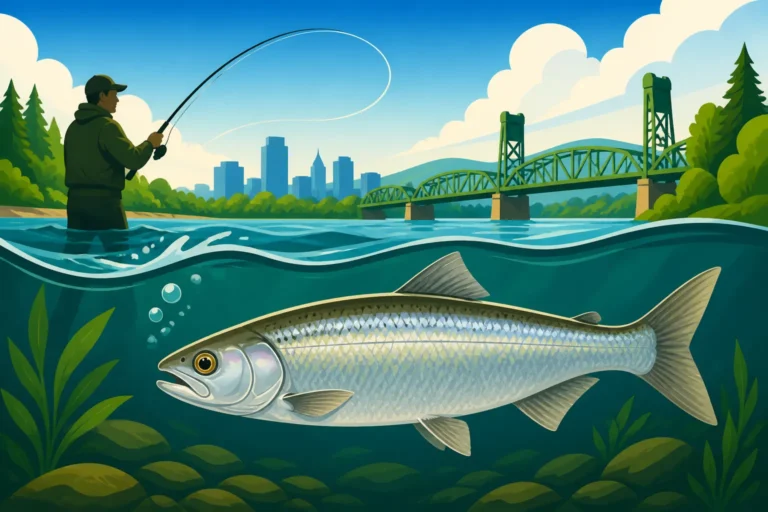
It’s a common scenario out on the water in Oregon: you hook into what feels like a decent fish, but as you reel it in, something feels a bit… smaller. Or maybe you're sorting through your catch at the end of the day, and you notice a salmon that just doesn't quite fit the typical adult profile. This often leads to the question, "What exactly is a jack salmon?" It's a query many anglers, both seasoned and new, ponder, especially when trying to understand regulations and the nuances of salmon life cycles. This guide will dive deep into the fascinating world of jack salmon, explaining what they are, why they're important, and how to identify them so you can navigate Oregon's diverse fishing opportunities with confidence.
Understanding the "Jack" Phenomenon in Oregon Salmon Fishing
The term "jack salmon" might sound a bit informal, but it refers to a very specific and biologically significant stage in the life cycle of certain salmon species, particularly Chinook and coho. These fish play a unique role in the ecosystem and for anglers, they represent both opportunities and specific regulatory considerations.
The Biological Reality of a Jack Salmon
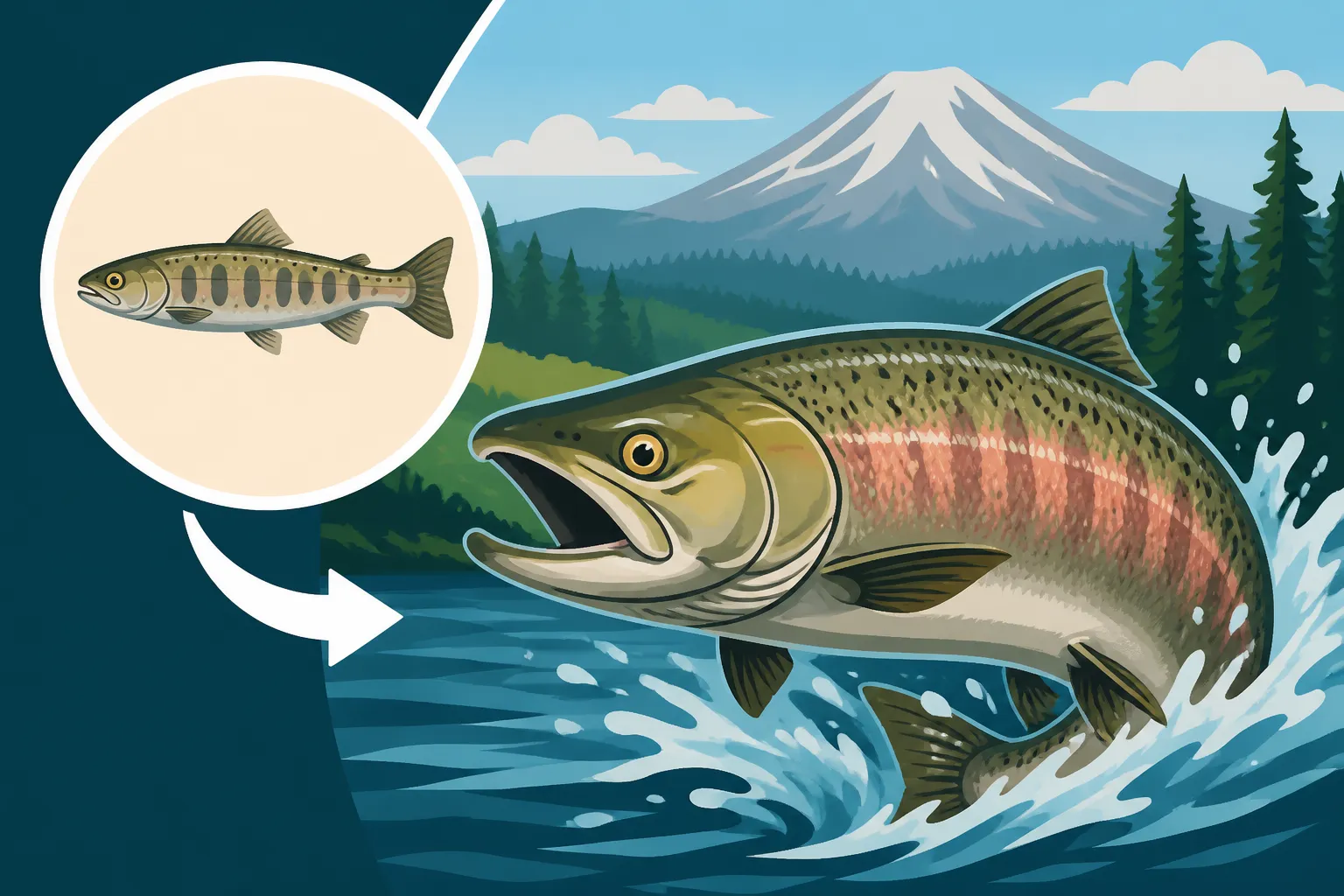
At its heart, a jack salmon is an early returning male salmon. Most salmon species, especially those that spend years in the ocean, return to their natal rivers to spawn as mature adults after several years at sea. However, a small percentage of males mature precociously and return to freshwater a year or even two earlier than the majority of their cohort. These are our jacks. They are biologically mature, meaning they are capable of fertilizing eggs, but they are significantly smaller than their older, full-grown counterparts.
Consider a Chinook salmon, for example. The vast majority of male Chinook will spend three to five years in the ocean, growing to impressive sizes, before making their arduous journey back to spawn. A Chinook jack, however, might return after only one or two years at sea. They've still made the incredible migration, but they haven't had the same amount of time to pack on the pounds. This early return doesn't just happen with Chinook; you'll also encounter coho jacks, which are male coho salmon that return after typically a single year in the ocean, while the bulk of the run returns after two years. It's a clever evolutionary strategy, allowing some males to participate in spawning earlier, even if their contribution might be more about numbers than dominance.
Why They're Called "Jacks" and Their Role in the Spawning Run
The origin of the term "jack" is somewhat rooted in the idea of a young male, often associated with a younger or smaller version of something. In the context of salmon, it perfectly describes these prematurely maturing males. They might lack the imposing size of a full-grown adult, but they are fully ready for the mission of reproduction.
Their role in the spawning run is crucial, even if often overlooked. When the larger, older salmon arrive, the male jacks are already there, sometimes having been in the river for weeks. While they might not be the primary breeders, they can successfully fertilize eggs in the redds (spawning nests) that the larger females create. Their presence ensures a broader genetic contribution and acts as a sort of "backup plan" for reproduction. Some theories suggest that by returning early, jacks avoid direct competition with the larger, more aggressive alpha males for prime spawning positions, instead snatching opportunities on the periphery. This early return also means they face different environmental challenges than the main run, potentially distributing risk for the species. Understanding these nuanced life cycles is a critical part of appreciating Oregon Salmon Species Guide.
Identifying a Jack Salmon: Key Characteristics and Distinctions
For anglers, accurately identifying a jack salmon isn't just a matter of curiosity; it's often a regulatory requirement. Bag limits and retention rules can differ, and knowing what you've caught is essential for staying compliant with Oregon Fishing Regulations Explained.
Size and Appearance Clues
The most prominent characteristic of a jack salmon is its size. They are, quite simply, smaller than the adult salmon of the same species returning in the same run.
For Chinook salmon, an adult might be anywhere from 15 to 30 pounds or even much larger in some areas, whereas a Chinook jack typically weighs between 2 and 6 pounds. They might be anywhere from 15 to 25 inches long. This size difference is usually quite noticeable.
Coho salmon jacks are also significantly smaller than their adult counterparts. While an adult coho can be 8 to 15 pounds, a coho jack usually falls into the 2 to 4-pound range. Their length will also be proportionally smaller.
Beyond just size, jacks often have a slightly different body proportion. They might look a bit "stubbier" or less streamlined compared to the sleek, powerful build of an adult salmon. Their heads might appear proportionally larger for their body size. Their coloring can also offer hints, though this can vary greatly depending on how long they've been in freshwater. Generally, ocean-fresh jacks will still have bright, silvery sides, but as they spend more time in the river, they will start to develop the darker, sometimes reddish or brownish, spawning colors, much like their older brethren. However, their smaller stature will almost always give them away.
Differentiating Jacks from Adult Salmon and Other Species
Distinguishing a jack from a full-grown adult salmon relies primarily on size. If you're consistently catching fish of the same species, and one is significantly smaller but otherwise appears mature, it's likely a jack. For instance, if you're targeting Chinook Salmon in Oregon, and you hook into a bright, healthy-looking 5-pounder when other anglers are landing 20-pounders, you've probably got a jack.
It's also important not to confuse a jack salmon with a juvenile salmon that isn't yet ready to begin its ocean migration or a "smolt" that is just heading out to sea. Jacks are sexually mature and returning to spawn, making them distinctly different from parr or smolts. Jacks will exhibit signs of maturity, such as developing kypes (hooked jaws) in males, though less pronounced than in older adults.
Another common point of confusion can be differentiating between different species, as some salmon species are naturally smaller than others. For example, a full-grown sockeye salmon might be similar in size to a Chinook jack. This is where knowing the species-specific identification marks, beyond just size, becomes crucial. For Coho Salmon in Oregon, look for the white gumline and sparse black spots on the back and upper lobe of the tail, regardless of whether it's a jack or an adult. For Chinook, the dark gumline and spotting throughout both lobes of the tail are key identifiers. When you're gathering your fishing supplies, picking up a good field guide, perhaps from a selection on Amazon, can really help solidify these identification skills.
A simple table can help visualize the primary differences:
| Feature | Jack Salmon (Chinook/Coho) | Adult Salmon (Chinook/Coho) |
|---|---|---|
| Size | Significantly smaller (2-6 lbs Chinook; 2-4 lbs Coho) | Larger (15-30+ lbs Chinook; 8-15 lbs Coho) |
| Length | Shorter (e.g., 15-25 inches for Chinook) | Longer (e.g., 30+ inches for Chinook) |
| Age at Return | Returns 1-2 years earlier (e.g., 1-2 years at sea for Chinook) | Returns at typical maturity (e.g., 3-5 years at sea for Chinook) |
| Sexual Maturity | Fully mature, capable of spawning | Fully mature, capable of spawning |
| Proportion | Often looks "stubbier," head may seem proportionally larger | More streamlined, powerful build |
| Kype (male) | Present but often less pronounced | More pronounced and developed |
This helps answer the question, What is the difference between a jack and an adult salmon, quite directly.
Jack Salmon and Oregon Fishing Regulations
Oregon fishing regulations are meticulously designed to manage fish populations, and jack salmon often have their own specific rules. It's imperative for every angler to understand these rules to ensure sustainable fishing practices and avoid penalties. This is where knowing Oregon Daily Bag Limits Explained comes into sharp focus.
Daily Bag Limits and Retention Rules
One of the most common ways that jack salmon are treated differently in regulations is through separate bag limits. For many salmon fisheries in Oregon, particularly for Chinook and coho, there will be a general daily bag limit for "adult" salmon and a separate, often more generous, bag limit for "jacks." For example, a regulation might state "2 adult salmon, and 2 jack salmon" per day. This means you could potentially retain up to four salmon if they meet the specific criteria for adults and jacks.
The precise definition of a "jack" in terms of length can vary by species, river basin, and even time of year. For instance, a jack Chinook might be defined as a Chinook salmon under 24 inches in length, while an adult Chinook is 24 inches or greater. A coho jack might be defined as a coho under 20 inches, with adults being 20 inches or greater. These lengths are not universal and can change, so it's absolutely crucial to consult the current Oregon Sport Fishing Regulations handbook or the Oregon Department of Fish and Wildlife (ODFW) website before heading out. This information is key to understanding Can you keep a jack Chinook in Oregon?.
The reason for these separate limits is often a management strategy. Because jacks are early-returning males, allowing a higher harvest of them doesn't typically impact the overall reproductive potential of the run as severely as harvesting too many large, multi-year ocean females or prime males. It offers anglers additional opportunities without unduly harming the broader population.
The Importance of Accurate Identification for Anglers
Misidentifying your catch can lead to serious consequences. If you mistakenly keep an adult salmon when you've already filled your adult quota, but believe it to be a jack, you could face fines and penalties for exceeding the bag limit. Conversely, if you release a fish thinking it's a jack when it was actually an adult that could have been legally retained, you've missed an opportunity.
Therefore, meticulous attention to detail is paramount. When you land a salmon, measure it carefully if there's any doubt about its length. Understand the specific length definitions for jacks and adults for the species and location you are fishing. Remember that fin clips also play a role in identification, especially when distinguishing between hatchery and wild fish, as regulations often differ for these as well. Many of the crucial elements of identification are explained in detail in articles like How to identify a hatchery Chinook versus wild Chinook. Knowing these distinctions isn't just about following rules; it's about being a responsible steward of Oregon's precious fisheries. You might even find comprehensive guides on fishing regulations or fish identification on Amazon that can serve as excellent on-the-water references.
The Angler's Perspective: Why Jacks Matter
From the thrill of the strike to the satisfaction of a successful catch, jack salmon contribute significantly to the overall fishing experience in Oregon. They offer unique angling opportunities and even a tasty meal.
Fishing for Jacks: Techniques and Opportunities
Jacks, being smaller and often less wary than their adult counterparts, can provide fantastic fishing opportunities, especially for beginners or when the main adult run is proving challenging. They tend to be aggressive biters and can be found throughout the same river systems as adult salmon.
Many of the techniques used for adult salmon will also work for jacks. Oregon Salmon Fishing Techniques like drift fishing with eggs or roe, casting spinners or spoons, or even bobber and jig setups are all effective. Because of their smaller size, jacks can be a great way to introduce new anglers, especially kids, to salmon fishing without the overwhelming fight of a 20-pound Chinook. They offer consistent action and can boost confidence.
You'll often find jacks schooling in certain areas of the river, especially around holding lies or tributary mouths. Fishing during prime seasons for Chinook Salmon in Oregon or Coho Salmon in Oregon will naturally put you in areas where jacks are present. They provide a valuable fishery that can fill the gap when the bite for larger fish is slow, ensuring a more productive and enjoyable day on the water. Many anglers consider a day with a few feisty jacks a success, especially if they are fishing a popular spot like the Columbia or Willamette. Even when planning a float trip, knowing about jacks can help you prepare the right gear, as outlined in Oregon fishing license requirements for a float trip guest.
The Culinary Aspect: Are Jack Salmon Good to Eat?
Absolutely! Jack salmon are generally considered excellent eating. While they might not yield the massive fillets of a 30-pound adult, their flesh is often very tender and flavorful. Because they have spent less time in the ocean, their fat content can sometimes be slightly different from an adult, but they still possess that rich, delicious salmon taste that anglers crave.
Many prefer the smaller, manageable portions that jacks provide for grilling, baking, or pan-searing. They are also fantastic for smoking. The key, as with any salmon, is to properly care for the fish immediately after catching it – bleed it, gut it, and get it on ice quickly to preserve its quality. Don't let their size fool you; a fresh jack salmon can be a culinary delight, offering a rewarding experience that extends well beyond the catch itself. Finding good filleting knives or fish cleaning kits on Amazon can make preparing your jack salmon an even easier process, ensuring a top-quality meal every time.
In conclusion, a jack salmon is far more than just a "small salmon." It's a testament to the diverse life strategies within a species, a key component of Oregon's rich aquatic ecosystem, and a fantastic opportunity for anglers of all skill levels. By understanding what jacks are, how to identify them, and the regulations surrounding them, you can enhance your fishing experience and contribute to the health of Oregon's incredible salmon runs.
Disclaimer
This article is for general informational purposes only and does not constitute professional advice. Laws, prices and regulations vary by location and change over time. Consult a qualified professional for guidance on your specific situation.