How old is a legal size white sturgeon
Navigating fishing regulations can feel like deciphering a cryptic puzzle, especially when it comes to magnificent creatures like the white sturgeon. Many anglers, myself included, have stood on the bank wondering if that impressive fish on the end of their line is actually a "keeper" or needs to be gently released. This guide aims to clear up all that confusion, breaking down exactly what constitutes a legal-sized white sturgeon in Oregon and all the crucial rules that go along with it, so you can fish with confidence and respect for these incredible fish.
Understanding Oregon's White Sturgeon Regulations: The Core Question Answered
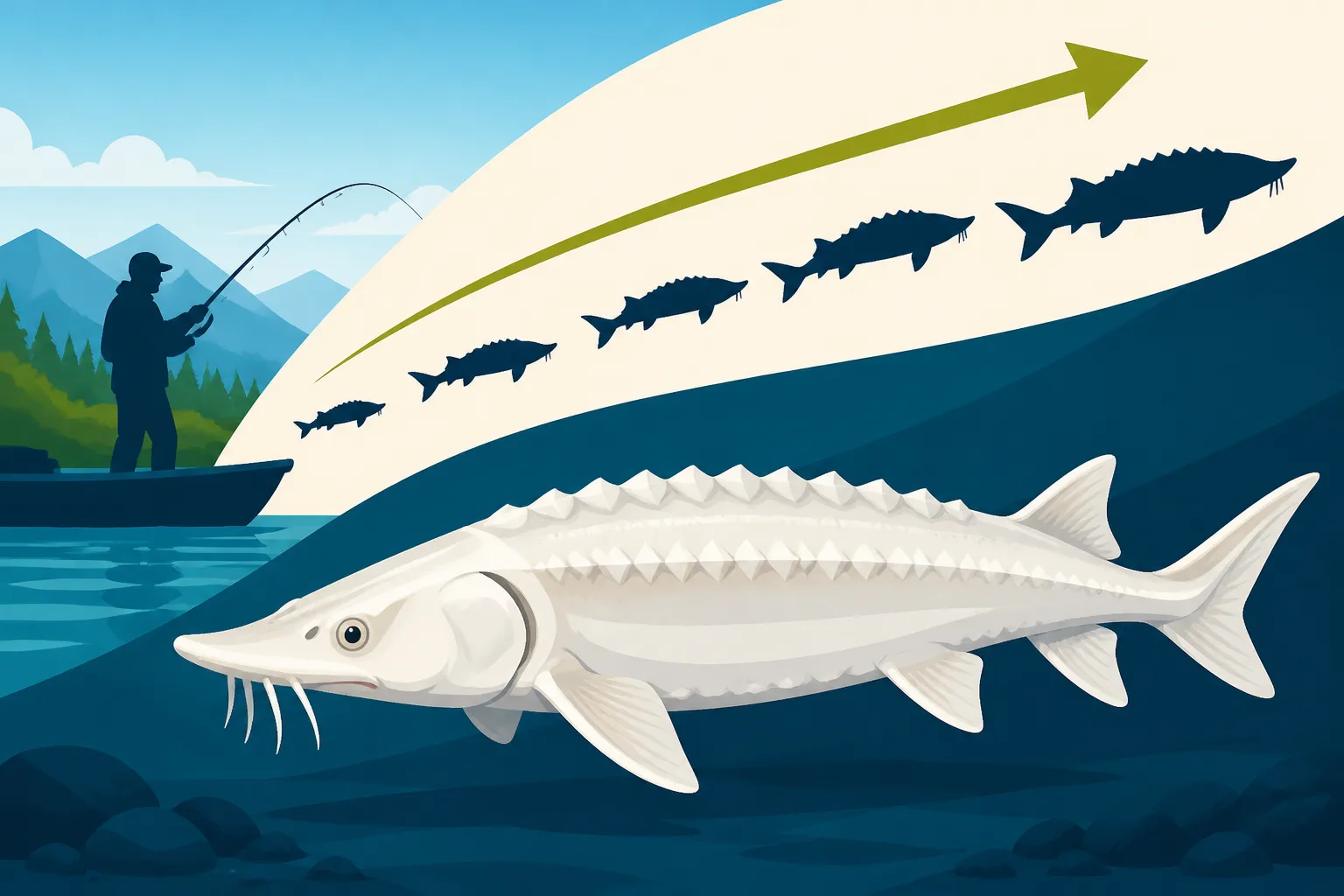
Oregon's fishing regulations for white sturgeon are designed to protect and conserve these long-lived fish, ensuring that populations can thrive for future generations. This means they don't just set a minimum size; they use what's called a "slot limit," which is a bit different from simply needing a fish to be "this big." The key is understanding that it's all about length, not age, when determining if a sturgeon is a legal size for retention. While age is certainly a factor in how large a sturgeon grows, the regulations specifically focus on the measured length of the fish.
The All-Important Slot Limit: What's Legal and What's Not
When we talk about a "legal size" for white sturgeon in Oregon, we're really talking about a specific range of lengths, known as a slot limit. This means a sturgeon must be at least a certain length, but no longer than another length, to be legally kept. This is a critical distinction because it protects both juvenile fish (allowing them to grow and mature) and the very large, older breeding adults (who are vital for population replenishment).
For most of the Columbia River and its tributaries, including sections open to retention, the general rule has been a slot limit between 38 inches and 54 inches, measured to the fork of the tail. This means if your sturgeon is shorter than 38 inches (fork length), it's too small and must be released. If it's longer than 54 inches (fork length), it's considered a prime breeder and also must be released immediately. Only fish falling precisely within that 38- to 54-inch window are legal for retention, and even then, only during specific seasons and in designated areas. It's a precise science, and a single inch can make all the difference between a legal catch and a violation.
Why These Limits Exist: A Conservation Story
The implementation of strict slot limits and other regulations for white sturgeon isn't just about making fishing challenging; it's a profound commitment to conservation. White sturgeon are one of the largest and longest-lived freshwater fish in North America, with some individuals living for over a century. They take a very long time to reach sexual maturity – sometimes 15 to 20 years for females – and can grow to enormous sizes.
The slot limit serves a dual purpose. First, by protecting the smaller fish, we ensure that enough young sturgeon survive to reach breeding age, contributing to the next generation. This is crucial because, without adequate recruitment, populations simply cannot sustain themselves. Second, by protecting the very large, mature adults, often called "broodstock," we safeguard the most prolific breeders. These large females produce millions of eggs, and their genetic material is invaluable for the health and diversity of the sturgeon population. Removing these critical breeders would have devastating long-term effects. These regulations are a direct response to historical overfishing and habitat changes, aiming to reverse declines and rebuild robust sturgeon populations across Oregon. It's a testament to the idea that responsible angling and thoughtful management can truly make a difference for a species. Oregon Sturgeon Guide offers more insights into this fascinating species.
Where to Find the Latest Official Rules
The most important thing to remember about fishing regulations is that they can and do change. Seasons open and close, limits are adjusted, and specific rules for certain areas might be updated based on population assessments and environmental factors. Relying on old information or hearsay is a recipe for disappointment and potential fines.
The definitive source for all Oregon fishing regulations, including those for white sturgeon, is the Oregon Department of Fish and Wildlife (ODFW) website and their annual Fishing Regulations booklet. You can usually find the booklet available digitally online, or pick up a physical copy at most sporting goods stores, bait shops, and even some government offices throughout the state. I always recommend checking the ODFW website for emergency closures or in-season rule changes, especially if you're planning a trip to a specific area like the Columbia River. They often post updates in real-time. For a comprehensive overview, checking the Oregon Fishing Regulations Explained guide is also a great starting point, but always double-check with ODFW.
The Art of Accurate Measurement: Getting It Right on the Water
Catching a sturgeon is an exhilarating experience, but before you even think about retention, you need to be absolutely sure of its size. This isn't a "close enough" situation; precise measurement is paramount.
Measuring Fork Length: A Step-by-Step Guide
For white sturgeon in Oregon, the legal measurement is always taken to the "fork length." This means you measure from the tip of the snout to the fork of the tail, not to the end of the longest tail fin ray. Here’s how to do it correctly:
- Lay the Fish Flat: Gently slide the sturgeon onto a flat, moist surface, like a measuring board or a wet mat. A cooler lid can work in a pinch, but a dedicated measuring device is best. Avoid dragging the fish on abrasive surfaces like rocks or dry ground, as this can harm its protective slime coat.
- Position the Snout: Ensure the tip of the sturgeon's snout is at the zero mark of your measuring device.
- Straighten the Fish: Gently straighten the fish's body. Sturgeon are powerful, and sometimes they'll naturally curl. You need an accurate, straight-line measurement.
- Find the Fork: Locate the deepest part of the "V" where the tail fins split. This is the "fork."
- Read the Measurement: Take your reading at the fork of the tail.
- Double-Check: If you're unsure, measure again. It's better to be safe than sorry, especially with fish that have such specific regulations.
Remember, if there's any doubt, or if the fish is right on the edge of the slot, the most responsible action is to release it. An Oregon Catch-and-Release Rules guide might provide additional context on safe practices.
Best Practices for Handling and Releasing Sturgeon
Sturgeon are incredibly resilient, but they're also delicate, especially when out of the water. Proper handling is crucial for their survival, particularly if you're releasing a fish that's outside the legal slot.
- Minimize Out-of-Water Time: The less time a sturgeon spends out of the water, the better. Have your measuring device and camera ready before you even bring the fish in.
- Keep it Wet: Always keep the fish moist. Use wet gloves, a wet measuring mat, and if possible, keep the fish partially submerged during measurement. Avoid touching their eyes or gills.
- Support the Body: Sturgeon are heavy and long. If you need to lift them, support their entire body, especially the head and tail, to prevent injury to their internal organs or spine. Never lift a large sturgeon by its tail alone.
- Remove Hooks Carefully: Use needle-nose pliers or a hook remover to extract hooks quickly. If a hook is deeply embedded and difficult to remove without causing further damage, cut the line as close to the hook as possible.
- Revive Gently: For larger fish, especially those that fought hard, hold them upright in the water, facing into the current, until they can swim away on their own. Don't just toss them back; allow them time to recover.
- Barbless Hooks are Often Required: Many areas, particularly for sturgeon, mandate the use of barbless hooks. This makes hook removal easier and reduces harm to the fish. Always check the specific regulations for the area you're fishing. You can find out more about this in our How to Catch and Release Sturgeon Safely article.
Gear Up for Success: Essential Measuring Tools
Having the right tools makes all the difference when it comes to accurately measuring and safely handling sturgeon.
- Measuring Tape/Board: A sturdy, waterproof measuring tape that extends to at least 60 inches is a must-have. Many anglers prefer a dedicated measuring board or mat designed for large fish, as it provides a flat, stable surface and often has clear markings. You can find excellent options for these on Amazon, often specifically designed for anglers.
- Large Landing Net or Cradle: A net with a wide, rubberized mesh is ideal for landing sturgeon, as it minimizes scale and slime removal. For larger sturgeon, a specialized sturgeon cradle can make handling even safer and easier.
- Hook Remover/Pliers: Essential for quick and clean hook removal. Long-nosed pliers are very helpful for reaching hooks in tough spots.
- Wet Towel/Gloves: Keeping your hands wet and using wet gloves or a wet towel when handling the fish helps protect its delicate slime coat.
- Camera (Optional, but Fun!): Once you've confirmed it's a legal fish, or before you release a magnificent oversized one, capture the memory! Just be quick about it to minimize the fish's stress.
Having these items readily accessible in your boat or tackle bag will make your sturgeon fishing experience much more efficient and responsible. Investing in quality gear, perhaps from a reputable outdoor retailer or even Amazon, ensures you're prepared for whatever you catch.
Beyond Size: Other Key White Sturgeon Rules in Oregon
While knowing the slot limit is critical, it's just one piece of the puzzle. White sturgeon regulations in Oregon are multifaceted, encompassing seasons, locations, and how many fish you can keep. Ignoring these other rules can lead to serious consequences, even if your fish is the perfect size.
Seasonality and Area Restrictions: When and Where You Can Keep Them
Oregon's white sturgeon retention seasons are highly specific and often localized. You cannot just keep a legal-sized sturgeon anywhere, anytime. These fisheries are carefully managed to avoid overharvest and are often announced for limited periods or specific areas.
For example, the mainstem Columbia River below Bonneville Dam is frequently managed with very short retention seasons, sometimes only a few days or weeks long, and these are often announced close to the season start. Other areas, like the Willamette River or certain reservoirs, might have entirely different rules, or even be catch-and-release only year-round. It's not uncommon for a popular sturgeon retention season to open and close within a matter of days if the harvest quota is met quickly. This dynamic management means you must check the latest ODFW regulations for the specific body of water you intend to fish, right before you head out. These details are paramount and are often covered in articles like Oregon Fishing Season Dates and Limits.
Daily and Annual Harvest Limits
Even if you're fishing during an open retention season and your sturgeon is within the legal slot, there are strict limits on how many you can keep. These are typically enforced as both daily bag limits and annual harvest limits.
- Daily Bag Limit: This refers to the maximum number of legal-sized sturgeon you can keep in a single day. For white sturgeon, this is usually a very low number, often just one fish per day. Once you've retained your one legal sturgeon, you must stop fishing for sturgeon for the remainder of that day.
- Annual Harvest Limit: This refers to the total number of legal-sized sturgeon you are allowed to keep within a calendar year. This is often an even lower number, sometimes as few as one or two sturgeon per year. This annual limit is a crucial conservation measure, spreading the harvest pressure across many anglers rather than allowing a few individuals to take many fish.
It's vital to keep track of your catch throughout the year, especially if you plan multiple sturgeon fishing trips. These limits apply to each individual angler, not per boat or group, so everyone fishing needs to be aware of their personal limits. You can explore more about these limits in Oregon Daily Bag Limits Explained.
Mandatory Tags and Endorsements for Sturgeon
Beyond your basic Oregon fishing license, catching and retaining white sturgeon often requires additional tags or endorsements. Think of these as special permits that allow you to participate in these highly regulated fisheries.
- Combined Angling Tag: In Oregon, if you plan to fish for salmon, steelhead, sturgeon, or halibut, you will need to purchase a Combined Angling Tag in addition to your annual angling license. This tag is where you record your harvest for these specific species. For sturgeon, it's where you mark down the date and specific area once you retain a legal fish. Failure to immediately record your catch can lead to violations. You can learn more about this in our Oregon Combined Angling Tag Guide.
- Sturgeon Tag Requirements: While the Combined Angling Tag covers the recording, specific sturgeon tag requirements might exist depending on the area or type of sturgeon. Always verify if any additional, specific sturgeon tags are needed for your chosen fishing location. The article Oregon Sturgeon Tag Requirements dives deeper into this.
These additional requirements help ODFW monitor harvest levels and ensure that the annual quotas for these prized fish are not exceeded. Many of these tags can be purchased alongside your general fishing license, often through the ODFW online portal or at license agents. Whether you're buying them in person or looking for more fishing essentials on Amazon, make sure these specific tags are part of your fishing gear.
The Consequences of Non-Compliance and Ethical Angling
Fishing is a privilege, and with that privilege comes the responsibility to understand and follow the rules. Ignoring regulations, whether intentionally or through ignorance, can have significant repercussions for both the individual angler and the sturgeon population as a whole.
Understanding Penalties for Violations
Getting caught with an undersized, oversized, or out-of-season sturgeon can lead to some pretty hefty penalties. Oregon takes its fisheries regulations seriously, and game wardens are frequently patrolling popular sturgeon fishing areas.
- Fines: The most common penalty is a significant monetary fine. These fines can range from hundreds to thousands of dollars, depending on the severity of the violation and whether it's a first offense or a repeat issue.
- Seizure of Equipment: It's not uncommon for fishing gear, including rods, reels, and even boats, to be seized if a serious violation occurs.
- License Suspension/Revocation: Your Oregon fishing license and any associated tags or endorsements can be suspended or even permanently revoked. This means you won't be able to legally fish in Oregon for a period, or potentially ever again.
- Criminal Charges: In very severe cases, particularly for repeat offenders or large-scale poaching, violations can escalate to criminal charges, leading to court appearances and potentially even jail time.
The ODFW website and the annual regulations booklet explicitly outline the potential penalties for various fishing violations. It's not just about a bad day on the water; these can impact your ability to enjoy the outdoors for years to come. Our article Oregon Fishing Violations and Penalties provides a more detailed look at these consequences.
The Role of Every Angler in Sturgeon Conservation
Ultimately, the health of Oregon's white sturgeon populations rests on the collective actions of every angler. These fish face numerous challenges, including habitat loss, water quality issues, and the pressures of fishing. Responsible angling practices are paramount to ensuring their future.
- Know Before You Go: Always check the latest regulations for your specific fishing location and target species. Make it a routine part of your planning, just like checking the weather or packing your lunch.
- Measure Carefully, Release Gently: Take the time to measure every sturgeon accurately. If it's not within the slot, or if there's any doubt, release it immediately and carefully.
- Report Violations: If you witness illegal fishing activity, report it to the Oregon State Police Fish and Wildlife Division. This helps protect the resource for everyone.
- Support Conservation Efforts: Consider purchasing an Oregon Annual Angling License even if you don't fish frequently, as the funds contribute directly to ODFW's conservation and management programs. Participating in public meetings regarding regulation changes or supporting conservation groups also plays a vital role.
By being informed, responsible, and ethical, we can all contribute to the long-term health of Oregon's incredible white sturgeon fishery. The thrill of catching these prehistoric giants is unmatched, and preserving that experience for generations to come is a responsibility we all share.
Disclaimer
This article is for general informational purposes only and does not constitute professional advice. Laws, prices and regulations vary by location and change over time. Consult a qualified professional for guidance on your specific situation.