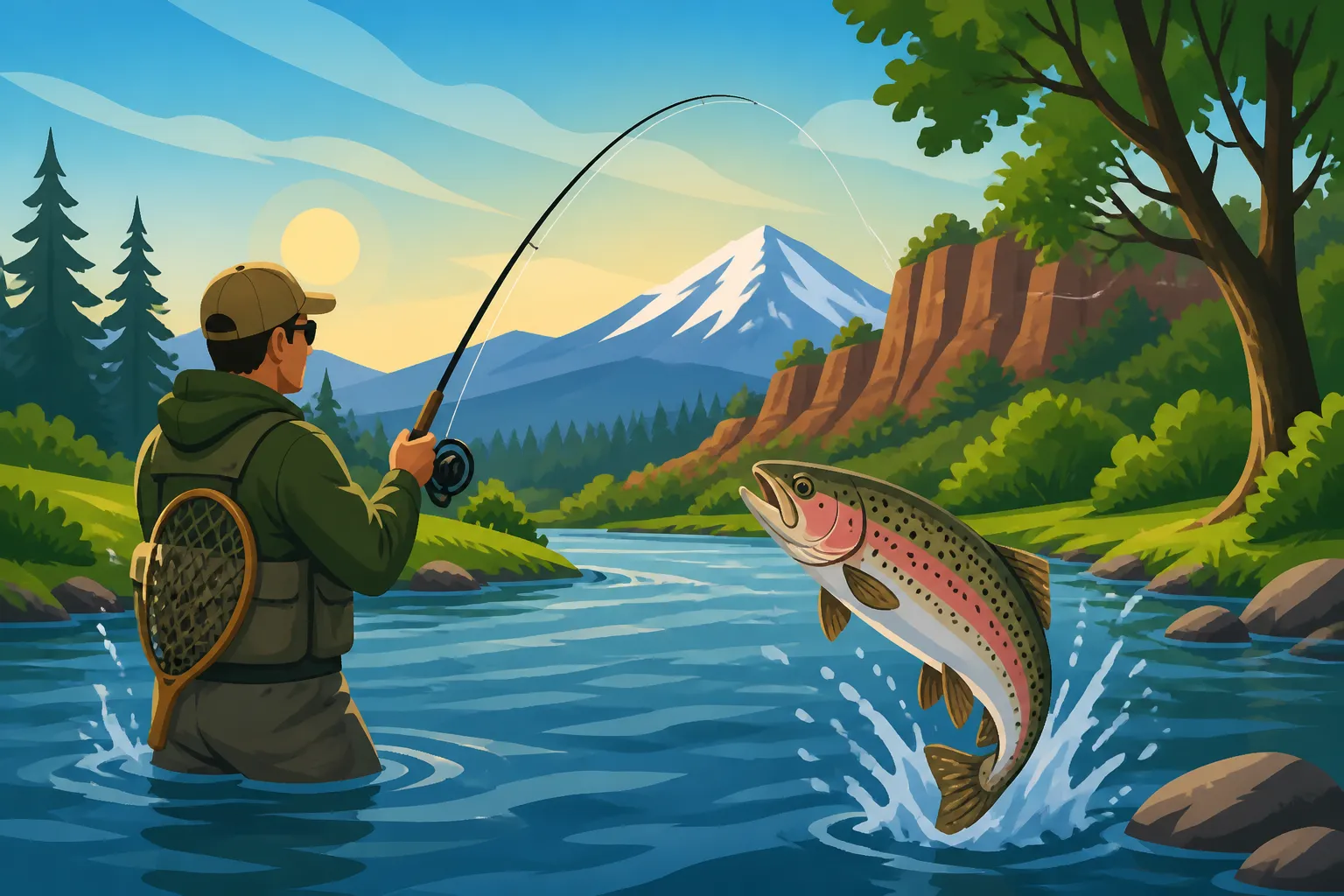
Riverbend Park Bend Oregon trout fishing
For anyone looking to experience the joy of trout fishing right in the heart of Central Oregon, navigating the vast options can sometimes feel overwhelming. You want a spot that’s not just productive, but also easy to get to, maybe even family-friendly, and where you can genuinely relax without needing an expert-level setup. Riverbend Park in Bend is precisely that gem, offering accessible, rewarding trout fishing on the iconic Deschutes River without ever leaving the city. This guide will take you through everything you need to know to make the most of your angling adventure at this beloved park.
Why Riverbend Park is Your Go-To Spot for Trout Fishing in Bend
Riverbend Park truly stands out as a prime destination for trout fishing in Bend, primarily because it blends urban convenience with genuine natural beauty and excellent fishing opportunities. It’s not just a park; it’s a portal to the Deschutes River’s renowned trout fishery, offering a surprisingly wild experience within city limits.
Unbeatable Accessibility and Family Friendliness
One of the biggest frustrations for many anglers, especially those with young kids or limited mobility, is finding a fishing spot that’s easy to access. Riverbend Park completely eliminates this hurdle. Located just off the main roads in Bend, it boasts ample parking, paved pathways that wind alongside the river, and clean restroom facilities. This means you can park your car, grab your gear, and be casting your line within minutes, making it an ideal choice for a spontaneous outing or a planned family fishing day.
Imagine a sunny afternoon where you can push a stroller along a paved path, with picnic tables nearby, while still being able to reach prime fishing water. The park's design allows for multiple easy access points to the river's edge, making it safe and enjoyable for kids to try their hand at fishing without venturing into rugged terrain. There are even grassy areas for them to run around if they get antsy between bites, and you're just a short walk or drive from all the amenities Bend has to offer – perfect for grabbing lunch or an extra treat.
The Allure of the Deschutes River Redband Trout
The Deschutes River, flowing directly through Riverbend Park, is globally celebrated for its population of wild redband trout. These aren't just any trout; they are a unique subspecies of rainbow trout, perfectly adapted to the river's cold, clear waters and often sporting vibrant colors. While you might also encounter the occasional stocked rainbow trout in certain areas of the Deschutes, the wild redbands are the true prize here. They are known for their feisty fight and their ability to challenge even experienced anglers, making every catch a memorable one.
Fishing for redband trout in Riverbend Park means you're engaging with a truly special part of Oregon's natural heritage. These fish thrive in the river's complex habitats of riffles, runs, and deeper pools, all of which are accessible from the park's banks. Because they are wild, they tend to be more wary and require a bit more finesse, but the reward of landing one of these beautiful, powerful fish is unparalleled. It's a fantastic opportunity to teach kids about conservation and the importance of healthy river ecosystems, especially since many of the wild redbands in this section are catch-and-release only, ensuring their populations continue to thrive for future generations.
Essential Techniques and Tackle for Riverbend Park Trout
Catching trout at Riverbend Park, like anywhere on the Deschutes, often comes down to matching your technique to the conditions and the fish's behavior. Whether you're a seasoned fly angler or prefer the simplicity of spin fishing, there are effective strategies to help you land those beautiful redbands.
Fly Fishing for Deschutes River Trout
Fly fishing on the Deschutes River, even within the city limits at Riverbend Park, is a quintessential Oregon experience. The clear water makes visual fishing possible, and the abundant insect life provides plenty of opportunities to "match the hatch." For those just starting or looking to brush up on their skills, our comprehensive guide on How to Fly Fish in Oregon can offer a wealth of knowledge. When targeting trout in Riverbend, you'll want to focus on typical trout holding water: seams where faster water meets slower water, behind large rocks or logs that create current breaks, and the heads and tails of deeper pools.
Common fly patterns that consistently produce results include various nymphs, especially during cooler parts of the day or when fish aren't rising. Patterns like Caddis Larvae, Stonefly Nymphs (like a Prince Nymph or Pat's Rubber Legs), and Mayfly Nymphs (like a Pheasant Tail or Hare's Ear) in sizes #12-18 are usually solid choices. When an insect hatch is underway, dry flies can be incredibly exciting. Look for rising fish and try to mimic the natural insects you see. Elk Hair Caddis, Parachute Adams, and various ant or beetle patterns can be effective. For a more aggressive approach, especially in deeper, faster water, small streamers like Woolly Buggers can entice a strike. A typical setup would be a 4 to 6-weight fly rod, paired with a floating line, and a leader tapered down to 4X or 5X fluorocarbon or monofilament, especially if fishing with smaller flies.
Spin Fishing and Bait Fishing Strategies
For many, spin fishing offers an accessible and highly effective way to target trout at Riverbend Park. It’s less about mimicking tiny insects and more about attracting a strike with movement and flash. Light tackle is key here – a 6 to 7-foot ultralight or light action spinning rod paired with a small spinning reel spooled with 4 to 6-pound test monofilament or fluorocarbon line will give you the sensitivity and casting distance you need. You might find more specific guidance on selecting gear in our Oregon Bait and Lure Guide.
When it comes to lures, small spinners are often deadly. Brands like Mepps, Rooster Tail, and Panther Martin in sizes #0 to #2, in colors like silver, gold, or with red/orange accents, are perennial favorites. Cast them upstream and retrieve just fast enough to get the blade spinning, letting them drift naturally downstream through promising runs and pools. Small spoons, like Kastmasters or Little Cleos (1/16 to 1/8 oz), can also be very effective, especially in deeper water where you want to get down quickly. Soft plastics, such as small grub tails or trout worms, rigged on a light jig head or under a bobber, can also tempt wary trout. As for bait, while many sections of the Deschutes have artificial-only regulations, if bait is permitted (always double-check current regulations!), worms, salmon eggs, or even powerbait can be highly effective, especially for stocked trout. Remember, barbless hooks are often required, so crimp down those barbs on any lures or hooks you use.
Understanding Seasons and Best Times to Fish
Trout in the Deschutes River at Riverbend Park are generally active year-round, but certain seasons and times of day offer better fishing opportunities. Spring (April-June) and Fall (September-November) are often considered the prime times for trout fishing in Oregon, and Riverbend is no exception. During these shoulder seasons, water temperatures are typically ideal, and insect hatches are common, leading to active feeding periods. Spring brings emerging caddis and mayflies, while fall sees significant hatches as well as fish fattening up before winter. Our guide to the Best Time of Year to Fish in Oregon offers a broader perspective on this.
During the warmer summer months (July-August), trout can become a bit more sluggish during the heat of the day. Your best bet then is to fish early in the morning, just after sunrise, or late in the evening, leading up to and after sunset. These cooler periods are when the fish are most active, often rising to feed on emerging insects. Conversely, winter fishing (December-March) can be challenging but rewarding for dedicated anglers. Trout are slower but can still be caught, often on nymphs fished deep and slow. Always pay attention to the water temperature and clarity; trout prefer cool, clear water. A sudden drop in temperature or significant turbidity from rain can put them off the bite.
Navigating Regulations and Ethical Angling at Riverbend Park
Before you even think about casting a line at Riverbend Park, it’s absolutely crucial to understand and adhere to Oregon’s fishing regulations. These rules are in place to protect the valuable fish populations, ensure sustainable angling, and maintain the quality of the fishing experience for everyone. Ignoring them can lead to hefty fines and a ruined day on the water.
Oregon Fishing License and Endorsements
First and foremost, if you are 12 years old or older, you must possess a valid Oregon fishing license. There are no exceptions for residents, non-residents, or whether you intend to keep fish or just practice catch-and-release. This is the golden rule of fishing in Oregon. You can find all the details on how to obtain one, including online options, in our comprehensive Oregon Fishing License Guide. Remember, ignoring your Oregon Fishing License Age Requirements can lead to an unpleasant encounter with a game warden.
While a general angling license covers most freshwater fishing, some specific species or areas might require additional endorsements. For the Deschutes River in Bend, a basic angling license is usually sufficient for trout. However, it's always smart to double-check the current Oregon Department of Fish and Wildlife (ODFW) regulations booklet or website, as rules can change. You won't typically need a Columbia River Basin Endorsement to fish this section of the Deschutes, for example, but it's good to be aware that such things exist for other areas.
Specific Rules for the Deschutes River in Bend
The section of the Deschutes River that flows through Riverbend Park, like much of the river, often has specific regulations beyond the statewide general rules. These are designed to protect the wild redband trout. A key regulation you’ll frequently encounter is the artificial flies and lures only rule, often paired with a barbless hook requirement. This means no bait and you must crimp down the barb on any hook you use to ensure minimal harm to the fish upon release. Our detailed guide on Oregon Catch-and-Release Rules highlights why these practices are so important.
Regarding retention, many stretches of the Deschutes through Bend are designated as catch-and-release only for wild trout. This means any wild redband trout you catch must be immediately and carefully released. There might be specific bag limits for stocked rainbow trout if they are present and allowed for retention in that particular zone. Always consult the current ODFW Sport Fishing Regulations for the Central Zone or specific Deschutes River regulations before you head out. These regulations will also specify any Oregon Daily Bag Limits Explained for particular species or river sections. Respecting these rules is not just about avoiding penalties; it's about being a responsible steward of this incredible natural resource.
Practicing Responsible Catch-and-Release
Because wild redband trout are so precious and often mandated for release, practicing proper catch-and-release techniques is paramount. It’s about minimizing stress and injury to the fish, giving them the best chance of survival after being caught. A general rule of thumb is to handle the fish as little as possible. When you do handle them, make sure your hands are wet to protect their delicate slime coat, which is their primary defense against disease.
Use a pair of hemostats or pliers to quickly remove the barbless hook. Avoid squeezing the fish, especially around the gills or belly. If possible, keep the fish in the water while unhooking it. If you need a photo, do it quickly and hold the fish horizontally, supporting its weight properly. After unhooking, gently hold the fish facing upstream in the current until it vigorously swims away. Don't just toss it back; give it time to revive. This respectful approach ensures that these magnificent trout continue to thrive in the Deschutes for years to come, and that future generations can enjoy the same incredible fishing experience you did.
Beyond Riverbend Park: Expanding Your Bend Fishing Horizons
While Riverbend Park offers a fantastic and accessible trout fishing experience, Central Oregon is a true angler's paradise with countless other opportunities. Once you’ve enjoyed the urban serenity of Riverbend, you might find yourself itching to explore further.
Nearby Stocked Ponds and Family Fishing Options
For those days when you're looking for guaranteed action, especially with younger children, or simply want to try a different kind of fishing, the Bend area offers several fantastic stocked ponds. These ponds are regularly stocked by the Oregon Department of Fish and Wildlife with rainbow trout, providing excellent opportunities for beginners or anyone seeking a high-likelihood catch.
Shevlin Park, just a short drive from Riverbend, often has a small pond that's great for kids, though stocking schedules can vary. Other community ponds in the wider Deschutes County area are also frequently stocked. These spots are perfect for teaching kids the basics of casting and reeling, and they often allow bait fishing, which can be easier for novices. It’s always a good idea to check the ODFW stocking schedule online before heading out to see which ponds have recently received fresh trout. These locations complement the wild fishing at Riverbend beautifully, ensuring there's a fishing option for every mood and skill level.
Exploring Other Deschutes River Sections and Guided Trips
The Deschutes River doesn't just stop at Riverbend Park; it stretches for hundreds of miles, offering vastly different fishing experiences depending on the section. Upstream of Bend, towards the headwaters near Wickiup and Crane Prairie Reservoirs, you'll find different trout species and different fishing challenges. Downstream, particularly below Lake Billy Chinook, the Deschutes becomes a world-renowned fly-fishing destination, famous for its redside trout and summer steelhead. While Riverbend provides a taste of this iconic river, there's so much more to discover.
If you're looking to delve deeper into the nuances of Deschutes River fishing, or explore other fantastic rivers like the Crooked River or Metolius River, consider booking a guided trip. Guides offer invaluable local knowledge, access to prime spots, and expertise in various techniques. Platforms like FishingBooker can connect you with experienced local guides across Oregon, including many who specialize in the Deschutes and its tributaries. While Riverbend Park offers fantastic self-guided opportunities, sometimes a bit of local expertise can elevate your experience, and FishingBooker is an excellent resource for finding reputable guides across Oregon, whether you're after trout, steelhead, or even salmon in other regions. Our comprehensive Best Rivers to Fish in Oregon guide can give you an overview of other amazing waterways to consider, and for detailed information on the Deschutes, be sure to check out our Deschutes River Fishing Guide.
Recommended Gear for Riverbend Park Trout Fishing
To help you get ready for your trip, here's a quick reference table for recommended gear at Riverbend Park:
| Gear Category | Recommended Item | Notes |
|---|---|---|
| Fishing Rod | Ultralight/Light Spinning Rod (6-7 ft) or Fly Rod (4-6 wt) | Sensitive for light bites; fly rod for finesse and specific techniques. |
| Reel | Small Spinning Reel or Fly Reel | Matching rod weight; smooth drag is essential. |
| Line | 4-6 lb Monofilament/Fluorocarbon or Floating Fly Line (match rod) | Good knot strength; low visibility for clear water. |
| Lures | Small Spinners (#0-2), Small Spoons (1/16-1/8 oz), Soft Plastics | Variety of colors (silver, gold, red, natural); always check barbless hook requirements. |
| Flies | Nymphs (#12-18), Dry Flies (match hatch), Small Streamers | Caddis, Mayfly, Stonefly patterns; Elk Hair Caddis, Parachute Adams; Woolly Buggers. |
| Terminal Tackle | Small Swivels, Split Shot Weights, Bobbers/Strike Indicators | For spin fishing: adjust weight for current; for fly fishing: indicator for nymphing. |
| Tools | Hemostats/Pliers, Line Clippers | Essential for quick and safe hook removal (especially barbless); cutting line. |
| Landing Net | Small, Soft-Mesh Rubber Net | Protects fish's slime coat, aids in quick release. |
| Essentials | Oregon Fishing License, ODFW Regulations Booklet/App | Absolutely critical! Digital copy on phone is usually acceptable. |
| Comfort/Safety | Hat, Sunglasses (polarized), Sunscreen, Water, Snacks, Rain Gear | Protection from elements; polarized sunglasses help spot fish. |
Disclaimer
Fishing conditions and regulations in Oregon can change. It is your responsibility to check the latest rules and emergency closures from the Oregon Department of Fish and Wildlife (ODFW) before heading out. This guide provides general information and should not be considered a substitute for official ODFW regulations. Always prioritize safety and ethical angling practices.