Best fishing spot within an hour of Medford
It’s a common scenario for many of us: you’ve got that itch to cast a line, but you don’t want to spend half the day driving just to get to a good fishing spot. Living in or visiting Medford, Oregon, offers an incredible array of outdoor adventures, but figuring out where to find that perfect fishing hole within a reasonable drive can sometimes feel like a puzzle. This guide is here to untangle that for you, providing a detailed look at some of the best fishing spots within about an hour's drive of Medford, ensuring you spend more time fishing and less time commuting.
Popular Lakes and Reservoirs Near Medford
Southern Oregon is blessed with numerous lakes and reservoirs that offer fantastic fishing opportunities, many of which are just a short drive from Medford. These spots are not only productive but also provide stunning scenery, making for a truly enjoyable day out.
Emigrant Lake: Your Closest Diverse Fishery
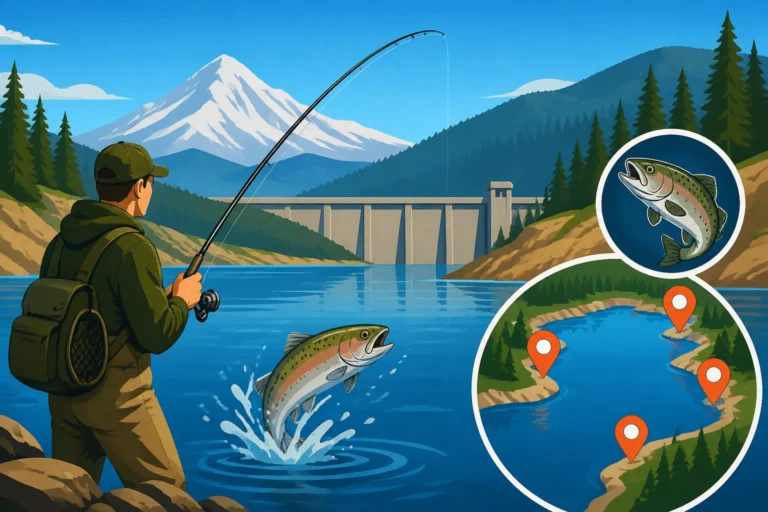
Just a few miles southeast of Medford, Emigrant Lake is arguably the most convenient and versatile fishing destination in the area. This reservoir is managed by the Jackson County Parks Department and is a true multi-species fishery, offering something for almost every angler. Its proximity means you can be on the water within 15-20 minutes of leaving town, making it perfect for a quick evening trip or a full day's adventure.
Emigrant Lake is regularly stocked with thousands of legal-sized rainbow trout, especially in the spring and fall, providing excellent opportunities for bait anglers and trollers alike. You'll often see families casting powerbait or worms from the shore near the boat ramps and picnic areas, while those with boats will slowly troll Wedding Rings, PowerBait, or small spinners like Rooster Tails. Beyond trout, the lake holds a healthy population of largemouth and smallmouth bass, which become particularly active in the warmer months. You can target them with plastic worms, jigs, crankbaits, or even topwater lures around submerged structures and rocky points. Additionally, the lake offers good fishing for black crappie, bluegill, and yellow perch, especially popular with kids using small jigs or worms under a bobber. For up-to-date stocking information, always check the Oregon Department of Fish and Wildlife (ODFW) website.
Access to Emigrant Lake is excellent, with multiple boat ramps, picnic areas, and designated fishing access points around its perimeter. The east side of the lake, particularly near the main boat ramp and spillway, is often a hotspot for trout. If you're looking for bass, explore the numerous coves and submerged timber on the western and northern shores. Remember, while it's incredibly close, you still need to be prepared. Sunscreen, plenty of water, and checking local conditions are always good practice. And, of course, make sure you understand the current Oregon Fishing Regulations Explained for Emigrant Lake to avoid any surprises.
Applegate Lake: Scenic Beauty and Productive Waters
Heading west from Medford, about 45 minutes to an hour's drive, you'll discover the breathtaking Applegate Lake. Nestled in the Rogue River-Siskiyou National Forest, this reservoir offers a distinctly different vibe from Emigrant, with towering trees, rugged hillsides, and a more remote feel. The drive itself is part of the experience, winding through beautiful scenery. Applegate Lake is a popular destination not just for fishing, but also for boating, camping, and hiking, making it ideal for a combined outdoor family outing.
Applegate Lake is a premier destination for rainbow trout, which are generously stocked throughout the spring and early summer. Anglers often find success trolling small spoons or spinners from a boat, or by fishing with bait (worms, PowerBait, or corn) from shore in various coves, particularly near the Hart-tish Park area or French Gulch. Beyond trout, Applegate Lake is renowned for its excellent smallmouth bass fishing. These feisty fish thrive in the lake's rocky habitat, and you can catch them using jigs, plastic worms, or crankbaits fished around structure. Experienced anglers and those looking for a guided trip to maximize their chances might even look into local guides listed on platforms like FishingBooker, who often specialize in these waters and can provide valuable insights into current patterns and hot spots.
The lake boasts several developed recreation sites with boat launches, campgrounds, and designated fishing areas. Places like Hart-tish Park, French Gulch, and Copper provide easy Applegate Lake fishing access and opportunities for both boat and bank anglers. Always remember that conditions can change, especially water levels, which can impact access. A quick call to the local forest service office or checking the ODFW website before you head out is always a smart move. The beauty of Applegate Lake is not just in its fishing, but in the entire peaceful experience it offers, far from the hustle and bustle.
Fish Lake: A High-Elevation Escape
While technically just over an hour's drive (closer to 1 hour and 15 minutes, depending on traffic and your starting point in Medford), Fish Lake is such a beloved and productive fishery that it absolutely deserves a mention as a prime destination near Medford. Located at a higher elevation on the way to Crater Lake, it offers a cooler climate in summer and absolutely stunning mountain views. It's often one of the first high-mountain lakes to become accessible after winter snows, and its unique charm makes the extra drive well worth it for many.
Fish Lake is celebrated for its diverse trout populations. You can expect to find rainbow trout, brook trout, and even some elusive brown trout lurking in its depths. The lake is consistently stocked with rainbows, making it a reliable spot for bait and lure anglers. Fly fishing enthusiasts also flock to Fish Lake, especially in the calmer morning and evening hours, targeting rising trout with dry flies or nymphing near drop-offs. The cool, clear waters make for excellent conditions for trout throughout the warmer months. For anglers specifically interested in fly fishing, understanding different Oregon Trout Fishing Techniques can significantly boost your success here.
Access to Fish Lake is generally good, with several campgrounds and day-use areas. The west shore, particularly near the Fish Lake Resort, offers good bank access, boat rentals, and supplies. There are also several other access points around the lake that allow for launching small boats or kayaks. Because of its higher elevation, it's important to be aware of seasonal access. The lake is typically ice-free from late spring through late fall. Always check road conditions, especially early or late in the season, as snow can impact access to this beautiful mountain gem.
The Legendary Rogue River: A Stone's Throw Away
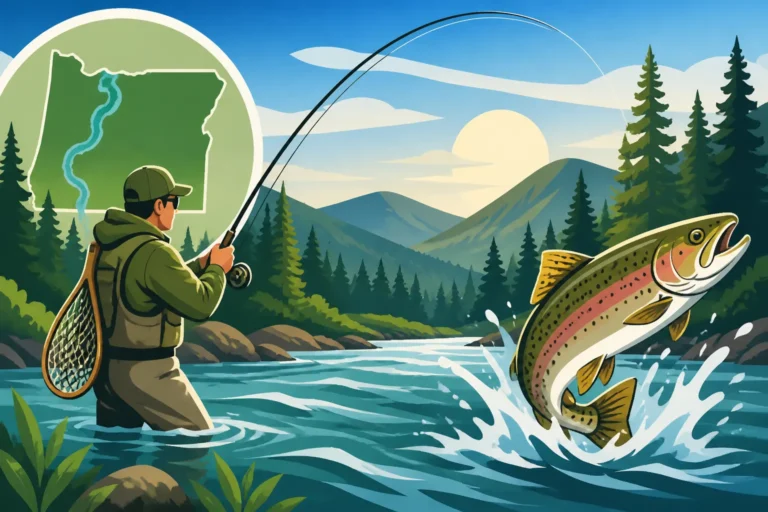
No discussion of fishing near Medford would be complete without highlighting the iconic Rogue River. Flowing right through the heart of Southern Oregon, the Rogue is a world-class fishery, renowned for its salmon and steelhead runs, as well as excellent bass fishing. Different sections of the river, all within an hour's drive, offer varied experiences.
Upper and Middle Rogue River Sections for Trout and Steelhead
The Rogue River above Gold Hill, known as the Upper Rogue, and the sections around and below Grants Pass (still within an hour's drive) offer incredible opportunities. This river is a mecca for steelhead anglers, with both summer and winter runs providing year-round excitement. During the spring and fall, you can also target impressive Chinook salmon. For more in-depth information, checking out a comprehensive Rogue River Fishing Guide is highly recommended.
The Upper Rogue, particularly from the TouVelle State Recreation Site upstream towards Lost Creek Lake, is fantastic for wild rainbow and cutthroat trout. These native trout are often caught on small spinners, flies, or drifted worms. This section of the river requires careful wading or floating in a drift boat. When the steelhead runs are in, anglers will switch to drift fishing with roe, jigs, or small plugs. The Middle Rogue, particularly from Gold Hill down to Grants Pass, offers prime habitat for both summer and winter steelhead. These powerful fish can be targeted by drift fishing, bobber dogging, or fly fishing. For fly anglers, the challenge and reward of hooking a chrome bright steelhead on a swung fly or nymph is a quintessential Oregon experience. Given the complexity of steelhead fishing, many anglers choose to hire guides. Platforms like FishingBooker can help you find experienced local guides who specialize in these techniques and can put you on fish.
Access to these sections of the Rogue is plentiful but varies. Numerous public access points, boat ramps, and state parks dot the riverbanks. TouVelle State Recreation Site, Dodge Bridge, Gold Hill, and numerous spots around Grants Pass like the Schroeder Park or the Riverside Park are popular. Always be mindful of private property when accessing the river, and respect local signage. Water conditions, particularly clarity and flow, are critical on the Rogue. Checking USGS stream gauges and the ODFW fishing reports before your trip can save you a lot of time and effort.
Targeting Smallmouth Bass on the Rogue
Beyond its famous anadromous runs, the Rogue River is also a phenomenal smallmouth bass fishery, especially in its warmer, slower sections. These hard-fighting fish provide consistent action throughout the warmer months and are a blast to catch on light tackle.
Smallmouth bass in the Rogue River are abundant and aggressive, offering exciting fishing for anglers of all skill levels. They thrive in rocky areas, current seams, and around submerged timber, often congregating in deeper pools and eddies. You can target them using a variety of techniques: casting small crankbaits that mimic crawfish or baitfish, working plastic tubes or grubs along the bottom, or even throwing topwater lures in low-light conditions. Fly anglers can also have a fantastic time with smallmouth, using poppers, streamers, or crayfish patterns. Unlike salmon and steelhead, smallmouth bass often have very liberal bag limits, and in some areas, anglers are even encouraged to keep them due to their non-native status. For those keen on targeting these feisty fish, diving into an Oregon Bass Fishing Guide can provide even more tailored advice.
Many of the same access points used for salmon and steelhead also provide excellent opportunities for smallmouth bass. Bank anglers can often find success by walking stretches of river that have rocky banks and deeper pockets. Drifting the river in a raft, drift boat, or kayak is arguably the most effective way to cover water and find concentrations of smallmouth, allowing you to hit prime habitat that's inaccessible from shore. Remember to use sturdy but light tackle, as these fish hit hard and fight dirty, often trying to get into cover.
Accessible Ponds and Streams for Quick Trips
Sometimes, you just need a quick fishing fix, or you're looking for a super kid-friendly spot that doesn't require a long drive or specialized gear. The Medford area has several options perfect for these scenarios.
Local Ponds and Bear Creek: Easy Access for All Ages
For residents of Medford, some of the easiest fishing can be found right in or very close to town. These spots are primarily managed for family fishing and offer a low-pressure environment for beginners and young anglers.
Medford Ponds, often referred to as Denman Wildlife Area Ponds, are a series of small ponds located just northeast of Medford, part of the Denman Wildlife Area. These ponds are regularly stocked with rainbow trout by ODFW, especially during the spring and fall. They are incredibly accessible, with easy bank fishing opportunities, making them ideal for kids and those with limited mobility. The goal here is usually to catch dinner, and anglers typically use simple bait setups like PowerBait, worms, or salmon eggs under a bobber. Bear Creek, which flows directly through Medford, also receives trout stockings in certain accessible sections, particularly during "Free Fishing Weekends." While not a trophy fishery, it's an excellent place to introduce someone new to the sport. Knowing How to Catch Trout in Stocked Oregon Lakes will give you a leg up at these local spots.
Access to the Denman Ponds is straightforward, with parking areas and clear pathways. For Bear Creek, look for public parks and greenways that border the creek, such as Bear Creek Park. When fishing these urban or semi-urban waters, always be aware of your surroundings, pack out all your trash, and keep an eye on younger anglers. These locations are designed for ease of access and enjoyment, so they tend to be quite popular. Early mornings or late evenings can offer a bit more solitude.
Exploring Smaller Tributaries for Hidden Gems
For those who enjoy a bit of exploration and don't mind a little bushwhacking, the smaller tributaries of the Rogue River and other local streams can offer a rewarding, solitary fishing experience for wild trout. These spots rarely see the same pressure as the major lakes or the main stem of the Rogue.
Rivers like Little Butte Creek, Evans Creek, and other unnamed feeder streams in the surrounding hills hold populations of native rainbow and cutthroat trout. These fish are typically smaller but are often eager to bite. Fishing these streams usually involves light spinning gear with small spinners or spoons, or ultra-light fly fishing setups. The joy of these locations isn't just in the catch, but in the peaceful solitude and the challenge of finding unpressured water. It’s a chance to truly connect with nature, away from the crowds. Remember, these streams are often on public lands (like national forests or BLM land), but it’s crucial to know how to identify public vs. private land, and always respect private property boundaries.
Access to these smaller tributaries can be more challenging, often requiring hiking or exploring forest roads. A good topo map or a mapping app can be invaluable for identifying potential access points and public land. When fishing these wilder waters, practicing catch-and-release, especially for native trout, is highly encouraged to preserve these precious fisheries. Always carry a small first-aid kit, plenty of water, and let someone know your plans, as you'll be in more remote areas. These hidden gems are perfect for anglers looking for a more adventurous and less predictable fishing trip, offering a true sense of discovery.
Planning Your Medford Fishing Excursion
Before you head out, a little preparation goes a long way in ensuring a successful and enjoyable fishing trip around Medford.
Essential Gear and Techniques for Local Species
Matching your gear and technique to the species you're targeting and the water you're fishing is key. For trout in lakes like Emigrant or Applegate, a light spinning rod with 4-6 lb test line is perfect. You'll want an assortment of PowerBait (often green, rainbow, or chartreuse), worms, and small inline spinners like Rooster Tails or Mepps. For deeper water, a simple bobber and weight setup or trolling with small spoons will work wonders. Don't forget a small cooler for your catch!
When it comes to bass on the Rogue River or in the lakes, a medium-light to medium action spinning or casting rod with 6-10 lb fluorocarbon or braided line is ideal. You'll want a selection of plastic worms (Texas-rigged or wacky-rigged), jigs, crankbaits, and possibly some topwater poppers for early mornings or evenings. The Rogue's powerful current for steelhead and salmon demands heavier gear. A medium-heavy to heavy action rod, often 8.5 to 10.5 feet long, paired with a powerful reel spooled with 15-20 lb monofilament or braid, is standard. You'll need specialized tackle like drift bobbers, lead weights, salmon/steelhead roe, Corkies, and various plugs or spinners. Exploring options for Best Bait for Oregon Trout Fishing or the right lures for salmon can be a game-changer. Regardless of the species, always carry a pair of pliers for hook removal, a net, and a camera to capture your memories!
Navigating Licenses and Regulations
This is perhaps the most critical part of any fishing trip in Oregon. Without the proper license and understanding of the rules, your exciting day can quickly turn into a costly headache. Every angler 12 years of age or older needs an Oregon fishing license to fish in public waters. This isn't just a suggestion; it's the law.
You can purchase your Oregon Fishing License Guide online through the ODFW website, at any ODFW license agent, or at many sporting goods stores in Medford, such as Sportsman's Warehouse or Bi-Mart. Make sure you select the correct license type (annual, daily, resident, non-resident) for your needs. In addition to a basic angling license, certain species like salmon, steelhead, and sturgeon often require an additional tag, like the Combined Angling Tag, which allows you to harvest these species and track your catch. Always carry your license and any required tags with you while fishing; a digital copy on your phone is usually acceptable, but it’s wise to have a physical copy or print-out too, just in case. The rules for catch limits, size restrictions, open seasons, and even allowed tackle can vary significantly from one body of water to another, and even within different sections of the same river. Before heading to the Best Places to Fish in Oregon or any specific location, always consult the most current ODFW Sport Fishing Regulations booklet, available online and at license vendors. This booklet is your bible for understanding Oregon Fishing Season Dates and Limits and avoiding unintentional violations. A quick check of the ODFW website for emergency closures or regulation updates is also a good habit.
Navigating all the regulations can sometimes feel overwhelming, but it’s there to protect our precious fish populations and ensure sustainable fishing for generations to come. If you're ever unsure about a rule, err on the side of caution or ask a local expert or tackle shop employee. They are often happy to help new anglers understand the nuances of local fishing.
Quick Reference Guide to Medford Area Fishing
Here’s a snapshot of some of the great fishing spots near Medford:
| Fishing Spot | Distance from Medford (Approx.) | Primary Species | Best for | Typical Techniques | Key Notes |
|---|---|---|---|---|---|
| Emigrant Lake | 15-20 minutes | Rainbow Trout, Bass, Panfish | Family, Quick Trips | Bait, Trolling, Spinners, Plastics | Convenient, diverse, well-stocked, good amenities. |
| Applegate Lake | 45-60 minutes | Rainbow Trout, Smallmouth Bass, Kokanee | Scenic Getaway, Boating | Bait, Trolling, Spinners, Jigs, Crankbaits | Beautiful setting, good camping, excellent bass. |
| Fish Lake | 75 minutes | Rainbow, Brook, Brown Trout | Fly Fishing, Mountain Escape | Flies, Bait, Spinners | Higher elevation, stunning views, cooler temps, seasonal access, slightly over an hour. |
| Upper Rogue River | 20-40 minutes | Trout, Steelhead, Spring Chinook | Drift Fishing, Wading | Flies, Drift fishing (roe, jigs, plugs) | Scenic, wild trout, challenging steelhead. |
| Middle Rogue River | 30-60 minutes | Steelhead, Smallmouth Bass | Variety of techniques, Boating | Drift fishing, Bobber dogging, Flies, Crankbaits | Popular for steelhead, great bass fishing from boat or bank. |
| Denman Ponds / Bear Creek | 10-25 minutes | Rainbow Trout | Kids, Beginners | Bait (PowerBait, worms), Bobber fishing | Super accessible, regularly stocked, easy success, great for teaching. |
Disclaimer
Fishing involves inherent risks. Always prioritize safety, wear a life vest if on a boat, be aware of weather conditions, and understand your physical limits. Fishing regulations are subject to change; always consult the latest Oregon Department of Fish and Wildlife (ODFW) regulations before heading out. This guide is for informational purposes only and does not constitute professional advice.