How did walleye get into Oregon rivers
It's a curious thing, isn't it? You head out to fish in Oregon, known for its incredible salmon, steelhead, and trout, and then you hear whispers or even catch one of these toothy critters: a walleye. It leaves many of us scratching our heads, wondering how a fish typically associated with the Great Lakes or the Midwest ended up swimming in our beautiful Pacific Northwest rivers. This guide is here to unravel that mystery, diving deep into the fascinating, albeit complicated, journey of walleye into Oregon's aquatic ecosystems, particularly the Columbia and John Day Rivers, and what their presence means for anglers and conservation alike.
The Walleye's Unexpected Journey West
For many anglers, the walleye is a quintessential freshwater sport fish, prized for its delectable fillets and challenging fight. But for those of us fishing in Oregon, encountering a walleye can be a bit of a surprise, like finding a polar bear in the desert. They’re simply not supposed to be here naturally, which raises a whole host of questions about how they arrived and what their presence means for our native fish. It’s a story of human intervention, unintended consequences, and the resilience of a species adapting to a new home.
Not a Native Oregonian
Let's be clear from the start: walleye are absolutely not native to Oregon. Their ancestral waters are thousands of miles to the east, spanning from the Great Lakes region across the upper Midwest and into Canada. They thrive in large, shallow, turbid lakes and slower sections of rivers in those areas, preferring cooler, deeper waters during the day and moving into shallower feeding grounds at night. This makes their appearance in the fast-flowing, salmon-and-steelhead-rich rivers of Oregon a real head-scratcher for anyone familiar with the species' natural habitat.
When you think of Oregon fishing, you picture wild salmon battling upriver, the shimmering beauty of a steelhead, or a feisty native cutthroat trout in a clear mountain stream. The walleye, with its distinctive milky eyes and sharp teeth, doesn't quite fit that picture. Many anglers, especially those new to fishing the Columbia River system, might even mistake them for something else entirely, or just be plain confused by their presence. It's a valid reaction, given how out of place they feel in the local aquatic tapestry.
The Human Factor: Intentional Introductions
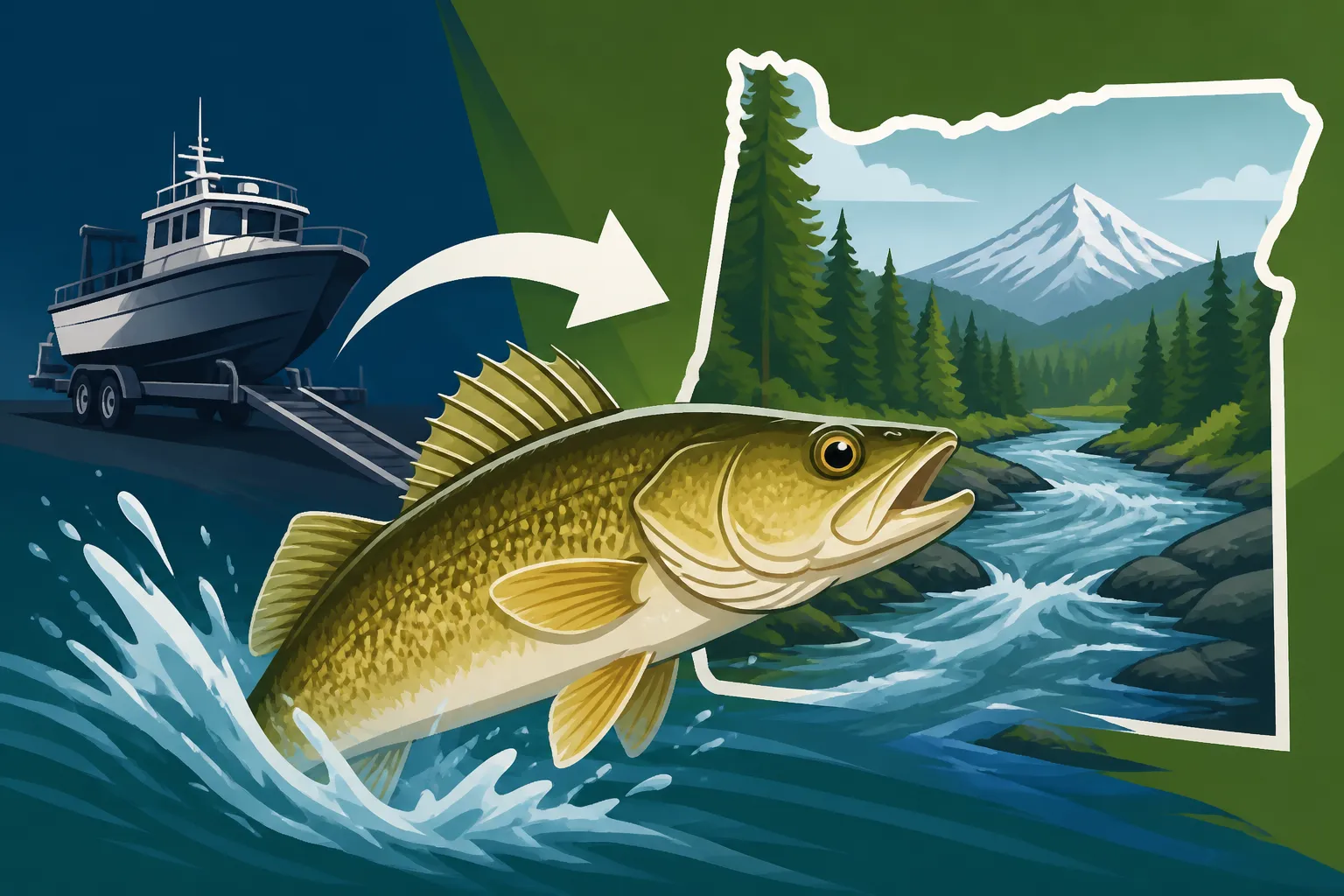
So, if they aren't native, how did they get here? The short answer, as is often the case with non-native species establishing themselves in new environments, is human intervention. Walleye were intentionally introduced to the western United States, including states like Montana and North Dakota, for sport fishing purposes. Anglers and fish management agencies in those regions saw the walleye as a valuable game fish and a potential food source, and through various stocking programs, they began to spread.
It wasn't a single, coordinated "invasion" of Oregon, but rather a gradual westward expansion. The exact details can be a bit murky, lost to the annals of early 20th-century fish stocking enthusiasm. What we do know is that at some point, whether through official stocking programs in neighboring states or even by private citizens illegally transporting fish and releasing them, walleye found their way into the vast network of the Columbia River system. Once introduced, their incredible adaptability and reproductive success did the rest. It's a classic example of how even well-intentioned introductions can have far-reaching and sometimes unforeseen ecological impacts, dramatically altering the balance of an ecosystem.
The Columbia River Pathway
The Columbia River is a monumental waterway, carving its path through several states before meeting the Pacific Ocean. It’s a superhighway for fish, and once walleye gained a foothold somewhere within its expansive basin, their spread became almost inevitable. The river's numerous reservoirs created by dams, like the Bonneville, McNary, and John Day dams, offered ideal habitat for walleye, mimicking the slower, deeper, and often turbid conditions they prefer. These impoundments became nurseries and strongholds for burgeoning populations.
From these mainstem Columbia River reservoirs, it was only a matter of time before walleye started to explore and colonize tributaries. The John Day River, famous for its smallmouth bass and incredible scenery, became a significant recipient of this walleye migration. The downstream movement, and even upstream passage through fish ladders or locks (though less common for walleye than salmon), allowed them to spread widely. Understanding how these fish, which weren't even on the radar for Oregon anglers a century ago, now dominate certain fisheries, is key to appreciating the complex dynamics of our rivers. The sheer scale and interconnectedness of the Columbia River system meant that once walleye were established, containing them proved to be an impossible task. You can read more about the entire system in our Columbia River Fishing Guide.
The John Day River's Walleye Population
While walleye are present in many stretches of the Columbia River, their presence in the John Day River has become particularly noteworthy. This tributary, known for its wild and scenic beauty, has developed into one of Oregon's premier walleye fishing destinations, a testament to the species' adaptability and the conditions it found there.
From Columbia to Tributary
Once established in the mainstem Columbia River, particularly in the impounded sections like the John Day Pool behind the dam, walleye naturally began to explore connected waterways. The lower John Day River, flowing into this pool, offered an inviting environment. Its warm summer water temperatures, abundant forage fish, and varied bottom structure provided exactly what walleye needed to thrive. Unlike the colder, swifter, and often clearer waters of many of Oregon’s coastal rivers, the John Day presented conditions that were surprisingly similar to their native habitats.
The movement wasn't necessarily a mass migration, but a gradual colonization. Individual fish, or small groups, would venture upstream from the Columbia, find suitable spawning grounds and ample food, and begin to establish local populations. Over time, these small groups grew, multiplied, and became a self-sustaining population. The John Day, with its unique blend of wildness and warm-water characteristics, inadvertently became a perfect new home for these non-native predators. If you're curious about specific spots, our John Day River Fishing Guide has more details.
An Invasive Success Story (for the Walleye, anyway)
For the walleye, their establishment in the John Day River has been nothing short of a success story. They found an ecological niche that allowed them to reproduce prolifically and grow to impressive sizes. In fact, the John Day is now celebrated for its excellent walleye fishing, with anglers frequently pulling out trophy-sized fish. Their population density can be quite high in certain stretches, particularly the lower river, where they capitalize on abundant food sources like minnows and other small fish.
However, what's a success story for one species can often be a challenge for others. As an invasive species, the walleye's rapid population growth and predatory nature inevitably impact the native ecosystem. They compete with native fish for food and habitat, and more significantly, they prey on juvenile salmon and steelhead, which are crucial components of Oregon's natural heritage and economy. This creates a complex management dilemma for wildlife agencies, as they must balance the popularity of a new sport fishery with the protection of native species. You might find it interesting to compare this with Is walleye native to the John Day River?.
Management and Angler Response
The Oregon Department of Fish and Wildlife (ODFW) views walleye, along with other warmwater species like smallmouth bass, as non-native species in the Columbia and John Day systems. While they provide recreational opportunities, their presence is not without ecological concerns, primarily due to their predatory impact on native salmon and steelhead smolts. As a result, ODFW actively encourages anglers to harvest walleye in these systems.
This management approach is reflected in the regulations: there are often no daily bag limits or size restrictions for walleye in many areas where they are considered invasive. This is a clear signal to anglers: catch as many as you like, and feel good about taking them home. This policy helps to control their populations, or at least slow their expansion, while also providing a fantastic fishing opportunity. Anglers have responded enthusiastically, with many targeting walleye specifically for their fight and excellent table fare. It's a unique situation where sport fishing directly contributes to a conservation goal, offering a proactive way for the community to engage in ecosystem management. Checking the Oregon Fishing Regulations Explained is always a good idea before heading out.
Understanding the Ecological Impact
The introduction of any non-native species into an ecosystem is a delicate matter, and the walleye's presence in Oregon rivers is a prime example of this ecological balancing act. While they offer a thrilling new fishery, their predatory nature and competitive edge pose significant challenges to the delicate balance of our native aquatic environments. It’s not just about what they eat, but how their very existence changes the dynamics of the river.
Predators on Native Salmonids
One of the most significant concerns surrounding walleye in Oregon's rivers is their predation on native salmon and steelhead. These Pacific Northwest icons, including species like Chinook and Coho salmon and various steelhead runs, begin their lives in freshwater, migrating as tiny smolts downriver to the ocean. These juvenile fish are small and vulnerable, making them easy prey for opportunistic predators. Walleye fit this description perfectly.
Walleye are highly efficient predators, known for their keen eyesight in low light conditions (thanks to those milky eyes!) and their ambush hunting style. They lurk in deeper, darker waters, waiting for unsuspecting prey to pass by. When large numbers of salmon and steelhead smolts are migrating down the Columbia or John Day Rivers, they present an irresistible and abundant food source for walleye. This added predation pressure can contribute to reduced survival rates for native salmonids, which are already facing numerous challenges from habitat loss, dams, and climate change. It’s a serious concern for the long-term health of our Oregon Salmon Species Guide and Oregon Steelhead Guide.
Competition for Resources
Beyond direct predation, walleye also compete with native fish for essential resources like food and habitat. Every fish in the river needs food, space, and suitable conditions to thrive. When a highly successful non-native species like the walleye enters the scene and reproduces rapidly, it adds another layer of competition to an already complex food web. They might compete with other predatory fish, like the Oregon Bass Fishing Guide species (smallmouth and largemouth) or even native bull trout and northern pikeminnow, for forage fish.
This competition can put stress on the entire ecosystem. If walleye consume a significant portion of the available baitfish, it leaves less for native species, potentially impacting their growth rates, reproductive success, and overall population health. Eradicating an established invasive species, especially in a vast and interconnected system like the Columbia, is virtually impossible. So, management efforts often focus on control and mitigation, which includes encouraging anglers to help reduce their numbers.
The "Good" Side? A New Fishery
Despite the ecological concerns, it's important to acknowledge the undeniable positive impact walleye have had on recreational fishing in Oregon. For many anglers, the opportunity to target these exciting and delicious fish has been a welcome addition. Walleye are known for their strong fights, particularly when they reach larger sizes, and their flaky, white meat is considered a delicacy by many.
The establishment of a robust walleye fishery, especially in areas like the lower John Day River and the mainstem Columbia, has created new angling opportunities and attracted a different segment of the fishing community. This has led to increased tourism and economic activity in some rural areas. It's a delicate balance for state agencies to manage: addressing the ecological threats posed by an invasive species while also acknowledging and, in some ways, supporting a popular new sport fishery. The absence of strict Oregon Daily Bag Limits Explained for walleye reflects this dual approach, allowing anglers to enjoy the bounty while also serving a management function.
Fishing for Walleye in Oregon
So, now that you know how they got here and why they're controversial, let's talk about the fun part: catching them! Walleye are a fantastic sport fish, offering a great challenge and a delicious reward. If you're planning a trip to target these toothy critters, having the right knowledge about where to find them, what techniques to use, and the gear you'll need will definitely improve your chances.
Where to Find Them
In Oregon, the primary hotspots for walleye are undoubtedly the Columbia River and its major tributary, the John Day River.
- Columbia River: The vast impoundments behind the major dams are prime walleye territory. Look for them in the pools above Bonneville Dam, around the Umatilla and McNary pools. These areas offer the deep, slower moving water, rocky points, ledges, and submerged structure that walleye love. Focus on areas with current breaks, drop-offs, and humps. They often congregate around these structures, waiting to ambush prey. Many anglers find success trolling these expansive areas with specific lures.
- John Day River: The lower sections of the John Day, particularly where it meets the Columbia River, are legendary for walleye. This stretch offers a mix of riverine and reservoir characteristics that walleye adore. Target areas with deeper holes, submerged timber, and current seams. The river's unique characteristics, like its warm water and abundance of forage, make it a natural fit for these fish. You can find more specific advice in our guide, How to Fish for Walleye on the John Day River.
While these are the main areas, walleye can sometimes be found in other warmwater impoundments or slower river sections that feed into the Columbia. Always check the local regulations for specific areas, though for walleye, they are usually quite liberal.
Best Techniques and Baits
Walleye can be caught using a variety of techniques, but some are more productive than others in Oregon's waters. They're often most active during low light conditions, like dawn, dusk, or even at night, though you can certainly catch them during the day, especially if you fish deeper.
- Jigging: This is a classic walleye technique. Using lead-head jigs tipped with soft plastics (like grub tails or swimbaits) or live bait (worms, minnows), you can vertically jig over structure or cast and retrieve. A slow, lift-and-drop retrieve often entices strikes. Experiment with different colors and sizes based on water clarity and depth.
- Trolling: For covering large expanses of water in the Columbia River impoundments, trolling is incredibly effective. Using planer boards to spread out multiple lines with crankbaits or worm harnesses allows you to cover vast areas and find active fish. Crankbaits that dive to different depths are key, matching the depth where fish are holding.
- Bottom Bouncing with Worm Harnesses: This is a killer technique, especially when drifting or slow-trolling. A bottom bouncer rig keeps your bait (typically a worm harness with nightcrawlers) just off the bottom. The flashy blades on the harness attract attention, and the wiggling worm is irresistible.
- Casting Crankbaits/Stickbaits: In shallower areas or when targeting aggressive fish, casting suspending or diving crankbaits can be very productive. Work them along drop-offs, weed lines, or rocky shorelines.
When it comes to bait, live nightcrawlers are hard to beat, especially on worm harnesses. Minnows are also excellent when allowed. For artificials, think about lures that mimic baitfish or offer flash and vibration. You can find a fantastic selection of these lures and other tackle on platforms like Amazon, ensuring you’re well-equipped for your next outing.
Gear Recommendations
You don't need highly specialized gear to get started with walleye fishing, but having the right setup can make a difference in your success and enjoyment.
- Rod and Reel: A medium-light to medium-heavy spinning or casting rod, typically 6'6" to 7'6" in length, is a versatile choice. Pair it with a reliable spinning reel in the 2500-3000 size or a baitcasting reel with good casting capabilities. The rod should have a sensitive tip to detect subtle walleye bites, but enough backbone to handle a good fight and heavy jigging.
- Line: For main line, 10-20 lb braided line is popular for its sensitivity and strength, often with a 8-12 lb fluorocarbon leader for stealth. Monofilament (8-12 lb) is also a good, more forgiving option, especially for trolling.
- Tackle Box Essentials:
- Jigs: 1/4 oz to 1 oz lead-head jigs in various colors (chartreuse, white, black, orange).
- Soft Plastics: Grub tails, paddle tail swimbaits, and worm imitators in sizes 3-5 inches.
- Crankbaits: Divers and suspending crankbaits that run 5-20 feet deep, in colors like firetiger, silver/black, perch, and clown.
- Worm Harnesses: Pre-tied or components to tie your own, with beads and small spinner blades.
- Bottom Bouncers: In weights from 1/2 oz to 2 oz depending on current and depth.
- Hooks: Wide gap hooks for plastics, snelled hooks for live bait.
- Swivels and Leaders: Essential for preventing line twist and providing abrasion resistance.
- Pliers and Line Cutters: Always handy for handling fish and rigging.
Stocking up on these essential items from retailers like Amazon before your trip can make a huge difference, ensuring you're ready for whatever the walleye throw at you. Remember, a successful walleye outing often comes down to covering water, trying different depths, and being persistent.
| Feature | Walleye (Non-Native) | Smallmouth Bass (Non-Native) | Native Salmon/Steelhead (Native) |
|---|---|---|---|
| Native Range | Midwest, Great Lakes, Canada | Eastern & Central US | Pacific Northwest rivers |
| Primary Habitat | Large, turbid lakes, slower river sections, reservoirs | Clear, rocky rivers and lakes, current breaks | Clear, cold rivers, ocean (for anadromous species) |
| Ecological Impact | Predator on juvenile salmonids, competition for food | Predator on juvenile salmonids, competition for food | Keystone species, important for ecosystem health |
| ODFW Stance | Encourage harvest, no bag limit in many areas | Encourage harvest, no bag limit in some areas | Protected, strict regulations, hatchery programs |
| Angler Popularity | High, especially for eating quality | High, excellent sport fish | Very High, iconic PNW species |
| Key Lures | Jigs, crankbaits, worm harnesses | Crankbaits, jigs, soft plastics, topwater | Flies, spinners, plugs, bait |
Disclaimer
This article is for general informational purposes only and does not constitute professional advice. Laws, prices and regulations vary by location and change over time. Consult a qualified professional for guidance on your specific situation.