Which high lakes freeze over for ice fishing
The chill winds of an Oregon winter can make many anglers hang up their rods, leading to a serious case of cabin fever. But for those who crave the quiet solitude and unique challenge of hardwater fishing, the question always surfaces: "Which high lakes in Oregon actually freeze over reliably enough for ice fishing?" It's a valid concern, because while we get plenty of cold, not all lakes are created equal when it comes to forming safe, fishable ice. This guide is here to unravel that mystery, helping you find those pristine frozen gems where you can enjoy a whole new dimension of fishing.
The Unique World of Oregon's Ice Fishing Lakes
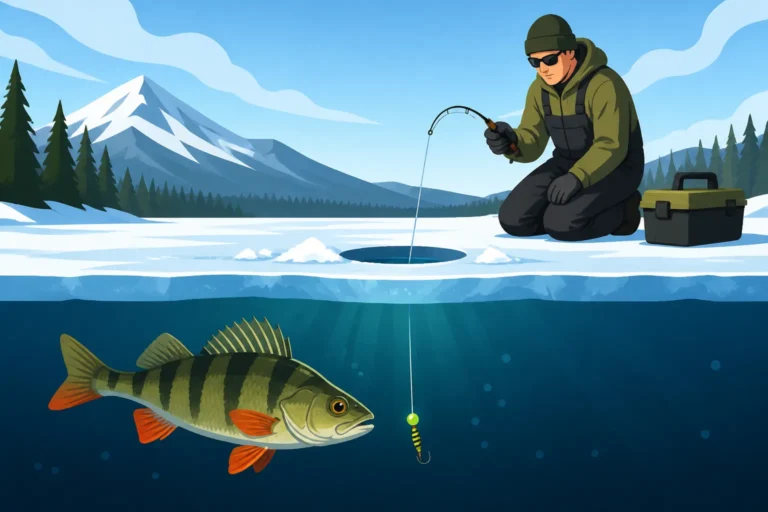
Oregon isn't exactly renowned as an ice fishing mecca, especially when compared to states like Minnesota or Wisconsin. Our milder, often wetter winters, particularly on the western side of the Cascades, mean that many lower-elevation lakes simply don't develop consistent, safe ice. This often leaves anglers feeling frustrated and unsure where to even begin their ice fishing quest. However, if you venture into the higher elevations and east of the Cascade crest, particularly in Central and Eastern Oregon, a different story emerges. Here, the air is crisper, the snow falls harder, and temperatures plunge, creating the ideal conditions for some truly spectacular winter fisheries.
The key to finding reliable ice is elevation. The higher you go, the colder it gets, and the longer those freezing temperatures persist. This means you'll often be driving a bit further, perhaps navigating some snowy roads, but the reward—a tranquil, uncrowded fishing experience with some feisty winter bites—is well worth the effort. Think of it as accessing a hidden season, one that requires a bit more preparation and patience, but offers a unique connection to Oregon's wild landscapes.
Why High Elevation is Key for Solid Ice
It's all about sustained cold. Many of Oregon's lower-elevation lakes, even when they get a cold snap, are often subject to warming winds, periods of rain, or simply not enough consecutive days below freezing to form truly safe ice. This is why you rarely hear about ice fishing near Portland or the Willamette Valley. The maritime influence just keeps things too mild.
As you gain elevation, however, the climate shifts dramatically. East of the Cascades, and certainly within the mountain ranges themselves, the continental climate takes over. Winter temperatures are consistently colder, and intense cold fronts can linger for weeks. This allows for the slow, steady formation of thick, clear ice, layer by layer. Furthermore, many high-elevation lakes are smaller, shallower, and have less current, all factors that contribute to quicker and more stable ice formation. This means less guessing and more confident drilling when you finally arrive at your chosen spot.
The Challenge of Predicting Ice Conditions
Even with the general rule of "higher is colder," predicting exactly when and where a lake will be safe for ice fishing can be tricky. Weather patterns vary significantly year to year. One winter might see widespread, thick ice, while the next might be too warm for any safe ice formation outside of the highest, most sheltered locations. This uncertainty is a major source of angst for hopeful ice anglers. It requires constant vigilance, checking local reports, and sometimes even calling local resorts or tackle shops for the most current conditions. Relying on outdated information can be dangerous, making it crucial to prioritize safety above all else. Remember, no fish is worth risking your life over.
Prime High Lakes for Ice Fishing in Oregon
While an exhaustive list would be impossible and vary annually, there are several high lakes in Oregon that consistently draw ice anglers due to their elevation, typical winter conditions, and productive fisheries. These are the lakes that, when conditions allow, offer the best chances for a memorable hardwater experience.
Central Oregon's Frozen Gems
Central Oregon is perhaps the closest thing we have to an ice fishing hub in the state. The high desert and surrounding mountains provide the cold, clear conditions needed.
- Crane Prairie Reservoir: This is often considered one of Oregon's premier ice fishing destinations. Located at over 4,400 feet, it typically freezes solid, especially its shallower bays. It’s famous for its trophy-sized rainbow trout, often referred to as "cranebows," which can be caught through the ice. There's also a good population of brook trout and some kokanee salmon. Access can be a bit challenging with heavy snow, but it’s often worth the effort. Anglers often target shallower areas where weed beds provide cover for cruising trout. You can find excellent advice on specific techniques for these waters by looking into Best Bait for Oregon Trout Fishing.
- Wickiup Reservoir: Just south of Crane Prairie, Wickiup is another large reservoir at a similar elevation. It freezes reliably and offers excellent fishing for brown trout, kokanee, and some rainbow trout. The sheer size of Wickiup means there's plenty of space, even when it's busy. Like Crane Prairie, snow can make access a challenge, so a reliable vehicle is a must. The kokanee here can be particularly fun to target with small jigs and bait, and a good fish finder from a brand like Humminbird or Garmin (easily found on Amazon) can make a huge difference in locating them.
- East Lake & Paulina Lake (Newberry Caldera): These twin lakes, nestled within the Newberry National Volcanic Monument at about 6,400 feet, offer some of the highest elevation ice fishing in Oregon. They are known for their strong populations of rainbow trout, brook trout, and kokanee. Paulina Lake even holds a unique population of brown trout. Due to their elevation, these lakes are usually among the first to freeze and often hold safe ice well into winter. However, access can be restricted by snow if the main road isn't plowed, so always check with the Forest Service or local resorts beforehand. For those who love remote beauty, the views alone are worth the trip.
- Odell Lake: A large, deep lake in the Cascade Mountains at over 4,700 feet, Odell Lake is known for its Mackinaw (lake trout) fishing, which can be fantastic through the ice. It also holds good numbers of kokanee and rainbow trout. Because it’s so large and deep, it sometimes takes longer to freeze completely, but once it does, the ice can be exceptionally thick and stable. Fishing for Mackinaw often requires heavier gear and fishing closer to the bottom, sometimes in very deep water. If you're looking for Mackinaw (Lake Trout) Fishing, Odell is definitely the spot.
Northeastern Oregon's Frozen Opportunities
Further east, the Wallowa Mountains offer some lesser-known but equally rewarding ice fishing experiences.
- Wallowa Lake: While not as high in elevation as some Cascade lakes (around 4,300 feet), Wallowa Lake in the beautiful Wallowa Valley can freeze over in particularly cold winters, especially its shallower southern end. It's famous for its kokanee salmon, which can be targeted with great success through the ice. Rainbow trout are also present. The picturesque setting, surrounded by towering peaks, makes for a stunning backdrop to your ice fishing adventure. When considering gear, a portable ice fishing shelter (easily ordered from Amazon) can make a day on Wallowa Lake much more comfortable, especially with potential winds.
Other Potential High Lakes
Other high lakes that can freeze over in strong winters, but might be less consistent or have more challenging access, include:
- Diamond Lake: This well-known lake at 5,100 feet in Southern Oregon is famous for its rainbow trout. It does freeze, and ice fishing can be excellent. In fact, many anglers specifically ask Is Diamond Lake good for ice fishing?, and the answer is a resounding yes, when conditions are right. It’s regularly stocked, providing plenty of action.
- Lake Billy Chinook: While lower in elevation (around 2,000 feet), specific arms and shallower bays of this reservoir, especially in the Metolius arm, can develop safe ice during prolonged cold spells, particularly those without strong winds. It offers kokanee, rainbow trout, and even bull trout in certain areas (though bull trout fishing has specific regulations, so always check Oregon Fishing Regulations Explained).
- Lost Lake (Santiam Pass): This smaller lake at around 3,100 feet can also freeze, offering opportunities for rainbow trout. It's a bit more exposed than some, so ice conditions can be less predictable.
| Lake Name | Region | Elevation (approx.) | Primary Species | Ice Reliability (Winter-Dependent) | Notes |
|---|---|---|---|---|---|
| Crane Prairie Reservoir | Central Oregon | 4,400 ft | Rainbow Trout, Brook, Kokanee | High | Trophy 'cranebows,' popular destination. |
| Wickiup Reservoir | Central Oregon | 4,350 ft | Brown Trout, Kokanee, Rainbow | High | Large lake, good variety. |
| East Lake | Central Oregon | 6,400 ft | Rainbow Trout, Brook, Kokanee | Very High | High elevation, often first to freeze, stunning caldera setting. |
| Paulina Lake | Central Oregon | 6,350 ft | Rainbow Trout, Brook, Brown, Kokanee | Very High | Deep, large browns, scenic. |
| Odell Lake | Cascade Mountains | 4,700 ft | Mackinaw (Lake Trout), Kokanee, Rainbow | High (can take longer to freeze) | Known for large Mackinaw, requires heavier gear. |
| Wallowa Lake | Northeastern Oregon | 4,300 ft | Kokanee, Rainbow Trout | Medium to High | Picturesque, good kokanee. |
| Diamond Lake | Southern Oregon | 5,100 ft | Rainbow Trout | High | Excellent trout fishing, very popular. |
| Lake Billy Chinook (bays) | Central Oregon | 2,000 ft | Kokanee, Rainbow, Bull Trout | Low to Medium | Only certain areas, during sustained cold. |
Note: "Ice Reliability" is highly dependent on yearly winter conditions. Always verify current conditions before venturing out.
Safety First: Essential Tips for Oregon Ice Anglers
The thrill of ice fishing in Oregon's serene high country is undeniable, but it comes with a non-negotiable prerequisite: safety. Many experienced anglers understand the inherent risks, but for those new to the sport, or even those who just haven't been out in a while, it's easy to get complacent. The biggest frustration for many is not just finding the fish, but finding safe ice, and sometimes, the desire to fish can override common sense. You might hear whispers of a lake having good ice, but that doesn't mean all of it is safe, or that it will remain safe throughout the day.
Oregon's often volatile winter weather means ice can be unpredictable. Fluctuations in temperature, snow cover, and underlying currents can drastically affect ice thickness and stability, sometimes within a matter of hours. Never assume the ice is safe. A seemingly solid surface can hide dangerously thin spots or areas compromised by springs or underwater currents. It’s far better to err on the side of extreme caution and pack extra safety gear, even if you hope never to use it.
Minimum Ice Thickness Guidelines
There’s a general rule of thumb for minimum ice thickness, but it’s crucial to remember these are guidelines, not guarantees. Ice conditions can change quickly, and factors like ice quality (clear vs. cloudy), temperature, and snow cover all play a role. Clear, blue ice is generally stronger than cloudy or white ice.
- 2 inches or less: Absolutely stay off. This is a no-go zone, tempting as it might be.
- 4 inches: This is the absolute minimum for walking out onto the ice for ice fishing alone. Even then, proceed with extreme caution, checking constantly with an ice chisel or spud bar.
- 5-7 inches: Generally safe for small groups of people, assuming the ice is clear and solid.
- 8-12 inches: Safe for snowmobiles or ATVs. Always check local regulations about motorized vehicles on the ice.
- 12-15 inches: Generally safe for light pickup trucks (check local rules). Again, this is a generalization, and the quality of the ice matters more than just the number.
Essential Safety Gear for Every Trip
Never head out onto the ice without the right safety gear. This isn't just about being prepared; it's about being responsible for your own life and the lives of those fishing with you.
- Ice Picks: These are paramount. Worn around your neck, they are designed to help you pull yourself out of the water if you fall through. They are inexpensive and can be purchased easily, often bundled with other ice fishing accessories on Amazon.
- Spud Bar or Ice Chisel: Use this to test the ice ahead of you as you walk. Strike the ice firmly. If it cracks or breaks with a few strikes, turn back. This tool is your first line of defense.
- Flotation Suit or PFD (Personal Flotation Device): An ice fishing flotation suit provides warmth and buoyancy, significantly increasing your chances of survival if you fall in. At the very least, wear a life vest over your winter clothing.
- Rope: A length of sturdy rope (50-100 feet) with a loop or knot at the end can be thrown to someone who has fallen through, or used to pull gear.
- First-Aid Kit: Beyond ice safety, general outdoor preparedness is key.
- Navigation & Communication: A fully charged phone (in a waterproof case), a GPS device, and even a satellite communicator are smart, especially in remote high lakes where cell service is spotty.
- Buddy System: Never go ice fishing alone, especially on unfamiliar ice or in remote areas. A fishing buddy is not just for companionship, but for mutual assistance in an emergency.
Checking Conditions Before You Go
Before you even load up your gear, do your homework.
- Local Reports: Check with local sporting goods stores, bait shops, and resorts in the area of the lake you plan to visit. They often have the most up-to-date, real-time ice conditions.
- Oregon Department of Fish and Wildlife (ODFW): While ODFW doesn't typically provide daily ice thickness reports, they are a vital resource for Oregon Fishing Season Dates and Limits and any emergency closures.
- Online Forums & Social Media Groups: Many regional fishing groups on platforms like Facebook are fantastic resources for current ice conditions and first-hand reports from fellow anglers. Just remember to verify information from multiple sources.
- Visual Inspection: Once you arrive at the lake, take time to visually inspect the ice from shore. Look for open water, dark patches (thin ice), or areas of slush. Observe if other anglers are out, but don't assume their spot is safe for you.
Gear and Techniques for High Lake Ice Fishing
Getting out on the ice in Oregon's high country is an adventure, and having the right gear can make all the difference between a miserable, cold day and a successful, enjoyable one. You don't necessarily need the fanciest equipment, but certain items are essential for comfort, safety, and effective fishing.
Essential Ice Fishing Gear
Packing smart means you're prepared for whatever the high lakes throw at you.
- Ice Auger: This is your primary tool for making holes in the ice. Manual augers are fine for occasional trips and thinner ice, but a gas, propane, or electric auger (many reliable electric options are available on Amazon) will save you a lot of effort, especially if you plan to drill multiple holes or encounter thicker ice.
- Ice Rods and Reels: Unlike open-water rods, ice fishing rods are short (typically 24-36 inches), stiff, and designed for fishing in a small hole. Match your rod to the species you're targeting. Light action rods are great for trout and kokanee, while medium action might be better for larger browns or Mackinaw. Combine them with small spinning reels or inline ice reels.
- Tackle Box Essentials:
- Jigs: Small tungsten jigs tipped with bait (like a maggot, wax worm, or powerbait) are incredibly effective for trout and kokanee. Vary colors and sizes.
- Small Spoons: Jigging spoons in silver, gold, or bright colors can attract fish from a distance.
- Trout Baits: PowerBait, corn, or small pieces of shrimp are often irresistible to hungry trout.
- Bobbers: Small, sensitive slip bobbers or spring bobbers are crucial for detecting subtle bites.
- Line: Fluorocarbon leader (2-6 lb test) is often preferred for its low visibility in clear ice water. A main line of braided or monofilament (4-8 lb test) works well.
- Portable Shelter: An ice fishing shanty or shelter provides crucial protection from wind, snow, and cold. Even a small one-person pop-up shelter can make a huge difference in comfort, allowing you to stay out longer. Many quality options, including brands like Eskimo or Clam, are available for quick shipping from Amazon.
- Heater: A portable propane heater can transform a cold shelter into a cozy retreat. Always ensure proper ventilation to prevent carbon monoxide buildup.
- Bucket/Chair: A five-gallon bucket serves multiple purposes: carrying gear, sitting, and holding your catch. Many specialized ice fishing buckets come with insulated inserts or seats.
- Fish Finder (Flasher/Sonar): A portable fish finder, specifically a flasher (like a MarCum or Vexilar), is invaluable for seeing fish under the ice, tracking your lure, and identifying the depth. This can significantly increase your success rate, letting you know if fish are actively cruising below you.
- Warm Clothing: Layers, layers, layers! Waterproof outer shells, insulated boots, warm hat, gloves or mittens, and thermal underwear are non-negotiable. It's often colder on the ice than you anticipate.
Common Ice Fishing Techniques in Oregon
The beauty of ice fishing is its simplicity, but there are nuances that can boost your success. For beginners, getting familiar with Oregon Fishing Techniques for Beginners can set a great foundation.
- Jigging: This is the most common and often most effective technique. You drop a small jig (often tipped with bait) to the desired depth and gently raise and lower your rod tip, creating enticing movement. Experiment with different depths and jigging actions until you find what the fish prefer. Trout and kokanee respond well to a subtle jigging motion.
- Dead-Sticking: Sometimes, fish prefer a completely still presentation. This involves leaving a rod with a baited hook (often under a bobber) absolutely motionless in the water, sometimes in a separate hole from your jigging rod. This is particularly effective for finicky trout or when fish are less active.
- Tip-Ups: These devices are set over a hole and automatically signal (usually with a flag) when a fish takes the bait. They allow you to cover more area, especially if you have multiple lines allowed by Oregon Fishing Regulations Explained. They are typically baited with a minnow or larger bait for species like brown trout or Mackinaw.
When it comes to targeting specific species, understanding their behavior is key. For example, if you're going after Kokanee Salmon in Oregon, they often suspend in the water column and respond well to bright jigs and flashers. For rainbow trout in heavily stocked lakes, simple powerbait on a small hook off the bottom can be incredibly effective, especially after the lakes have been recently restocked, a common practice described in How to Catch Trout in Stocked Oregon Lakes.
No matter where you choose to drop your line on Oregon's frozen high lakes, remember the spirit of the journey. It's about more than just catching fish; it's about embracing the winter landscape, the quiet solitude, and the unique challenge that ice fishing provides. Be prepared, be safe, and most importantly, enjoy the serene beauty of Oregon's winter wonderland.
Disclaimer
This article is for general informational purposes only and does not constitute professional advice. Laws, prices and regulations vary by location and change over time. Consult a qualified professional for guidance on your specific situation.