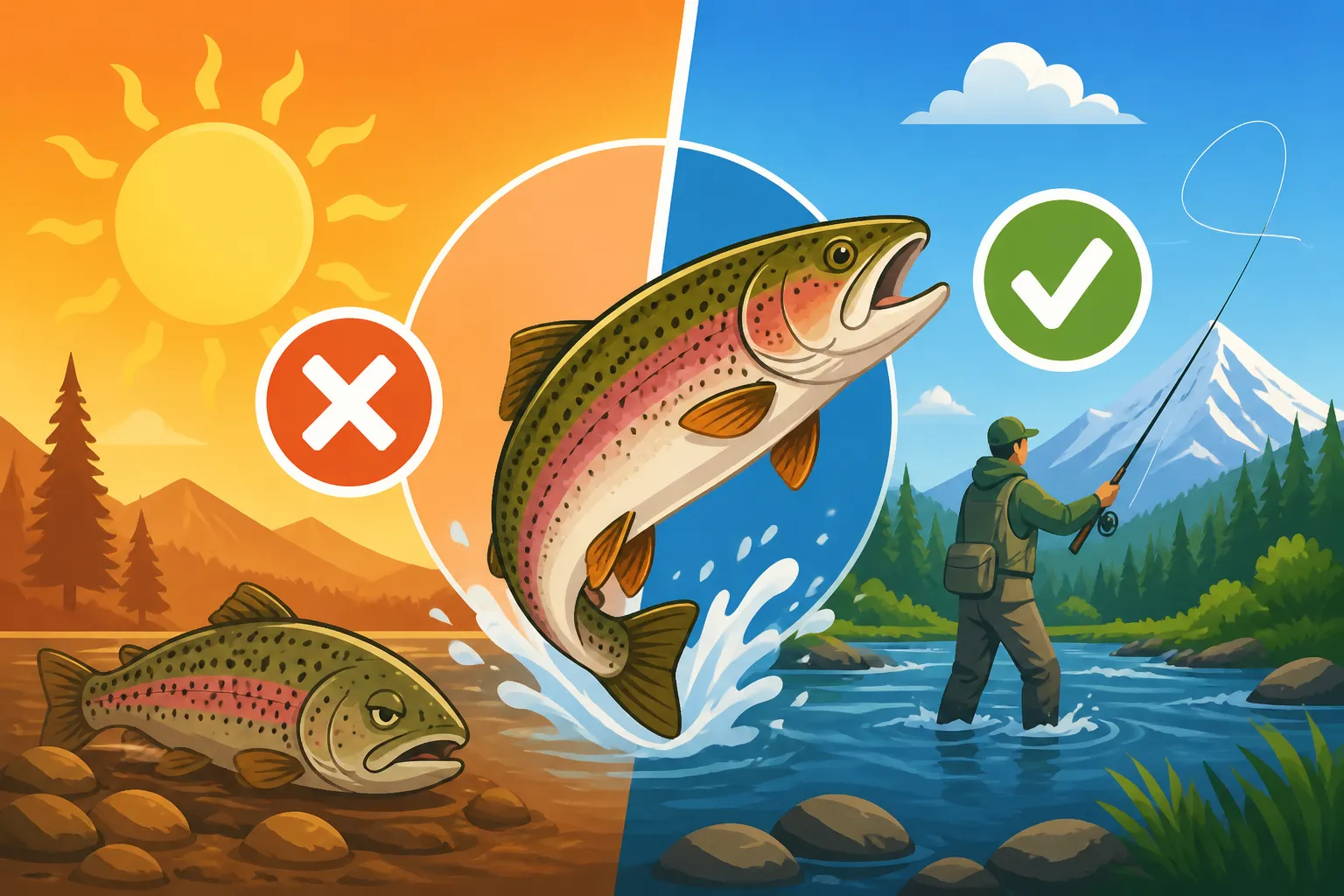
Does trout fishing slow down in hot weather?
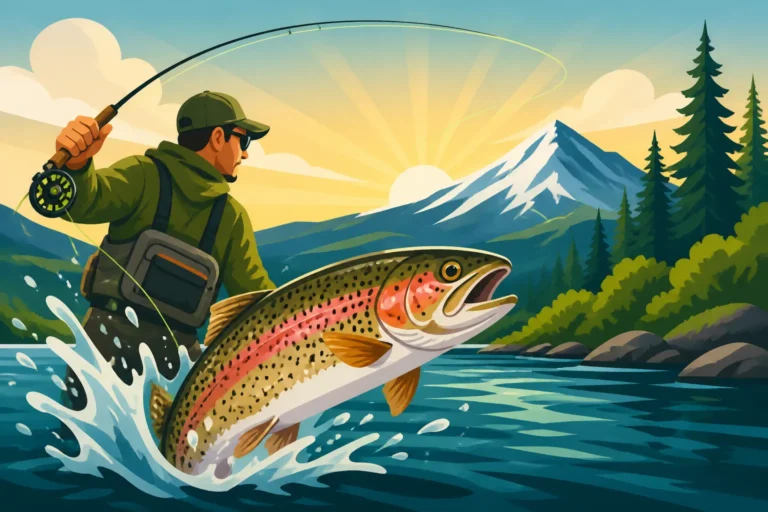
Oh, the age-old summer dilemma! You wake up to a glorious sunny Oregon morning, the kind that just begs you to grab your rod and head to your favorite trout stream or lake. You imagine those feisty rainbows or elusive cutthroats rising eagerly, only to find… crickets. Or, more accurately, sluggish, uncooperative fish hiding deep in the shadows. It's a common frustration, and if you've ever wondered why your favorite trout spots seem to shut down when the mercury climbs, you're not alone. This guide is here to shed some light on why trout fishing often slows considerably in hot weather, and more importantly, what you can do about it to still find success on the water.
The Science Behind the Slump: Why Trout Get Moody in the Heat
It’s easy to think of fish as just… living in water, but trout are exquisitely tuned to specific environmental conditions, and temperature is perhaps the most critical. When the weather heats up, the water temperature inevitably follows, leading to a cascade of effects that make trout less active and harder to catch.
Temperature's Direct Impact on Trout Metabolism
Let's start with the fundamental biology. Trout, like all fish, are cold-blooded creatures. This means their body temperature is essentially the same as the water they swim in. Unlike us warm-blooded folks who maintain a constant internal temperature, a trout's internal processes speed up or slow down based on its environment. When the water warms, a trout’s metabolism skyrockets. It starts burning energy at an accelerated rate, almost like running a fever. This isn't sustainable for long periods, and it certainly isn't comfortable.
Imagine trying to run a marathon in a sauna; your body would be screaming for relief, and you'd be focused solely on survival, not on chasing down a snack. Trout are no different. Their energy is diverted to simply coping with the heat, making them less inclined to expend effort chasing after a fly or lure. Their digestion also becomes less efficient, further discouraging them from eating. They become lethargic, conserving every bit of energy they can, which is why those aggressive strikes you might see in cooler weather become rare, subtle nudges, if they bite at all.
The Critical Role of Dissolved Oxygen
Beyond the direct metabolic effects, there's another crucial factor: dissolved oxygen. This is a big one, and often overlooked by anglers. Here's the kicker: warm water holds significantly less dissolved oxygen than cold water. Think of a can of soda; it fizzes much more when warm because the carbon dioxide (like oxygen for fish) escapes more easily. The same principle applies to oxygen in water.
Trout, especially species like rainbow, cutthroat, and steelhead, are highly oxygen-dependent. They need a good supply of oxygen in the water to breathe and maintain their physiological functions. When water temperatures rise, not only does their metabolic demand for oxygen increase, but the available oxygen in the water decreases. It’s a double whammy! This creates an incredibly stressful situation for the fish. They literally feel like they're suffocating. To cope, they'll seek out any pocket of cooler, more oxygenated water they can find, often hunkering down and staying put. This explains why they aren't actively cruising for food—their priority is simply to breathe and survive.
Increased Stress and Vulnerability
When trout are subjected to warm water and low oxygen conditions, their entire system goes into overdrive, leading to immense physiological stress. This stress weakens their immune systems, making them far more susceptible to diseases, parasites, and even bacterial infections. A fish fighting for its life against internal and external stressors simply isn't going to be interested in feeding. Their natural instincts shift from foraging to pure survival.
Furthermore, fish that are already stressed are much more vulnerable to the additional shock of being caught. A prolonged fight in warm, low-oxygen water can easily be fatal for a trout, even if you handle and release it carefully. This is why you often hear about "hoot owl" regulations or even full stream closures during extreme summer heat, as authorities prioritize the health of the fish populations. It's not just about the fishing slowing down; it's about protecting these precious resources.
Where to Find Refuge: Locating Trout in Scorching Summer
Just because trout become more challenging doesn't mean they vanish. They simply move to their preferred thermal refuges. Understanding where these sanctuaries are is key to adapting your summer fishing strategy in Oregon.
Seeking Deeper, Cooler Depths
When surface waters heat up, trout instinctively dive deep. In lakes and larger reservoirs, you’ll find them below the "thermocline"—a layer where the water temperature rapidly changes from warm on top to cold below. This deeper water acts like a natural air conditioner. In rivers, look for the deepest pools, especially those with good current or an upstream source of colder water. Plunge pools at the base of waterfalls, deep bends with undercut banks, or any area where the river scours out a significant hole can hold a surprising number of fish.
These deep areas provide stability from temperature fluctuations and often retain higher levels of dissolved oxygen. Fish will school up in these zones, sometimes becoming incredibly concentrated. If you're fishing a lake, try employing a fish finder to locate schools in deeper water. For river fishing, focus your efforts on probing the very bottom of the deepest, darkest pools. Remember, these fish aren't necessarily actively feeding, but if a meal drifts right into their zone, they might take it with minimal effort.
The Allure of Coldwater Inflows and Springs
One of the most reliable places to find active trout in hot weather is near coldwater inflows. These could be small spring-fed creeks, groundwater seeps bubbling up from the bank, or even the mouth of a cooler tributary joining a larger river. These localized cold-water pockets can create a significant temperature difference, sometimes by several degrees, which is enough to invigorate lethargic trout.
A small, trickling side stream might seem insignificant, but its chilly water can draw trout from a surprisingly wide area of the main stem. Anglers who know their local rivers well often have secret spots where these springs or coldwater tributaries enter. Look for lush green vegetation along the bank, which can sometimes indicate a subterranean water source. These spots not only offer cooler temperatures but often higher oxygen levels and a fresh supply of aquatic insects, making them prime feeding grounds even in the heat. Exploring areas where small creeks meet larger bodies of water can reveal some of the Best Places to Fish in Oregon.
Shade, Structure, and Overhangs
Never underestimate the power of shade. Just like we seek relief under a tree on a hot day, trout will congregate in shaded areas. Overhanging trees, dense bankside vegetation, large boulders, and undercut banks all provide crucial shade that prevents the water beneath them from heating up as quickly. These spots also offer cover from predators, which is an added bonus for stressed fish.
Look for areas where the sun doesn't directly hit the water for most of the day. This might be on the east side of a canyon in the afternoon, or under a thick canopy of old-growth forest. Large logs and root wads that create deep shadows also serve as excellent holding water. While the temperature difference might not be as dramatic as a cold spring, these microclimates can provide just enough relief to keep trout comfortable and occasionally willing to feed, especially during the cooler parts of the day. These structures are also excellent ambush points for trout, even if they are just doing a passive "sit and wait" game.
Tactics for Temperamental Trout: Adapting Your Summer Strategy
So, the trout are there, but they’re playing hard to get. Don’t despair! By adjusting your approach, you can still tempt a few into biting. It’s all about minimizing stress and maximizing your chances during their brief periods of activity.
The Golden Hours: Early Morning and Late Evening
This is arguably the most critical adjustment for summer trout fishing. Forget sleeping in or fishing through the scorching midday sun. Your best chances will always be during the "golden hours"—the first few hours after dawn and the last few hours before dusk. Why? Because these are the coolest times of the day. Overnight, the air temperature drops, allowing the water to cool down, especially in shallower areas. As the sun rises and temperatures climb, the water warms up again.
Trout become more active, and thus more willing to feed, during these windows for several reasons. The cooler water is more comfortable, holds more oxygen, and often coincides with increased insect activity, particularly for dry fly enthusiasts. Getting on the water at first light means you're fishing when the trout are at their most energetic and least stressed. Similarly, as the sun begins to set, the water cools, and trout may emerge from their deep hiding spots for a last feeding burst before nightfall. Many seasoned anglers will pack their bags and head home when the sun is high, knowing their chances are slim. Focus your efforts when the odds are stacked in your favor. This aligns with knowing the Best Time of Year to Fish in Oregon, specifically the best times of day in summer.
Stealth, Finesse, and Downsizing
When trout are stressed and lethargic, they become incredibly wary. They're not going to chase down a noisy, splashy offering. This is where stealth and finesse come into play. Think light tackle, long leaders, and delicate presentations. You'll want to use lighter lines – perhaps 4-pound test fluorocarbon for spinning gear, or fine tippet for fly fishing – to minimize visibility.
Downsize your baits and lures. Instead of bulky spinners or large streamers, opt for smaller, more subtle offerings. For fly anglers, tiny nymphs, emergers, or small dry flies that imitate terrestrial insects (like ants or beetles that might fall into the water) can be effective. Spinners might find success with micro-jigs, small inline spinners, or tiny crankbaits. The goal is to present something enticing that requires minimal effort for the trout to consume. Many anglers find a good selection of small, specialized lures or flies on online retailers like Amazon to be invaluable for these conditions. Approach the water slowly, cast accurately, and let your bait drift naturally into suspected holding areas. The less disturbance you create, the better your chances. Learning Oregon Trout Fishing Techniques will emphasize these delicate presentations.
Prioritizing Trout Health: Mindful Catch and Release
This is perhaps the most important point for summer trout fishing: prioritize the fish's health above all else. Even if you get a bite, a protracted fight in warm water can be deadly. Here’s how to practice mindful catch and release:
- Fight Fast, Land Quickly: Use appropriate gear that allows you to land the fish as quickly as possible, minimizing the stress of the fight.
- Keep Them Wet: Avoid taking the fish out of the water for photos. If you must, do it quickly and gently, holding the fish horizontally with wet hands. Prolonged exposure to air is incredibly harmful.
- Wet Hands: Always wet your hands before touching a fish. Dry hands remove their protective slime coat, making them vulnerable to infection.
- Handle Minimally: Avoid squeezing the fish, especially around the gills. Use forceps (you can find excellent, affordable sets on Amazon) to remove hooks quickly and cleanly. If the hook is deeply set, consider cutting the line rather than tearing internal organs.
- Revive Gently: If a fish is lethargic after the fight, hold it gently in the current, facing upstream, until it can swim away under its own power. Don't pump it back and forth; this can actually force water the wrong way through its gills.
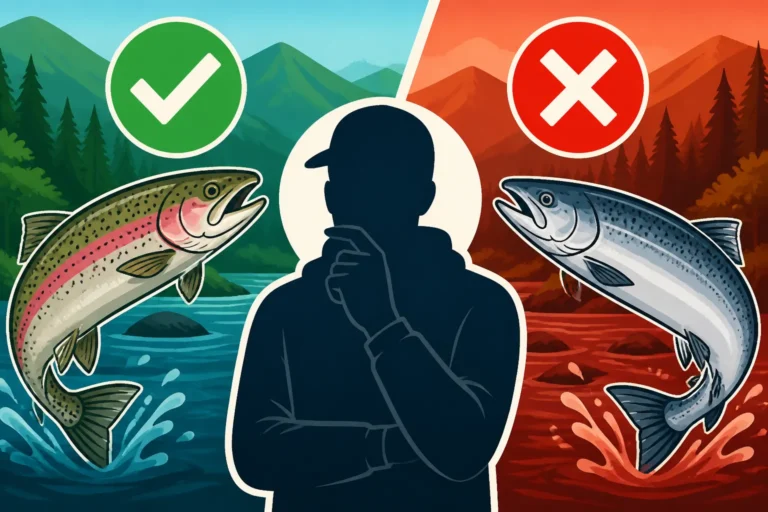
- Know When to Stop: If trout are lethargic and taking a long time to revive, or if water temperatures are exceptionally high (generally above 68-70°F for most trout species), consider calling it a day. The enjoyment of catching a fish isn't worth needlessly sacrificing its life.
Navigating Oregon's Summer Trout Landscape
Oregon's diverse landscapes mean that "hot weather" doesn't affect all trout waters equally. From high-mountain lakes to coastal rivers, understanding local regulations and conditions is crucial for a successful and responsible summer fishing trip.
Understanding Regional and Species-Specific Regulations
Oregon is a vast state, and trout fishing opportunities vary significantly from one region to another. While valley rivers might be too warm for trout by mid-summer, high-elevation lakes and certain spring-fed streams in places like Central Oregon or the Cascades can remain cool and productive throughout the season. It’s vital to consult the official Oregon Fishing Regulations Explained before you head out. These regulations provide detailed information on specific waters, catch limits, and any special restrictions.
Some areas might have regulations tailored to protect trout during warm periods, such as "hoot owl" closures which only allow fishing during the coolest parts of the day (e.g., sunrise to 2 PM), or specific gear restrictions. For example, some high lakes might not experience the same severe warm-up as lower-elevation rivers, making them a great option for Best season to fish high mountain lakes in Oregon. Always check for updates, as regulations can change, and special rules might apply to certain trout species like Bull Trout, which are highly protected and often require a special tag and are catch-and-release only. Different trout species have varying temperature tolerances, so knowing your target fish, as outlined in the Oregon Trout Species Guide, is also helpful.
Monitoring Water Conditions and Closures
One of the best ways to ensure a productive and ethical summer trout fishing trip is to stay informed about current water conditions. The Oregon Department of Fish and Wildlife (ODFW) often provides updates on river temperatures, flows, and any voluntary or mandatory fishing restrictions. Checking their website or local fishing forums can give you real-time information. Many local tackle shops are also excellent sources of up-to-the-minute conditions.
During prolonged heatwaves, ODFW might implement emergency closures on certain rivers or streams to protect stressed fish populations. These closures are put in place when water temperatures become dangerously high, and fish mortality rates from angling drastically increase. Ignoring these closures not only carries legal penalties but also undermines conservation efforts. Learning How to check Oregon emergency fishing closures is essential for responsible angling. Some dedicated anglers even carry portable water temperature gauges (easily found on Amazon) to personally monitor conditions on the water, making informed decisions about whether to continue fishing. By staying vigilant and being willing to postpone or redirect your trip to cooler waters, you contribute to the health and sustainability of Oregon's incredible trout fisheries.
Disclaimer
This article is for general informational purposes only and does not constitute professional advice. Laws, prices and regulations vary by location and change over time. Consult a qualified professional for guidance on your specific situation.