Buying an Oregon Fishing License Online vs In Person
Alright, let's talk about getting your Oregon fishing license. It sounds simple enough, right? But for many of us, especially if you're new to the state or just haven't bought a license in a while, figuring out the best way to do it can feel a little confusing. Should you brave the lines at a store, or is clicking a few buttons online the way to go? This guide is here to break down the ins and outs of buying your Oregon fishing license, whether you prefer the digital convenience or the traditional in-person experience, so you can spend less time stressing and more time casting a line.
Understanding Your Options: The Convenience of Online vs. The Traditional Touch of In-Person
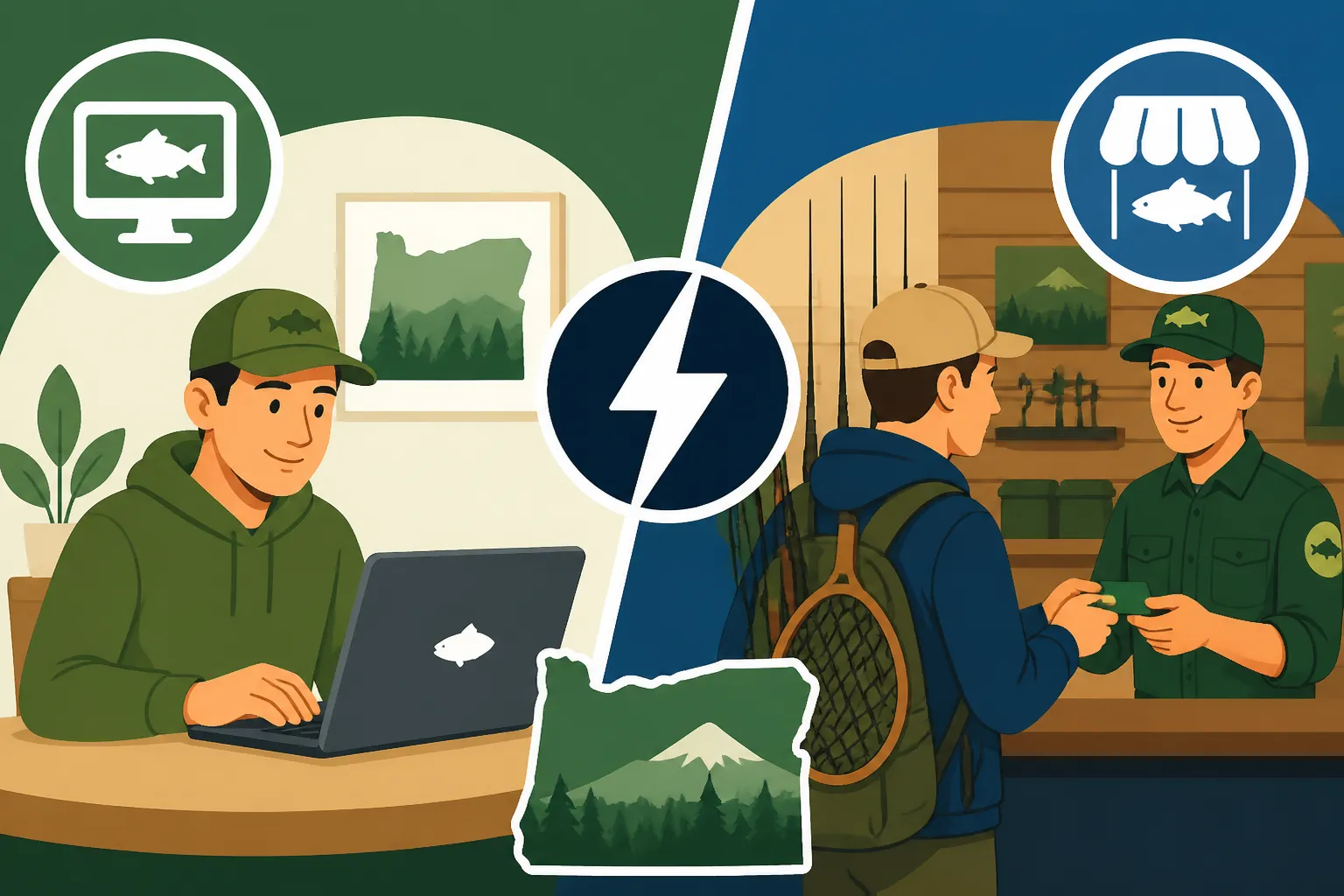
When it comes to securing your Oregon fishing license, you essentially have two main avenues: the swift, often instant world of online purchasing, or the more personal, hands-on approach of buying in person. Both methods have their loyalists and their detractors, and what works best for one angler might be a complete headache for another. It really boils down to your personal preferences, your timeline, and sometimes, how much you enjoy a good chat with a local shop owner.
The Oregon Department of Fish and Wildlife (ODFW) has done a pretty good job of making both options accessible, but they definitely offer different experiences. It's not just about getting the piece of paper (or digital proof); it's about the entire process leading up to it. Are you a planner who likes everything sorted ahead of time, or are you more of a spontaneous "let's go fishing now!" type? Your answer to that might steer you toward one method over the other.
Why the Choice Matters: Speed, Support, and Personal Preference
Think about the last time you were heading out for a fishing trip. Were you meticulously organized, with all your gear packed and permits secured days in advance? Or were you scrambling at the last minute, realizing you forgot that crucial fishing license as you pulled out of the driveway? These scenarios highlight why the choice between online and in-person isn't just a minor detail – it can make or break your trip.
The online option, for instance, offers unparalleled speed. You can buy a license from your couch at 2 AM, and technically, you're ready to fish as soon as you hit print (or save the digital version to your phone). This is a lifesaver for those spur-of-the-moment decisions or when you’ve had a busy week and time just slipped away. However, it requires a certain comfort level with technology and, ideally, a printer on hand. On the flip side, buying in person offers immediate, human assistance. If you have questions about specific regulations, need advice on a particular fishing spot, or just prefer to handle a physical license right away, a visit to an authorized vendor can be invaluable. This personalized touch can be especially reassuring for beginners or those seeking local knowledge.
Quick Snapshot: Online vs. In-Person Pros and Cons
To help you weigh your options, here's a quick breakdown of the typical advantages and disadvantages of each method. This isn't exhaustive, of course, but it gives you a good starting point for deciding what feels right for your next angling adventure.
| Feature | Online Purchase (ODFW Website) | In-Person Purchase (Authorized Vendor) |
|---|---|---|
| Convenience | 24/7 availability from anywhere with internet. | Limited to store hours, requires travel. |
| Speed | Instant purchase, immediate printable/digital proof. | Immediate physical license in hand. |
| Assistance | Self-service, FAQs, online support (emails/phone during hours). | Direct human interaction, local advice, troubleshooting on the spot. |
| Payment Options | Credit/debit card only (typically). | Cash, credit/debit, sometimes checks (check with vendor). |
| Required Items | Personal info, ODFW ID (if returning), credit card, printer (optional). | Personal ID, ODFW ID (if returning), payment. |
| Accessibility | Requires internet access, device, and potentially a printer. | Relies on physical location, open hours, and transportation. |
| Additional Services | None beyond license purchase. | May also offer bait, tackle, local maps, or refreshments. |
| Common Frustrations | Website glitches, printing issues, forgotten ODFW ID. | Long lines, limited store hours, out-of-stock items, specific store policies. |
No matter which path you choose, the end goal is the same: to be legally equipped to enjoy the fantastic fishing opportunities Oregon has to offer. Understanding these differences can help you make a more informed decision and avoid any last-minute stress before you hit the water.
Navigating the Online Purchase Process for Your Oregon Fishing License
Buying your Oregon fishing license online has become incredibly popular, and for good reason. It’s convenient, often quick, and you can do it from literally anywhere. The Oregon Department of Fish and Wildlife (ODFW) has a dedicated licensing system that handles these transactions. If you've ever bought anything online, the process will feel pretty familiar, though there are a few specific things unique to government-issued permits. The key here is to have everything you need ready to go so you don't hit any snags during your purchase.
Many anglers find this method ideal for its flexibility, allowing them to purchase their annual license well in advance or even grab a short-term license on the morning of an impromptu trip. You can even renew your Oregon fishing license online, which is a fantastic feature for returning anglers.
Getting Started: The Official ODFW Website
The first and most crucial step for an online purchase is heading to the right place: the official Oregon Department of Fish and Wildlife (ODFW) licensing platform. You'll typically find this by searching "ODFW fishing license" or directly navigating to the Oregon ELS (Electronic Licensing System) website. It's incredibly important to use the official site to ensure you're getting a legitimate license and protecting your personal and financial information. Avoid third-party sites that claim to sell licenses, as these are often scams or add unnecessary fees.
Once you're on the ODFW licensing page, you'll usually be prompted to log in or create an account. If you've purchased an Oregon hunting or fishing license before, you likely already have an ODFW ID number. This is a unique identifier that helps the system track your licensing history. If you're a first-time buyer, you'll create a new account, which typically involves providing your personal details and setting up a username and password. Don't stress if you can't remember your ODFW ID; there's usually an option to look it up using your personal information like your driver's license number or date of birth.
Step-by-Step Walkthrough: What Information You'll Need
Once you're logged in or have created your account, the system will guide you through the purchase process. It's designed to be fairly intuitive, but having your information handy will make it even smoother. Here’s a general rundown of what to expect and what you'll need:
- Select Your License Type: This is where you choose the specific license you need. Options range from an annual angling license for residents or nonresidents to various short-term options like an Oregon 1-Day Fishing License or even multi-day options for visitors. Don't forget any necessary endorsements or tags! For example, if you plan to target salmon or steelhead, you'll need an Oregon Combined Angling Tag. If you're going crabbing or clamming, an Oregon Shellfish License will be a separate, but often necessary, addition.
- Provide Personal Information: The system will autofill some of this if you're a returning user. For new users, you'll need to enter your full name, address, date of birth, and usually a form of identification like your driver's license number. This is all standard procedure for verifying your identity and residency status.
- Add Tags and Endorsements: Based on what you plan to fish for and where, you might need additional tags. These could include specific tags for salmon, steelhead, or even a Columbia River Basin Endorsement if you plan to fish in that area. The system should prompt you based on your primary license selection, but always double-check the Oregon Fishing Regulations Explained to ensure you have everything covered. It's a real bummer to catch that prize fish only to realize you don't have the legal tag for it!
- Review and Pay: Before finalizing, you'll get a summary of your selections and the total cost. This is your chance to make sure you've picked the right license types and added any necessary tags. Payment is typically done via credit or debit card. Make sure your payment information is correct to avoid any processing delays.
- Confirmation: Once your payment is processed, you'll receive a confirmation. This usually includes a transaction number and details about your new license.
Keep in mind that while the online system is very robust, it's not immune to occasional tech hiccups. If you encounter a payment failure or a page error, sometimes clearing your browser's cache or trying a different browser can resolve it. If problems persist, it's always best to contact ODFW customer service directly, which we'll touch on later.
Printing Your License and Proof of Purchase
This is where the convenience of online purchase truly shines, but also where a common point of confusion arises. After successfully purchasing your license online, you'll usually be given the option to immediately print a copy of your license. Do you need to print my Oregon fishing license? Yes, traditionally, having a physical copy on hand was a hard requirement. However, with evolving technology, the rules have become a bit more flexible.
Currently, you can generally carry proof of your license on your smartphone or other electronic device. This means if you can pull up the official digital version of your license (usually a PDF or a screenshot of your ODFW account showing the valid license) on your phone, that often suffices. However, always be prepared for situations where technology might fail – a dead phone battery, no service, or a screen issue. For this reason, many seasoned anglers still prefer to print a physical copy and keep it in a waterproof wallet alongside their other fishing essentials. You can even find small, weatherproof pouches on Amazon that are perfect for this, ensuring your license stays legible even if it gets splashed.
Regardless of whether you go digital or print, make sure you know how to access your proof of license quickly if asked by a game warden. Fumbling around for ten minutes can definitely put a damper on your day.
The In-Person Experience: Where to Go and What to Expect
For many, there's a certain comfort in the traditional way of doing things, and buying a fishing license in person is no exception. It's a chance to step away from screens, interact with another human, and sometimes, even pick up some local tips or last-minute gear. While the online method offers speed, the in-person route provides immediate physical proof of your license and often, a broader range of related services.
There's also something to be said for the tangible feel of a freshly printed license in your hand. No worries about dead phone batteries or spotty reception out on the river. It’s a tried-and-true method that has served anglers for generations.
Authorized Vendors: Beyond Just Sporting Goods Stores
When you think "where to buy an Oregon fishing license," your mind probably jumps straight to a large outdoor retailer like Cabela's or Dick's Sporting Goods, or perhaps a local tackle shop. And you'd be right – these are indeed primary locations. However, the network of authorized license vendors is much broader than just dedicated sporting goods stores.
You'll often find ODFW-authorized vendors in places you might not immediately expect, such as:
- Smaller general stores or convenience stores in rural areas, especially those catering to outdoor enthusiasts. These can be real gems for local information.
- Grocery stores, particularly larger chains like Fred Meyer or even some Safeway locations, often have a customer service desk equipped to handle license sales.
- Marinas and bait shops directly on the coast or near popular lakes and rivers. These places are often hubs of local fishing activity and knowledge.
- ODFW regional offices. While not always the most convenient locations, they are certainly equipped to handle all licensing needs and can provide detailed information about Oregon Fishing Season Dates and Limits or specific regulations.
The best way to find a vendor near you is to check the ODFW website, which usually has a searchable map or list of authorized license agents. It’s always a good idea to call ahead, especially for smaller shops, to confirm their hours and that they are indeed selling licenses. Nothing's more frustrating than driving all the way there only to find they're closed or don't offer the service you need.
Benefits of a Face-to-Face Transaction
Why would you choose to go in person when online is so easy? The benefits are often subtle but significant, especially for specific situations or personality types.
Firstly, immediate physical proof. You walk in, you walk out with your license, end of story. No need to worry about printer ink, paper jams, or whether your phone battery will last the day. For those who prefer certainty and tangible items, this is a huge plus.
Secondly, expert advice and local knowledge. This is perhaps the biggest draw. The folks working at a local tackle shop, bait store, or even the sporting goods counter are often anglers themselves. They can tell you what's biting, recommend the "Best Bait for Oregon Trout Fishing," or even point you to the Best Places to Fish in Oregon for a particular species. This kind of real-time, hyper-local information is priceless and something no website can fully replicate. Imagine asking about the best lure for fall Chinook on the Columbia and getting not just a recommendation, but a story about a recent catch!
Finally, troubleshooting and support on the spot. If you have questions about different license types, like whether you need an Oregon Ocean Endorsement or if you qualify for a Free Fishing License for Disabled Veterans in Oregon, the person behind the counter can guide you directly. If there’s an issue with your ODFW ID, they can often resolve it with a phone call to ODFW or by looking up your information in their system. This immediate resolution of queries can save a lot of head-scratching and frustration compared to navigating an online FAQ or waiting for an email response.
What to Bring for an In-Person Purchase
While buying in person simplifies some aspects, you still need to come prepared. Walking into a store without the necessary information can lead to delays or even an inability to purchase your license.
Here’s your checklist for an in-person purchase:
- Valid Photo Identification: This is non-negotiable. A state-issued driver's license or ID card is usually sufficient. This is needed to verify your identity and residency status, which directly impacts the cost of your license (e.g., Oregon Resident Fishing License Cost vs. Oregon Nonresident Fishing License Cost).
- Your ODFW Hunter/Angler ID (if you have one): If you've purchased a license in Oregon before, having this number will significantly speed up the process. It allows the vendor to quickly pull up your existing profile. If you don't have it, don't panic – they can usually look you up using your name and date of birth, but it might take a minute longer.
- Payment: Most vendors accept major credit and debit cards, but it’s always wise to have cash on hand as a backup, especially in smaller, more remote shops. Some may even accept checks, but this is less common these days.
- Knowledge of the License(s) You Need: While the staff can help, it's beneficial to have a general idea of what you're looking for. Are you buying an Oregon Annual Angling License? Do you need specific tags for salmon and steelhead? Knowing this upfront helps the transaction proceed smoothly. If you're buying for a child, remember to check Do kids need a fishing license in Oregon? and Oregon Fishing License Age Requirements beforehand.
With these items in hand, your in-person license purchase should be a breeze, leaving you plenty of time to grab some fresh bait or a new lure before heading out.
Key Considerations When Choosing Your Purchase Method
Deciding between buying your Oregon fishing license online or in person isn't just about convenience; it often comes down to practicalities and personal circumstances. There are several factors that might tilt the scales one way or the other, from how much time you have to your comfort with technology, or even the specific type of license you're after. Thinking through these points beforehand can save you a headache later on.
It's about finding the balance that fits your lifestyle and your fishing plans. No one wants to miss out on a prime fishing window because of a preventable licensing snag.
Time Constraints and Last-Minute Decisions
This is arguably the most significant factor for many anglers. If you're a planner who buys your annual license in January, then the urgency isn't a huge deal. You can leisurely browse the ODFW website from home, or swing by your favorite tackle shop when it’s convenient.
However, life happens. Maybe you just decided to take advantage of a sudden clear weather window, or a friend called you last minute for an impromptu trip. In these "I need a license now" scenarios, the online purchase typically wins out. You can literally buy it while driving to your destination (not while driving, but while your passenger is driving, or pulled over safely!) or from the boat launch parking lot. The ability to instantly generate a digital copy on your phone means you can be legal in minutes, provided you have cell service and a charged device. This flexibility is a game-changer for spontaneous adventures or when you realize on a Friday afternoon that your license expired yesterday. For those moments, the immediate digital access is truly a blessing.
On the other hand, if you're dealing with a holiday weekend, or late-night fishing urges, an in-person vendor might not be an option due to limited hours. Knowing the Oregon Fishing License Expiration Date for your current license is crucial to avoid these last-minute scrambles.
Technical Comfort and Accessibility
Not everyone is a tech wizard, and that's perfectly okay! For some, navigating government websites, entering personal data, and dealing with online payment portals can be a source of significant anxiety or frustration. If you're not comfortable with computers or don't have reliable internet access at home, then attempting an online purchase might just add unnecessary stress to your pre-fishing routine.
In these cases, the in-person purchase becomes the more accessible and less stressful option. You can simply walk into an authorized vendor, tell them what you need, and they'll handle the digital legwork for you. This removes the barrier of technology and ensures you get your license without any digital drama. Moreover, some anglers, particularly seniors, might appreciate the human interaction and the ability to ask questions face-to-face, rather than trying to decipher an FAQ page. The ODFW aims for user-friendly systems, but for some, the personal touch is simply irreplaceable.
It's also worth considering accessibility for individuals with disabilities. While online systems can be designed with accessibility in mind, some might find the in-person support at a vendor more helpful. Oregon offers specific licenses like the Oregon Disabilities Hunting and Fishing Permit, and discussing these options directly with an agent can be beneficial.
Specific License Types and Endorsements
The complexity of what you plan to fish for can also influence your decision. If you're just looking for a basic annual angling license, either method is pretty straightforward. However, if your fishing plans involve multiple species, specific locations, or various endorsements, the nuances can sometimes be easier to navigate with human assistance.
For example, figuring out if you need a Oregon Combined Angling Tag for certain species, an Oregon Columbia River Basin Endorsement for specific waters, or special tags for sturgeon or halibut can get a little tricky. While the online system will usually prompt you for these, having a conversation with an experienced vendor can ensure you don't miss anything. They can clarify, for instance, "Do you need a combined angling tag to fish for trout in Oregon?" or "What does the Oregon combined angling tag cover?" with real-world examples.
Sometimes, a quick chat with an expert at a bait shop can simplify what feels like a complicated set of requirements. However, if you're confident in your understanding of the Oregon Fishing Regulations Explained and what you need, the online system is perfectly capable of handling even complex license and tag combinations. Just be sure to double-check everything before you finalize your purchase.
Troubleshooting Common Issues and Getting Support
Let's be realistic: sometimes things don't go exactly as planned. Whether you're dealing with a glitch in the online system, misplacing your physical license, or just feeling utterly confused by a regulation, knowing how to troubleshoot and where to find help is just as important as knowing how to buy the license in the first place. Nobody wants their fishing trip ruined by a technicality or a lost piece of paper.
Being proactive about these potential issues can save a lot of stress down the line. It's much better to clarify something before you're out on the water, far from any help, staring down a game warden.
Online Glitches and Payment Failures
Ah, technology. It's wonderful when it works, and incredibly frustrating when it doesn't. If you're trying to purchase your Oregon fishing license online and encounter issues like a page not loading, an error message, or a payment failure, take a deep breath. It happens.
Here are a few common solutions:
- Refresh the Page / Clear Cache: Sometimes, a simple browser refresh or clearing your browser's cache and cookies can resolve minor display or processing errors.
- Try a Different Browser: If you're using Chrome, try Firefox or Edge. Browser compatibility issues can sometimes cause unexpected problems.
- Check Your Internet Connection: A stable internet connection is crucial. If your Wi-Fi is spotty, try moving closer to your router or switching to mobile data.
- Double-Check Payment Information: A common culprit for payment failures is incorrect card numbers, expiration dates, or security codes. Ensure all details are entered accurately. Your bank might also flag a transaction if it's unusual for your spending habits, so a quick call to your bank might be necessary if you're certain your details are correct.
- Wait and Try Again: In rare cases, the ODFW's online system might be experiencing temporary outages or high traffic. If possible, wait an hour or two and try again.
If none of these basic troubleshooting steps work, it’s time to reach out for direct assistance. The ODFW website usually provides a customer service contact number or email for their licensing division. Knowing the Oregon fishing license customer service phone number can be a lifesaver in these moments.
Lost or Damaged Licenses and How to Replace Them
It’s happened to the best of us. That perfect cast, that unexpected splash, and suddenly your license is a soggy mess or gone forever. Or maybe it just vanished from your wallet somewhere between the boat ramp and home. Don’t panic! Getting a replacement for a lost or damaged Oregon fishing license is generally straightforward.
If you purchased your license online, you can often simply log back into your ODFW ELS account and print another copy. If you saved the digital version to your phone, you might not even need to print a new one, as long as your phone is working and charged. This is a huge advantage of the online system – your purchase history is always there.
If you purchased in person, or if you prefer a physical replacement, you can typically visit any authorized ODFW license vendor. They can access your purchasing history and print a duplicate license for a small fee. This process usually requires your ODFW ID and/or personal identification. Remember, it’s always best practice to have a backup, whether it's a photo on your phone or a spare printout at home. Because the penalty for Fishing Without a License Penalties in Oregon can be steep, it's wise to ensure you always have valid proof on hand.
Where to Get Help When You're Stuck
Beyond specific online glitches or replacement needs, sometimes you just need general guidance or clarification. Here's where to turn:
- ODFW Website FAQ and Help Sections: The official ODFW website is a treasure trove of information. Their FAQ sections often cover everything from how to use the online system to detailed explanations of Oregon Fishing License Types Explained.
- ODFW Customer Service: For personalized assistance, calling or emailing the ODFW licensing department is your best bet. Be prepared with your ODFW ID (if you have one) and details of your issue to help them assist you efficiently.
- Local Authorized Vendors: As mentioned, the staff at local sporting goods stores, bait shops, or even a knowledgeable clerk at a Cabela's can be incredibly helpful. They deal with these questions every day and can often provide practical advice or point you in the right direction. They are often the best resource for questions about Where to Buy an Oregon Fishing License in your immediate area.
- Experienced Angler Communities: Online forums, local fishing clubs, and even social media groups dedicated to Oregon fishing can be great places to ask questions and get advice from fellow anglers. Just remember to always cross-reference critical information with official ODFW sources.
No matter the issue, remember that help is available. Don't let a minor hurdle keep you from enjoying the amazing fishing opportunities Oregon has to offer.
Making the Most of Your Oregon Fishing License
So, you've successfully navigated the purchase process, whether online or in person, and you've got your Oregon fishing license in hand (or on your phone!). Congratulations! But acquiring the license is just the first step. To truly make the most of your angling adventures in the Beaver State, it's crucial to understand what your license covers, stay updated on regulations, and always practice responsible fishing. This isn't just about avoiding fines; it's about preserving Oregon's incredible fisheries for future generations of anglers.
Having your license is your passport to countless hours of enjoyment, but it comes with the responsibility of being a good steward of the resource.
Understanding What Your License Covers
Your Oregon fishing license is more than just a piece of paper; it's your legal permission to engage in angling activities within the state. However, it's vital to understand its scope. A basic annual or short-term angling license typically allows you to fish for a variety of freshwater and saltwater species. But here's where it gets nuanced: many prized species or specific fishing methods require additional endorsements or tags.
For instance, if you're dreaming of landing a big Chinook salmon or a feisty steelhead, you'll almost certainly need an Oregon Combined Angling Tag in addition to your base license. Planning a trip to the coast to fill a crab pot or dig for razor clams? That requires an Oregon Shellfish License. What about targeting halibut offshore? That usually means adding an Oregon Halibut Tag Requirements to your list. Even fishing in certain parts of the Columbia River might necessitate a Columbia River Basin Endorsement.
It can feel like a lot to keep track of, but the ODFW website provides comprehensive details on Oregon Fishing License Types Explained and what each covers. Taking the time to understand these requirements before you head out can prevent disappointment or, worse, a citation from a game warden. Think of your base license as the foundation, and the tags/endorsements as the specific tools you need for different fishing projects.
Keeping Up-to-Date with Regulations
Oregon's fishing regulations are dynamic. They change due to a variety of factors, including fish populations, environmental conditions, and management decisions. What was legal last year might not be this year, and what's permitted in one river might be strictly forbidden in another just a few miles away. This is why staying informed is paramount.
The official ODFW Sport Fishing Regulations booklet is your bible. It's usually available as a PDF download on their website and can often be picked up in person at authorized license vendors or ODFW offices. This booklet details everything from statewide rules to specific zone regulations, daily bag limits (e.g., Oregon Daily Bag Limits Explained or Oregon daily bag limit for trout), size limits, and even specific gear restrictions (like Oregon barbless hook requirements).
Beyond the annual booklet, it's critical to check for emergency closures or in-season regulation changes. These can happen frequently, especially for popular fisheries like salmon and steelhead, due to unexpected changes in run size or environmental conditions. Always check the ODFW website's "Recreation Report" or "Regulation Updates" section just before your trip. A quick check of the current Oregon Fishing Regulations Explained can save you from inadvertently breaking the law. Ignorance of the rules is not an excuse, and game wardens are out there specifically to ensure compliance and protect the resource.
The Importance of Responsible Angling
Your Oregon fishing license grants you a privilege, and with that comes the responsibility to practice ethical and sustainable angling. This means more than just following the rules; it's about respecting the environment, the fish, and your fellow anglers.
- Catch-and-Release Practices: If you're practicing catch-and-release, especially for sensitive species like wild steelhead (which often have Oregon catch-and-release rules in place), learn proper handling techniques to minimize stress and injury to the fish. Use appropriate gear, land fish quickly, keep them in the water as much as possible, and revive them gently before release.
- Respect Private Property and Access: Always be mindful of land ownership and designated access points. Trespassing can jeopardize future public access to fishing spots.
- Leave No Trace: Pack out everything you pack in, including fishing line, bait containers, and any other trash. Keep our rivers, lakes, and coastlines pristine.
- Report Violations: If you witness illegal fishing activities, such as someone exceeding bag limits or fishing without a license (remember What happens if you get caught fishing without a license in Oregon), report it to the Oregon State Police (OSP) Fish and Wildlife Division. This helps protect the resource for everyone.
By purchasing your license and adhering to these principles, you're not just enjoying a hobby; you're actively contributing to the conservation of Oregon's invaluable natural resources. Every licensed angler plays a role in keeping Oregon's fishing vibrant and healthy for years to come.
Disclaimer
Please note that fishing regulations and licensing requirements can change. While every effort has been made to provide accurate and up-to-date information, it is ultimately the angler's responsibility to consult the official Oregon Department of Fish and Wildlife (ODFW) website and current fishing regulations booklet before heading out. This guide is for informational purposes only and should not be considered a substitute for official ODFW resources.