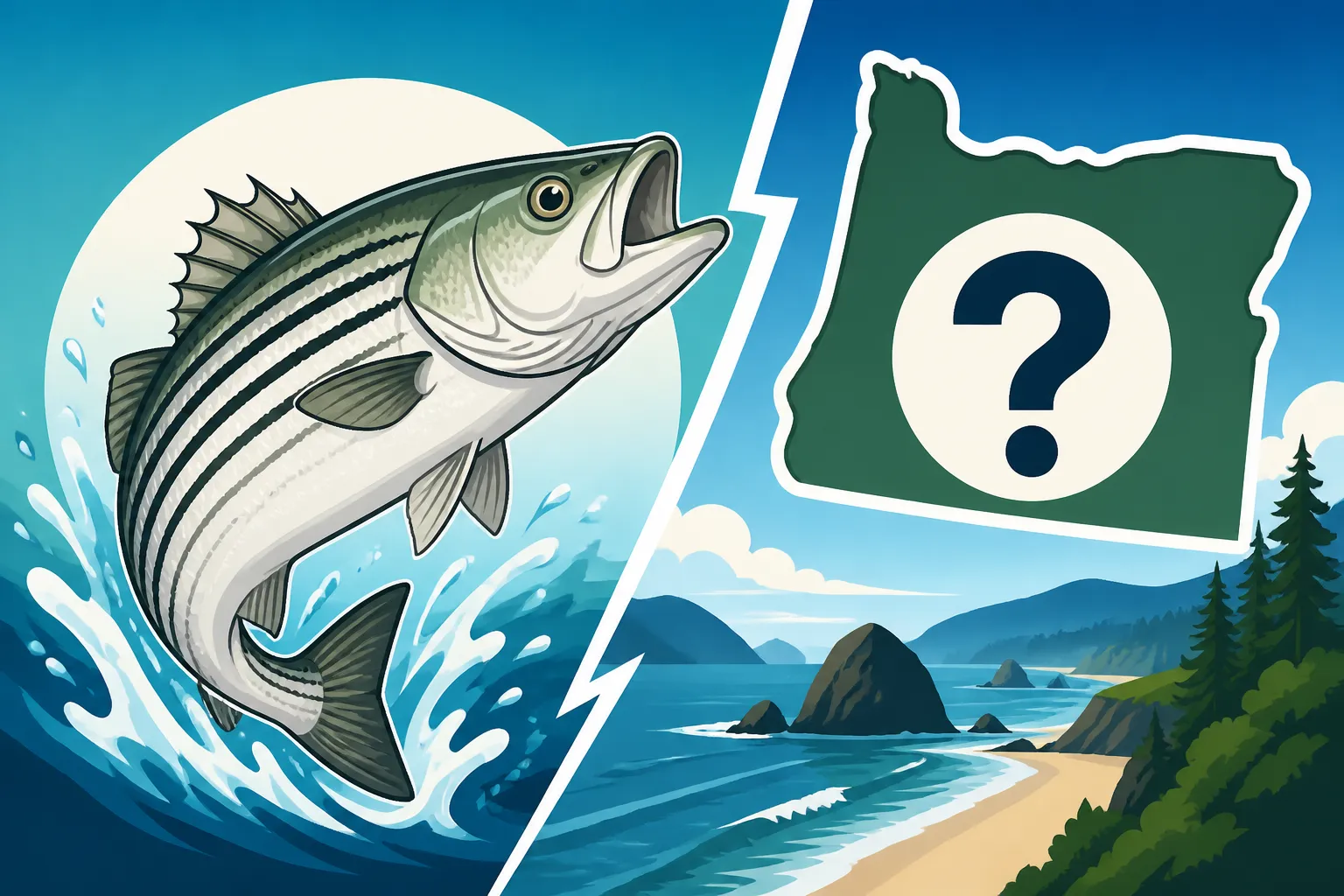
Is striped bass present on the Oregon coast?
For many anglers, the image of a massive striped bass hitting a lure in the surf or charging up a tidal river is the stuff of dreams. These powerful, iconic fish are legendary, and it’s natural to wonder if such a thrilling pursuit is possible right here on the beautiful Oregon coast. Unfortunately, if you’re hoping to find a thriving, established population of striped bass in our coastal waters, you might be in for a bit of a letdown. This guide will clarify the presence (or distinct lack thereof) of striped bass on the Oregon coast, why they aren't a target species here, and what incredible native fish species you can expect to encounter instead.
The Elusive Striped Bass: A West Coast Myth?
It's a question I hear often from anglers new to Oregon or those visiting from the East Coast: "Can I catch striped bass here?" And it's a perfectly valid question. Striped bass, or "stripers" as they're affectionately known, are a hugely popular game fish, renowned for their fighting spirit and delicious meat. Their distribution spans from the Gulf of Mexico up to the St. Lawrence River on the Atlantic side, making them a staple of East Coast fishing. So, it’s understandable why people might assume they'd find them on the Pacific, too.
Historical Context and Sparse Sightings
The idea of striped bass on the West Coast isn't entirely unfounded; they were introduced to California waters in the late 19th century, specifically to the San Francisco Bay and Delta system. These introductions were incredibly successful, and for a long time, California had a robust and highly sought-after striped bass fishery. Over the years, some of these California-origin striped bass have occasionally strayed northward. There have been infrequent, isolated reports of striped bass being caught by anglers in Oregon, usually in the lower Columbia River or along the southernmost stretches of the Oregon coast. These instances are exceedingly rare, often considered anomalies or wanderers, rather than indicators of an established, breeding population. Think of it like seeing a rare bird species far outside its usual migration path – interesting, but not a sign of a new resident population.
Why Oregon Isn't Striper Country
So, if they were so successful in California, why didn't they take hold in Oregon? It largely comes down to habitat and environmental factors. Striped bass are anadromous, meaning they spend part of their lives in saltwater and migrate to freshwater to spawn. They need specific river systems with suitable spawning grounds, salinity levels, and water temperatures. The vast river systems and estuaries of California, particularly the Sacramento-San Joaquin Delta, offered just the right mix for them to thrive.
Oregon's coastal estuaries and rivers, while incredibly rich in biodiversity and perfect for native species like salmon and steelhead, simply don't offer the consistent conditions that striped bass need to establish a self-sustaining population. The temperature ranges, tidal influences, and riverine habitats are tailored to our local fish. While a rogue striper might swim into a bay or the lower Columbia, it’s highly unlikely to find the specific conditions necessary to reproduce and contribute to a viable population. It's a classic case of an introduced species finding a niche in one area but not another, even if the geographic distance isn't vast.
Distinguishing Lookalikes: What You Will Find on the Oregon Coast
Given the rarity of striped bass, it's more likely that an angler might mistake another species for a striper. Oregon's waters are teeming with diverse fish, many of which can be powerful fighters and impressive catches. Knowing what to look for can prevent confusion and help you appreciate the incredible bounty we do have.
Identifying Oregon's Native Powerhouses
When you're out on the Oregon coast, whether you're casting from the beach, a jetty, or a boat, you're targeting fish that are perfectly adapted to these waters. It's easy to get excited by a strong tug on your line, and sometimes, in the thrill of the moment, a fish might feel like a striper. However, a closer look will almost always reveal one of our magnificent native or well-established species.
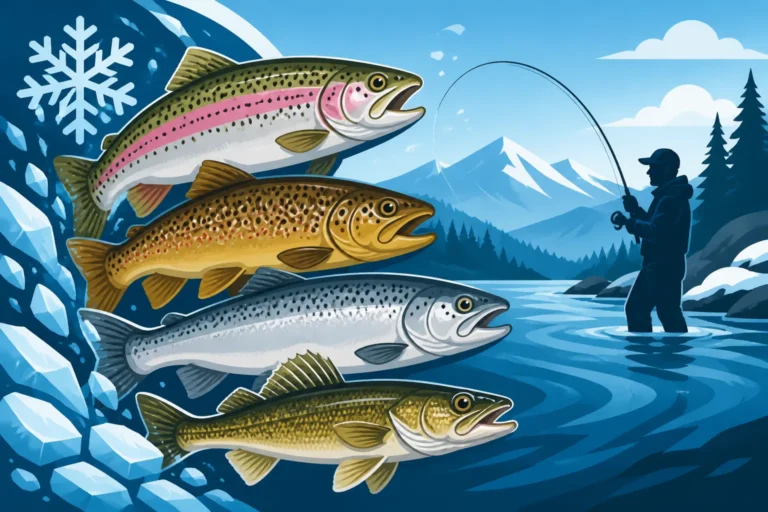
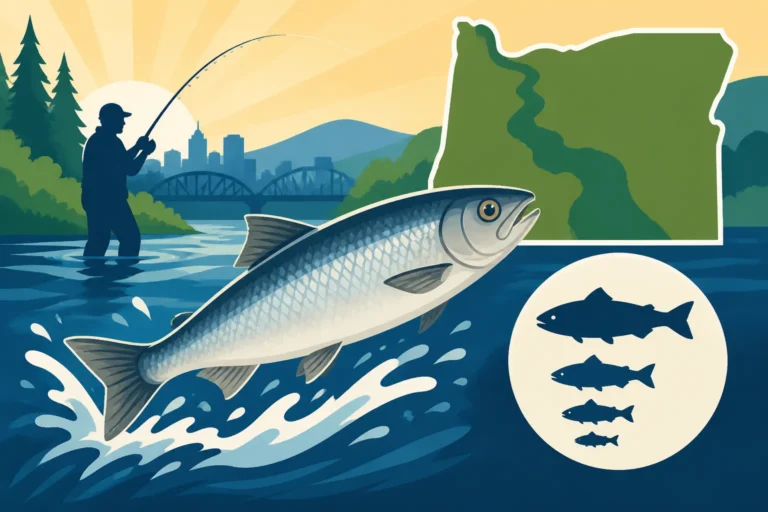
For instance, Oregon Salmon Species Guide or Oregon Steelhead Guide will show you fish that provide incredible fights and are a huge draw for anglers. A good-sized Chinook salmon, especially a "springer" pushing into freshwater, can feel like a freight train on the end of your line. Coho salmon are renowned for their acrobatic jumps. Both have powerful bodies, though their coloration and fin structures differ significantly from striped bass. Striped bass typically have seven or eight distinct horizontal dark stripes running along their silver bodies. Our salmon and steelhead have spots, and while silvery, they lack those prominent, unbroken stripes.
| Feature | Striped Bass (Atlantic/California) | Chinook Salmon (Oregon) | Rockfish Species (Oregon) | Surfperch Species (Oregon) |
|---|---|---|---|---|
| Primary Habitat | Estuaries, coastal waters, rivers (spawning) | Ocean, estuaries, rivers (spawning) | Nearshore reefs, rocky bottoms, jetties | Surf zones, sandy beaches, estuaries |
| Key Markings | 7-8 distinct dark horizontal stripes | Spots on back, dorsal fin, and tail fin | Often mottled, varied colors, no stripes | Vertical bars or splotches, no distinct stripes |
| Typical Size | Varies widely, can be 20-50+ lbs | Can be 20-50+ lbs, sometimes larger | Highly variable, generally 1-15 lbs | Generally 0.5-5 lbs |
| Mouth Shape | Large, slightly protruding lower jaw | Teeth on both jaws, varies by species | Medium to large, varies by species | Small, often downturned |
| Fighting Style | Powerful runs, strong head shakes | Powerful runs, head shakes, acrobatic jumps | Strong pulls, can dive deep | Stubborn pullers, good surf fighters |
Other Coastal Species That Provide Action
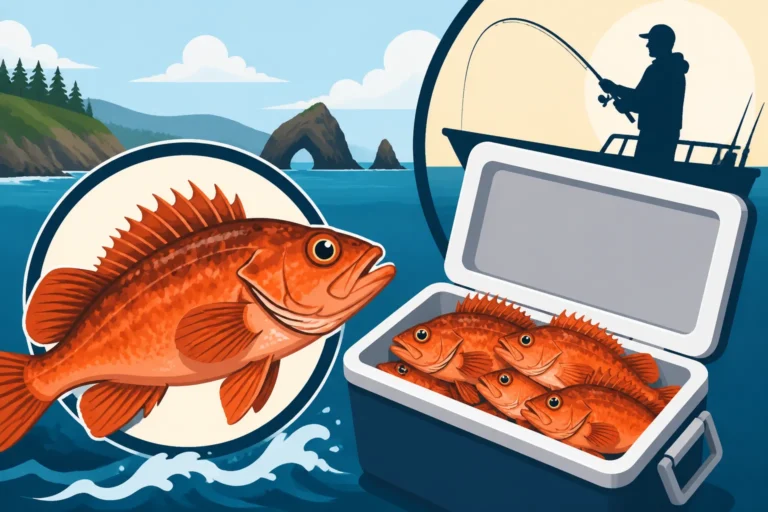
Beyond salmon and steelhead, there are many other species that could give an angler a thrill. Oregon Rockfish off the Oregon Coast are incredibly diverse, with species like black rockfish offering stout fights, especially when hooked near structure. These fish are deep-bodied and can pull hard, but their often mottled or solid coloration and distinct fin rays set them apart from stripers.
Then there's the surfperch! Oregon surfperch fishing from the beach is a popular activity, and while these fish aren't giants, a good-sized redtail surfperch pulling hard in the waves can be quite a surprise. They are typically flatter, with vertical barring or splotches, lacking the horizontal lines of a striper. Even a Pacific lingcod, a formidable predator, has a completely different body shape and mouth structure compared to a striped bass.
It’s truly a testament to the richness of Oregon’s aquatic ecosystems that we have such a variety of game fish, each with its own unique characteristics and challenges for the angler. Before you head out, I always recommend picking up a good field guide or checking online resources to familiarize yourself with the common species in your chosen fishing spot. Knowledge is power, and it makes identifying your catch much more satisfying!
Alternative Thrills: What Anglers Can Target Here
So, while the dream of casting for striped bass on the Oregon coast might largely remain a dream, don't let that dampen your spirits! Oregon offers an incredible array of fishing opportunities that are equally, if not more, rewarding. We have world-class fisheries for species perfectly suited to our unique aquatic environments.
Embracing Oregon's Signature Fisheries
Instead of longing for stripers, imagine the exhilarating tug of a chrome-bright winter steelhead making a screaming run up the Wilson River Fishing Guide or the powerful, head-shaking fight of a fall Chinook salmon in Tillamook Bay Fishing Guide. These are the true giants of Oregon's rivers and estuaries, offering challenges that rival any striped bass encounter. Whether you're drift fishing roe, twitching jigs, or swinging flies, the pursuit of salmon and steelhead is a deep-rooted tradition here, often requiring skill, patience, and a bit of local knowledge. Looking for good gear for these adventures? You can find a huge selection of specialized rods, reels, and tackle on Amazon to suit any technique.
For those who love the salty air and the feel of the waves, the Oregon coast itself provides fantastic opportunities. Surf fishing for Oregon surfperch can be incredibly relaxing and productive. With a simple surf rod and some bait, you can enjoy casting into the breakers, often catching multiple fish in a session. It’s a completely different rhythm than river fishing but equally enjoyable. You might want to grab a waterproof fishing backpack from Amazon to keep your gear dry while you're battling the elements.
Deepwater Adventures and Estuary Exploration
If you're willing to venture offshore, our ocean waters open up a whole new world. Bottom fishing for various Oregon Rockfish off the Oregon Coast and formidable lingcod is a blast. You’ll experience hard hits and powerful pulls as you retrieve these denizens of the deep. These species are abundant, tasty, and provide consistent action. For a truly unique experience, consider targeting Pacific halibut when seasons allow—these flatfish can grow to immense sizes and offer an epic battle from the deep. Charters regularly head out from ports like Newport and Depoe Bay to target these species. Oregon Ocean Endorsement might be required for some offshore trips.
Closer to shore, the estuaries and bays are nurseries and feeding grounds for many species. Beyond salmon and steelhead, you can find a variety of smaller, but still fun, fish. Crabbing and clamming are also popular, providing a different kind of harvest from the ocean. Always make sure you're up-to-date on Oregon Fishing Regulations Explained and have the proper Oregon Shellfish License for these activities.
Gearing Up for Oregon's Waters
Because Oregon's fisheries are so diverse, your tackle box might look a little different than an East Coast striper angler's. You'll likely need gear suited for powerful, migratory species in often strong currents, or for bottom fishing in varying depths.
- For Salmon and Steelhead: Look for medium-heavy to heavy casting or spinning rods, paired with durable reels spooled with strong braided or monofilament line. Drifting gear, various types of lures, and cured baits are standard.
- For Surfperch: A medium-action surf rod, around 9-12 feet long, with a spinning reel spooled with monofilament or braid, is perfect. Small hooks, sinkers, and bait like sand shrimp or razor clam necks will do the trick.
- For Rockfish and Lingcod: Heavy-action boat rods with stout conventional reels are the norm. Jigs, swimbaits, and cut bait fished near rocky structures are highly effective.
You can easily find a fantastic array of these specific items on Amazon, from specialized fishing line to waterproof gear bags and even regional fishing guidebooks. Understanding and appreciating the incredible fishing opportunities that Oregon does offer will undoubtedly lead to many memorable days on the water.
Disclaimer
This article is for general informational purposes only and does not constitute professional advice. Laws, prices and regulations vary by location and change over time. Consult a qualified professional for guidance on your specific situation.