What is the shad run size on the Willamette River
Ever wondered about the sheer number of American Shad making their incredible journey up the Willamette River each spring? It can feel like a real mystery trying to gauge how many of these feisty fish are truly out there, and for us anglers, understanding the size of this annual run is absolutely crucial for planning successful trips. This guide will dive deep into what determines the Willamette River shad run size, how it's measured, and what that means for your fishing adventures.
The Phenomenon of the Willamette River Shad Run
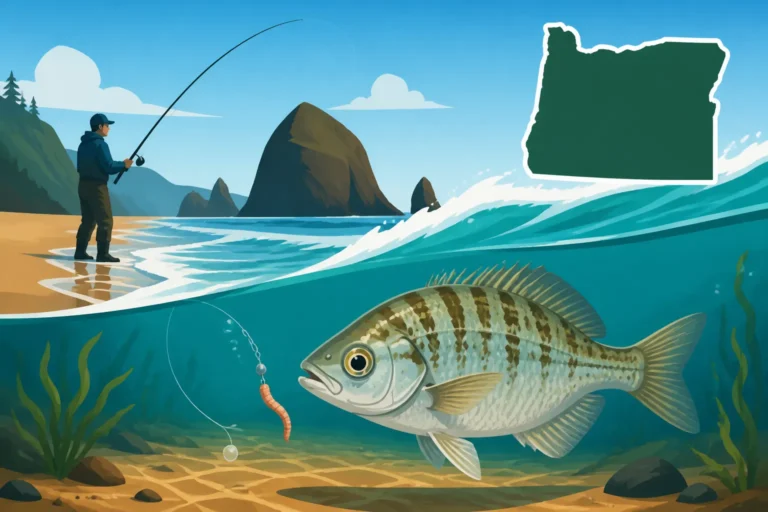
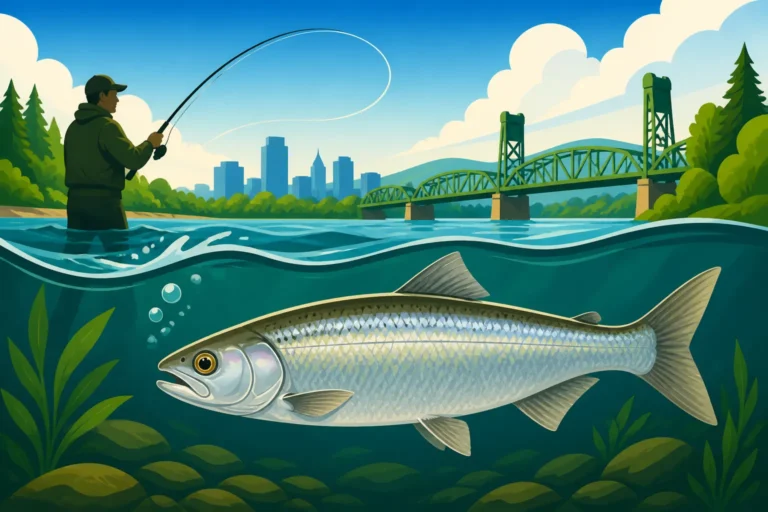
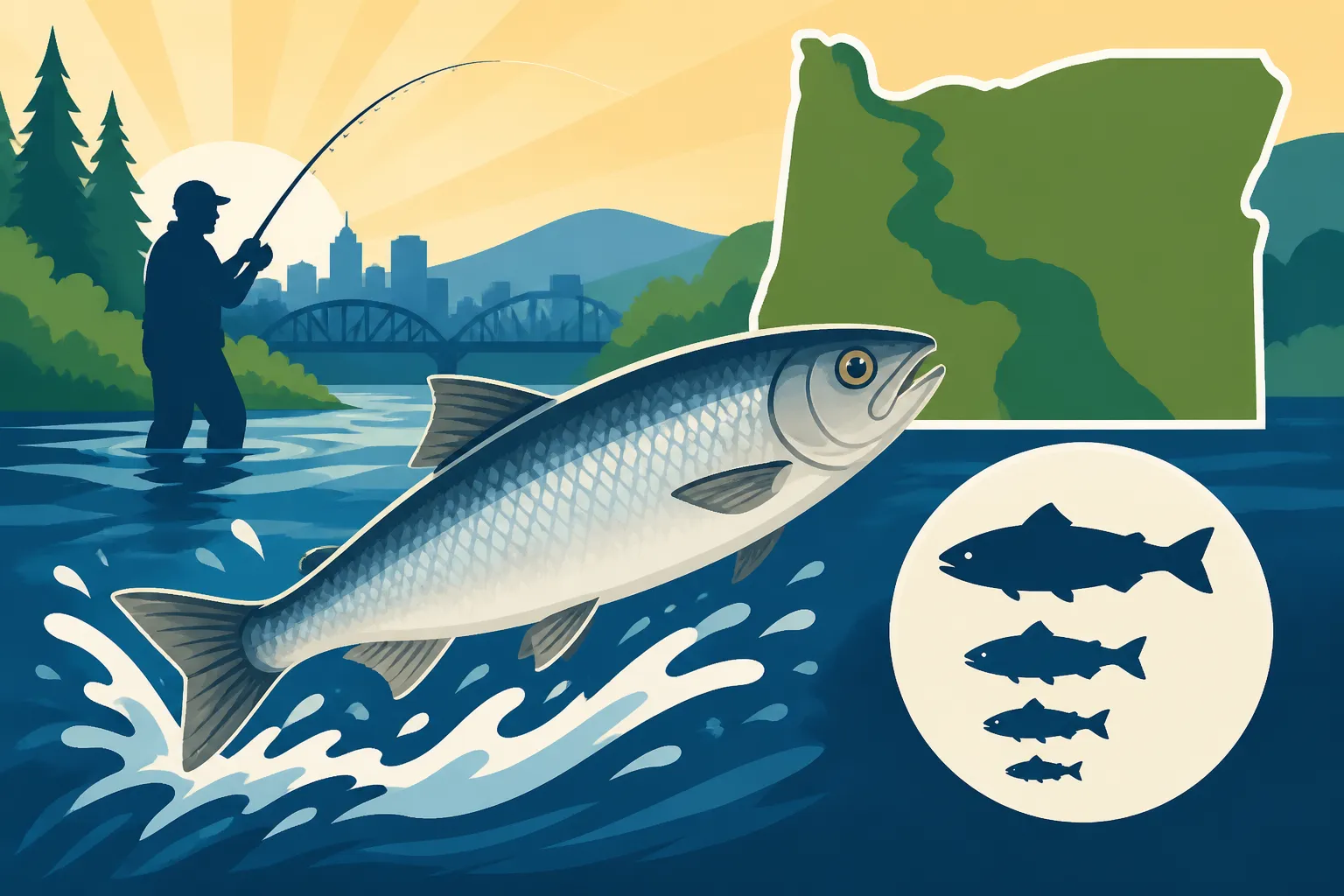
Each spring, typically from late April through June, the Willamette River transforms into a bustling highway for American Shad. These silvery, hard-fighting fish migrate from the Pacific Ocean, up the Columbia River, and then into the Willamette, all driven by the ancient urge to spawn. For many Oregon anglers, especially those looking for fast-paced action and a chance to catch dozens of fish in a single outing, the shad run is a highly anticipated event. They're often called "poor man's salmon" because they're so abundant and accessible, providing fantastic opportunities for everyone from seasoned veterans to families with young kids.
What makes this run so special isn't just the sheer number of fish, but their incredible journey. They travel hundreds of miles, navigating river currents and passing through fish ladders, all to reach their spawning grounds in the upper Willamette and its tributaries. This migration is a testament to the resilience of the species and the health of the river system. Their presence marks a clear transition into warmer weather fishing, a welcome change after the winter steelhead pursuits. If you're new to the area or just curious, knowing that these fish are coming in such significant numbers can open up a whole new world of angling possibilities. For more on this, check out our Shad in the Willamette River guide.
Understanding American Shad in Oregon
American Shad are an anadromous species, meaning they spend most of their lives in saltwater but return to freshwater to reproduce. While not native to the Pacific Northwest, they were successfully introduced in the late 19th century and have since established robust populations, particularly in the Columbia and Willamette River systems. They are members of the herring family, and while not typically targeted for their table fare in the same way salmon are, their roe (eggs) is considered a delicacy by some, and their firm, white flesh can be quite tasty when prepared correctly.
Beyond their culinary potential, shad are primarily sought after for their sporting qualities. They hit lures aggressively, fight hard with surprising strength for their size, and often jump clear of the water during a battle. A typical shad caught in the Willamette might range from 1 to 3 pounds, though larger specimens can be found. Their abundance means that on a good day, it's not uncommon for an angler to catch dozens of fish, making for an unforgettable experience. This accessibility and the sheer joy of catching so many fish is why understanding the run size is so important for those looking to experience this unique fishery.
Why the Run Size Matters to Anglers
The size of the annual shad run directly correlates with fishing success. A strong run means more fish are available, increasing your chances of finding them, hooking up, and enjoying consistent action. When the run is exceptionally large, like the record-breaking years we sometimes see, fishing can be truly phenomenal, with anglers often reporting double and triple hookups. Conversely, a smaller run might mean more effort is required to locate fish, and success rates might not be as high.
Knowing the expected run size also helps anglers decide when and where to focus their efforts. If the run is projected to be robust, popular spots along the Willamette, like those near Oregon City Falls or further upstream, will likely be packed. If it's a more moderate year, you might have to work a bit harder or explore less pressured areas. It also influences decisions on gear – a massive run might encourage a minimalist approach, while a smaller run might have you reaching for every trick in your tackle box. For tips on timing your trip, consult our Best time of year to fish for shad on the Willamette article. Ultimately, the run size guides expectations and helps you prepare for the fishing conditions you're likely to encounter.
Decoding the Numbers: How Shad Run Sizes Are Estimated
Estimating the size of an anadromous fish run, like the Willamette River shad run, is a complex undertaking. It's not as simple as just throwing out a number; it involves a combination of established counting methods, scientific analysis, and a bit of educated guesswork based on historical data and current conditions. While exact figures are never possible, wildlife agencies like the Oregon Department of Fish and Wildlife (ODFW) work tirelessly to provide anglers with the most accurate projections and real-time counts possible. This data is invaluable for management and for helping us plan our fishing adventures.
The primary method for gauging the bulk of the Willamette River shad run involves counting fish as they pass specific points in the river. This isn't just about spotting fish; it's a systematic process that has evolved over decades to provide reliable data. Understanding these methods gives us a better appreciation for the numbers we see reported and why they might fluctuate.
Fish Ladder Counts
The most prominent and reliable method for tracking shad migration up the Willamette River is through fish ladder counts, specifically at the Willamette Falls fishway in Oregon City. This is a critical choke point where virtually all anadromous fish entering the upper Willamette must pass. Every day, during the peak migration season, technicians observe and count the fish as they ascend the ladder. This is typically done manually by trained personnel observing through underwater windows, or increasingly, with video cameras and sophisticated software that can identify and count different species.
These daily counts are then compiled to provide weekly and seasonal totals. While these counts give a very good indication of the minimum number of fish that have passed this point, it's important to remember they don't capture fish that might spawn downstream of the falls or those that somehow bypass the counting station (though this is less common for shad due to the nature of the falls). The cumulative count at Willamette Falls is generally considered the most accurate representation of the run size entering the upper Willamette system. These numbers are often updated regularly during the run, giving anglers a near real-time snapshot of the migration's progress.
Challenges in Accurate Estimation
Despite the sophisticated counting methods, estimating the exact shad run size comes with inherent challenges. One major factor is simply the sheer volume of fish during a strong run. Imagine trying to manually count hundreds of thousands, or even millions, of fast-moving fish! While technology helps, there's always a margin of error. Environmental conditions can also play a role; poor visibility due to turbid water can make visual counting difficult, and fluctuating water levels or temperatures can affect fish behavior and their passage through ladders.
Furthermore, the "run size" often refers to the number of fish passing a specific point, like Willamette Falls. It doesn't necessarily account for the total number of shad that entered the Columbia River and then diverted to other tributaries, or those that spawned lower in the system. Predicting the future run size also involves modeling based on factors like previous year's spawning success, ocean survival rates, and environmental conditions, which are never 100% predictable. So, while the numbers provided are the best available, they're always estimates, and conditions can change.
| Run Size Category | Estimated Willamette Falls Count (Total Season) | Typical Fishing Experience | Environmental Conditions Often Associated |
|---|---|---|---|
| Low | Under 1 million | Slower, more effort needed | Drought, unusually cold springs, poor ocean survival |
| Moderate | 1 million – 3 million | Consistent, good action | Average spring flows and temperatures |
| High | 3 million – 5 million | Excellent, frequent action | Strong returns, favorable river conditions |
| Exceptional | Over 5 million | Phenomenal, non-stop bites | Ideal spawning years, abundant food in ocean |
Nature's Influence: Factors Shaping the Annual Shad Run Size
The annual shad run size isn't static; it fluctuates significantly year to year, sometimes by millions of fish. These variations are primarily driven by a complex interplay of natural environmental factors, both in their ocean feeding grounds and in the freshwater rivers they navigate to spawn. As anglers, understanding these influences can help us interpret the run forecasts and appreciate the delicate balance of the ecosystem. It's a humbling reminder that while we plan our trips, nature is always in charge.
From the vastness of the Pacific Ocean to the flow of the Willamette, countless variables can tip the scales towards a boom year or a bust. This is why official forecasts, when available, are often accompanied by caveats and rely on long-term data trends rather than just a single factor.
Ocean Conditions and Survival
The vast majority of an American Shad's life cycle is spent in the Pacific Ocean. During this time, they feed, grow, and mature, building up the energy reserves necessary for their strenuous spawning migration. Therefore, the conditions they encounter in the ocean are paramount to their survival and, consequently, the number of fish that will return to the rivers. Factors such as ocean temperature, food availability (like plankton and small invertebrates), and predation all play a significant role.
Warmer ocean temperatures, for example, can sometimes shift food sources or increase metabolic rates, impacting growth and survival. Conversely, periods of abundant upwelling, which bring nutrient-rich waters to the surface, can lead to a boom in the food chain, supporting larger and healthier shad populations. Years with strong El Niño or La Niña cycles can drastically alter these conditions. If a cohort of shad faces harsh conditions or a scarcity of food during their years in the ocean, fewer of them will survive to adulthood and return to spawn, leading to a diminished run size. Conversely, a few years of favorable ocean conditions can set the stage for a truly impressive return.
Freshwater River Conditions
Once shad enter freshwater, the conditions in the Columbia and Willamette rivers continue to influence their migration and spawning success. Water temperature and flow are two of the most critical factors. Shad prefer specific temperature ranges for optimal migration and spawning, generally between 55 and 70 degrees Fahrenheit. If river temperatures are unusually cold during the typical run period, it can delay the migration, causing the run to be more condensed or even spread out over a longer period. Conversely, very warm water can stress the fish.
River flow rates also play a huge role. High, turbid flows can make migration more challenging, increase energy expenditure, and potentially wash eggs downstream during spawning. Low flows, on the other hand, can make access to certain spawning areas difficult. Additionally, dam operations on the Columbia River system are carefully managed to facilitate fish passage, but extreme fluctuations can still impact migration timing and success. Predation by other fish species, birds, and marine mammals (especially in the lower Columbia) also takes a toll on the run, though this is a more consistent factor rather than a year-to-year variable that dictates overall run size. These conditions are vital, and you can learn more about how they affect fishing in our Oregon Fishing Regulations Explained and Oregon Daily Bag Limits Explained guides.
Angler's Advantage: Using Run Size Information for Better Fishing
For us anglers, knowing about the Willamette River shad run size isn't just a fun fact; it's a powerful tool that can dramatically improve our chances of a successful and enjoyable day on the water. It helps set realistic expectations, guides our choice of location, and even influences the gear we bring along. When you have a sense of how many fish are expected, you can tailor your approach to match the conditions, whether it's an epic, non-stop bite or a more patient, strategic endeavor.
The Oregon Department of Fish and Wildlife (ODFW) and other angling resources often provide weekly or even daily updates on the fish counts at Willamette Falls during the peak season. Keeping an eye on these reports can give you a significant advantage, allowing you to hit the river when the action is hottest.
Interpreting Current Run Reports
When you see a report stating that "X number of shad passed Willamette Falls yesterday," how do you interpret that? First, look at the trend. Are the daily counts increasing, peaking, or declining? A rising count indicates the main body of the run is moving through, suggesting prime fishing is either just starting or in full swing. If the numbers are consistently high day after day, you know you're in for a treat. A declining trend might mean the run is winding down, but there could still be plenty of fish to catch, especially in downstream areas where they stage before the main push.
Also, compare the current counts to historical averages for that time of year. Is it a stronger-than-average year, or weaker? This context helps you understand the overall health of the run. A report of 50,000 shad in a day is fantastic if the average is 20,000, but less exciting if the average is 100,000. These reports aren't just dry statistics; they're dynamic indicators of what's happening in the river. Keeping a simple fishing journal can help you track these trends year-over-year, giving you a personal perspective on when the best times usually are.
Adjusting Your Fishing Strategy
Once you have a good handle on the run size and its progression, you can adjust your fishing strategy accordingly. In a year with an exceptionally large run, shad will be more widespread, and you might find great action in areas that are typically less productive. This is a perfect opportunity to explore new spots or even try bank fishing if you usually rely on a boat. On such days, simple tactics often work best: a basic shad dart, a small spinner, or even a bare hook might be all you need. You might even want to stock up on a variety of colors and weights from Amazon so you’re ready for anything.
For a smaller or more dispersed run, a more targeted approach might be necessary. Focus on known holding areas, such as current seams, eddy lines, and deeper pockets just below rapids or falls. You might need to experiment more with lure colors, sizes, and retrieval speeds. Sometimes, using a heavier line to get your lure down faster, or a sensitive rod to detect subtle bites, can make all the difference. In these years, having a wide selection of shad darts and small spoons (many readily available on Amazon) becomes even more important. Understanding How to catch shad with a dart lure can be especially helpful here.
Considerations for Gear and Location
The predicted run size can even influence your gear choices. When the shad are running thick and fast, your equipment will take a beating. Bringing extra leaders, hooks, and plenty of your favorite shad darts is always a good idea. A good pair of polarized sunglasses, perhaps one of the many options you can find on Amazon, will help you spot these silvery flashes in the water. For those who prefer to keep their catches, having a cooler ready is essential.
Regarding location, when the run is strong, popular areas like Meldrum Bar Park, the Clackamas River mouth, or even specific spots along the downtown Portland waterfront can be absolutely teeming with fish. However, they can also be teeming with anglers. If you're looking for a bit more solitude, a healthy run might allow you to find fish in less pressured sections further upstream or downstream. Conversely, if the run is weak, sticking to the tried-and-true hotspots where fish are known to congregate might yield better results. Whether you're in a boat or fishing from shore, remember that safety comes first. Always wear a life vest, especially if you're boating or wading in swift currents. For more details on accessing the river, check out our Willamette River Fishing Guide.
The Future of the Willamette Shad Run
The Willamette River shad run is a dynamic natural phenomenon, influenced by both natural cycles and human activity. While we've discussed how ocean and freshwater conditions affect its size, it's also important to consider the long-term outlook. Conservation efforts, habitat restoration projects, and careful management of dam operations all play a role in ensuring that these incredible migrations continue for generations to come.
As anglers, we're part of this equation. Practicing responsible catch and release, especially if you've already met your Oregon Daily Bag Limits Explained or simply want to release healthy fish, contributes to the sustainability of the fishery. Being mindful of sensitive spawning areas and adhering to all Oregon Fishing Regulations Explained helps protect the fish and their habitat. The good news is that American Shad are incredibly prolific, and their populations in the Willamette have generally remained robust, offering fantastic angling opportunities year after year. Let's hope for many more years of strong shad runs and endless fishing fun on the beautiful Willamette River.
Disclaimer
This article is for general informational purposes only and does not constitute professional advice. Laws, prices and regulations vary by location and change over time. Consult a qualified professional for guidance on your specific situation.